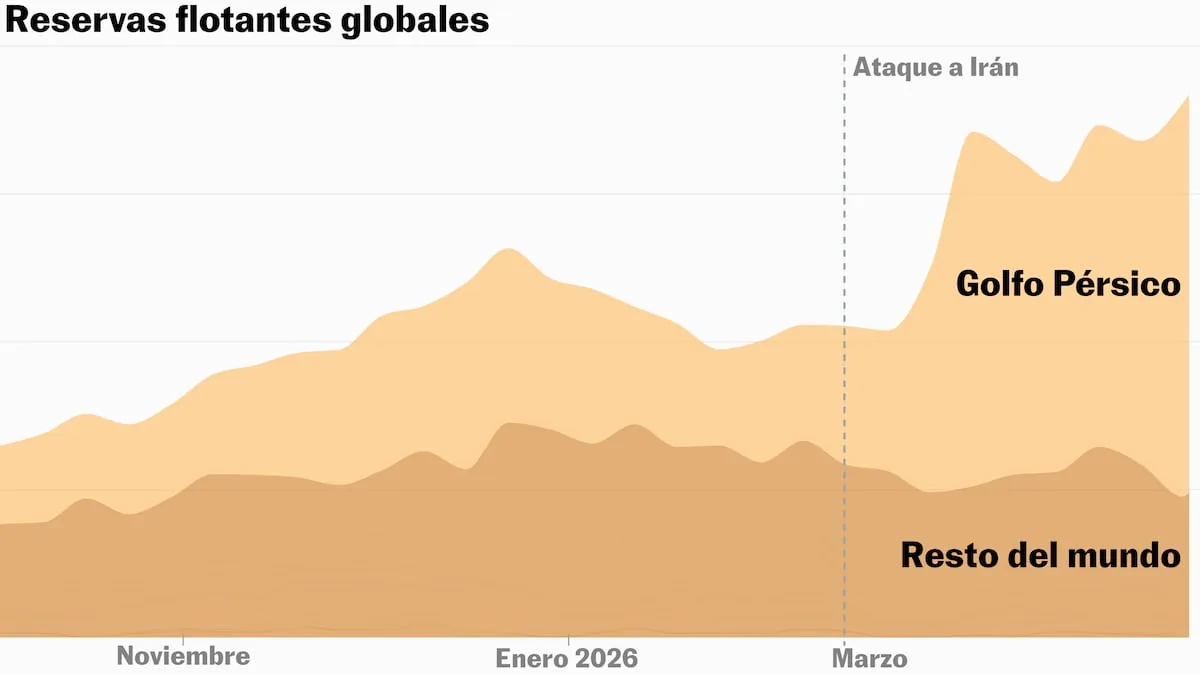






The rise in oil prices is paid for by the whole society, even if it does not always appear at the pump. This is the warning issued this Wednesday by the International Monetary Fund (IMF) in its latest update on the energy crisis resulting from the closure of the Persian Gulf, through which one-fifth of the oil consumed in the world passes. In line with the warning made in mid-April, the IMF argues that subsidizing fuels, as the Spanish Government has done, should be seen as a last resort because it can end up making energy even more expensive. In the end, the Fund adds, this fiscal tool keeps fuel demand high despite scarcity and thus raises supply costs and increases pressure on the entire economy.
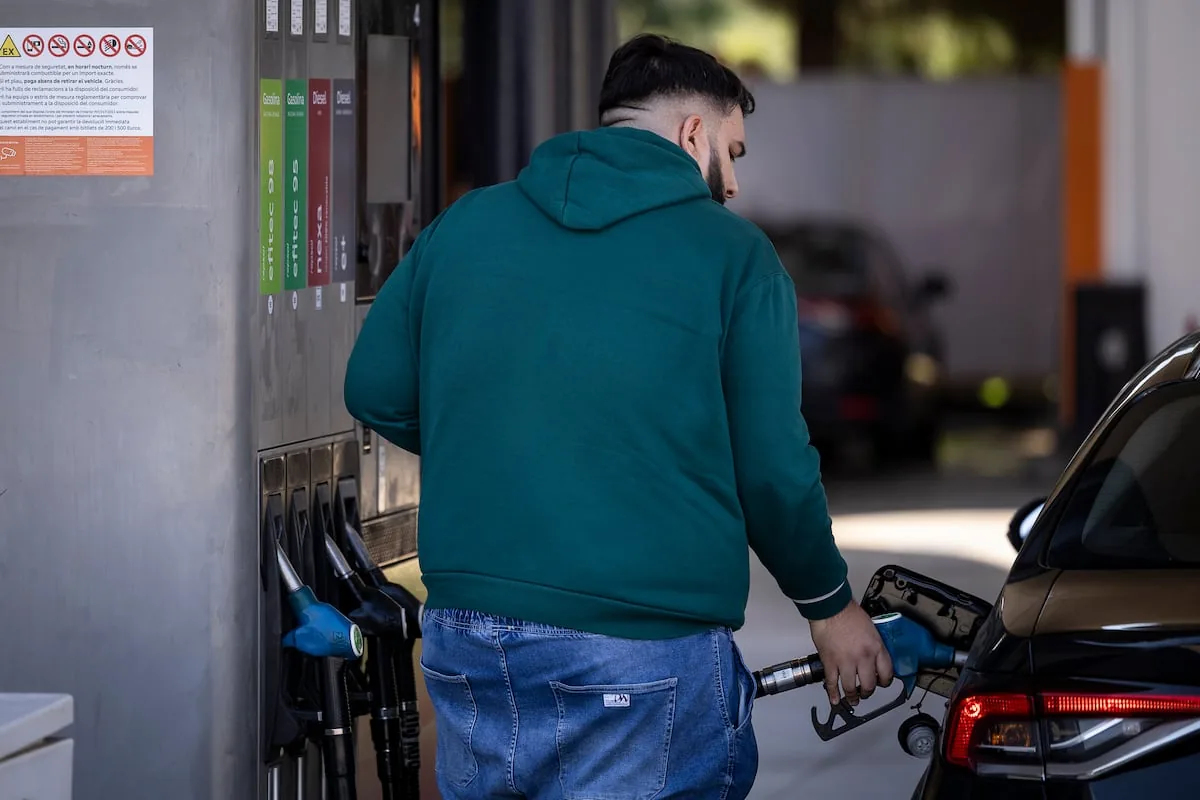
“Fiscal policy can play a role, but its measures must be temporary, specific, timely, and tailored to each case,” the IMF notes. The report does not mention specific countries, but examples abound. Spain is one of them: the government has foregone more than 1 billion euros in revenue between April and June with the reduction of VAT on fuels (from 21% to 10%) and the special hydrocarbon tax, in a measure approved on March 22 to make fuels cheaper.
Its effect was limited and, after three weeks, the tax relief was barely noticeable on diesel. Furthermore, in early April, the European Commission warned the Spanish Government that the VAT reduction violated European rules, which do not allow such tax cuts on fuels. Brussels, however, did not object to the cut in the special tax.
This episode illustrates, as the fund specifies, that “poorly designed measures can be costly for public finances and difficult to withdraw.” “They can also fuel more inflation, worsen fiscal vulnerabilities, or further raise global energy prices,” it adds.
Energy subsidies not only distort prices at the taxpayer’s expense—after all, any government aid is paid for by the whole society—but also disproportionately benefit the wealthiest. These aids, as well as other interventionist and widespread policies like price caps, “usually benefit higher-income households more and are difficult to withdraw,” because they consume the most and become most accustomed to them.
The cases described by the IMF are not just theoretical and are already felt on the streets worldwide. In response to the Gulf closure, Indonesia has expanded its traditional gasoline subsidies, an ineffective policy to ease the price surge and which, the last time the government tried to cut it in 2022, sparked massive protests and a political crisis. Argentina offers another classic example, even before the war in Iran. Two decades of indiscriminate subsidies, even on electricity bills, since the 2000s have contributed to the country’s fiscal deterioration.
A last-resort measure like subsidies is only justified under extreme conditions. In this case, the IMF lists several, including that the energy price increase is quickly spreading to the entire economy or that public finances have room to absorb the cost. “These conditions are difficult to assess in real time and, in any case, widespread price controls have significant side effects,” the organization summarizes.
Protecting the vulnerable
The Fund acknowledges that “there is no one-size-fits-all recipe” to respond to the energy crisis, as it depends on each country’s peculiarities, such as its dependence on fossil fuels or government budget, two variables that work against Indonesia, for example. However, the international organization proposes a usual guideline in times of crisis: the first aid should be directed to the most vulnerable.
“The poorest families usually spend a proportion of their income on energy and food two or three times greater than richer households, and they also have less savings. Protecting them is important to preserve social cohesion and avoid an increase in poverty,” the IMF argues. To this end, it suggests governments expand direct transfer policies because, as they are targeted, “they limit fiscal cost.”
Temporary liquidity support—such as state-guaranteed loans, credit lines, or short-term deferrals of taxes and social contributions—should be the first line of response. These tools are less costly for public finances and easier to withdraw. It is preferable to avoid direct subsidies or capital injections, given their high fiscal cost and the political difficulty of reversing them.
Small businesses should also be a priority in governments’ initial response to the crisis. Recommended tools include loans, credit lines, or short-term tax deferrals. “These tools are less costly for public finances and easier to withdraw. It is preferable to avoid direct subsidies or capital injections, given their high fiscal cost and the political difficulty of reversing them,” it estimates. A response to a crisis should be like it: temporary.
Read more Two new detainees for the death of the singer Matías de Paula in Villanueva de la Serena