








The International Energy Agency is gradually toughening its discourse on the impact of the closure of the Strait of Hormuz on the European economy. Its executive director Fatih Birol warned this Thursday that Europe has fuel reserves for airplanes for “perhaps about six weeks.” A limitation that will cause flight cancellations “soon” if supply from the Middle East does not recover. The Dutch airline KLM announced this Thursday that it will cut 80 flights next month on its European routes due to the increase in fuel costs.
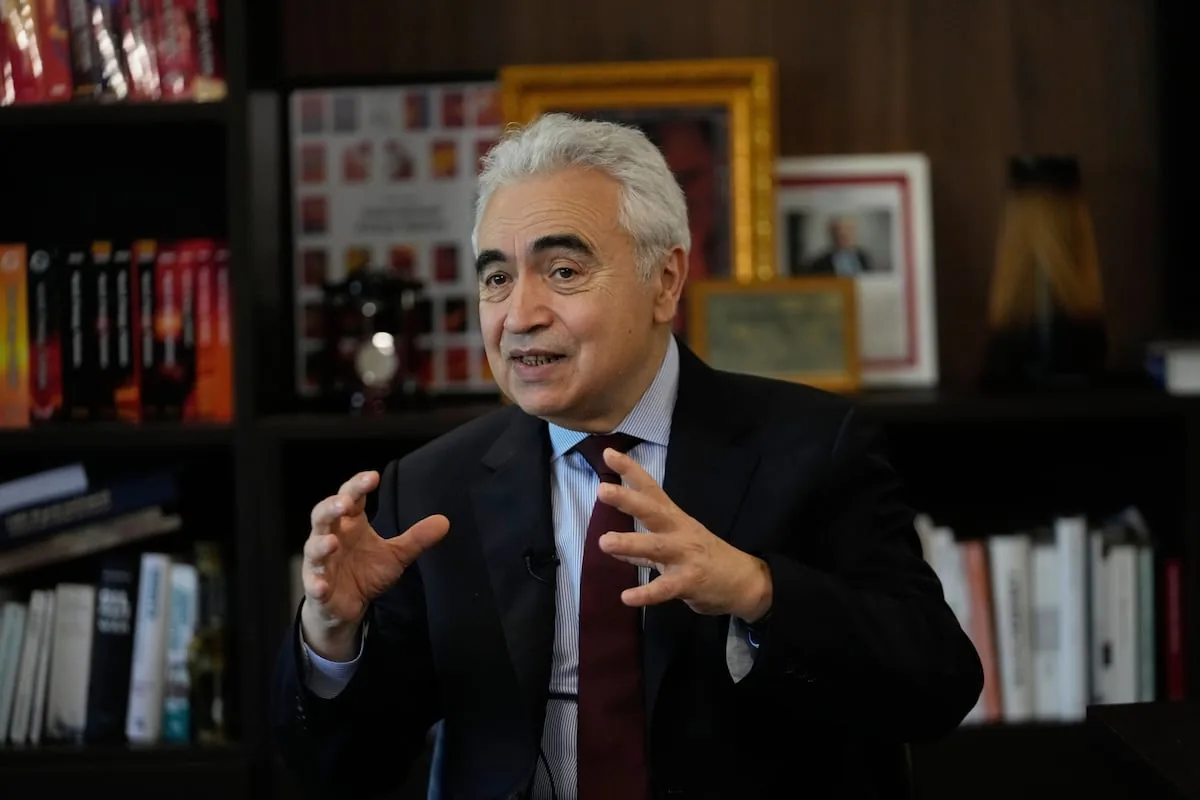
Birol insisted in an interview with Associated Press: “We are in a critical situation, and this will have serious consequences for the global economy. The longer it lasts, the worse it will be for economic growth and inflation worldwide.” A situation that will affect developing countries in Asia, Africa, and Latin America more but will impact all. “Some countries may be richer than others. Some countries may have more energy than others, but no country, absolutely no country, is immune to this crisis,” he said.
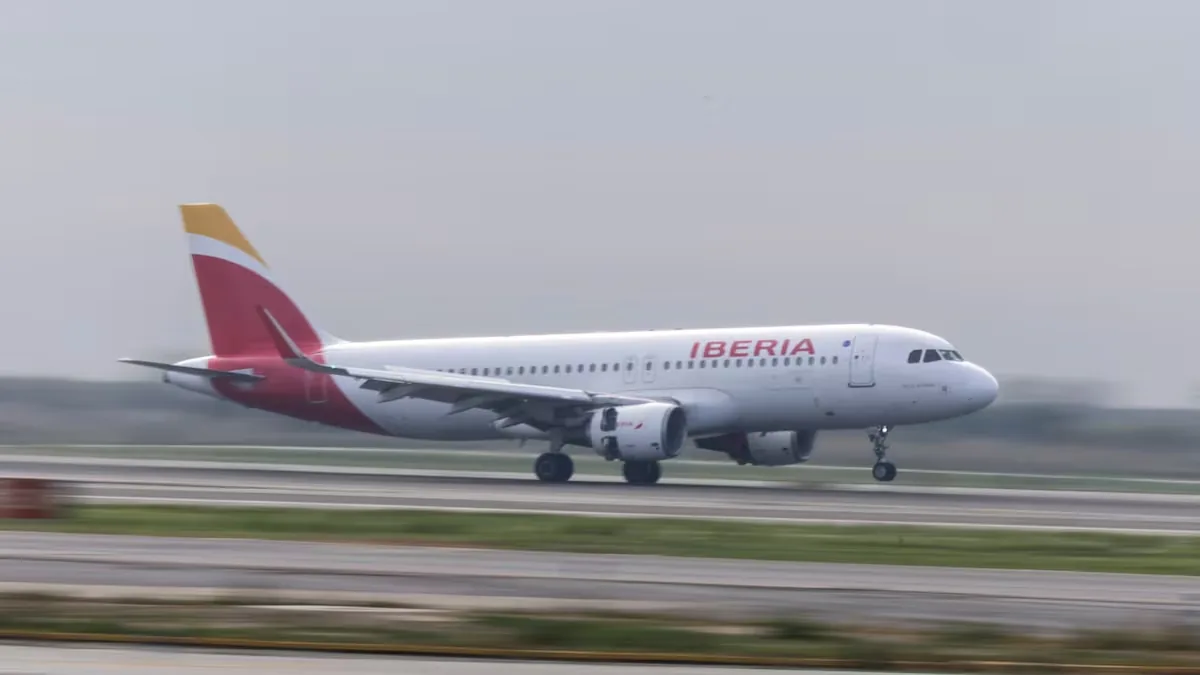
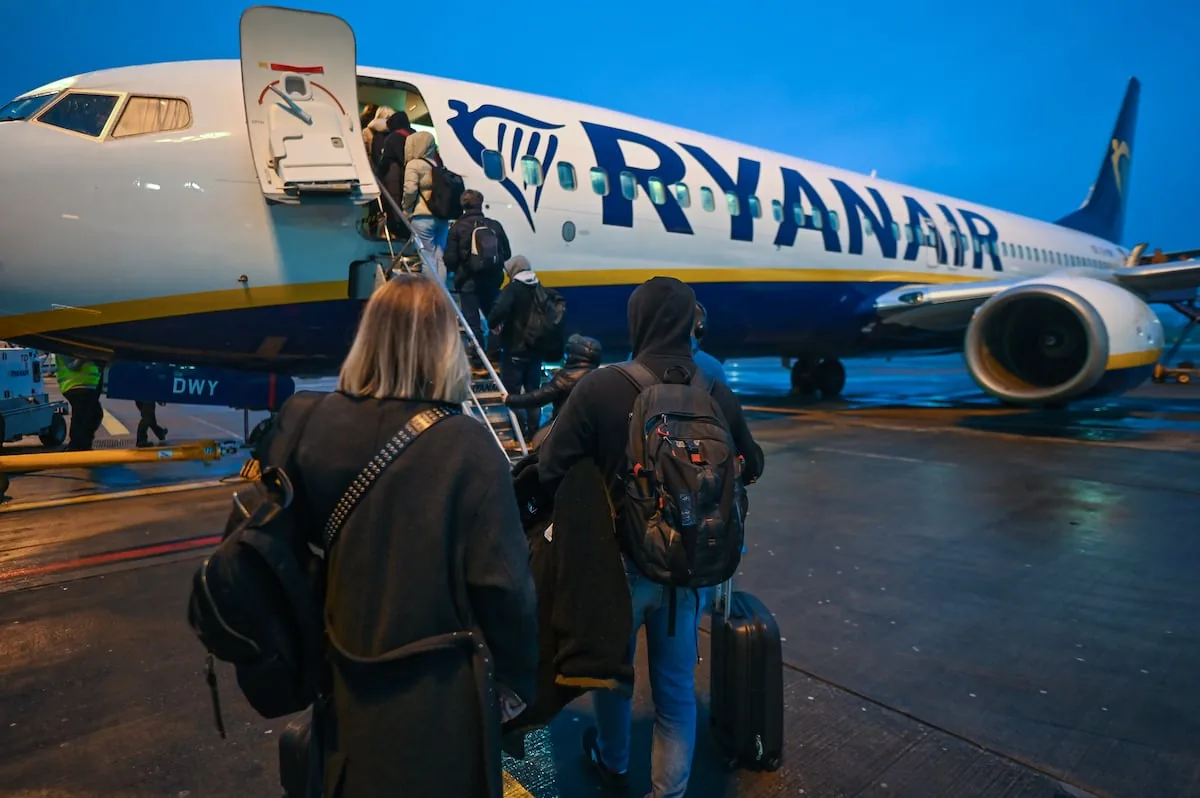
In the case of Europe, the IEA executive director stated: “We have perhaps six weeks of jet fuel left” and added that “if we cannot open the Strait of Hormuz… soon we will hear the news that some flights between cities could be canceled due to lack of fuel.” A possibility that has already materialized with KLM’s decision to suspend 80 flights next month from Schiphol Airport in Amsterdam, 1% of its European flights during that period. The airline acknowledged in a statement that “due to the increase in kerosene prices, they are no longer profitable,” but emphasized that “there is no shortage of kerosene.” Ryanair indicated in previous weeks that it might implement cancellations starting in May.
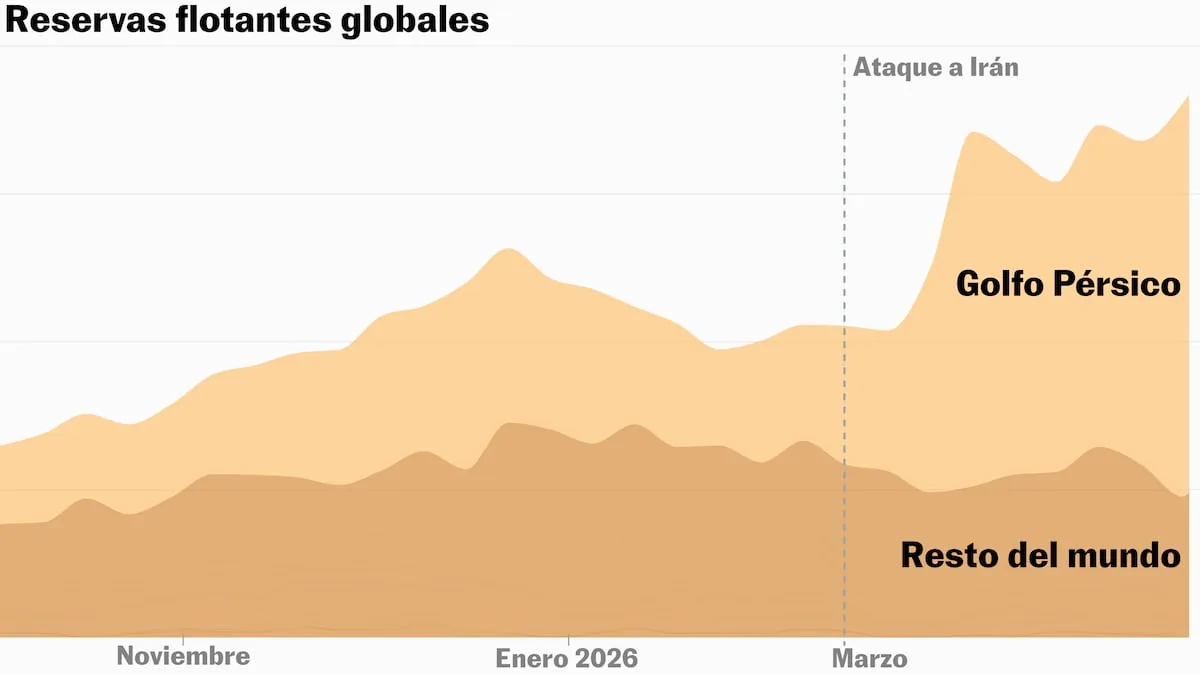
Europe consumes 1.6 million barrels of kerosene daily, the main fuel for airplanes, of which 20% comes from the Persian Gulf. The closure in Hormuz is causing airlines to squeeze their storage capacity, which according to IEA figures will allow Europe to reach summer with the lowest kerosene reserves since 2020: about 30 days.
A scenario that could worsen. The IEA estimates that reserves will fall below 23 days in June in its most severe scenario if European countries do not manage to replace half of the kerosene originating from the Persian Gulf. A threshold that would put some airports in a shortage situation and cause cancellations. The International Air Transport Association (ACI) sent a letter last week to the European Commission warning that “if transit through the Strait of Hormuz does not resume significantly and stably in the next three weeks, widespread jet fuel shortages will become a reality for the EU.”
Read more A person dies after being hit by a train near Palencia station
Beyond the impact on air transport, Birol added that “many government leaders tell me that if the Strait of Hormuz is not opened until the end of May, many countries, starting with the weakest economies, will face enormous challenges, ranging from high inflation figures to growth close to slowdown or even recession in some cases.”
The IEA leader recalled that since the conflict in the Middle East began “more than 80 assets [oil and gas fields, refineries, and other key infrastructures] in the region have been damaged. And of these 80, more than a third are severely or very severely damaged.” A problem that will not have a quick solution. “It will take us gradually, up to two years, to return to the pre-war situation,” he assured.
Birol acknowledged last week in an interview with EL PAÍS that at the beginning of the conflict governments underestimated the magnitude of the energy crisis and that policymakers were not fully understanding the scale of the problem. The Turkish economist recognized today that the current crisis “will reshape the global energy map in the coming years.” Beyond that, he lamented that “energy and geopolitics have always been intertwined but […] I have never seen such a dark and prolonged shadow of geopolitics.”