








The European Commission has already made public its plans to reform the criteria it will follow in the future when analyzing business mergers. The ultimate goal is to “boost the EU’s competitiveness” against China and the United States. This involves large amounts of public and, above all, private investment. Therefore, Brussels has put forward criteria that will give more prominence to “innovation and investment as part of a more dynamic approach to the assessment of business concentrations.” To decide whether to approve a merger or not, it will also consider whether the value chains resulting from these corporate operations are strengthened or weakened, as well as the financial or environmental resilience of the resulting firm.
Read more Unemployment in Colombia drops to 8.8% in March
Brussels explains that merger assessments will also be “updated and refined” to see their impact on prices. However, it is clear that as these other factors (investment, value chains, resilience) gain weight, price, a factor that has been very prominent until now, will weigh somewhat less than it does currently. The goal is to favor more of these types of operations.
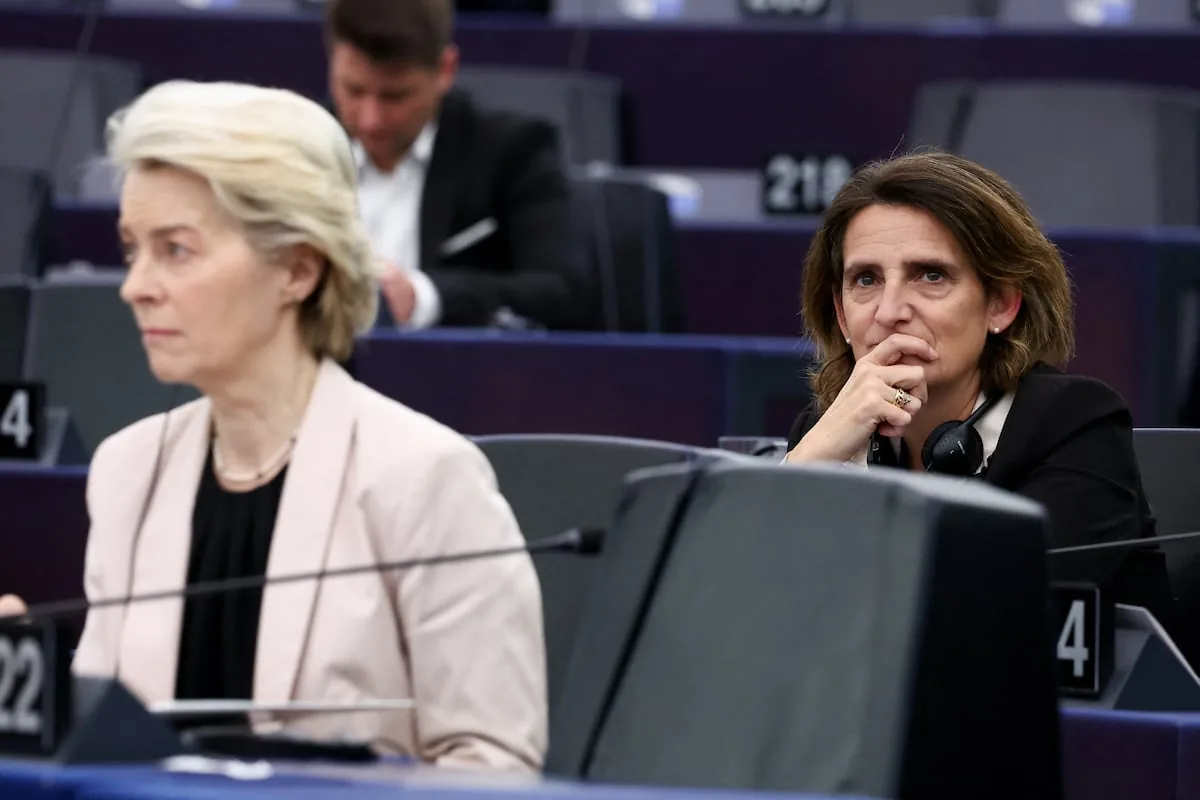
“Europe needs bold and innovative companies that can compete on a global scale. We must create the right environment for the next European champions,” said European Commission President Ursula von der Leyen in a statement in which the EU Executive announces it is opening its draft criteria for merger and acquisition analysis to public consultation. The aim is for companies, employer organizations, consumer associations, and other civil society institutions to provide their observations.
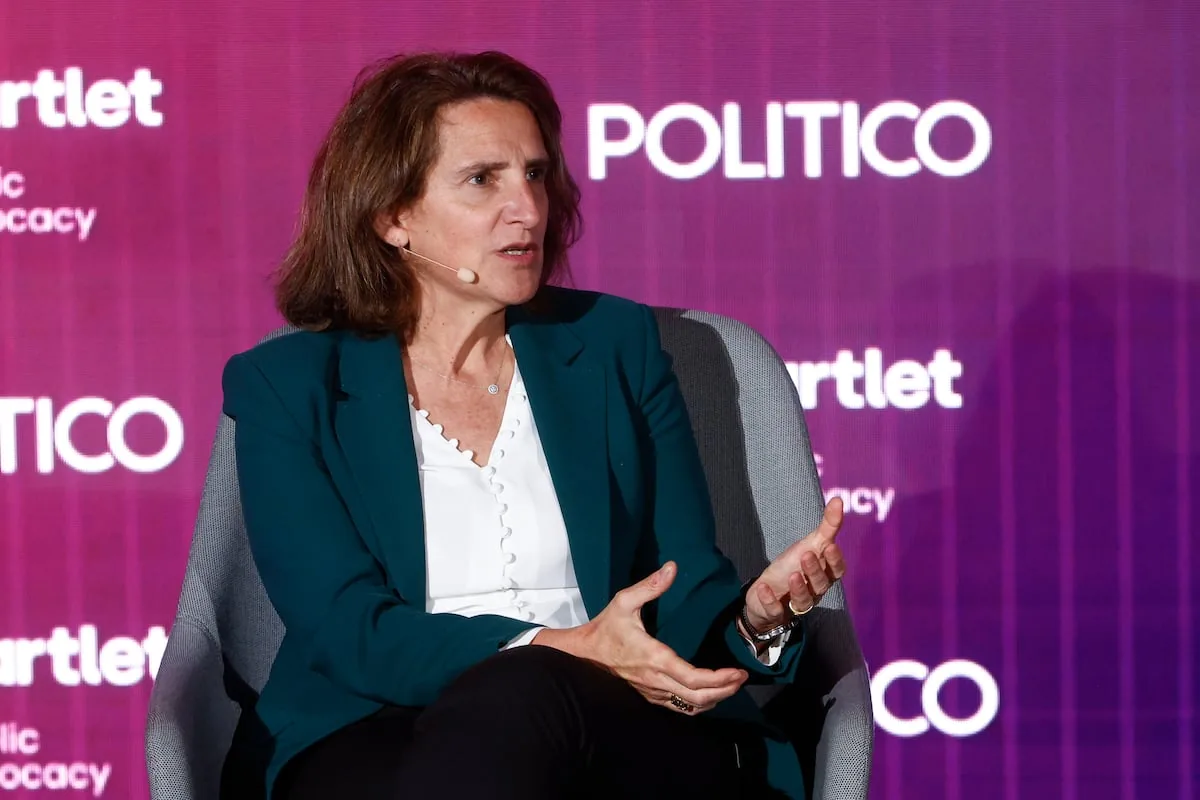
The statements of the Commission’s Vice-President, Teresa Ribera, the top official responsible for Competition and therefore for the reform of these rules, are more nuanced: “These guidelines offer a more dynamic framework to assess how concentrations affect innovation, investment, resilience, and the ability of European companies to compete globally.” The Spaniard also adds that the changes continue to “protect strong and competitive markets” and will not facilitate “an accumulation of power that could lead to abuses.”
In line with this last point emphasized by Ribera, the new rules will pay special attention to the analysis of purchases of small innovative companies by larger ones in the same sector whose ultimate goal is, in fact, to “kill competition.” These operations are known in the markets by the anglicism killer acquisitions and, in reality, go against the objective the Commission says it pursues, since they do not seek so much to acquire a new product or technology as to stop it so that there is no more competition. Fundamentally, these corporate moves slow down investment and progress.
The change in the criteria with which the powerful EU Competition department analyzes corporate moves was a long-standing demand in many sectors and countries. Probably, the most active sector in pursuing this demand has been telecommunications. There have also been Member States that have repeatedly requested it: France and Germany, for example, have been asking for it for some time after the Commission blocked the merger of Siemens and Alstom in the train and locomotive construction and manufacturing segment.
Two former Italian prime ministers, Enrico Letta and Mario Draghi, joined this debate in separate reports they prepared in 2024, at the request of the community institutions, on how to deepen the single market and relaunch the competitiveness of the European economy. Draghi, especially, highlighted that there are several critical sectors currently to avoid falling behind (quantum computing, artificial intelligence, renewable energies, electric vehicles, batteries, defense…) in which huge investments are needed that are not within the reach of medium-sized companies and even some large ones.
In these sectors, Draghi was essentially saying, competition is not European but global. Therefore, if this reality and investment obligations are not taken into account, Europe and its companies risk losing all the races and disappearing.
From the sectors closest to the Competition department in the European Commission, this reality is acknowledged, but it is also emphasized that not all sectors are the same. And, in defense of their work over the last two decades, it is recalled that there are activities in which markets are not global, not even European, but still national. In these cases, relaxing the rules could mean, they emphasize, the creation of oligopolies detrimental to consumers, who would be forced to pay higher prices.
“Europe will not succeed in creating globally competitive companies simply by changing the way it examines corporate operations. If European companies sometimes have difficulty matching the scale of their foreign rivals, it is usually because they have to expand across 27 partially connected markets, rather than a truly unified market,” Ribera wrote this Thursday in The Economist.
In her article in the British publication, the Spaniard reprises an idea she has repeated on other occasions. The lack of investment is not solved just by creating large companies; it is also necessary to advance in the union of the capital market: “Capital remains fragmented. Savings are abundant, but too often fail to drive productive investment within Europe.” She then points to two sectors in which the EU is not really a single market: “Telecommunications remain divided along national borders. Energy systems are too disconnected. No merger guideline can replace all the integration that is missing.”
Read more Vox will now exercise control over unaccompanied minor migrants in Extremadura