







EL PAÍS offers the América Futura section openly for its daily and global informative contribution on sustainable development. If you want to support our journalism, subscribe here.
Read more Tech magnate Peter Thiel strengthens ties with Milei in Buenos Aires
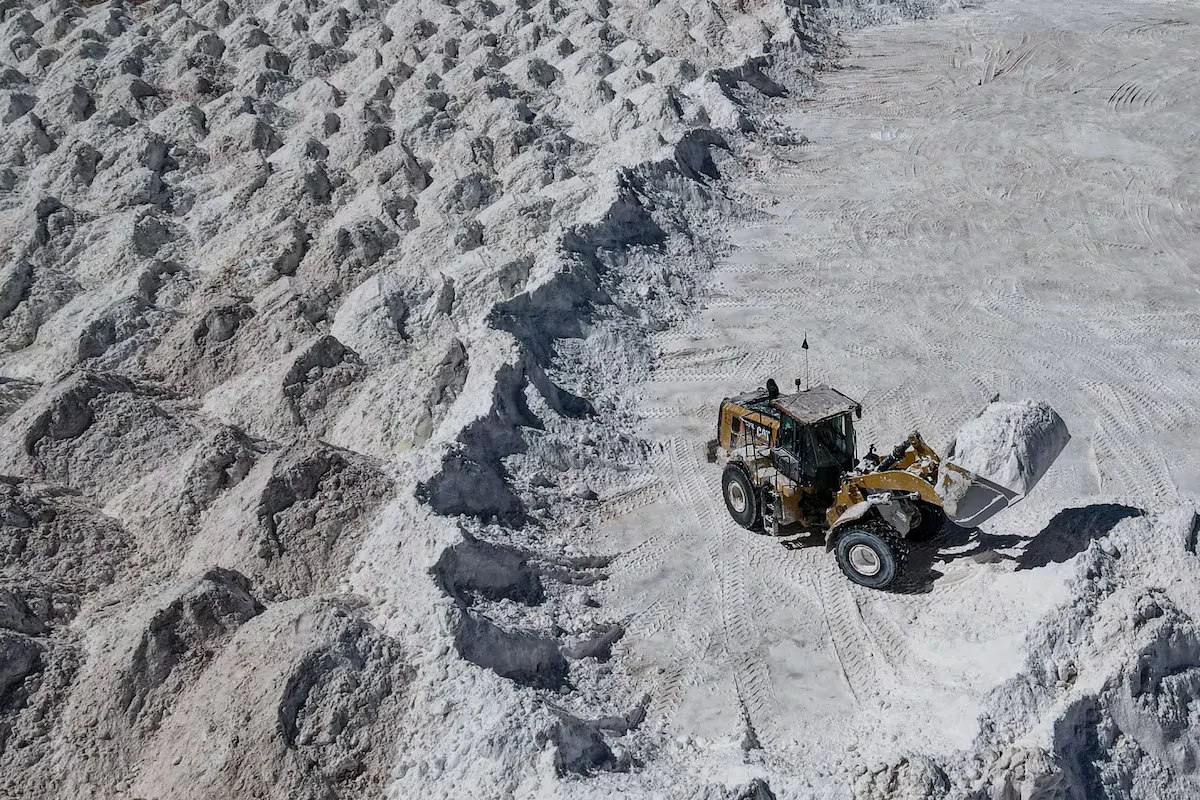
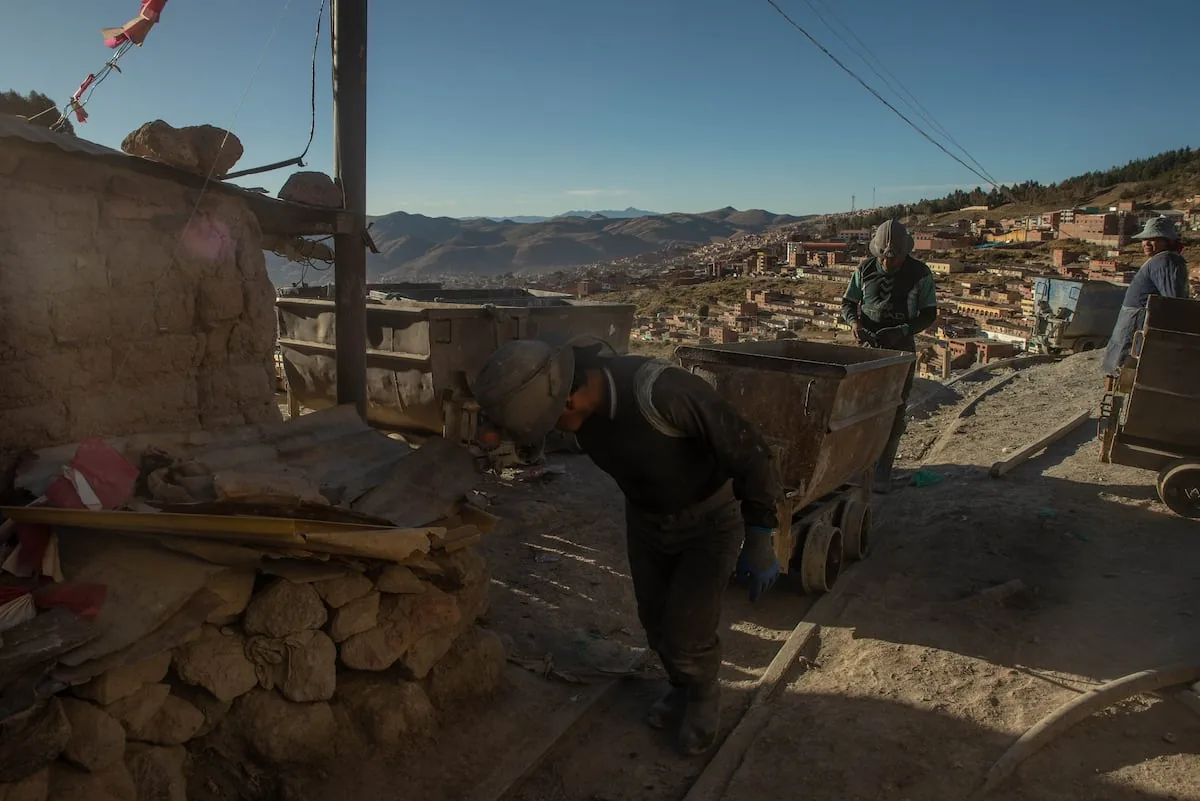
Chile seeks to recover critical minerals from its mountains of mining waste, also known as tailings, amid concerns that re-exploiting these materials could also harm nearby communities and the environment. Tailings are mixtures of ground rock and water left over after extraction in a mine. They resemble gigantic mountains of gray sand. Currently, there are 836 such deposits throughout Chile —according to the National Geology and Mining Service (Sernageomin)—, although they are mainly concentrated in desert regions like Atacama, in the north, where vast mineral reserves have helped the country become a world leader in copper exports.
Communities have lived with these deposits for decades, but in recent years their potential value has changed radically: they could be full of critical minerals, such as cobalt and rare earth elements. These are essential for the energy transition, as they are needed for electric vehicles and renewable energy technologies. An analysis published last year in the journal Journal of Cleaner Production on a 1.7 million-ton deposit in Spain, for example, suggested it could produce 168 tons of rare earth elements on its own.
This has raised hopes that circular mining (reincorporating waste into the production cycle) could give a new use to the growing global accumulation of mining tailings. However, experts and environmental organizations argue that reusing this waste could cause pollution and affect water supply.
Luis Cisternas, a professor at the University of Antofagasta in the north of the country and a researcher at the Advanced Mining Technology Center (AMTC) in the Chilean capital, states that reprocessing tailings requires large amounts of energy and water: a particularly critical and scarce resource in the Chilean desert. If not rigorously managed, he says, this consumption could compete with the water needs of local communities and fragile ecosystems.
Hidden Gold
Last year, Finland’s VTT Technical Research Centre published an assessment of various secondary sources of rare earth elements and critical minerals, including red mud (bauxite residue) and recycled electronic waste. It considered tailings to have the greatest potential.
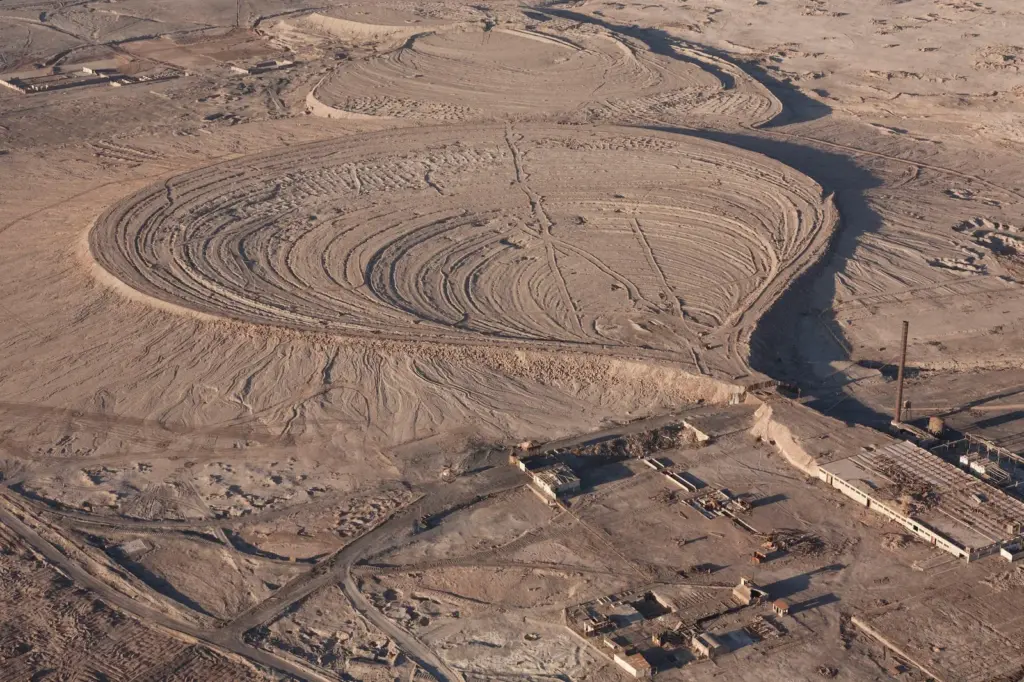
Aside from energy transition technologies and electric vehicles, critical minerals are integral to modern military equipment. A coalition of governments led by the United States and Europe, for example, has taken steps to diversify critical mineral supply chains, elevating countries like Chile to strategic importance.
Humberto Estay Cuenca, director of the AMTC, states that the country has a unique opportunity to further consolidate its status as a mineral supplier, “if this is combined with a value extraction strategy and socio-environmental solutions.” However, he warns that the economic viability of “low concentrations” of minerals in tailings will pose a challenge.
Nevertheless, Sernageomin is allocating more resources to tailings deposits: in October 2025, it launched a National Geological and Mining Risk Observatory. Sernageomin geographer Silvia Arce is the technical director of the project. “We want to establish a monitoring system that allows us, as a state, to have operational control, or a reflection of what is happening in each mine,” she explains to EL PAÍS. An example of successful tailings extraction is Minera Valle Central, in central Chile. High-pressure hoses are being used to convert the deposits back into sludge, allowing for the recovery of minerals. These include copper and molybdenum, the latter used in steel alloys.
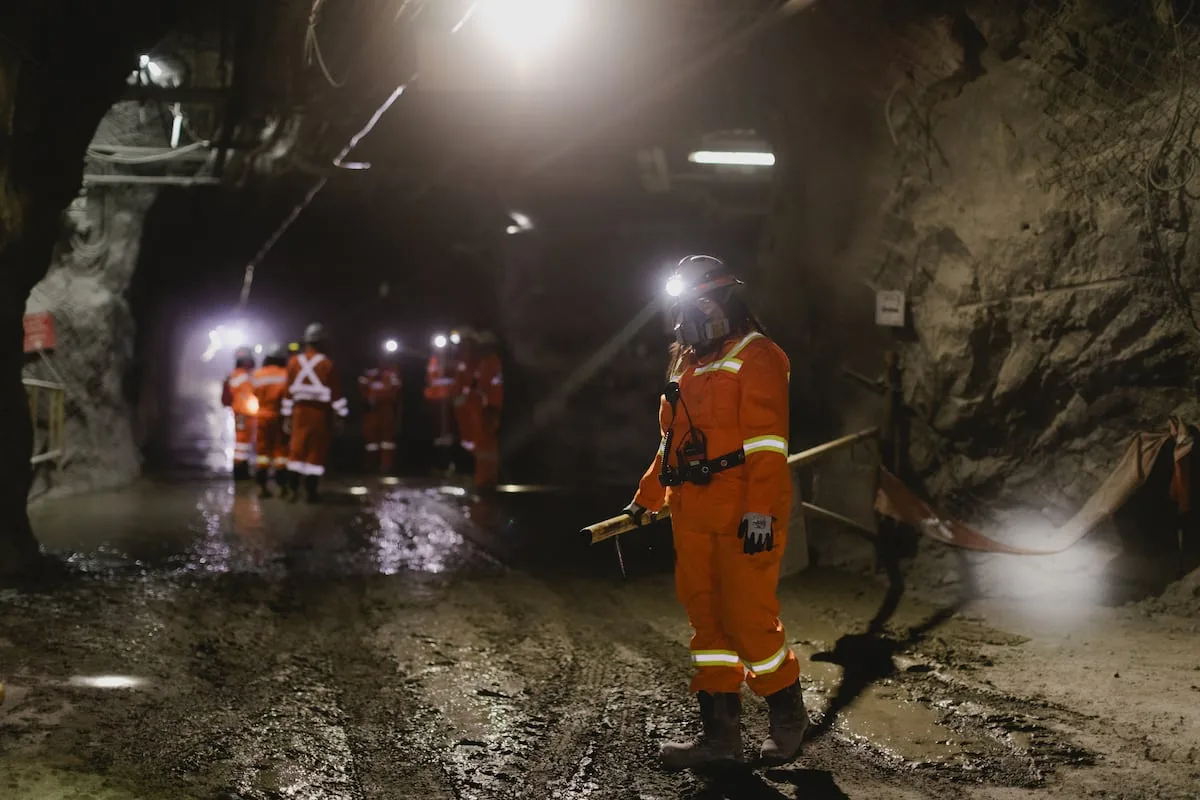
“This is reprocessed and sold on the market,” explains Cristóbal Carrasco, an engineer with the service. He states that the hydraulic method reduces risks for workers by avoiding direct contact with these unstable mountains of tailings. But implementing this technique poses a “great challenge,” according to Cisternas: “Each tailings deposit has a particular mineralogy. That means there is no one-size-fits-all solution.”
The researcher also warns that the process must be extremely rigorous if potential chemical impacts are to be contained: “Sometimes, rare earth elements are accompanied by radioactive isotopes that could be released into the environment if the resumption of activity does not have dedicated studies.”
Regulatory Barriers
Chile’s regulatory procedures are trying to catch up with this potential. Amendments to the regulations governing the design, construction, and operation of tailings projects are currently being debated. The new rule seeks to promote the reprocessing, reuse, and relocation of tailings, as well as to provide Sernageomin with more inspection and management tools. “The idea is to give any person or company the opportunity to intervene in a tailings deposit, safeguarding its physical and chemical stability,” explains Carrasco.
Read more Milei, corruption, and the end of libertarian innocence
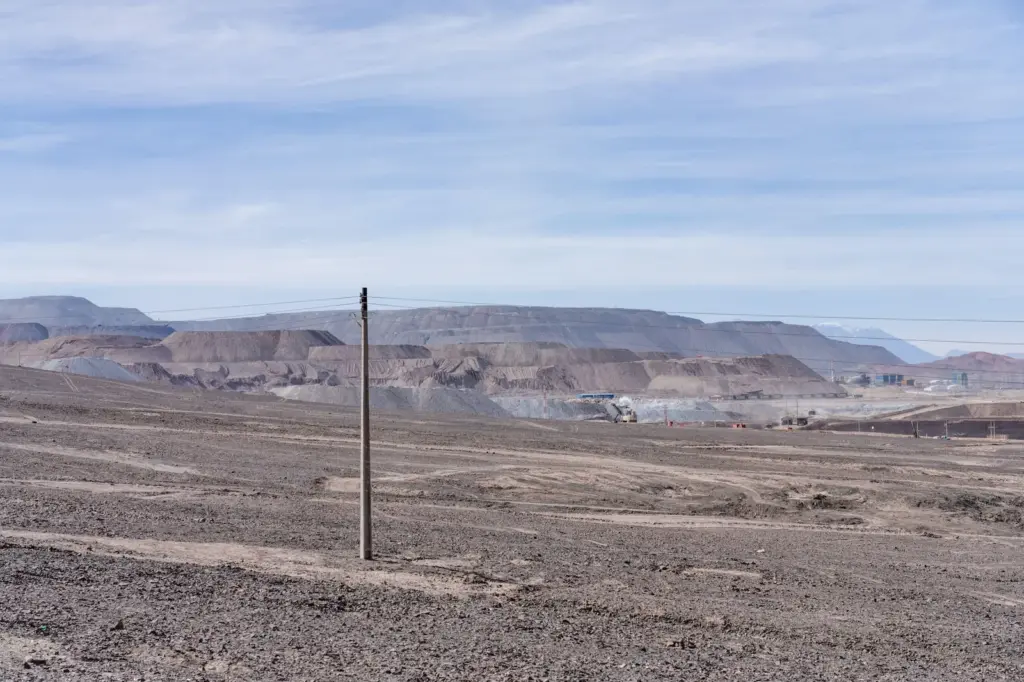
Currently, evaluating a tailings deposit requires practically the same complex and costly permits as opening a mine from scratch. For this reason, the new regulations would introduce the concept of “extraction deposits,” thus distinguishing the simple accumulation of tailings from the activity of mineral recovery. This would streamline permitting processes, reducing bureaucratic costs and facilitating investment for small companies or local innovators.
This bureaucracy, however, has not prevented some pilot initiatives from emerging: in Tierra Amarilla, a mining community in the Atacama region, tests have been carried out to make bricks from tailings. The problem is that these initiatives still represent a tiny fraction of the millions of tons of tailings generated by copper mining each year.
The Threats
In 2024, the Minera Cenizas deposit, in the Valparaíso region, generated an incident of material emptying and dragging during heavy rains, downstream. The impact was immediate: solid tailings material flowed through the streets of nearby towns, damaging homes and triggering an environmental alert. Following these events, the Superintendency of the Environment (SMA), the body responsible for environmental oversight in the country, fined the company.
Of Chile’s 836 tailings deposits, about 80% are inactive or abandoned. Through its latest tailings policy, the Ministry of Mining is trying to identify their owners through studies of mining property. Many belong to companies that are inactive or no longer exist; their owners have disappeared or died, leaving the state in charge of managing their risks. This situation also limits the government’s ability to act to secure deposits and manage risks, such as physical damage caused by earthquakes or acid drainage. The latter consists of chemical contamination of groundwater when water comes into contact with these minerals and produces acid.
The private sector can also contribute to ensuring the safety of tailings dams. Mario Escobar is a specialist in digital tools for water management and quality at the Chilean company Blue Mining, dedicated to optimizing water use in mines. He argues that, given that copper prices are currently at historic highs, investment in safety is essential. But he also states that the main challenge in the region is its “access gap,” a combination of high implementation costs and insufficient technological infrastructure that is holding back small and medium-scale mining companies.
In response, some software companies have developed tools that use artificial intelligence algorithms to monitor the stability of tailings and predict possible failures in the event of earthquakes or torrential rains. This digital monitoring is complemented by satellite images, which can detect minimal changes in moisture levels or deformations in abandoned tailings: information that is useful for remote areas that human inspectors often cannot reach.
Environmental Concerns
For communities near tailings, the possibility of collapse —combined with the risk of exploitation— can fuel a constant sense of vulnerability.
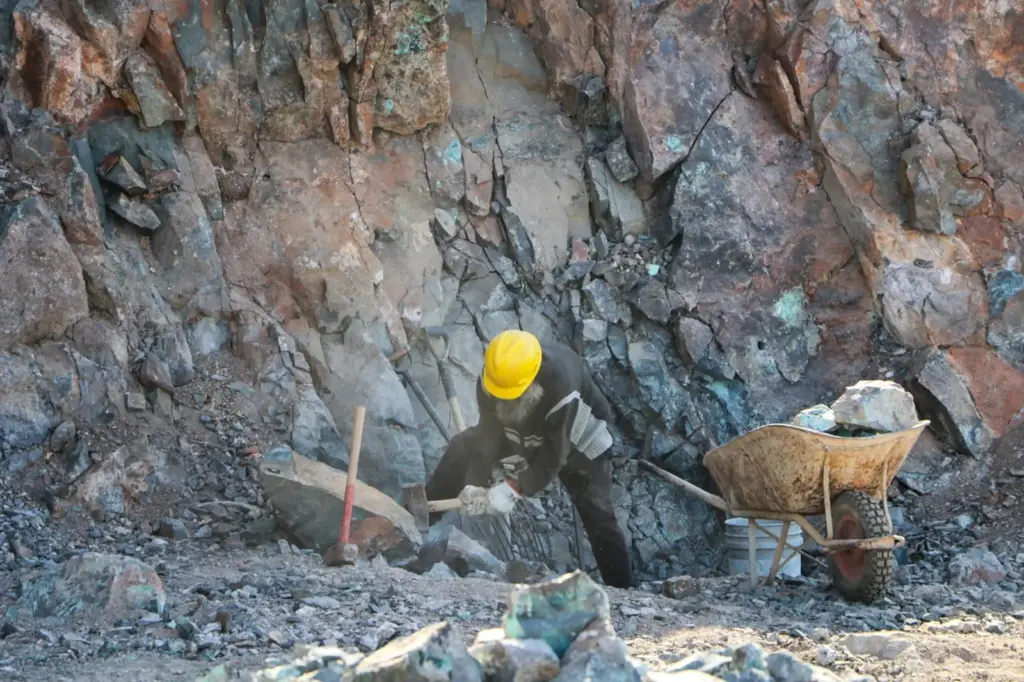
Michael Lieberherr, a researcher at the Chilean NGO Ecosistemas, warns that saturated deposits have turned some localities into environmental “sacrifice zones.” He adds: “The fear is not only of collapse, but of the persistence in the ecosystem of heavy metals that have never been remediated.”
Manuel Cortés, president of Chadenatur, also shares the concern. He is part of this environmental group that represents the coastal city of Chañaral, in the north of the country, marked by decades of mining contamination. That is why he views the growing interest in tailings with caution: “Generally, the main interest is to exploit the minerals that interest companies.”
Many residents fear that any promise of environmental rehabilitation will simply be used as an excuse to reopen old sites without fully addressing potential health effects. In addition to filtering harmful substances into the environment, tailings have been linked to respiratory diseases due to the dust they release. A study published by the journal Minerals in 2024 warned that reprocessing tailings could lead to increased water consumption. It also pointed to the possibility of toxic substances being released, which could have “negative environmental consequences.” It recommended the continuous improvement of these technologies, focusing on environmentally friendly methods. Furthermore, there are concerns about financial viability: the same analysis published in Journal of Cleaner Production on deposits in Spain suggests that the costs derived from rare earth extraction were not offset by their value.
Circular mining promises to turn a historical environmental liability into a new source of strategic resources. But, as some experts warn, its viability depends on whether the reprocessing of tailings eliminates the type of environmental and social risks that dot the mining history of northern Chile, rather than simply reproducing them.
Read more The Petro Government adds another internal fight in its final stretch