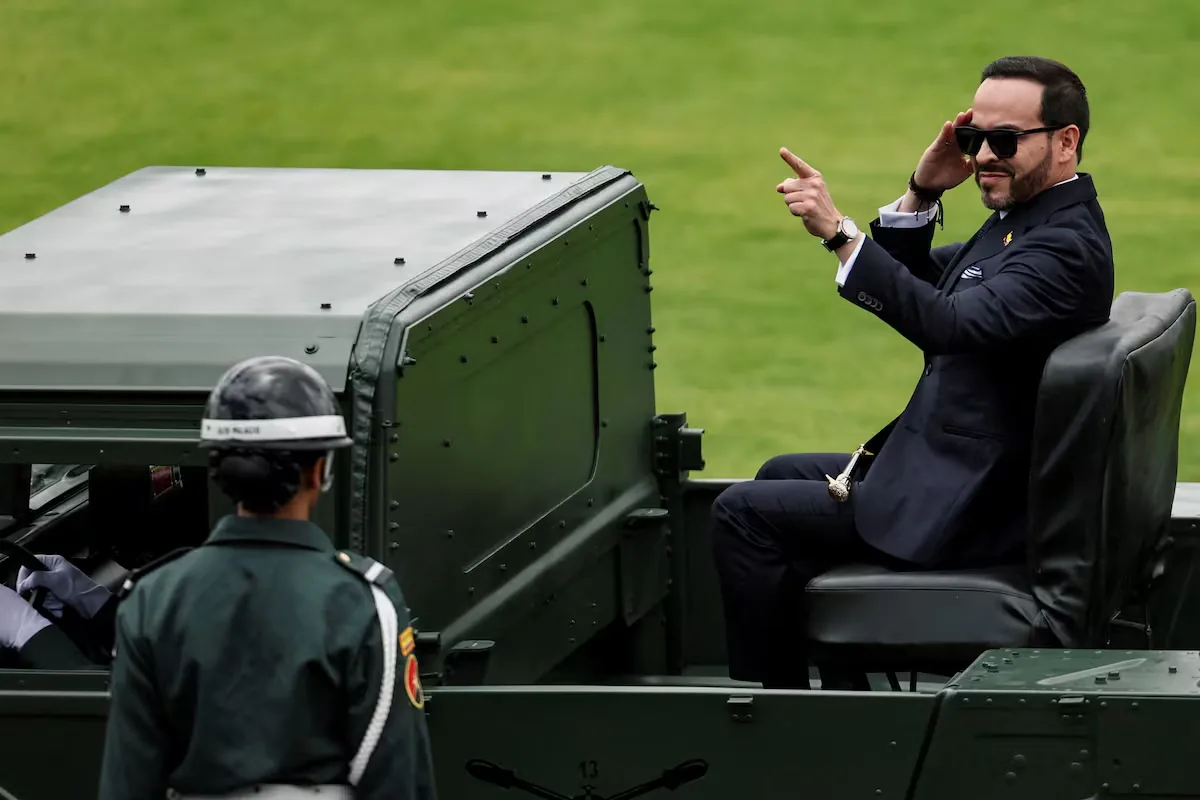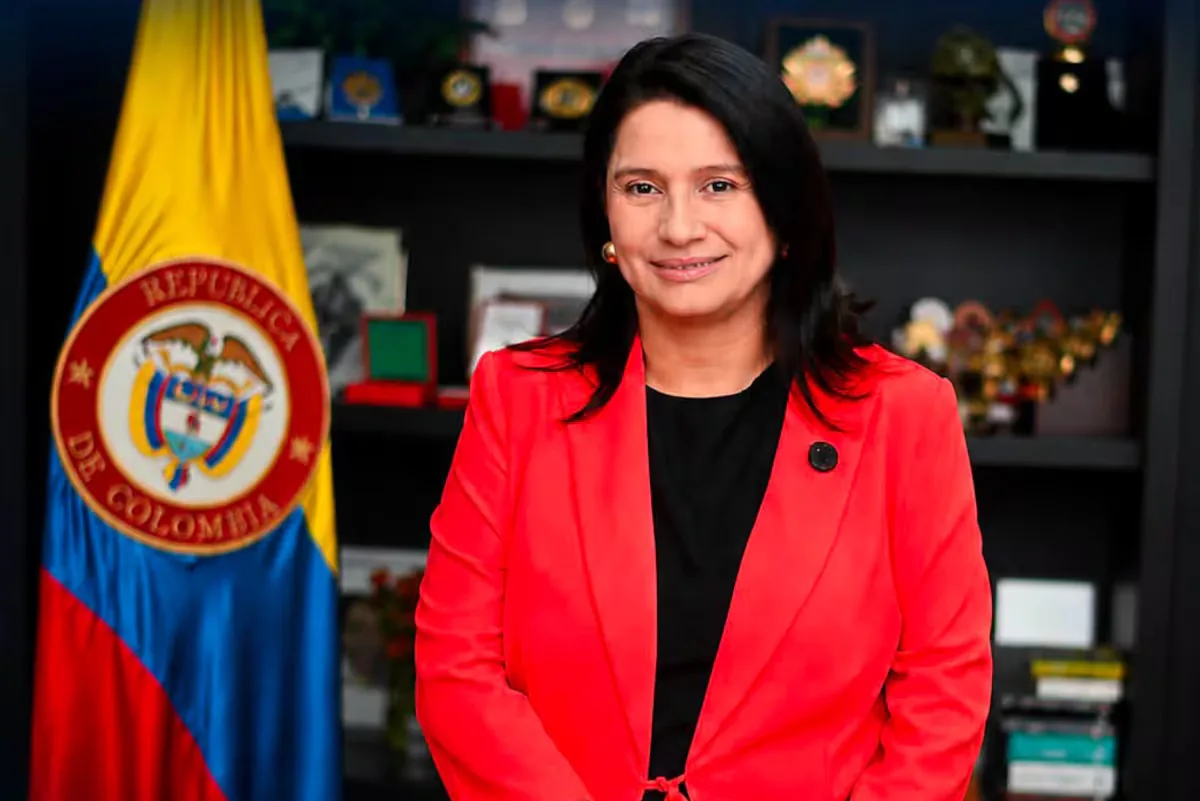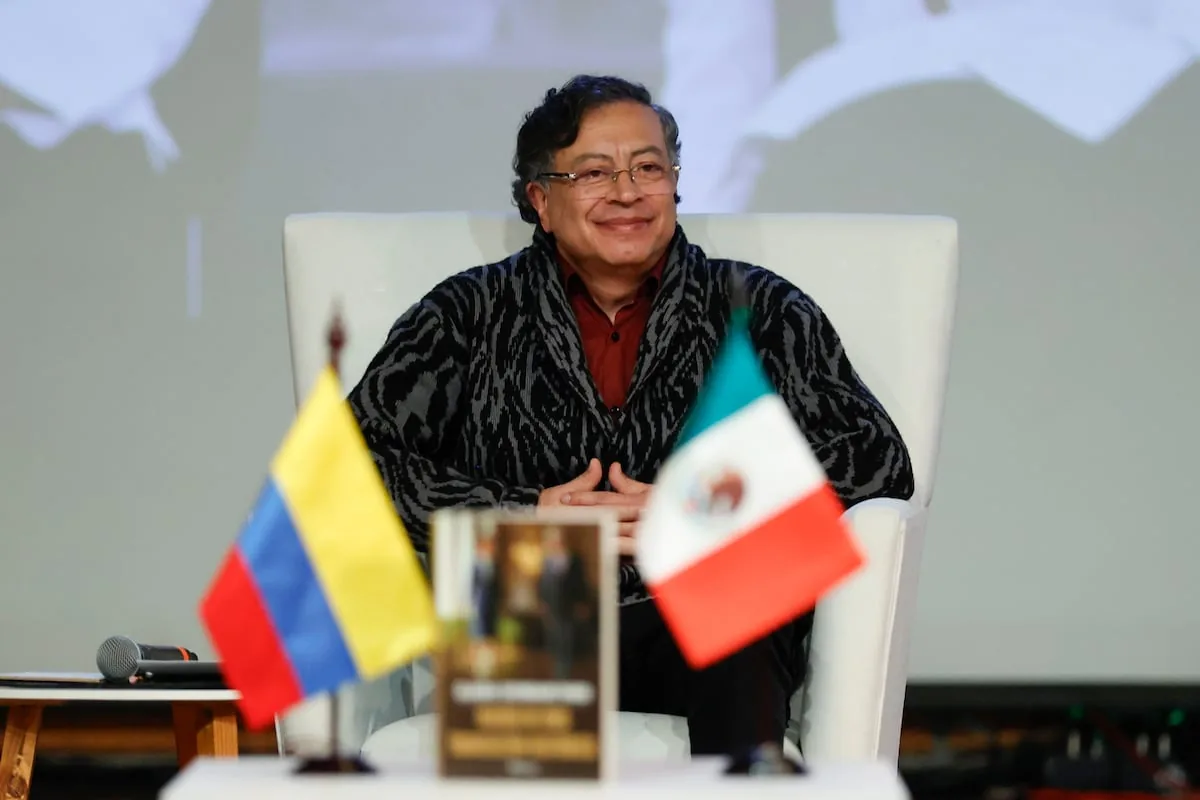






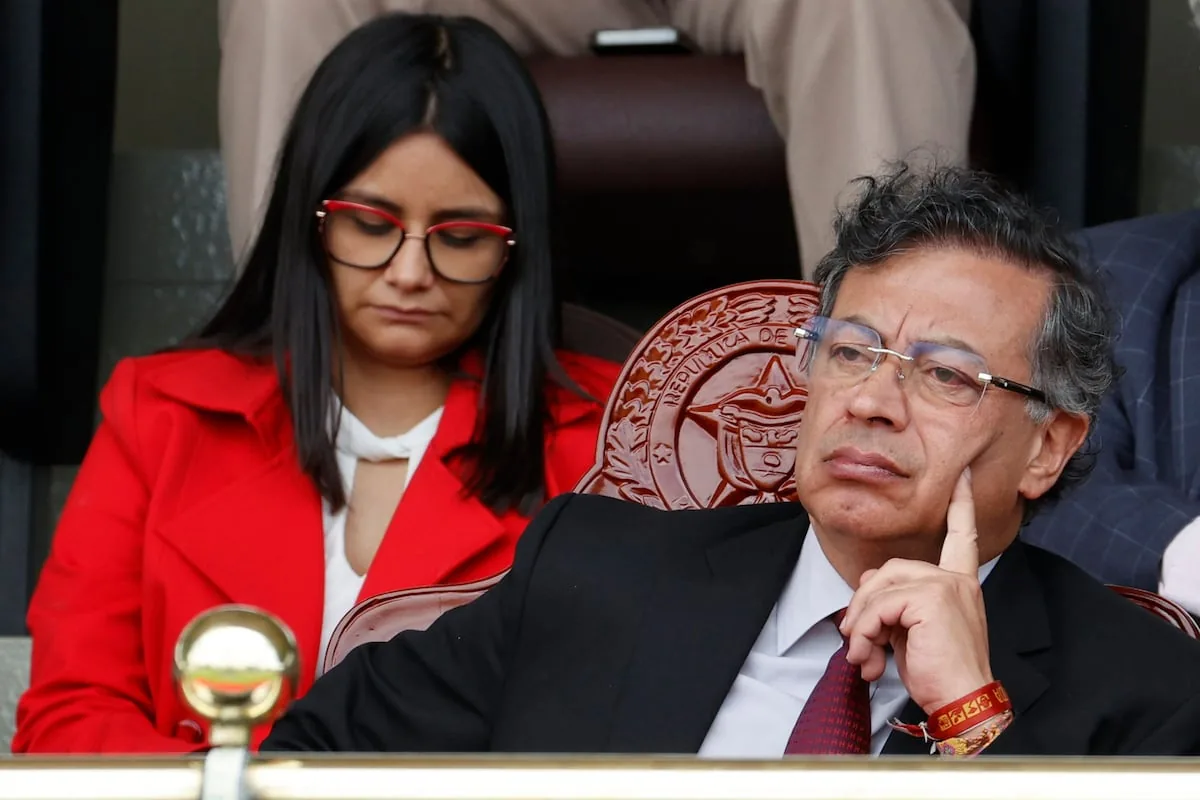
Three and a half months before the end of his term, President Gustavo Petro’s government runs the risk of being remembered as one where the most powerful officials spent a good part of their time publicly fighting with their colleagues, as if it were a reality show. Or, as the left itself admits, they spent time managing “friendly fire.” This week, the protagonist of the fight is a woman who was part of the left-wing president’s inner circle. It is not Laura Sarabia, who was the most powerful woman in the cabinet and ended up in an embassy after a tough fight against the current Minister of the Interior, Armando Benedetti. The protagonist is Angie Rodríguez, who replaced Sarabia in the management of the Administrative Department of the Presidency and then lost the president’s trust. Behind that distrust, says the current manager of the Adaptation Fund, there is a plot of 20 officials of different ranks, “an alleged conspiracy to commit crimes within the Casa de Nariño,” she states.
Read more The Government uses the operation in Chihuahua against drug trafficking to hit the opposition
Among all those names, Rodríguez highlights three: Carlos Carrillo, director of the National Unit for Disaster Risk Management (UNGRD); Juliana Guerrero, a young woman close to President Petro and his delegate to the Superior Council of the Popular University of Cesar; and Raúl Moreno, presidential chief of staff. The still-serving official accuses them of threatening her, extorting her, and spying on her. And she claims that they have told Petro lies about her, after she accused them before the president of being incompetent (Carrillo) or falsifying documents (Guerrero).
This Wednesday, Rodríguez sent the president a message that has been heard from other officials. “President, listen to what I am telling you, because I believe you are being deceived,” she tells the president in an interview, and states that those involved in the plot she denounced convinced the president that she is involved in smuggling and allied with paramilitaries. Sarabia had said something similar when she left the Foreign Ministry: that Petro was being deceived by officials like pastor Alfredo Saade, a former chief of staff.
Fights between ministers and presidential advisors are accumulating. Former Minister of Commerce Luis Carlos Reyes, for example, last year denounced former ambassador Roy Barreras, Petro’s advisor in the presidential campaign, for threatening him to appoint someone from his line to the Customs directorate, when Reyes was in charge. The former Minister of Justice and anti-corruption czar of the Presidency, Andrés Idárraga, denounced that the Ministry of Defense, headed by retired general Pedro Sánchez, was spying on him.
The one who appears most in this pattern of friendly fire is Minister Benedetti. Former Minister of Justice, Ángela María Buitrago, left the government last year when she denounced that he, along with Angie Rodríguez, pressured her to appoint people to various positions in her portfolio. The next Minister of Justice, Eduardo Montealegre, called Benedetti “corrupt” and a “puppet.” And the head of the National Protection Unit and personal friend of Petro, Augusto Rodríguez, said in a televised council last year that Benedetti was linked to a scheme in which the “smuggling czar,” alias Papa Pitufo, tried to finance Petro’s campaign. Vice President Francia Márquez, in the same council of ministers, protested Benedetti’s presence and suggested that he was generating blackmail.
Read more The president of the Bolivian state oil company resigns less than a month after taking office
Precisely, the biggest fight of the four-year term was that between Benedetti and Sarabia. She joined Petro’s campaign in 2022 alongside the veteran politician, who had been her boss, and then he became angry when she became the president’s right-hand woman, while he was put in charge of the embassy in Caracas, far from the Casa de Nariño and the center of power where he longed to be. “You’re worth nothing” and “now I’m really threatening you, you son of a bitch,” are among the phrases the current minister said to the current ambassador, who denounced him for gender violence.
Petro has had ideological disagreements with other former ministers, such as Alejandro Gaviria of Education (after a disagreement on health reform); José Antonio Ocampo of Finance (on the issue of appointments to the Banco de la República), or Cecilia López of Agriculture (on an expropriation policy). But what goes from Laura Sarabia to Angie Rodríguez crosses the line from disagreement to criminal complaint between officials of the same government, who accuse each other of being corrupt and violent. Even in a corruption scandal involving the National Unit for Risk Management (UNGRD), the former director of the entity, Olmedo López, has pointed fingers at officials close to Petro, such as former Minister of Finance Ricardo Bonilla, and former DAPRE director, Carlos Ramón González.
In none of these cases have there been accusations against the president. The exception to the rule is former foreign minister Álvaro Leyva, who has accused his former boss of being erratic in his duties due to an alleged drug addiction and claimed to have evidence, which he never handed over to the Prosecutor’s Office.
“Any friendly fire always causes harm,” admitted Senator María José Pizarro, head of debate for the ruling party’s presidential candidate, Senator Iván Cepeda, after Rodríguez’s interviews. “In our government, we will not allow these types of situations,” she promised regarding the many situations to be remedied in a four-year term in which the Casa de Nariño. “In my government, we will create a National Anti-Corruption System that will be implacable,” the candidate promised. Of the internal criticisms, he said nothing.
Read more Mexico against Turk: The reality of the disappearance crisis prevails