








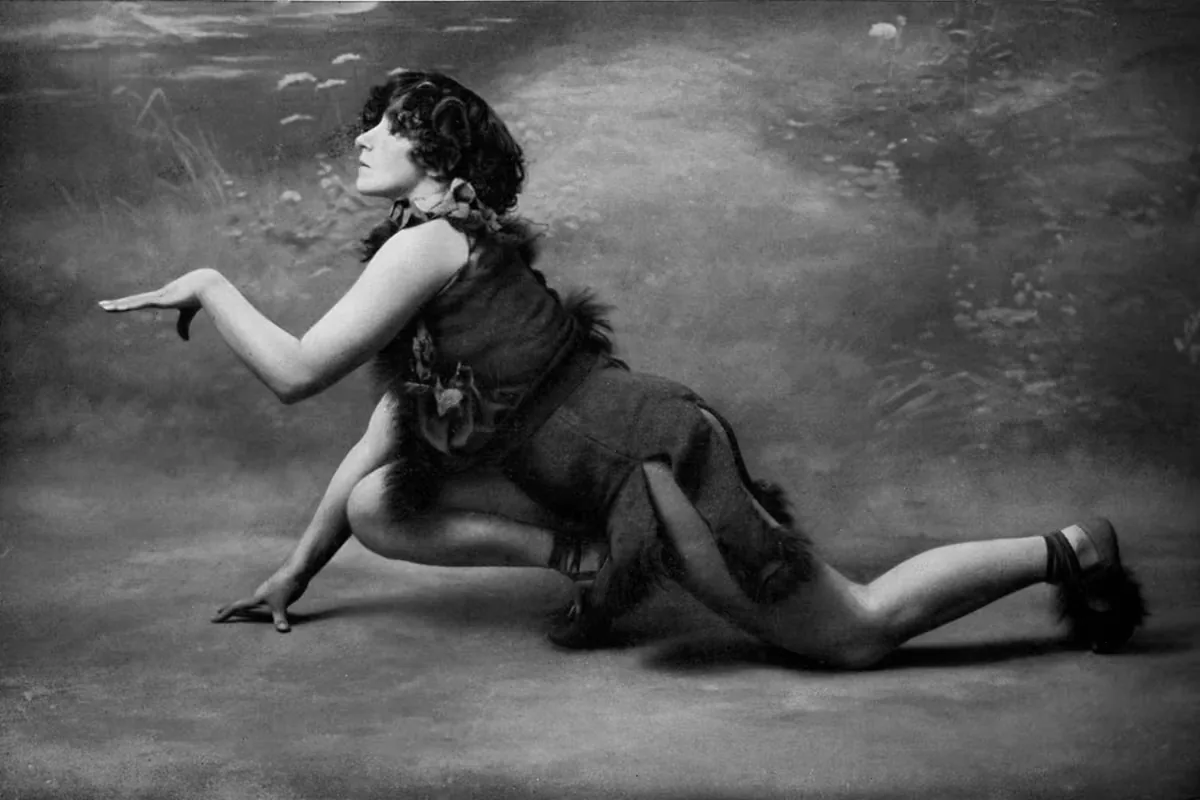
There are two things that Colette’s characters do very well: sex and eating. In the first, they are refined, elegant, avant-garde, ambiguous, and rich in perfumes, mirrors, and disguises. In the second, they are rustic and essential, gobblers of grandmother’s meals with lots of fat accompanied by large slices of rye bread. An example is this café de portera that the almost gigolo Chéri has for breakfast in the novel he stars in: “A creamy and sweetened coffee with milk that had to be reheated after adding some buttered toast crumbs that were cooked to pleasure and formed a succulent crust on the surface of the coffee.” A real guarrindongada worthy of David de Jorge and, according to cardiologists’ associations, a crime against the arteries.
Read more Lake Ontario and the growing frustration with big tech companies
I spent the summer reading Colette (1873-1954), that sensual glutton who confused the pleasures of the bed and the table, a writer from a century ago who sounds more modern than the most modern today. A feminist icon who said that politics was a boring boys’ thing and a hedonist who lived through and narrated two wars and gave recipes on the radio of occupied Paris laughing at rationing. Her interventions began like this: “Take six or eight eggs, if you can find them.”
In a relentless summer in which the four horsemen of the apocalypse set fire to Europe to then cross to Ceuta without a day of respite, Colette’s literature has given me happiness, emotion, joy, and peace. I have not stopped being serious nor treating the hells of the present with the required attention, but when I lay down to read Chéri or Sido or La gata or the Claudine novels I felt like an impostor: one must write like Colette — I told myself — not like an opportunistic and moralistic Hemingway. One must point out what is important, not just what is urgent.
Read more The debate | When should this legislature end?
Colette lived in times much more seismic than the current ones (although I have already spent three summers feeling that they are my last summer in peace) and she never gave up joy or beauty. While her colleagues became hysterical, faced off in factions, accused each other, and killed, she continued to advocate for pleasure and a mischievous, erotic, childish, and worldly way of living. Today, reading her politicized contemporaries can be a torture similar to enduring a six-hour mass, while Colette reaches us fresh, as if the ink in the notebooks she wrote in had not dried, and her words delight and challenge us as no words from the most committed and stern intellectual ever will.
Read more Leaving Ceuta on my own feet: «I can’t take it anymore, I’m leaving. I still don’t know why I came»