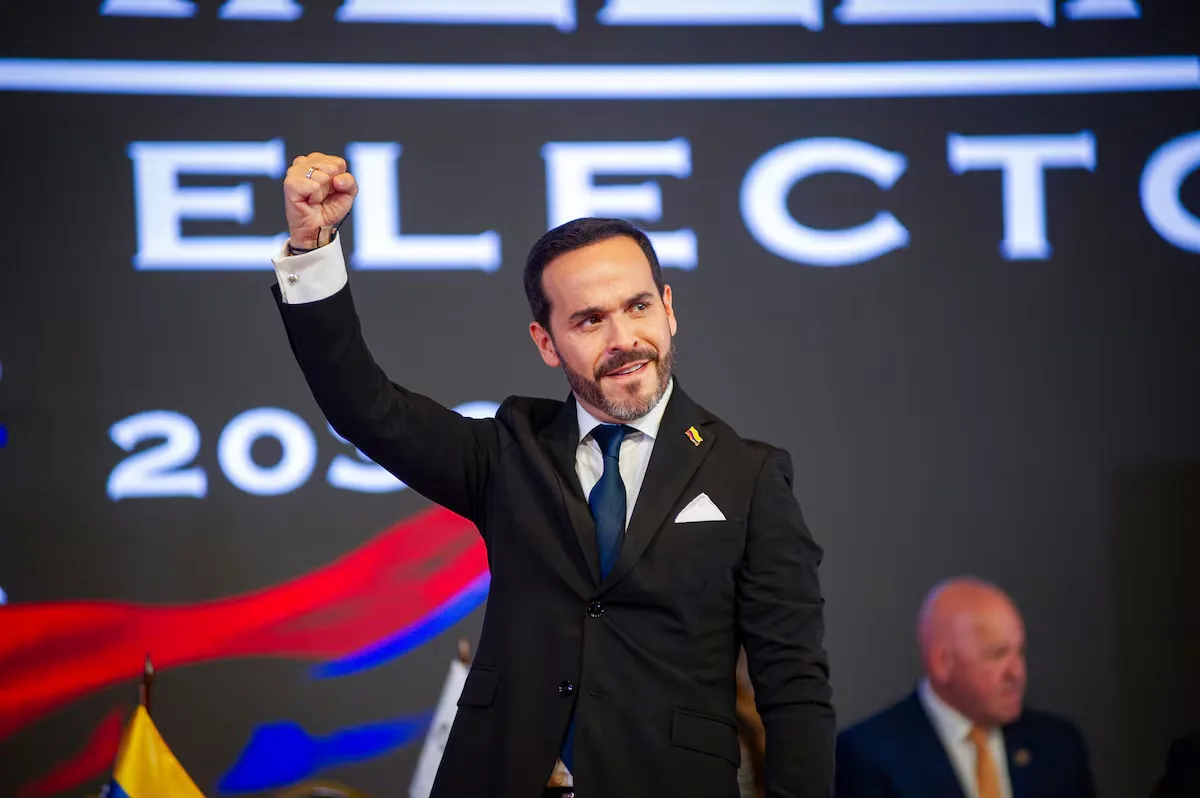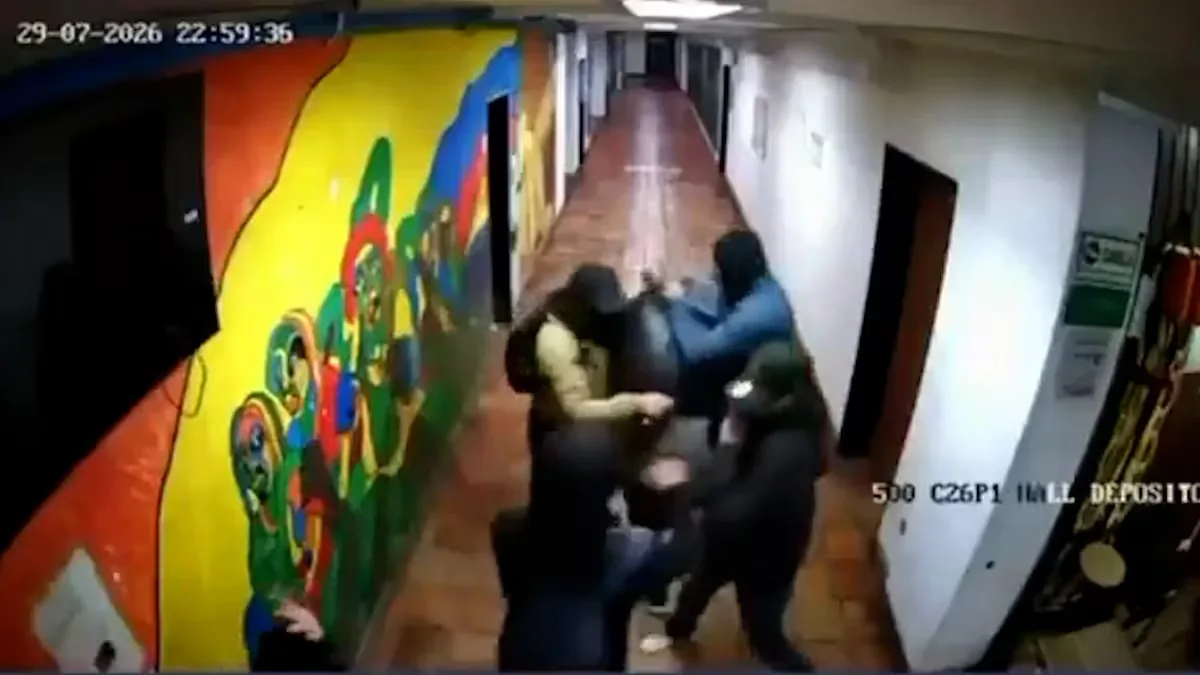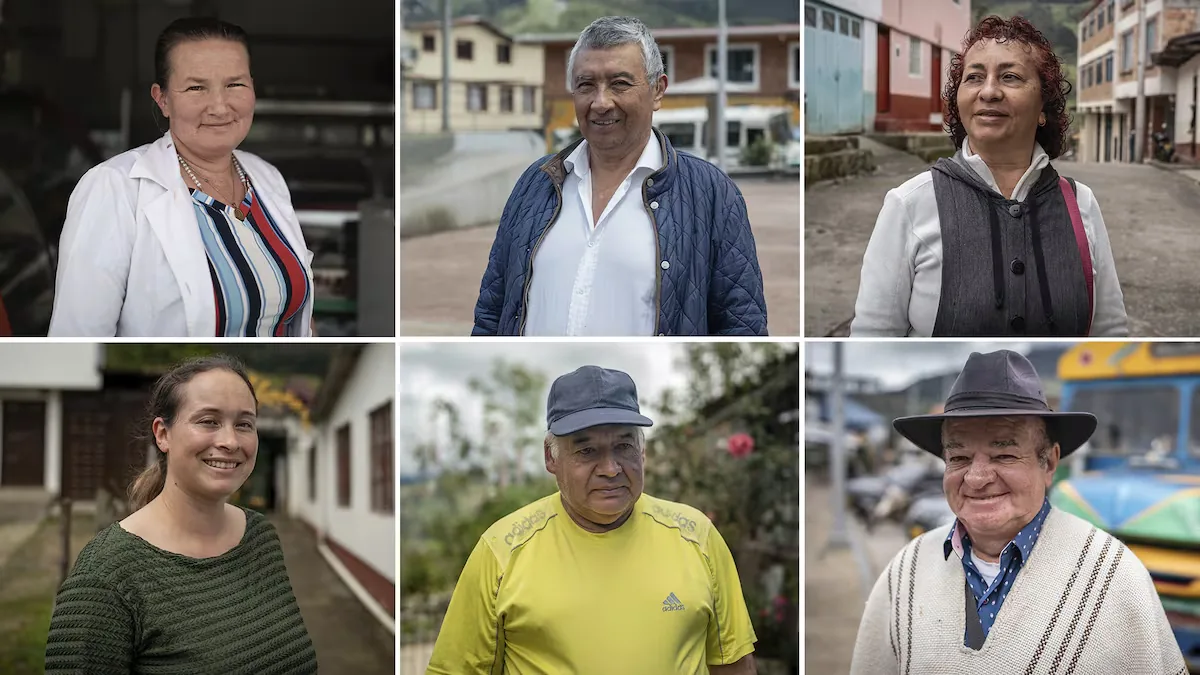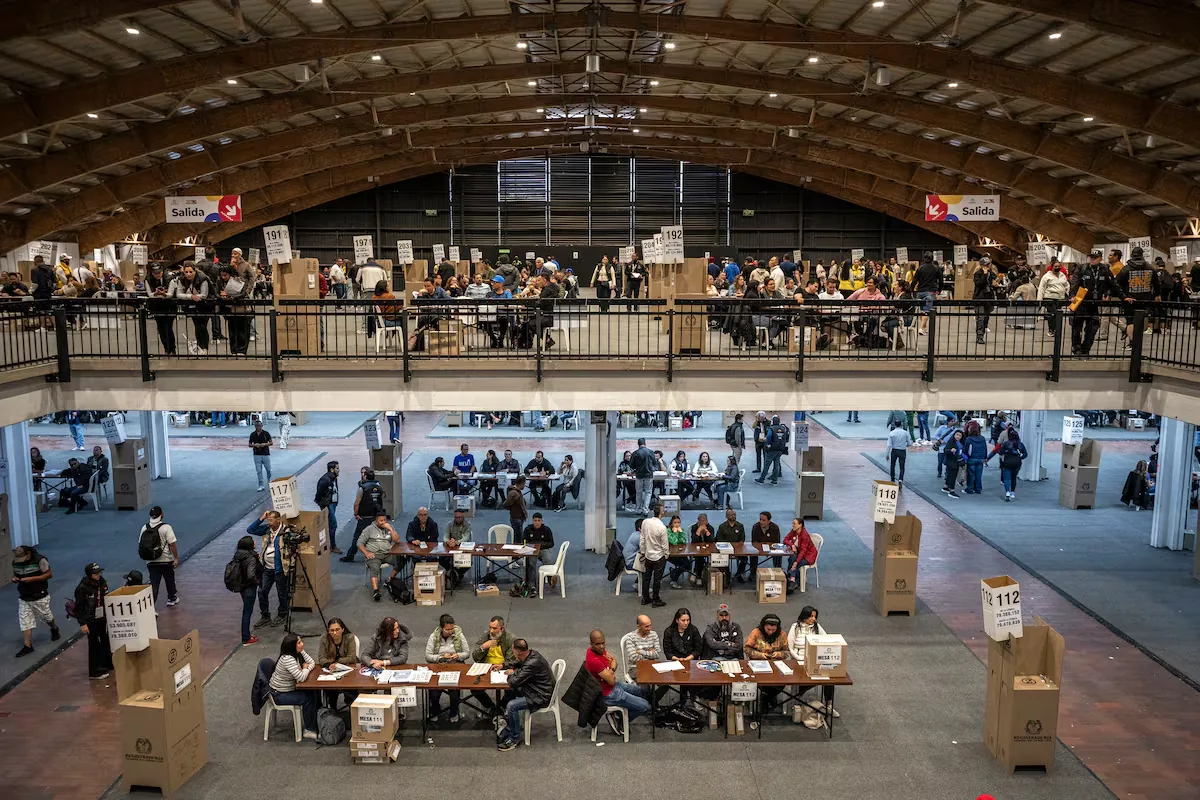







For years, campaign advisors have fought to slip in messages that reflected the essence of their candidates — like Obama’s ‘Yes we can’ — but today they fight to produce 20 videos a day. The message matters much less now than that one-and-a-half-second hook that decides whether someone keeps watching or moves on to the next. Politics, which first learned to speak to reason and then to emotion, is now pure entertainment. Colombian elections — always marked by armed conflict — may be late to the phenomenon, but they have already fully entered the world in which Trump, Milei, or Bukele move. And just two weeks before the first round, it’s no longer that emotion rules, but that spectacle has prevailed. And in the circus of social media, dances, and sensational headlines, the best actor wins.
Read more Meat on the grill
It’s not a new phenomenon, but in Colombia it has never been so blatant. For decades, the armed conflict monopolized the electoral agenda and dominated the debate: the war ruled. The signing of the peace agreement with the FARC guerrilla, almost a decade ago, began opening that space and campaigns started to convince without delving too deeply into security. Or anything else. “Political communication went from being rational to emotional, and today emotion is just an ingredient within something colder: entertainment,” argues Ángel Becassino, advisor to candidate Roy Barreras and one of the most veteran strategists in the region. The strategist for Juan Daniel Oviedo, the vice-presidential candidate of Paloma Valencia, the Uribismo candidate, has called this phenomenon “the chaos of circus politics.”
The stage has several protagonists, but there is one indisputable one, one who doesn’t even run. Although the Constitution prohibits re-election, the outgoing president, Gustavo Petro, is the central figure of the campaign. All candidates define themselves for or against him. Every statement he makes drags the media and social networks. “The one who is campaigning is Petro,” sums up media analyst Omar Rincón. Eugénie Richard, a research professor at Universidad Externado de Colombia, translates it into numbers: 72% of those who say they will vote for Iván Cepeda, the candidate of petrismo, do so because they voted for Petro. “The voter in this country is called Gustavo Petro,” she illustrates. The president is taking advantage of his nearly 50% popularity to campaign for his political heir, a sober and serious man, allergic to showmanship.
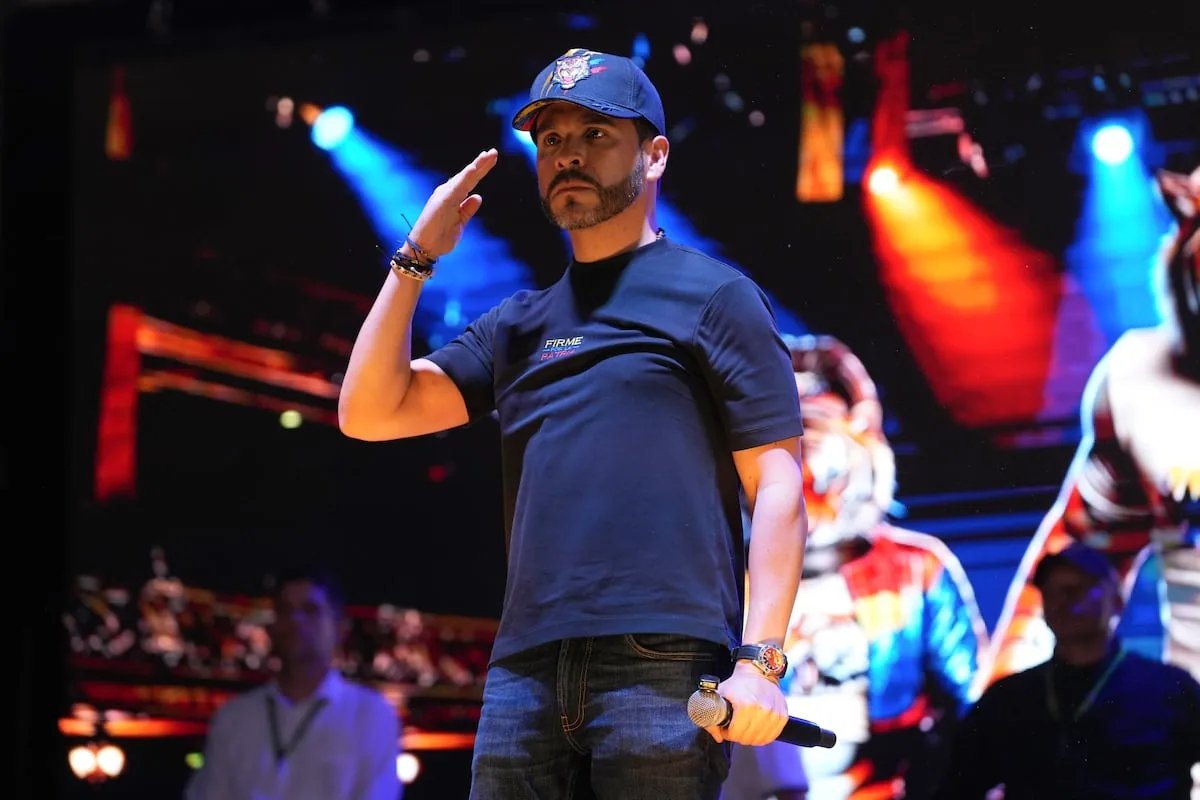
Candidates know that format rules, but not all know — or want — to inhabit it. And the one who shows the least shame and sparks the most controversy remains solid in the polls. Abelardo de la Espriella, El Tigre, the ultra who admires Trump, Milei, and Bukele, jumps from controversy to controversy without apparent consequences. This week he called a veteran journalist ignorant and bragged about his genitals in front of another, but the polls — both published and those circulating among advisors — show him rising while the rest either fall or stagnate. One of his campaign slogans — “one more stripe for the tiger” — doesn’t even talk about the country. It talks about his own brand.
The criminal lawyer turned presidential candidate faces Cepeda, the intellectual candidate who leads the polls and prefers to lose rather than give up his sobriety. He already warned when the campaign began: “I am not going to change.” The leftist candidate does not expose himself, barely gives interviews, does not improvise, reads his speeches, and is far from innovating in his wardrobe, but he aims to win in the first round this May 31. His leadership — although driven by Petro — is in this circus a case worthy of study.
Paloma Valencia, the other right-wing contender, has not quite hit the right tone while failing to surpass De la Espriella in the polls. “Abelardo has set the dynamic of putting on a show and it’s working for him. His leadership dragged the other campaigns into this dynamic. He pushed Paloma Valencia more to the center and forced her to build a much more moderate type of leadership, when she is anything but moderate,” explains Eugénie Richard.
Read more Recycling is not always as it seems
In Valencia’s campaign, the spectacle and viral videos were handled by her vice-presidential running mate. Juan Daniel Oviedo promised some show, generated noise, and brought energy where she did not reach, but they hid him. The reading of those who follow every strategic move is that the two figures were too contradictory, but without him, Valencia’s campaign lost spontaneity. In exchange, former president Álvaro Uribe gained prominence, recording videos and giving interviews to influencers. There is no evidence that it is working.
Although lagging in the polls, Sergio Fajardo, a university professor and former mayor of Medellín, is another example of a candidate who struggles to adapt to these new times. The centrist candidate, who presents himself as the alternative to the extremes in a polarized country, has tried everything to get his message across. He has gotten on a stationary bike, wielded a broom to sweep away corruption, pretends to have fun taking shots at a party. He has not succeeded and his electoral potential hovers around 5%.
Carlos Suárez, De la Espriella’s strategist, does not see any degradation in this way of doing politics. “Emotions and feelings are the trigger for any human decision, and voting should be no exception,” he argued on Hora 20 a few months ago. “We do everything in life with emotion. Why wouldn’t voting be the same?” The media, says Rincón, are part of the problem. “Trump is big because the New York Times makes him big. If for a week we stopped reporting on Petro — just facts, not his opinions on social media — the guy would disappear.” But no one can afford to stop.
The problem with entertainment is that it has an expiration date, warns Becassino. “Once you’ve seen the movie, you don’t watch it again. There is a need to constantly stimulate,” he argues. “De la Espriella experienced it firsthand: at one point the campaign hit a ceiling because it had run out of rabbits to pull out of the hat. It grew again not because he innovated, but because the others did nothing. In his case, people remain in love with the clown even if he repeats the same songs,” he sums up. The paradox of these spectacle elections is that, according to those who follow them closely, it is an extraordinarily boring campaign.
Behind that emotion and acceleration there is something that neither analysts nor voters have finished processing. “What has multiplied the number of contents is not just social media, that’s old news. It’s artificial intelligence,” explains Richard. Accessible to everyone, AI is capable of offering soap operas with fruits as protagonists, fictional debates, or viral dances with animals. Added to AI is an old acquaintance: the algorithm. It is estimated that there are 500 million posts daily on social media worldwide, with an average attention span of less than two seconds per post. “The algorithm rewards what goes viral fastest and viral tends to be the absurd, the provocative, the extreme,” describes Richard. Campaigns submit to that logic, and the more someone consumes a type of content, the more the algorithm proposes more of the same, and increasingly extreme. “Electoral communication is very profitable when it is polarizing and when it is extreme, but when one is already elected president, one needs to generate consensus,” explains Richard. “But how is someone who has dedicated themselves to dividing going to generate consensus?”
Read more Read to Grow: CAF’s Commitment to Culture and the Word