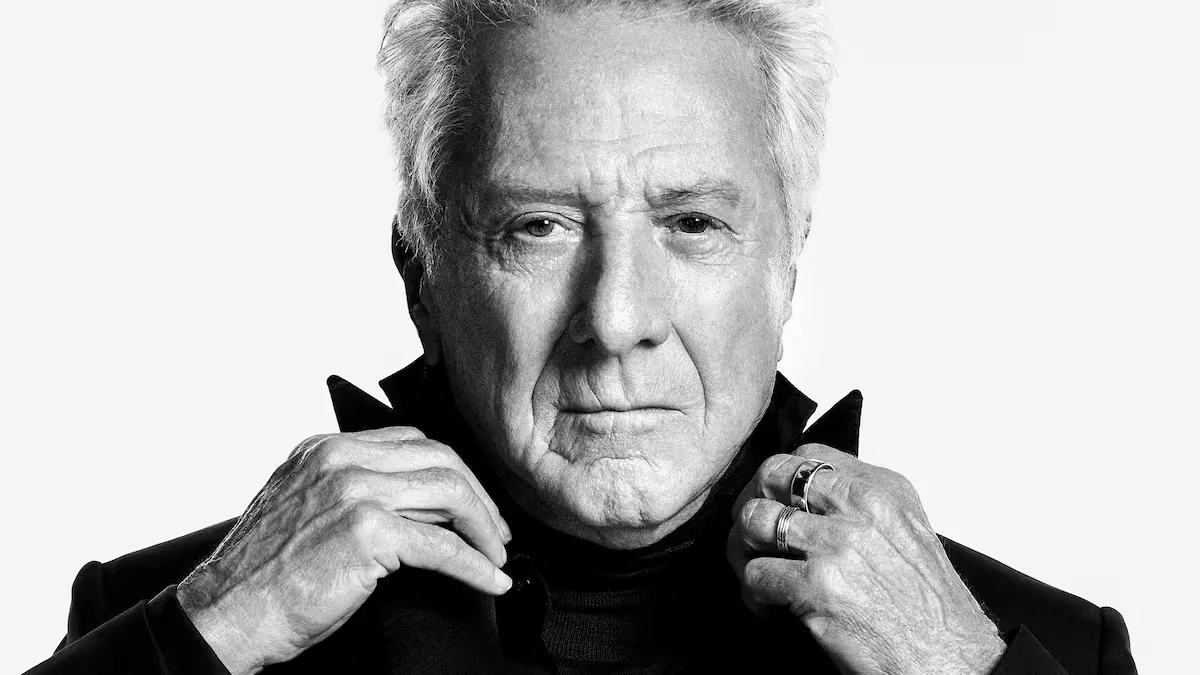
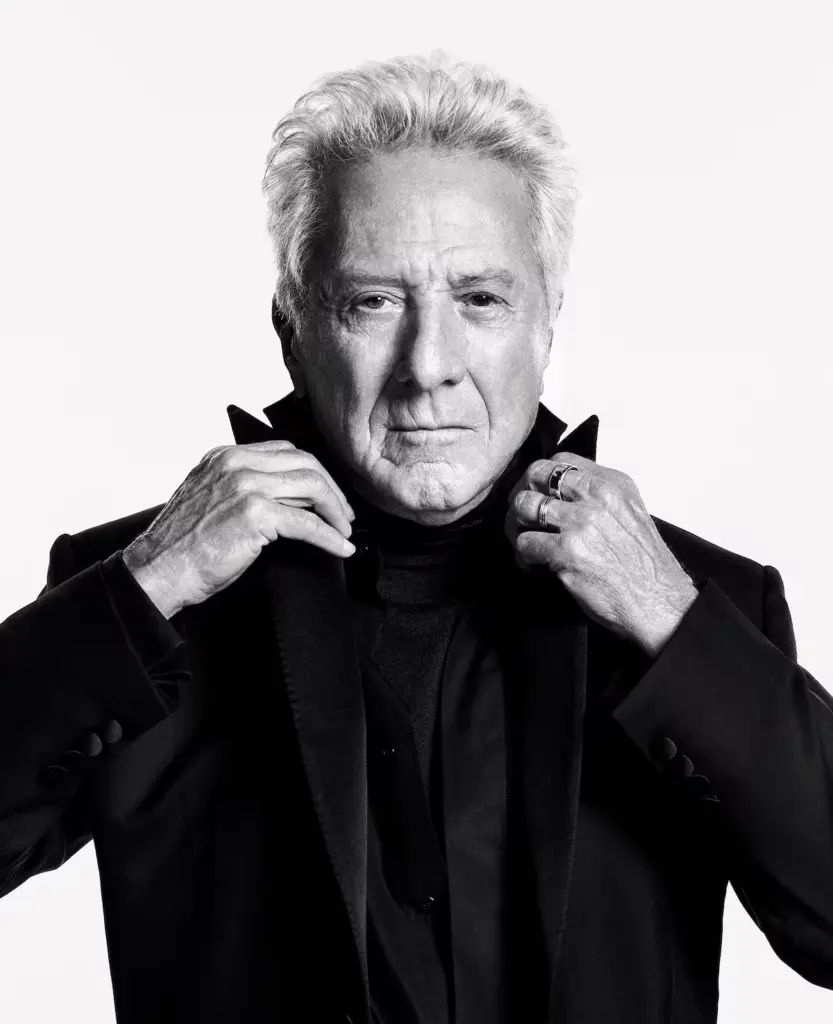
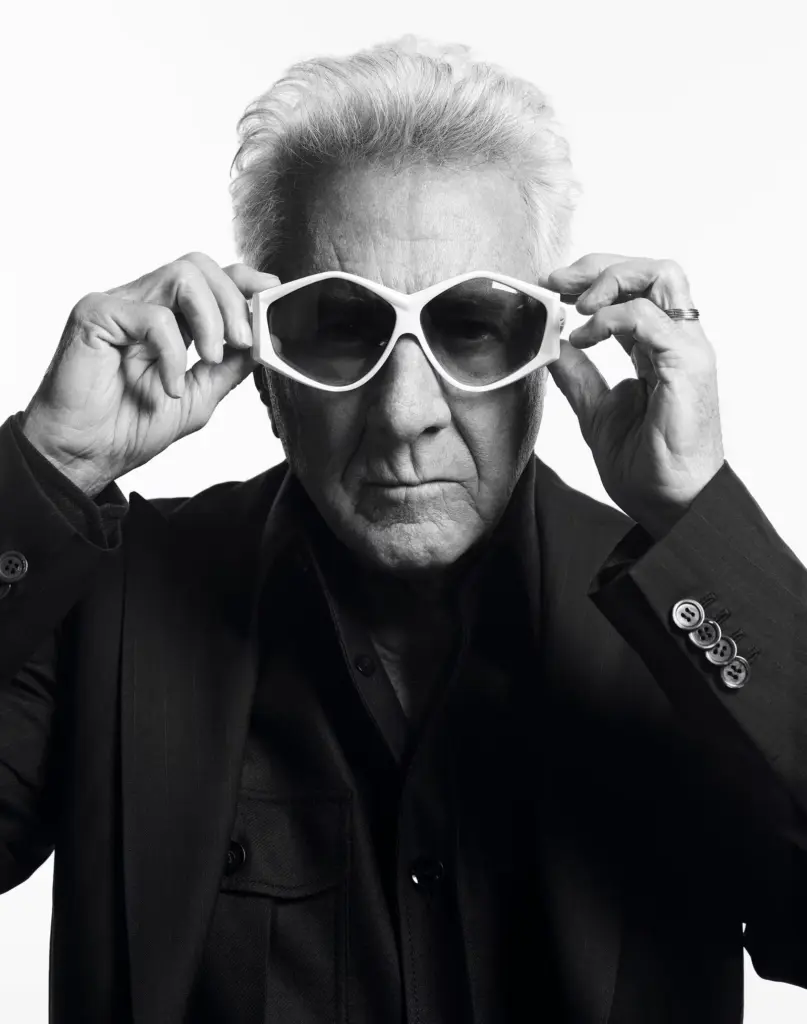
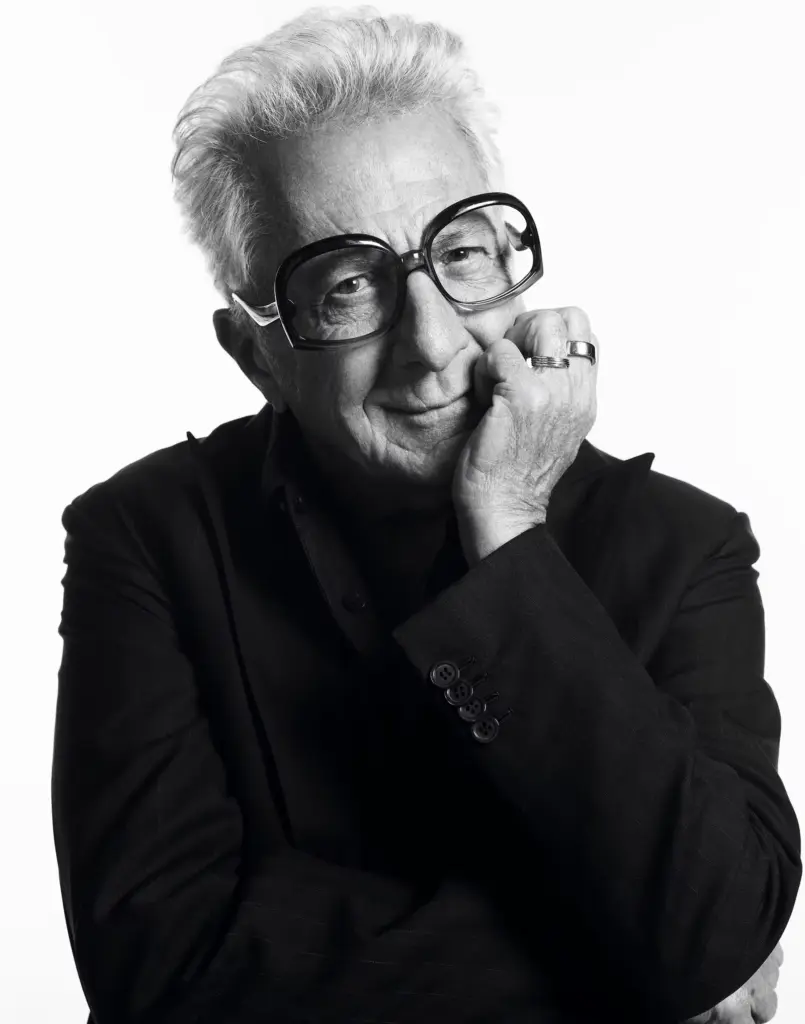
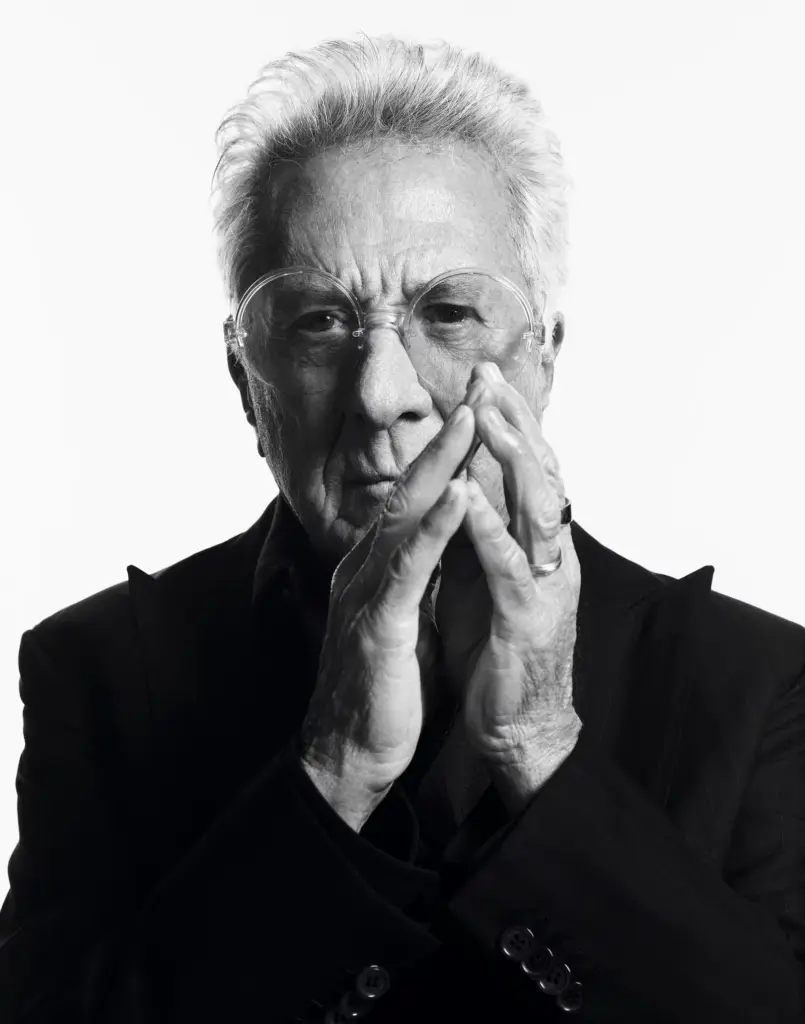
In 2027 it will be 60 years since The Graduate made Dustin Hoffman a star. Since then, few careers compare to his. That dazzling start was the beginning of the solid career of one of the most important actors in history. Today, this 89-year-old Californian has meticulously reviewed his career to write his memoirs, Look at me — published in the United States on November 11 — and says he looks at his younger self with pride. “I always had doubts about some of my performances, but when I rewatched the movies, I thought: ‘It’s pretty good. If I saw it in someone else, I would think so,” he says. And he adds: “Remembering younger versions of myself is like seeing another person at that moment in my life.”
Read more A shipping container turned into a home: story of the most special house in the Mar Menor
At first, no one bet on him. When he told his family he wanted to be an actor, he didn’t receive much support: his aunt Pearl told him directly that he wasn’t handsome enough. Possibly, what she also meant was that he wasn’t tall enough: heartthrobs of his generation like Warren Beatty or Sidney Poitier were close to two meters tall. But Hoffman, with his 1.65 m and his scared little bird look, helped redefine the image of the heartthrob when he became a key icon of that movement called New Hollywood. A cinematic revolution that emerged from 1967 that transformed the way films were made in the United States. Until then, the absolute control of the industry was held by the big studios, which were losing millions of dollars financing traditional musicals with aging heartthrobs that young people no longer wanted to see. Salvation came in the form of a new generation of young directors, influenced by European auteur cinema: George Lucas, Steven Spielberg, Francis Ford Coppola, Martin Scorsese, or Mike Nichols, who was 37 when he directed The Graduate (1967).
The film starred an unknown 30-year-old Hoffman. Until then, he had mostly worked on Broadway and was so nervous during his screen test that he forgot his lines. But his portrayal of Benjamin Braddock, a young college graduate seduced by the wife of his father’s business partner, showed a vulnerability, complexity, and contradictory appeal that distanced him from the image of the perfect movie star of previous decades. And he was tremendously seductive to a new generation of viewers.
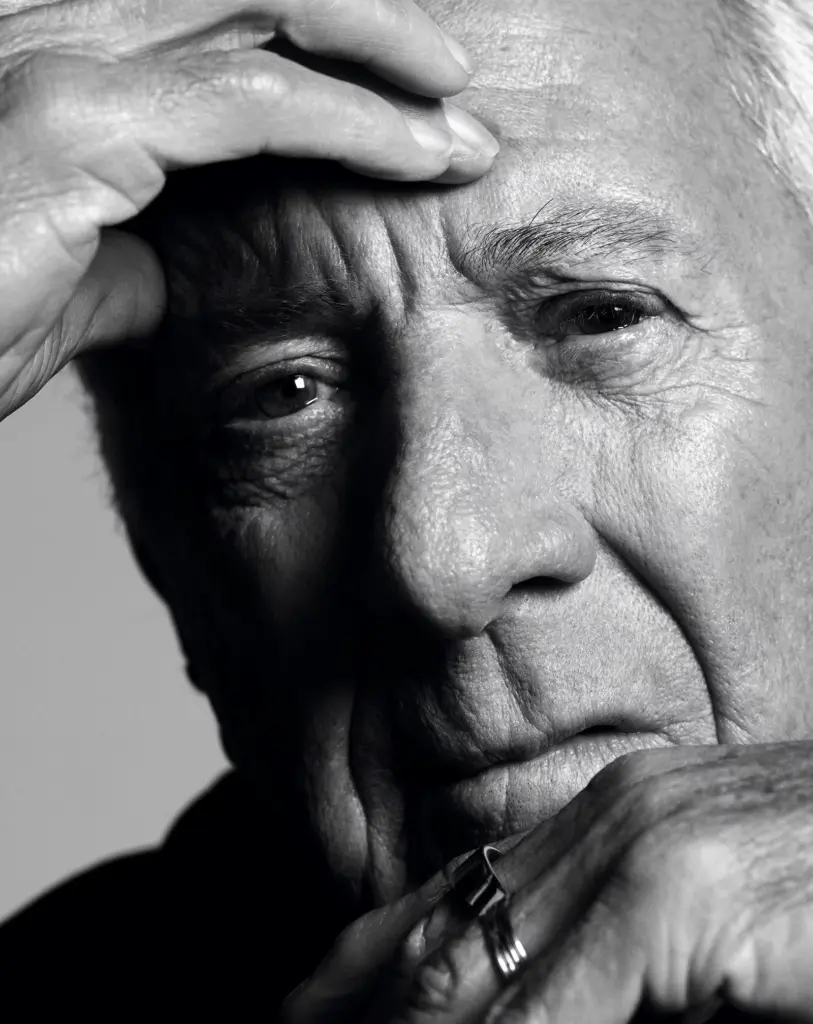
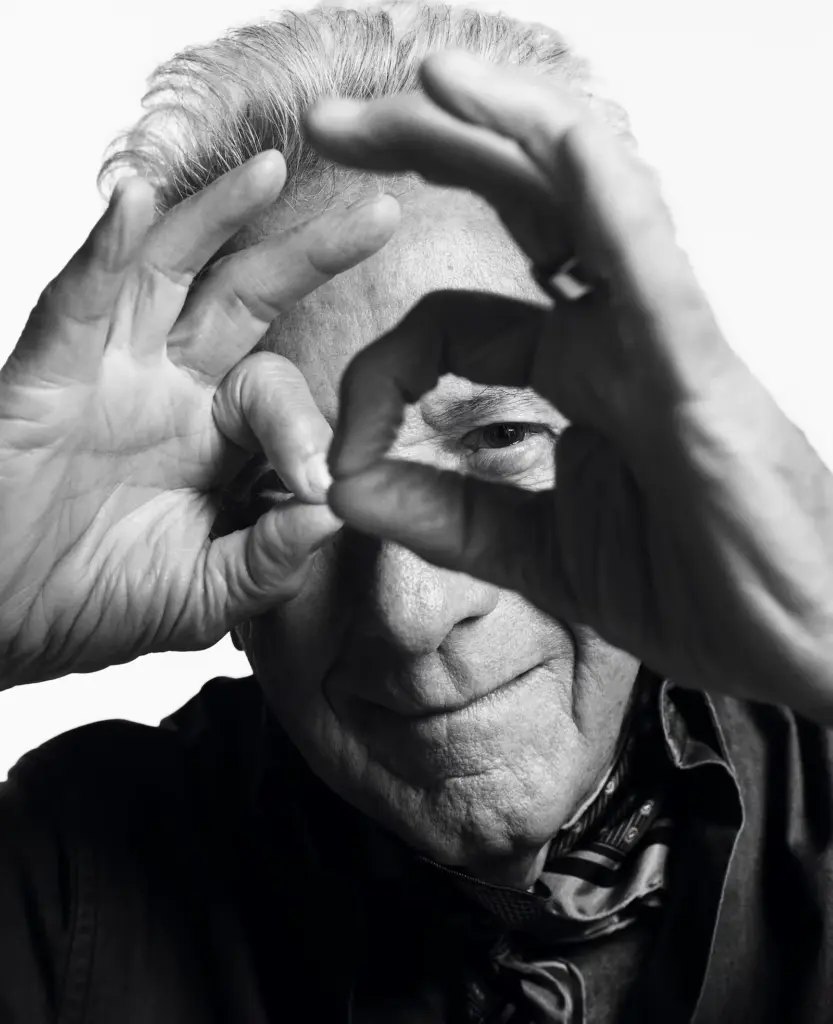
That success marked his path. Hoffman continued to bet on those neurotic, working-class antiheroes, or at least with problems typical of the average man. In an uninterrupted chain of memorable performances, followed Midnight Cowboy (1969), Little Big Man (1970), Straw Dogs (1971), Papillon (1973), Lenny (1974), All the President’s Men (1976), Marathon Man (1976), Kramer vs. Kramer (1979), Tootsie (1983), and Rain Man (1988). In 20 years, he received six Oscar nominations. He won two.
Hoffman had a huge influence on the film world, but he had never before told the most fascinating story of his six-decade career: his own. Writing his memoirs was not an easy task. While sitting down to recall his life, some of his close friends passed away. Among them Robert Redford, with whom he co-starred in All the President’s Men, a classic political thriller about Richard Nixon’s Watergate scandal that remains one of the best films about journalism ever made. “His death was a blow,” Hoffman recalls. “While writing the book, two other old friends also passed away, Gene Hackman and Robert Duvall, with whom I lived in New York when we were in our twenties and starting our acting careers. It’s strange to be the last of the three still alive.”
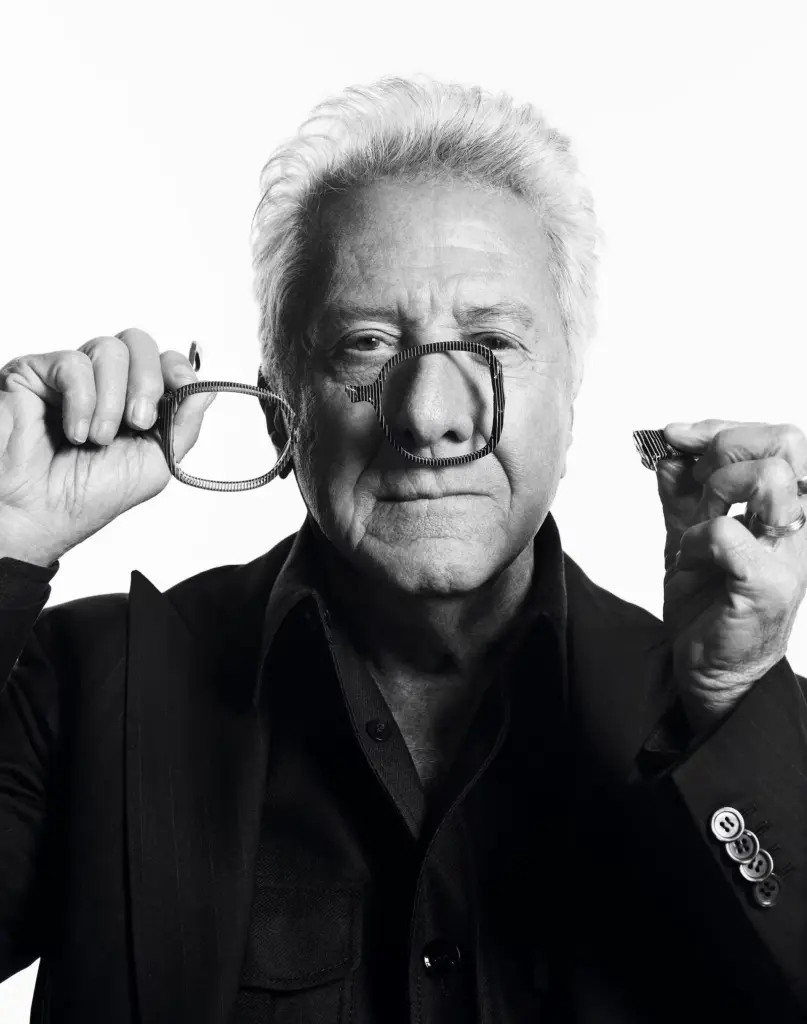
He had known Gene Hackman since the beginning of time: both were born in California and attended the same acting school in Pasadena. Gene, who had been a marine, was 26, Dustin 19. They say they became close because their classmates voted them “the two students least likely to succeed.” Hackman, expelled from that academy after getting the worst grades ever recorded by a student, was the first to move to New York to try his luck on Broadway. Two years later, Hoffman followed, moving into his friend’s tiny apartment. A few weeks later, Hackman, fed up with impossible cohabitation, sent him to live with another beginner who had a slightly bigger house: Robert Duvall.
Long before sitting down to write about himself, Hoffman dedicated his life to trying to decipher others. His performances became legendary for the deep emotional understanding that underpinned them. Whether because he researched his roles for months, questioned every line of dialogue until he found his own emotional truth and logical reasoning, or made an effort to dive deep into the psychology of his characters, Hoffman earned a reputation as one of Hollywood’s most meticulous actors. Director Sydney Pollack — who directed Tootsie, a film in which Hoffman plays an actor who can’t find work until he disguises himself as a woman to host a TV show — described the actor and his rigorous process as “impossible,” before adding: “Dustin asked a hundred questions. Ninety-nine of them were great.”
It was that same instinct — to thoroughly investigate every feeling of the characters — that ended up shaping the way Hoffman approached his own memories. “My mind wanders and feelings accompany me on the journey,” he says about the process of writing his memoirs. “The book is structured thematically rather than chronologically, because that’s how I remember my life and the films I’ve been in. When you reach your eighties, your memories stop being a linear progression… All the people you have been and all the work you have done become a mosaic in your mind, and mosaics move. It sounds a bit psychedelic. But that’s what it’s like to be eighty-nine, at least for me.”
Read more The summer with the most drownings on record: how to recognize someone in danger?
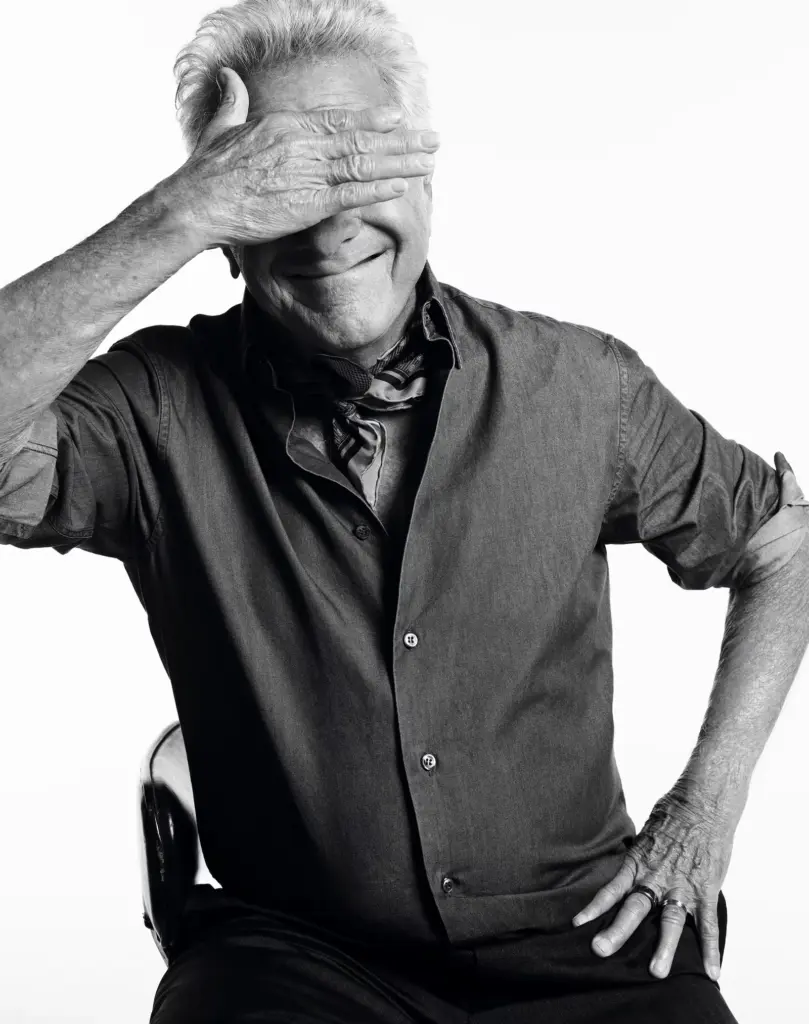
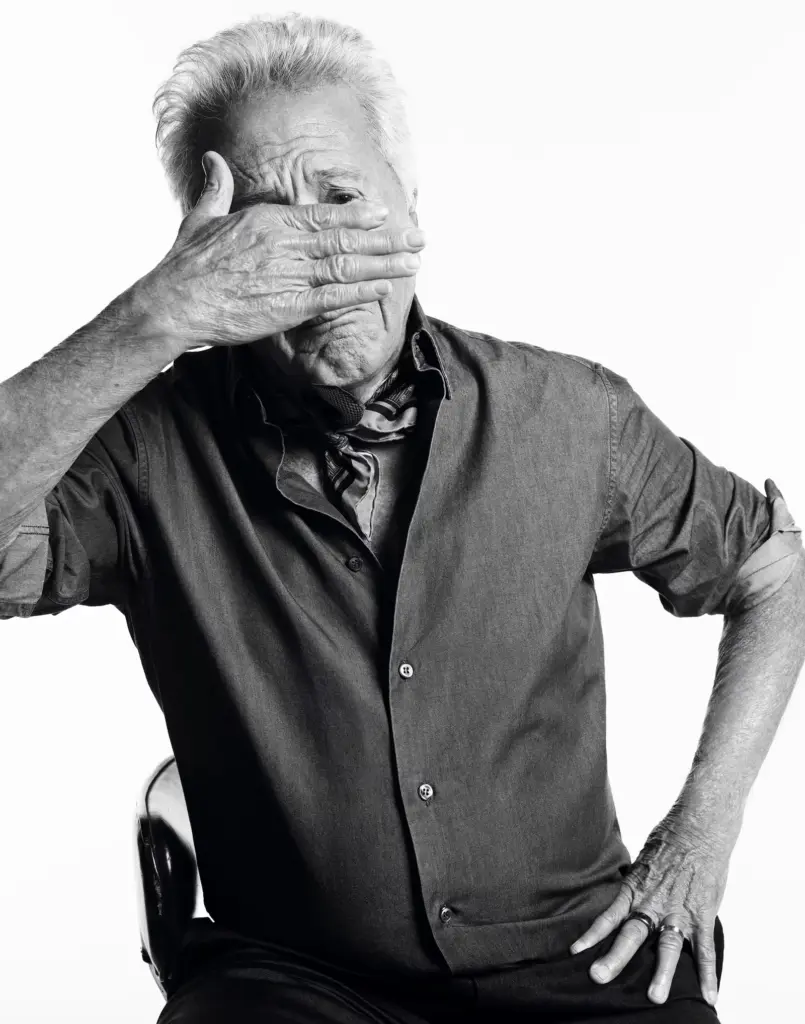
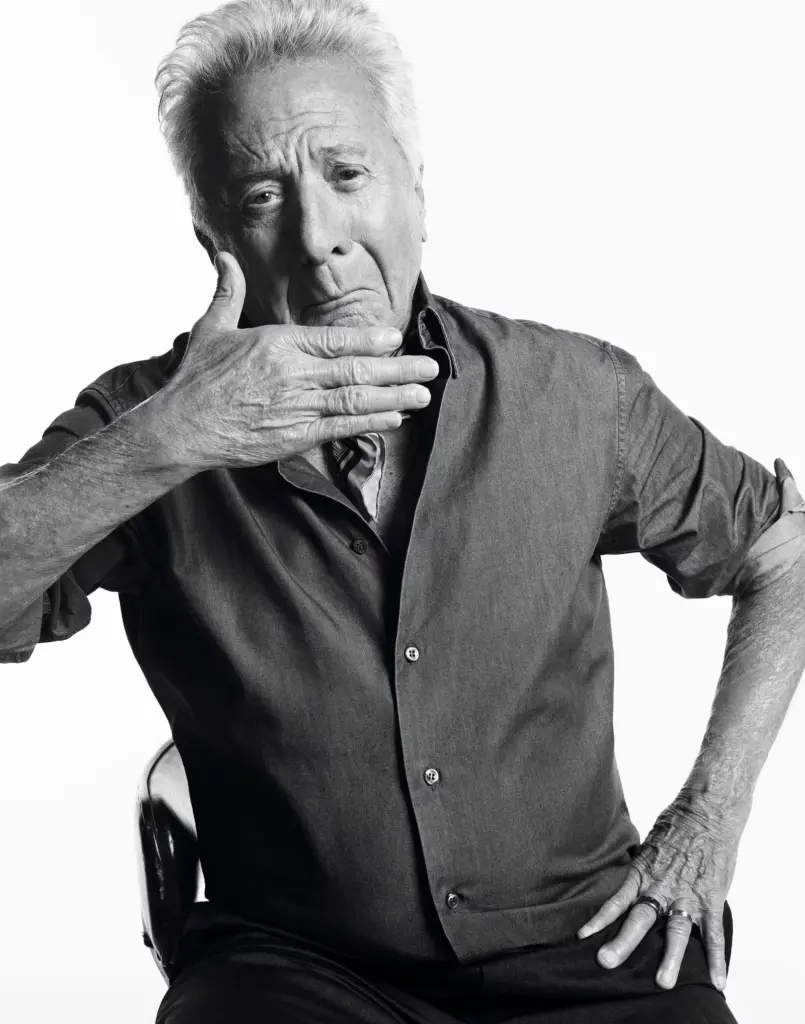
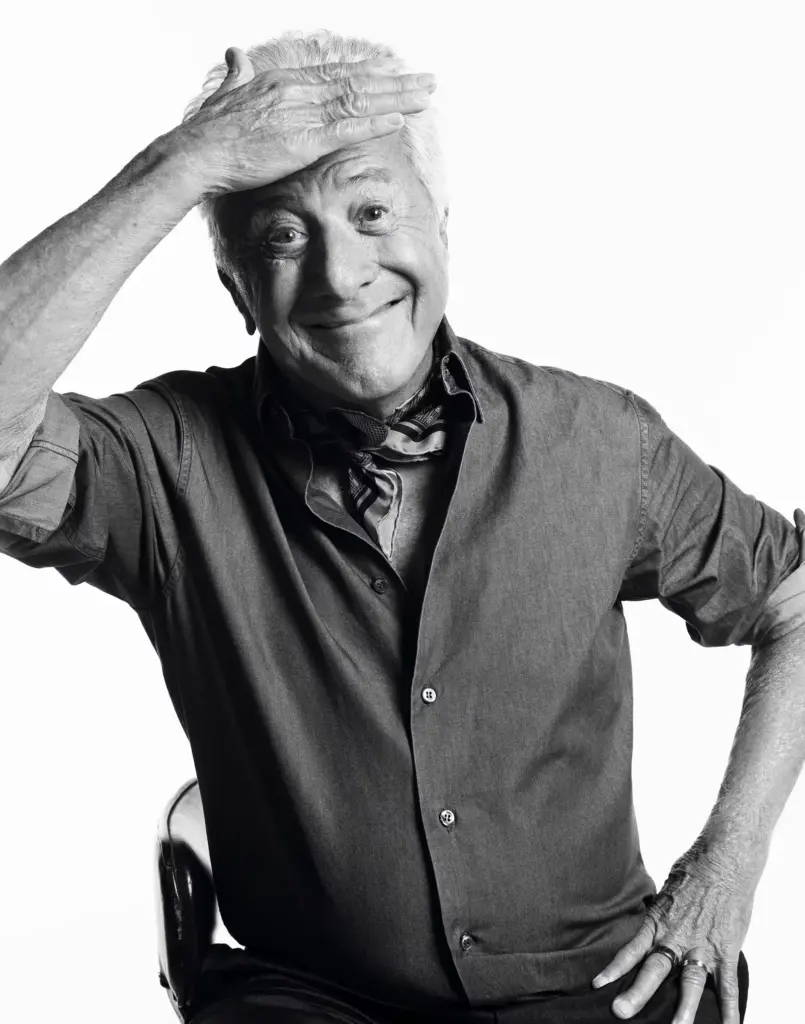
As expected given his perfectionism, Hoffman applied the same rigor to his own past when he started writing, so he rewatched every single film he had acted in. The experience took him by surprise. “Honestly, I was surprised at how good many of them are,” he admits. “For example, about Wag the Dog [the 1997 film that gave him his last Oscar nomination to date], I thought: what more could you ask of a movie? The same goes for All the President’s Men, which is still full of suspense. I think it holds up very well.”
Specific stories about those films — and about co-stars who became some of his closest friends — came back to Hoffman’s mind during the writing process. About the mentioned classic on Nixon’s investigation, Hoffman says: “Robert Redford had a great idea for that film, in which we played Woodward and Bernstein, the journalists who uncovered the Watergate case at the Washington Post: that we both learn each other’s lines, as well as our own. That way we could talk at the same time, say the same thing, surprise each other and the other actors in the film, without worrying about who said what. And it worked. We were like a single organism.”
It’s hard to imagine the possibility of reliving so many moments of one’s life as Hoffman did when he rewatched his filmography. For more than 99.9% of human history, no one could relive their past through photographs, much less moving images. Until very recently, only actors and certain public figures regularly faced cameras, creating a visual record of their lives over decades. Because, although movie stars played characters, their performances intertwined with real memories and, in fact, with their own lives. In all those films are present the friendships forged among castmates, the pain they carried to the set, and the love stories that began or ended during a production. Nowadays, however, almost everyone creates an archive of their own life with their smartphones and social media, turning the great review of our own life, once reserved for movie actors, into an experience that any of us will have to face. In Hoffman’s case, there were moments when he barely recognized the person he saw. “While watching all the films I thought: ‘But who did this?’” he jokes. “In the ones I did well, I don’t know what I did or how I did it. I feel like there’s a completely different person on the screen.”
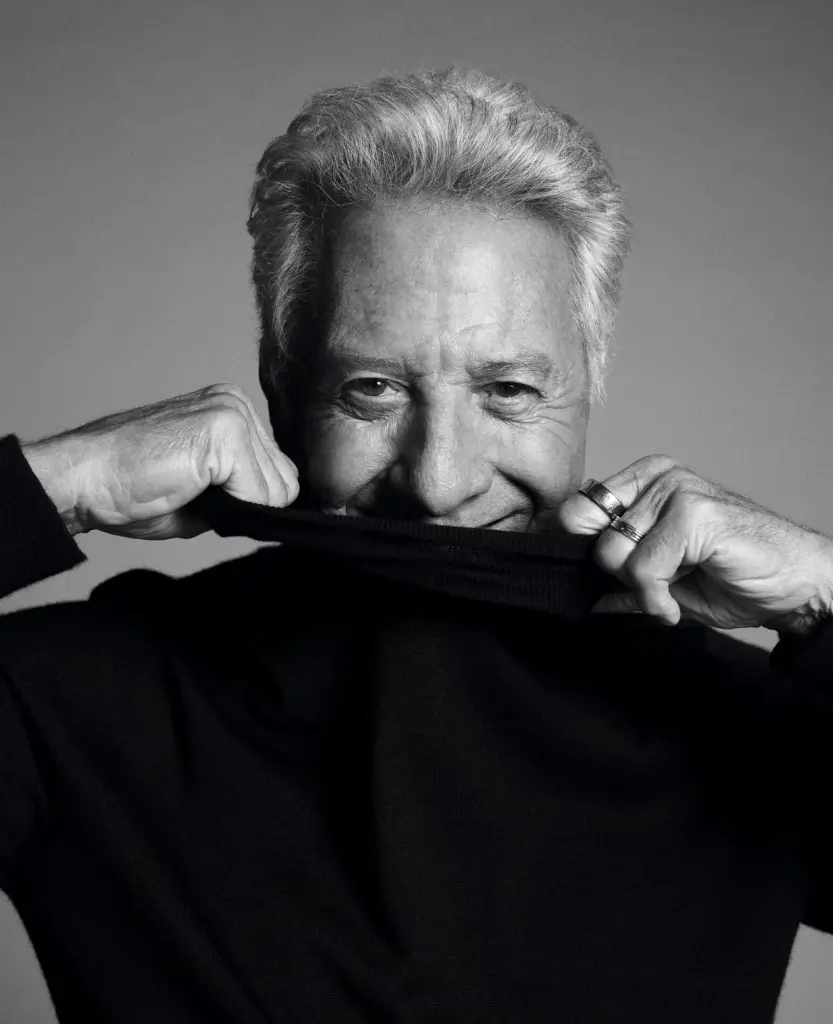
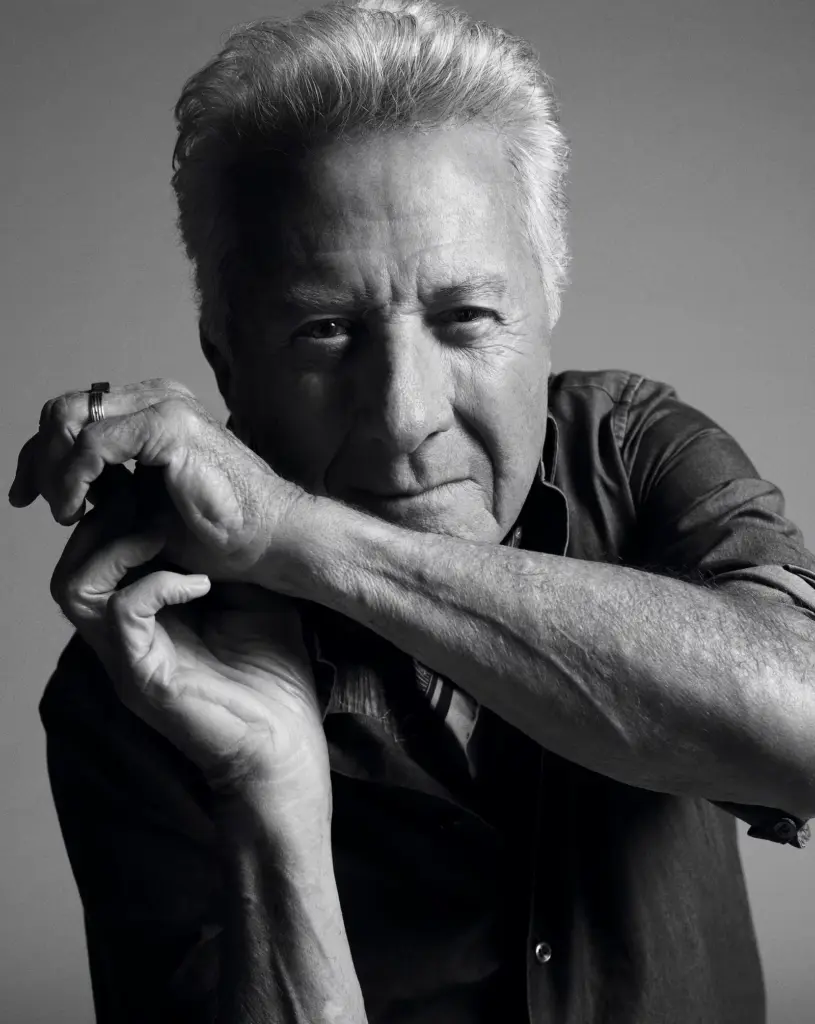
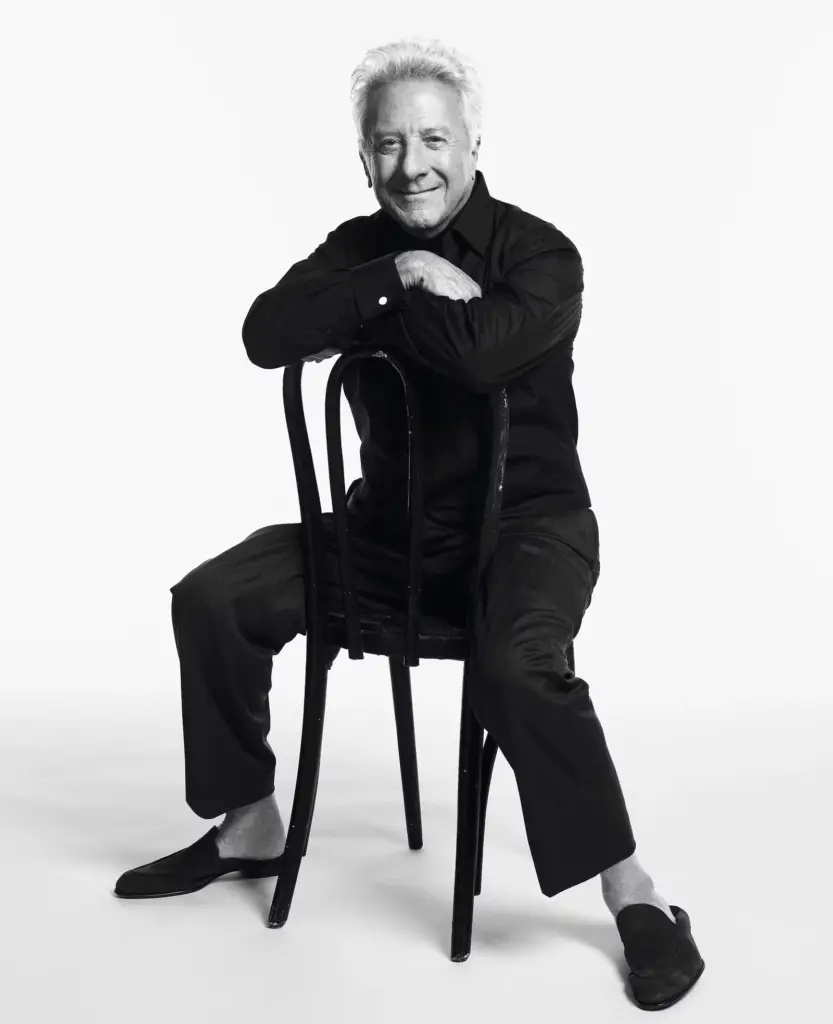
And it may well be true, because since those films were made, Hoffman has been a husband and father — he has been married twice and has six children —; a director — in 2012 he debuted behind the camera with The Quartet —, and now, finally, a writer. But the Hollywood icon has not yet retired from the stage. Earlier this year he starred in the heist thriller Tuner, directed by Daniel Roher — who won the Oscar for Navalny — in which he played Harry Horowitz, an elderly piano tuner and father figure to a talented pianist with hyperacusis (it’s inevitable to think of Hoffman’s role as a father figure for all actors and cinephiles when watching his performance, as well as his own artistic intensity). About how he approached this role, Hoffman says: “I always start by trying to find common points between ‘my character’ and myself. I put the quotes because I try to find in the person I play a version or a glimpse of myself. That way I don’t think so much about the result, but about being present and authentic.”
That is, in many ways, the philosophy that has defined his entire career. We have always seen much of Hoffman himself reflected in his famous characters. But acting allows an individual to express or reveal themselves in indirect ways. Memoirs, on the other hand, unmask the artist, forcing them to show themselves (although, in this case, with the help of Ariel Levy, editor of The New Yorker, who edited and co-wrote the book). Hoffman’s memoirs delve into deeply personal issues, including the relationship between success and happiness, both experienced intensely at different moments throughout his extraordinary life.
After 89 years — and after finally turning his gaze toward himself — the distinction has become surprisingly clear. When asked about the relationship between success and happiness, Hoffman does not hesitate: “Success is easier.”
Read more The PP of Madrid downplays the failure of Ayuso’s attempt to boycott the regional summit