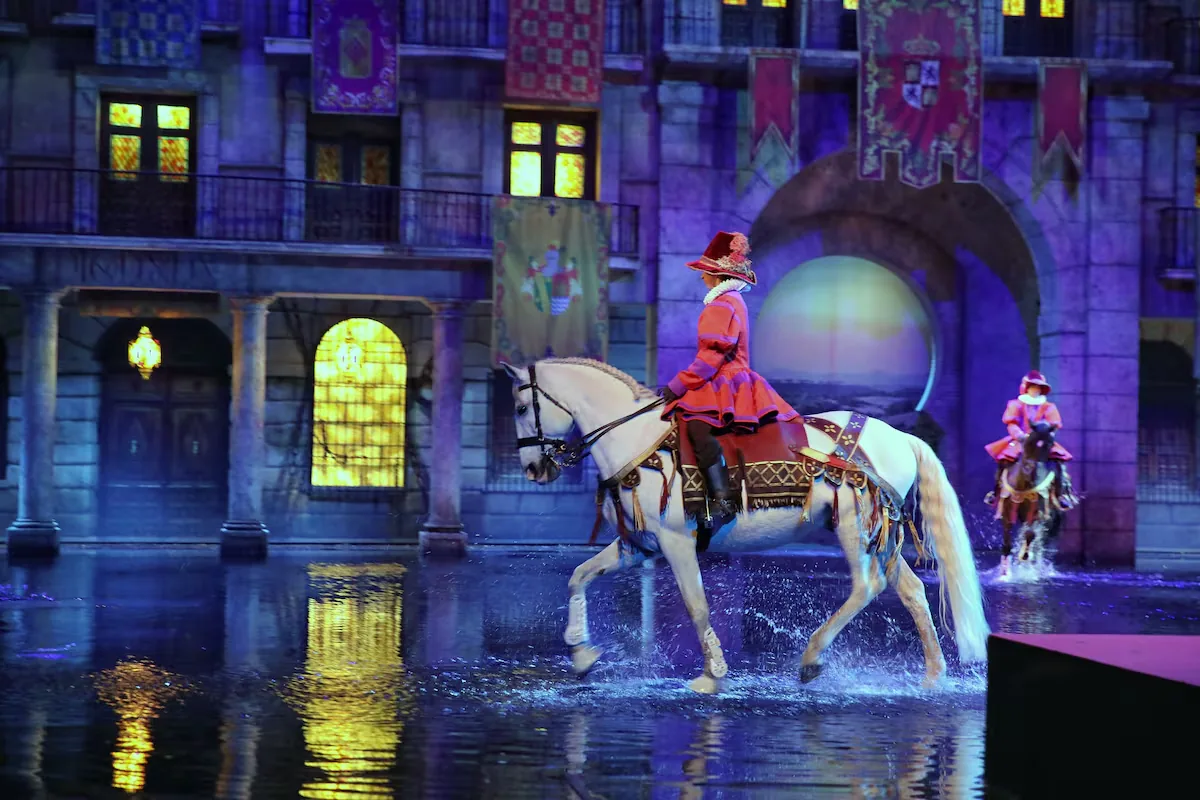








Can a momentous event in national history be told in just three minutes? That is the challenge of the series A Day in the History of Spain, which, with a daily program lasting about three minutes, will recall a key Spanish milestone or character for 365 consecutive days. Every day, at 10:00 PM on Canal Historia, from the AMC platform, an important event that happened on the same date the episode is broadcast will be told, its creators explained this Tuesday at the series presentation at the Royal Academy of Fine Arts in Madrid.
José Carlos Gracia, creator of the successful history podcast Memorias de un tambor —some of his programs have had more than 600,000 downloads— is the voice that narrates each episode with a direct, accessible, and exciting style. His voice is accompanied by images, some created by artificial intelligence; illustrations, paintings, recreations… “It has sometimes been complicated because there are facts about which there is nothing,” he told EL PAÍS.
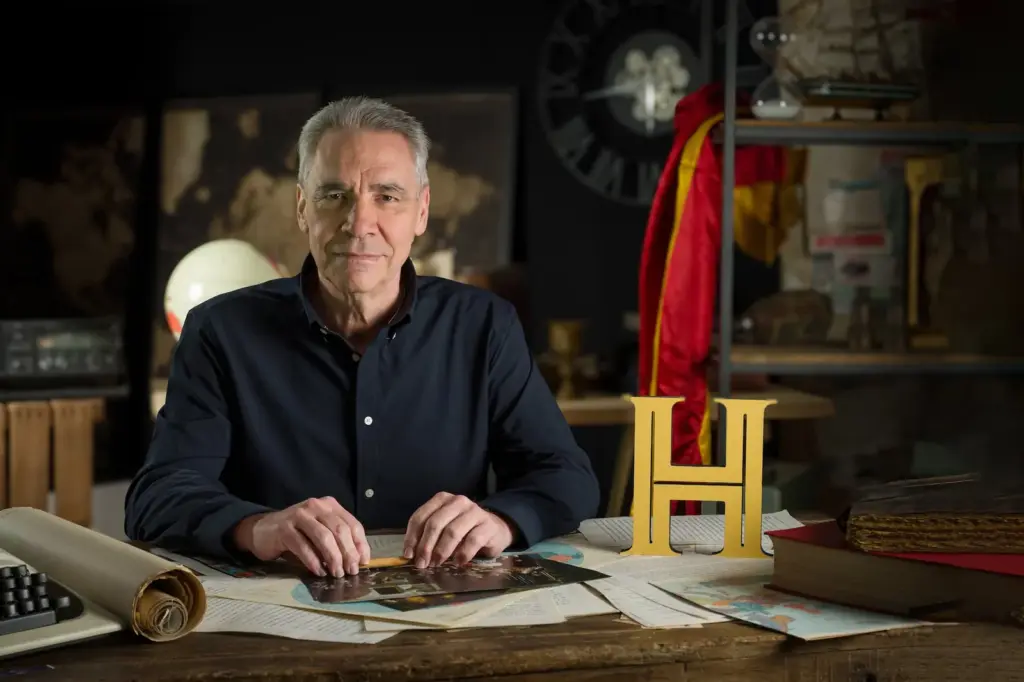
“It’s a flash format, which doesn’t allow for in-depth analysis,” so there are no historians present to complement the narrative. A Day in the History of Spain is, therefore, designed for this era of social media and short content consumption. “Chronologically, it covers from Atapuerca to Iniesta’s goal,” with which Spain won the World Cup in South Africa in 2010.
A history popularizer and collaborator in various media, Gracia, who is making his television debut, explained that “so much screen time is distancing us from the Humanities, and History is the first victim because people don’t give importance to the past.” The mission will be accomplished “if young people are captivated enough to put down their phones a bit and become curious about History; it’s about bringing to the present what important event happened on a day like today 27 years ago, or a hundred, or five hundred…”.
Gracia pointed out that, apart from history books, the information from which the chapters draw “is very varied.” “For example, I have extracted a lot of data from doctoral theses published online.”
One difficulty, however, has been selecting the anniversaries for each day because in some cases there were several. If he had to choose some, he would pick “the conquest of Toledo, in 1085,” by King Alfonso VI from the Muslims, “which was a catastrophe for them.” And on another level, the Balmis Expedition, in 1803, which brought the smallpox vaccine to America, “because of the millions of deaths it prevented.”
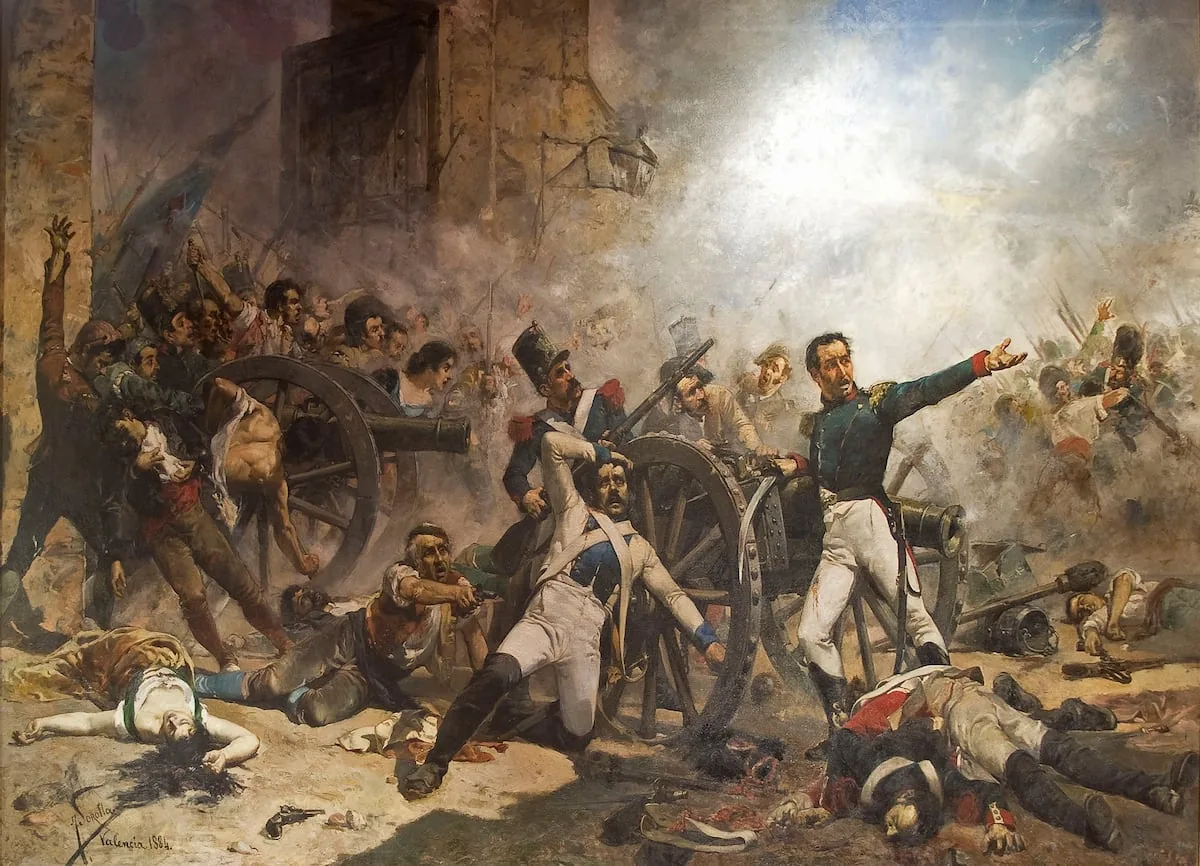
The first installment, next Saturday, May 2, The Uprisings in Madrid, deals with the popular revolt in the capital on that day in 1808 against Napoleon Bonaparte’s French troops. These had been stationed in the capital for several months due to the agreement between both monarchies that had allowed them to pass through Spain supposedly to invade Portugal, an ally of their great enemy, England.
That Monday, it was rumored in the town’s gossip circles that the French were going to take Infante Francisco de Paula, the youngest son of King Charles IV and the last member of the Royal Family in Madrid, out of the city. The others had already been moved.
Gracia recalls in the episode that many people gathered in front of the Royal Palace and that a cry from inside it set off alarms: “They’re taking him away!”, in allusion to the imminent transfer of the infante. Then the disturbances began, which spread to the rest of the city in the form of hand-to-hand clashes with Murat’s soldiers, Napoleon’s lieutenant. The chapter mentions that Francisco de Goya, then a resident of Madrid, years later painted the executions of the early morning of May 3 to suppress the insurrection, in a universal image of horror. “It was not an organized revolution; there were no leaders or political speeches.”
The general director of AMC Global Media Iberia & Latin America, Antonio Ruiz, highlighted at the presentation that this series “represents more than 20 hours of original production, with the aim of disseminating with rigor.” “We are not going to sugarcoat anything nor are we going to fall into black legends; we are going to focus on facts and not on opinions,” he added.
Furthermore, from the program’s website undiaenlahistoriadeespaña.es (available from May 2) “the chapters will be made available to teachers and students in schools.” “We are in contact with the Education departments of all autonomous communities to offer them this material.”
Another of the first chapters will also deal with the era of Ferdinand VII, considered the worst king in Spanish history. On May 26, the execution during his reign of the young Mariana Pineda, which occurred on that date in 1831, will be commemorated. Mariana Pineda was a widow from Granada who, at only 26 years old, was executed, accused of conspiring against the absolutist monarchy of Ferdinand VII. Her crime had been that a flag with the following words embroidered on it was found in her house: “Liberty, equality, and law.”
At Mariana Pineda’s trial, she was offered to save her life in exchange for denouncing her companions, which she refused. She was executed by garrote vil, an event that shocked Spanish liberals.
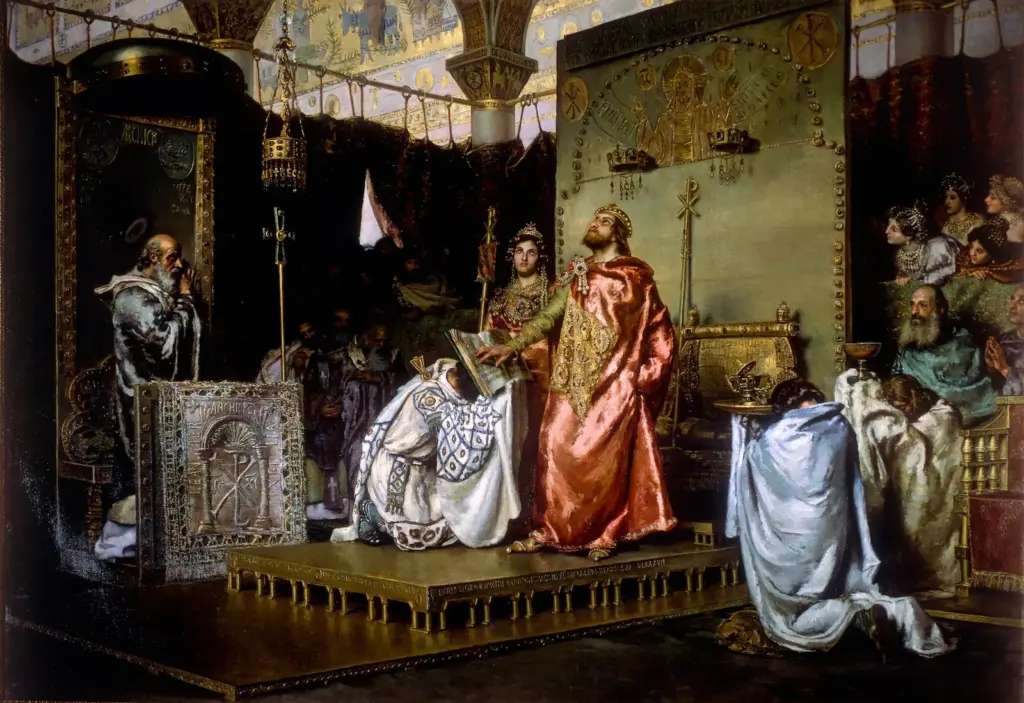
Among the initial installments, that of May 7 also stands out. On that date in 589, the conversion of the Visigothic king Reccared to Catholicism took place. Although it may seem very remote and distant, it was of great importance. At that time, the Visigoths, the Germanic people who had settled on the Peninsula and reigned, were Christians, but not Catholics; instead, they professed the doctrine of Arianism, different from the Catholicism of the Hispano-Roman population. It was historic that a king decided to abjure his faith to embrace that of the people he governed, in order to unite the territory and avoid disputes.
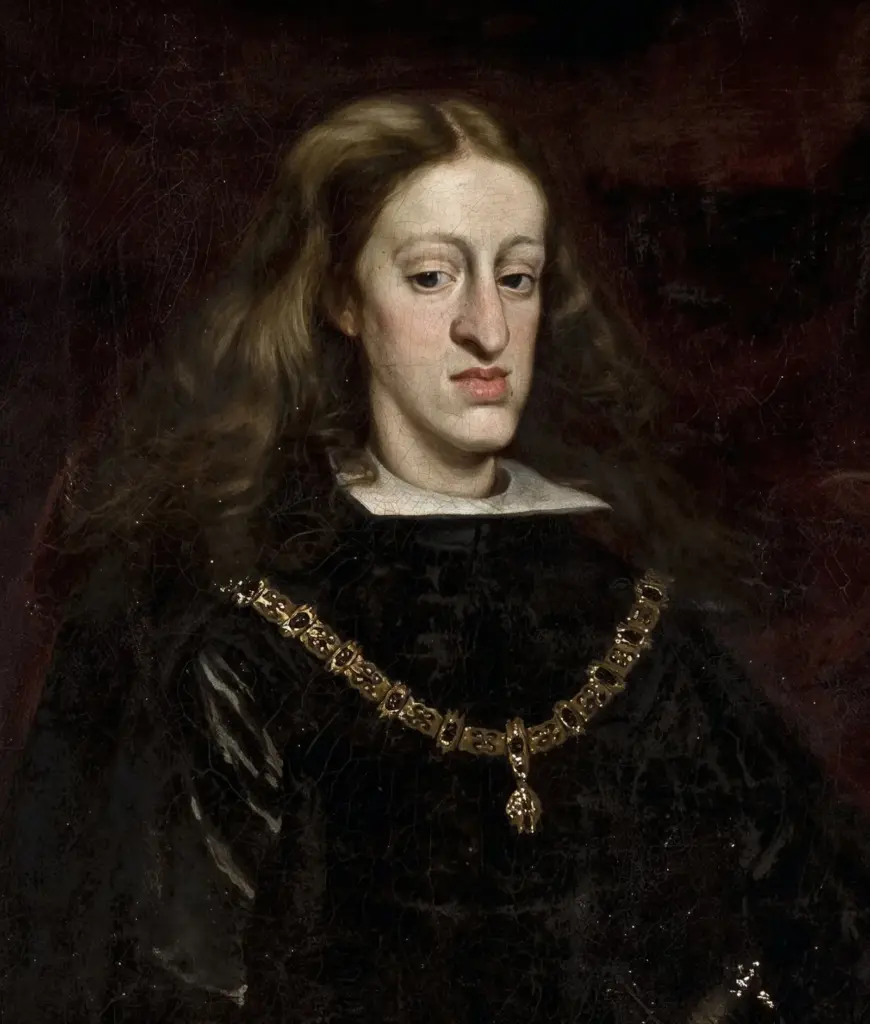
The creators of the series announce that milestones such as the publication of Don Quixote or the day the War of Succession began will be remembered. And looking back at another day like today, April 28, Gracia recalled 1699, when King Charles II, months before his death, had to go out onto one of the balconies of the Alcázar in Madrid to calm the people, who were rioting due to the hunger they were experiencing.
Read more French fries: eight mistakes to avoid and a technique that works