








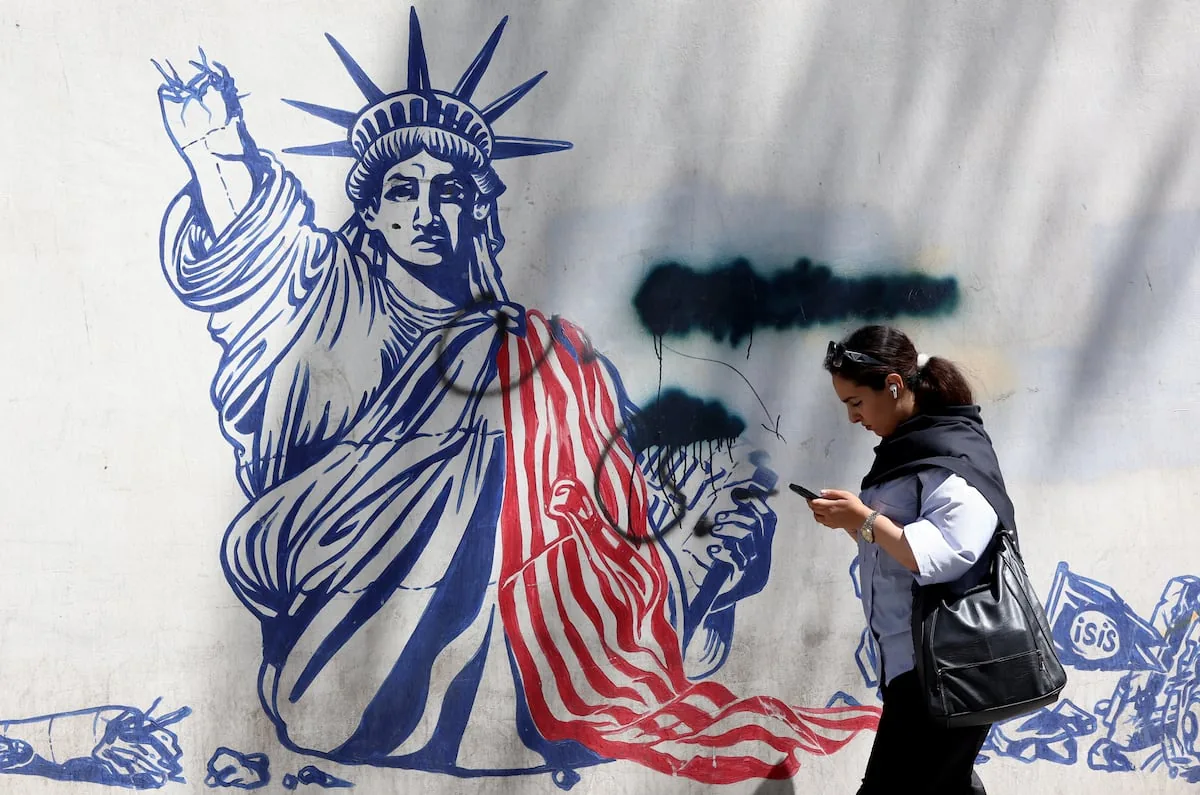
NetBlocks, the international observatory that monitors internet access worldwide, has confirmed the “partial” restoration of connection in Iran. The increase in access to the global network comes after the Iranian president, Masud Pezeshkian, ordered the lifting of restrictions imposed nearly three months ago, at the start of the war with the United States and Israel on February 28.
On Monday, Pezeshkian instructed the Ministry of Communications to restore internet access to the conditions prior to the blackout. The ISNA agency confirmed the information and indicated that the implementation of the measure could begin this Tuesday. Similarly, NetBlocks has finally confirmed that, according to its “live metrics,” the connection in Iran has been partially restored after 88 days — 2,093 hours — of “almost total” interruption, considered the longest national disconnection in modern history.
The decision was made after the Special Cyber Management Committee approved, in its fourth meeting, the return of international internet with nine votes in favor and three against. However, media close to the Revolutionary Guard immediately questioned the government’s authority to execute the measure. The Fars agency stated that the restrictions were imposed by the Supreme National Security Council and that, therefore, only that body can revoke them. Nevertheless, the Iranian president himself also chairs that council, the highest security body in the country.
Even so, critical voices continue to emerge from the ultra-conservative sectors of the regime, threatening to block the full implementation of the government decision. Iranian media had previously reported that the Administrative Justice Court issued an order temporarily suspending the execution of the presidential directive on reconnection. In this context, NetBlocks also warned that “it is not clear whether this connectivity will be stable or lasting.”
Despite internal pressures, the internet seems to have become a new battleground between the government and the most radical factions of the Iranian political system. First Vice President Mohammad Reza Aref declared this Tuesday that “the first step towards free and regulated access to cyberspace has been taken.” Meanwhile, the Minister of Communications, Sattar Hashemi, later told the newspaper Shargh that the process of restoring international connection “has started from this very moment.”
Hashemi had previously warned that the global internet blockade causes daily losses close to 30 million dollars for the Iranian economy and directly affects about 10 million people dependent on the digital economy. In parallel, Ehsan Chitsaz, deputy minister in charge of information technology policies and digital economy at the Ministry of Communications, confirmed in an Instagram post the official promulgation of the measure by the presidency: “A few minutes ago, the president promulgated the resolution for the reopening of the internet. To reach this moment, we went through a difficult and costly path because we believe that the internet is a right of the population and had to be returned to society.”
Since the imposition of severe restrictions, access to international internet had been practically monopolized by state agencies, specific institutions, and people close to power. The Islamic Republic itself acknowledged from the first days of the blackout that access was only maintained for users aligned with the government and responsible for disseminating official positions.
NetBlocks had noted in previous reports that the level of connectivity in Iran during the last 88 days barely fluctuated between 1% and 2%, percentages mainly reserved for sectors linked to the state apparatus. The digital isolation has deepened economic and social inequalities and severely limited free access to information, especially on issues related to human rights.
The authorities justified the measure alleging that the United States and Israel used the internet infrastructure to locate and attack high-ranking Iranian officials. However, according to analysts and digital activists, many of those leaders died precisely during the massive blackout period. Aref himself criticized the “arbitrary” internet restrictions on Monday and compared the network shutdown for security reasons to “closing an entire highway because of the infraction of a single driver.”
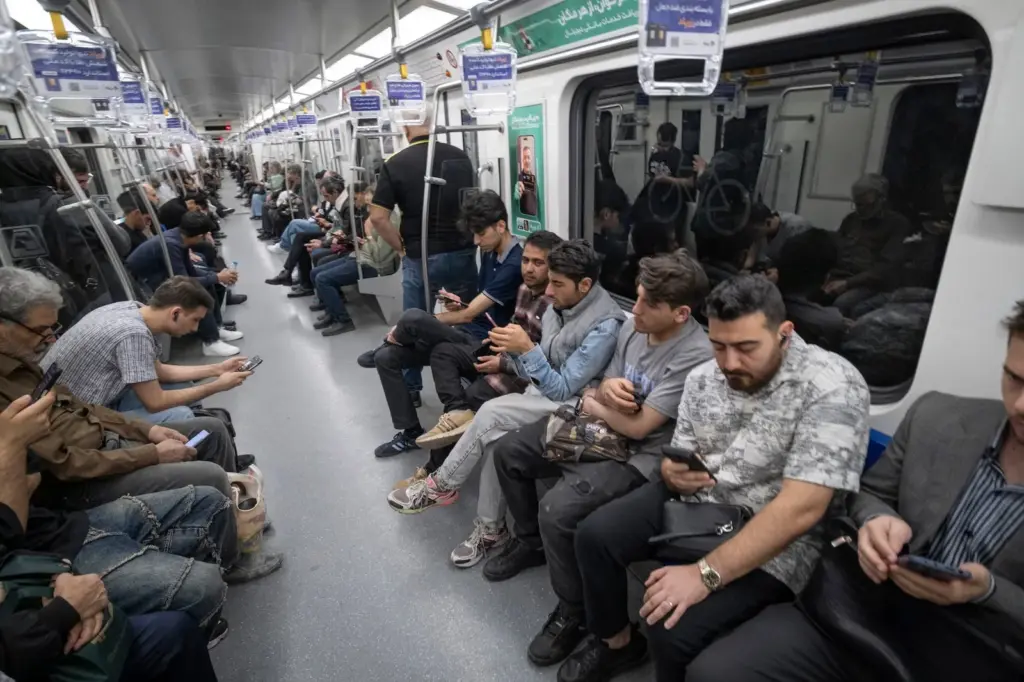
Iranians now watch with uncertainty the slow and gradual increase in access to global internet as the blackout enters its eighty-eighth consecutive day this Tuesday. This period also adds to the nearly three weeks of outages recorded during the anti-government protests last January, in which some protesters demanded the end of the Islamic Republic.
The authorities suppressed those protests through harsh repression that, according to official figures, left 3,117 dead. However, human rights organizations raise the figure above 7,000 deaths, while some medical sources claim the real number could exceed 10,000. The wide difference between the recent victim and execution counts is partly attributed to the massive internet blackout and the inability of independent human rights organizations to access information from inside the country.