Designer José María Cruz Novillo, author of some of the most recognizable logos in contemporary Spain, passed away this Saturday at the age of 89, according to the specialized media Gráffica.
Read more A man fatally stabs a woman in the street in Esplugues de Llobregat
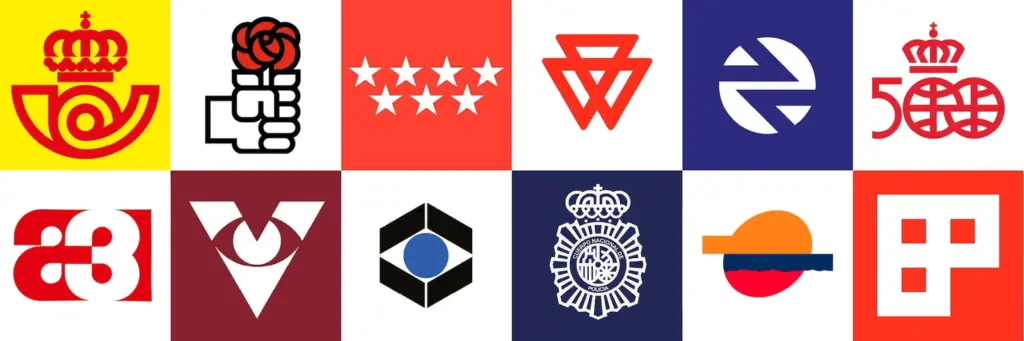
Cruz Novillo is responsible for the graphics and image of Correos, Renfe, the fist and rose of the PSOE, the flag and coat of arms of the Community of Madrid, the change to blue of the National Police, the peseta banknotes from 1979 to 1985 — which featured writers on their fronts —, Endesa, Repsol, La Cope, El Mundo, the PRISA Group, Antena 3 Radio…
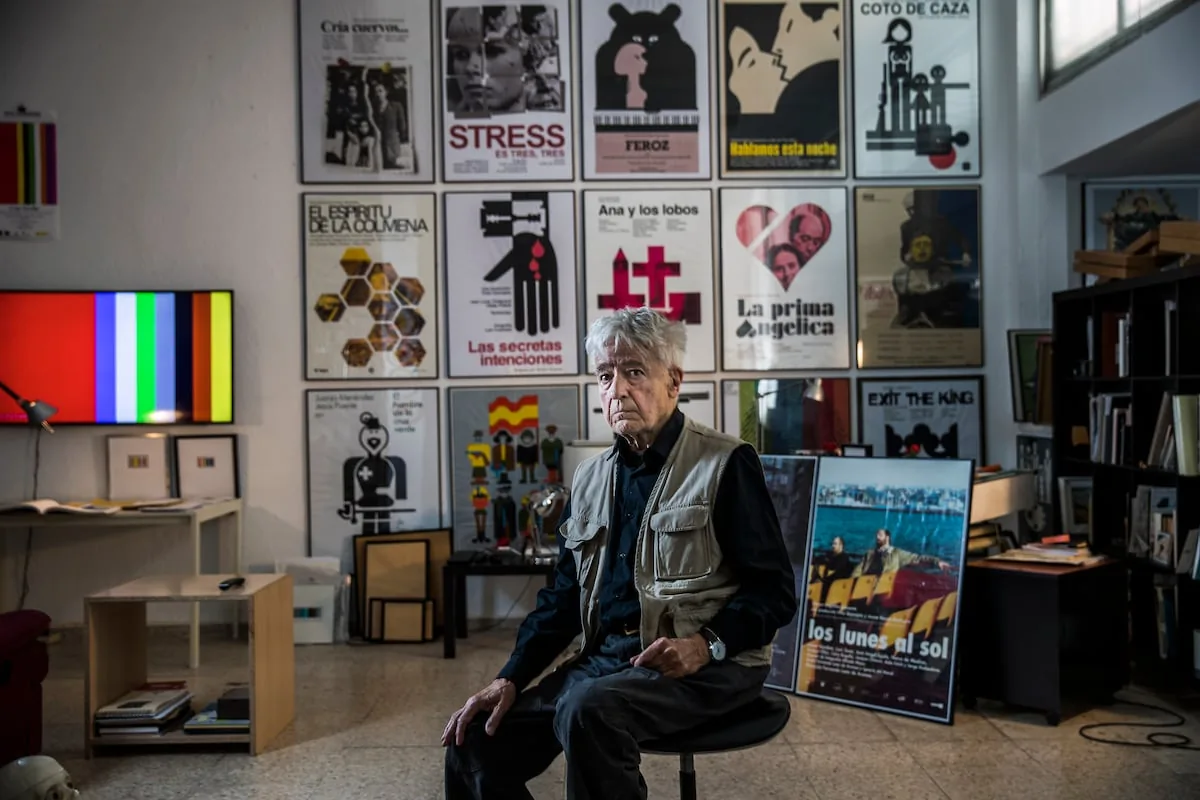
But he was also a poster artist for the best films produced by Elías Querejeta: Ana y los lobos; Deprisa, deprisa; Los lunes al sol, Mi prima Angélica, El espíritu de la colmena… Novillo created the logos of the Transition and is considered the most important graphic designer in the history of Spain.
Cruz Novillo was born in Montilla del Palancar (Cuenca) in 1936 and began his career as a draftsman at Publicidad Clarín in 1958. A year later, he started collaborating with the Society of Industrial Design Studies (SEDI). In 1965 he left Clarín and created his own studio. In the documentary The Man Who Designed Spain (2019), by Andrea G. Bermejo and Miguel Larraya, he explained that it was an “incredible space-time leap,” because the son of the former secretary of the socialist youth of Cuenca before the Civil War ended up at 26 years old in New York, as he was selected, along with other artists, to be part of the Spanish pavilion at the World Fair in that city in 1964. The creator recalled in this film that those weeks in the city were a brutal lesson, that he experienced the effervescence seen in the series Mad Men, and that he learned modern design like he never could have in Spain. “Those who were dedicated to design were draftsmen, who behaved like painters. When recycling arrived, graphic design was born.”
The designer said he felt “the responsibility of working for major clients.” And he built the new Spain: Correos, Renfe (“The greatest thing I have done”), media, the peseta banknotes… He proudly recounted about that commission: “I learned many things… Like that the most important thing is that they cannot be counterfeited.” Cruz Novillo printed on one side the portrait of great writers of the 19th and 20th centuries (Rosalía de Castro, Benito Pérez Galdós, or Juan Ramón Jiménez) and, on the other, a quote and a place related to their work. He was also the designer of the stylized fist and rose emblem of the PSOE, a work that, recalling his father, the artist described as “sentimental.”
His youthful friendship with José Luis Borau — they were an advertising tandem — led him to receive the commission for the poster of Las secretas intenciones (1970), by Antonio Eceiza, which was filmed in his office at the Clarín agency with Jean-Louis Trintignant. Through Borau, he joined Elías Querejeta’s production company, and in what he defined as the “jobs that took me the least time, about two weeks a year,” he began designing their posters, masterpieces like El espíritu de la colmena or Ana y los lobos (work that made him proud). “I came from my Ibizan summer, I saw the film after having read the script,” and in 15 days he had the poster.
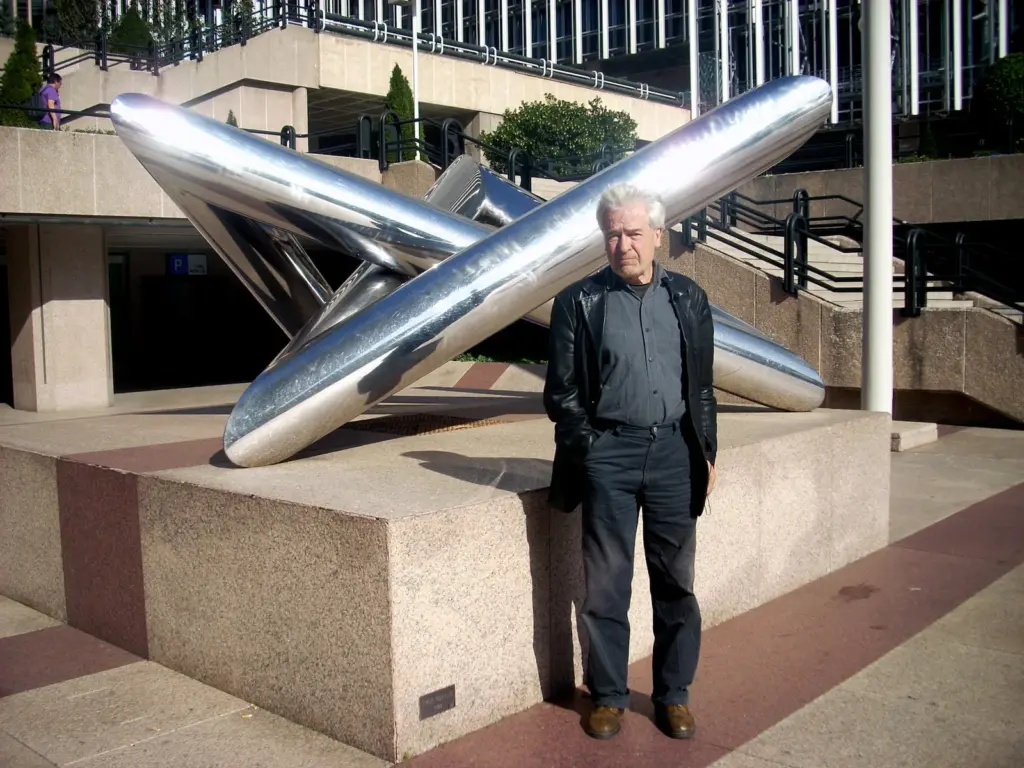
Among his awards and recognitions, the National Design Award in 1997 and the Gold Medal for Merit in Fine Arts in 2012 stand out.
In that 2019 documentary, the designer explained that he had never locked himself into his work. For example, he made various sculptures, such as those that were located for years in the Madrid Azca complex (described by their author as “a radical work, with a clean structure, without any kind of manipulation”), and explored music and researched the concept of “diaphragms”: “I divide something into parts and play at regrouping them in another way,” which was his main weapon in his “aversion to routine.” And he defined his work with seven words: “Design is a journey back.”