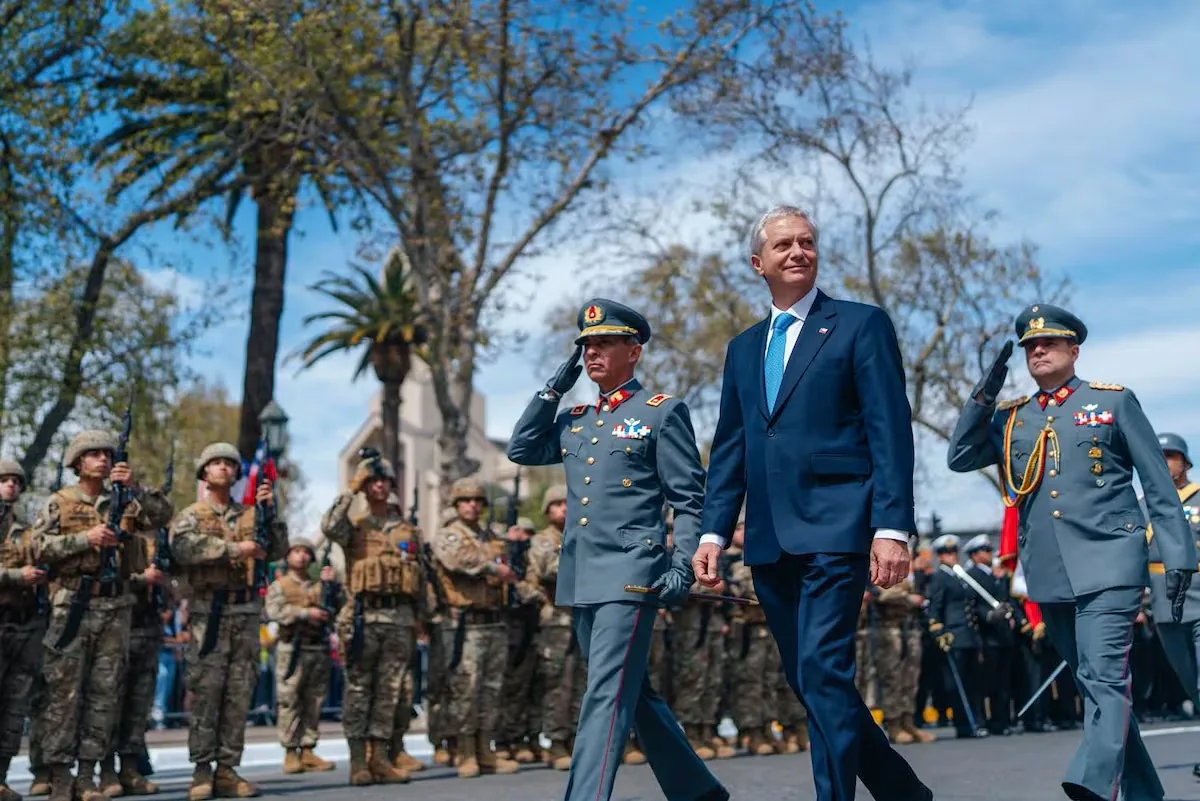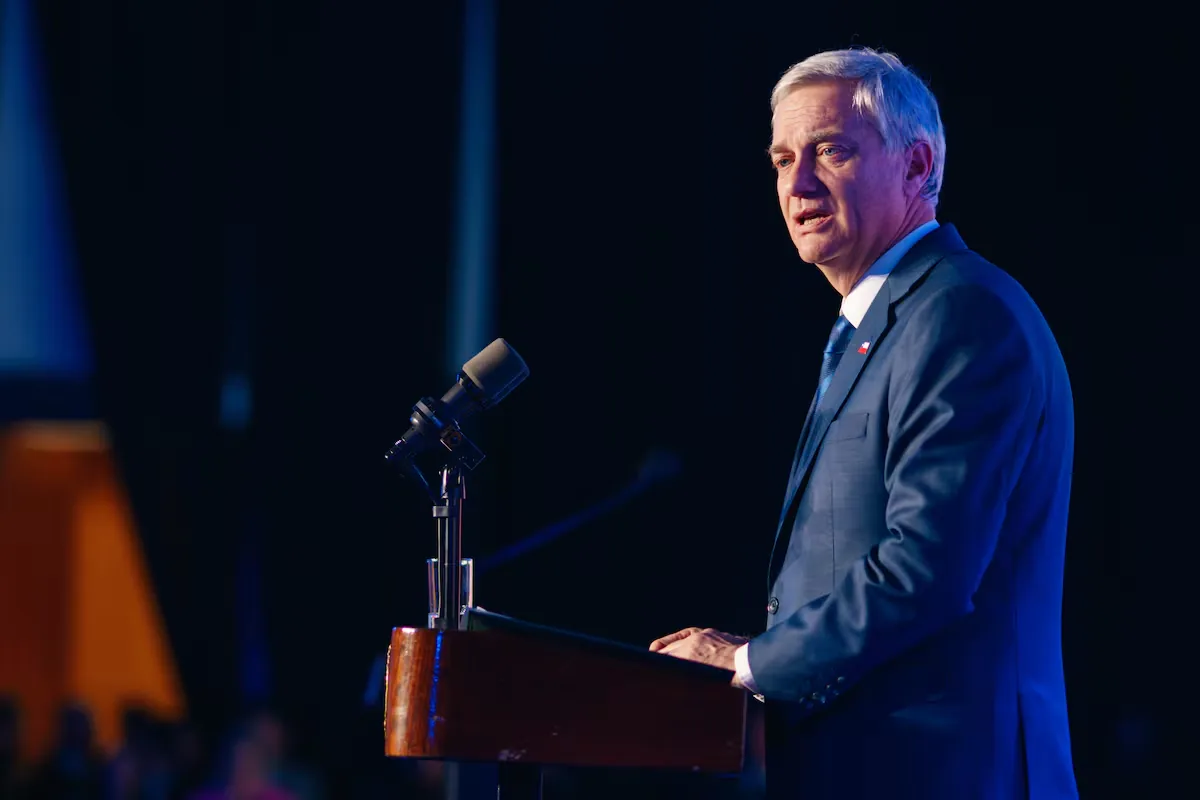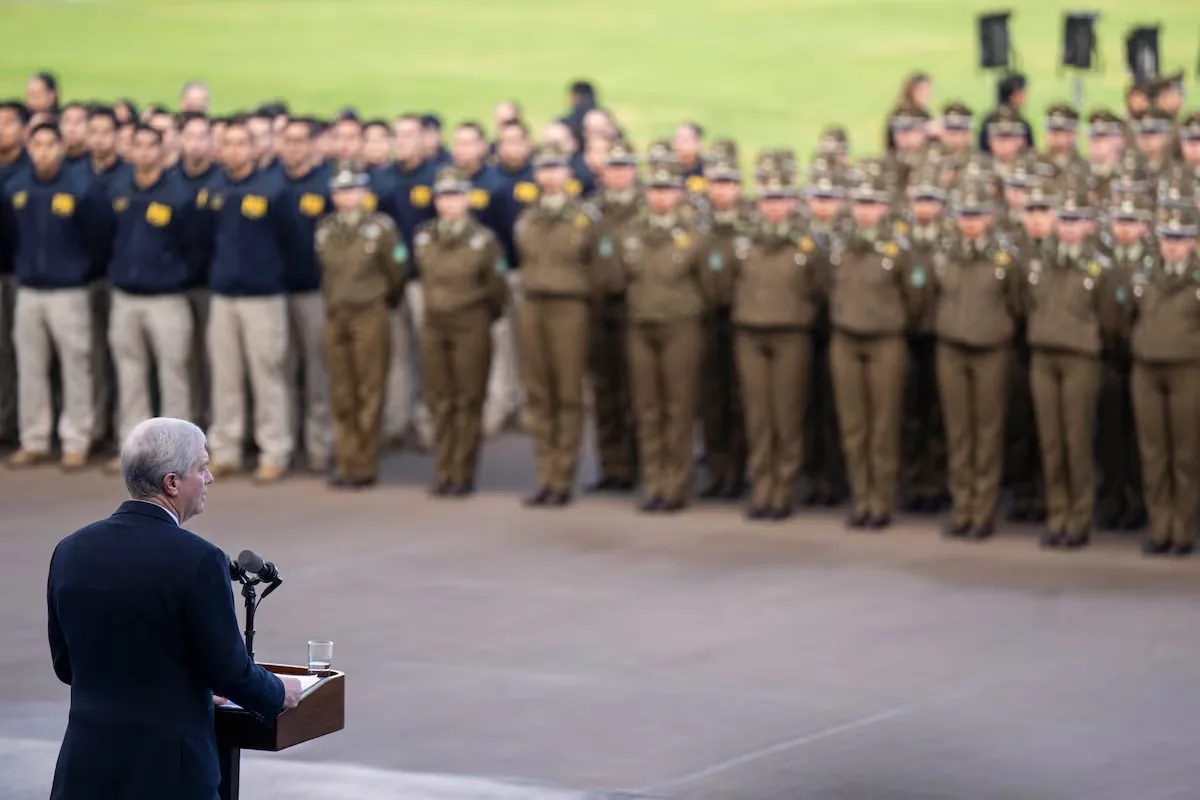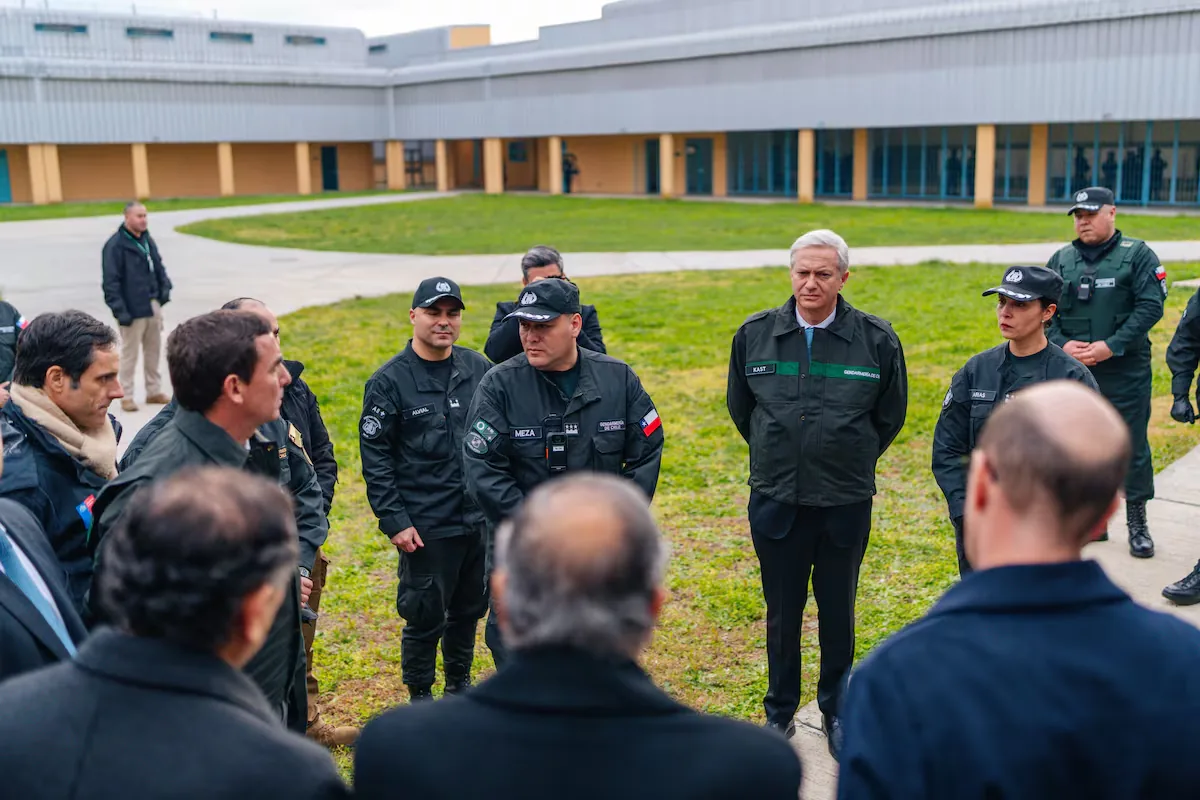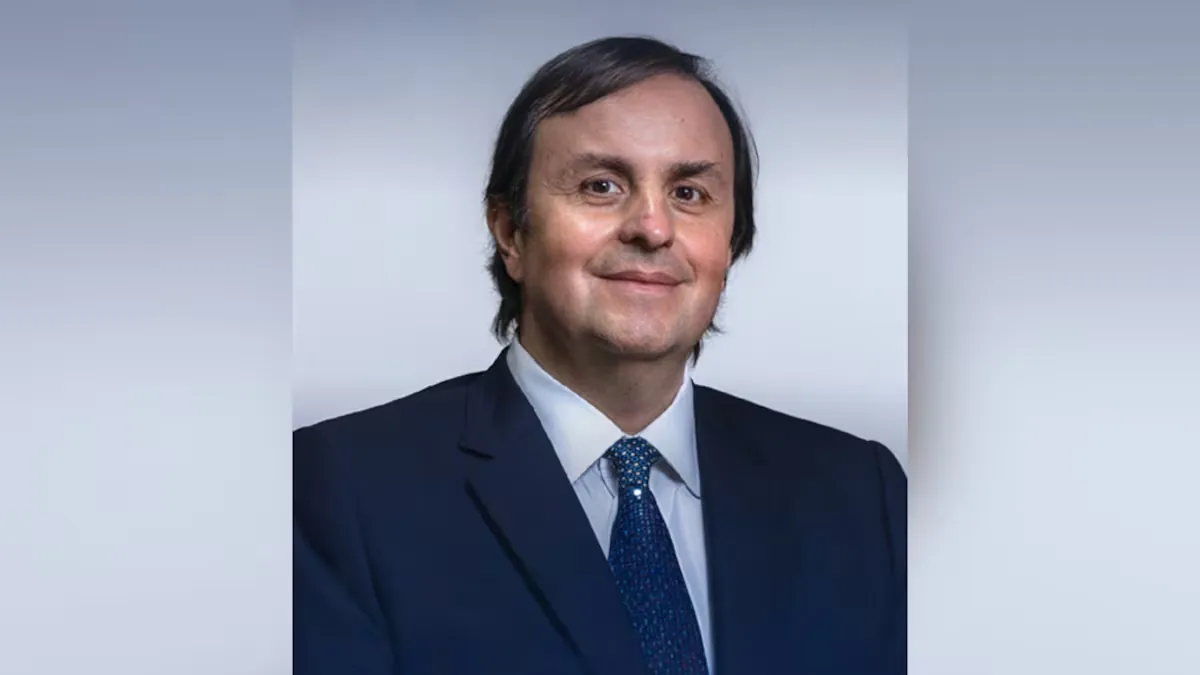
The president of Chile, José Antonio Kast, has appointed lawyer Francisco Riveros Cantuarias as the new Minister of Sports. Riveros took office this Friday in a ceremony at the La Moneda palace, replacing Natalia Duco, who resigned from the position this Thursday following a complaint about the misuse of a government vehicle.
Kast dedicated some words of recognition to Duco, who was moved and had tears in her eyes during the oath of her successor. “I want to thank Natalia Duco for her tireless work. I remember when we first spoke and when we met at my house in Buin. Just as I did with several of the ministers present here, where I was able to share dreams for the Homeland,” said the president. The president also spoke about the controversy that ended the former authority’s tenure, without mentioning the case directly. “Sometimes we can make a mistake, but there are rules that govern us today, which we have stated must be applied,” he said.
Before his appointment as minister, Riveros was part of the Presidential advisory team, led by Alejandro Irarrázaval. He has experience in sports management, having been manager of the Palestino football club between 2007 and 2009, where he also held a position on the board. During Sebastián Piñera’s second government (2018-2022), he served as legal and corporate affairs manager of the Santiago 2023 Corporation, responsible for organizing the Santiago 2023 Pan American Games. This sporting event, which took place during Gabriel Boric’s administration (2022-2026), has been questioned by the current government, which has requested an investigation into the expenses for its execution.
One of the new secretary of state’s missions will be to steer the ministry back on course, which has been involved in several controversies under Duco’s management. The latest controversy, which cost the former minister her position, arose after an accusation of misuse of a government vehicle last April. The Sports Undersecretariat, headed by the also resigned undersecretary Andrés Otero, had responded to a Comptroller’s office letter with a document stating that the former authority’s travel was due to attending a “work meeting.” This version was called into question after a video was published showing Duco at a social event with ministry staff.
Natalia Duco leaves the Kast government with several doubts about her qualifications to hold the position. Her appointment was questioned due to a doping sanction applied while she was an active athlete. Added to this was the collection of a scholarship from the High-Performance Athletes Scholarship Program (Proddar), which she renounced shortly before joining the executive. Once in office, she supported President Kast’s push to declare rodeo—a sport strongly criticized for the treatment of participating animals—a national sport. She also sparked controversy by stating that one of her duties was to provide “nice clothes” to athletes.
Read more Pope Leo XIV calls for strengthening the protection of migrant minors
One of the most significant controversies the former Minister of Sports faced during her time in the right-wing administration was the denial of authorization for the South Korean k-pop band BTS’s concert at the National Stadium. Duco had to provide explanations to thousands of the group’s fans who demanded the preservation of the venue for the concert, scheduled for October. In the end, the National Sports Institute (IND) authorized the event after an agreement with the organizing production company to ensure the maintenance of the stadium’s turf.
Natalia Duco’s resignation adds to the hemorrhage of officials recorded in the first five months of the Kast administration. So far, 42 authorities, including ministers, undersecretaries, and regional ministerial secretaries (seremis), have left the executive for various reasons. The most significant departures were those of former Security Minister Trinidad Steinert and government spokesperson Mara Sedini, who left their posts in May just 69 days after their arrival.
The former athlete’s resignation has also reduced the presence of women in the cabinet. On March 11, with the arrival of the new government at La Moneda, there were 11 female ministers. With this latest adjustment, the number of female secretaries of state has dropped to eight: María Jesús Wulf (Social Development), María Paz Arzola (Education), May Chomali (Health), Catalina Parot (National Assets), Ximena Rincón (Energy), Francisca Toledo (Environment), Judith Marín (Women and Gender Equity), and Ximena Lincolao (Sciences).
Read more Atlético ends the preseason with a victory against Marseille