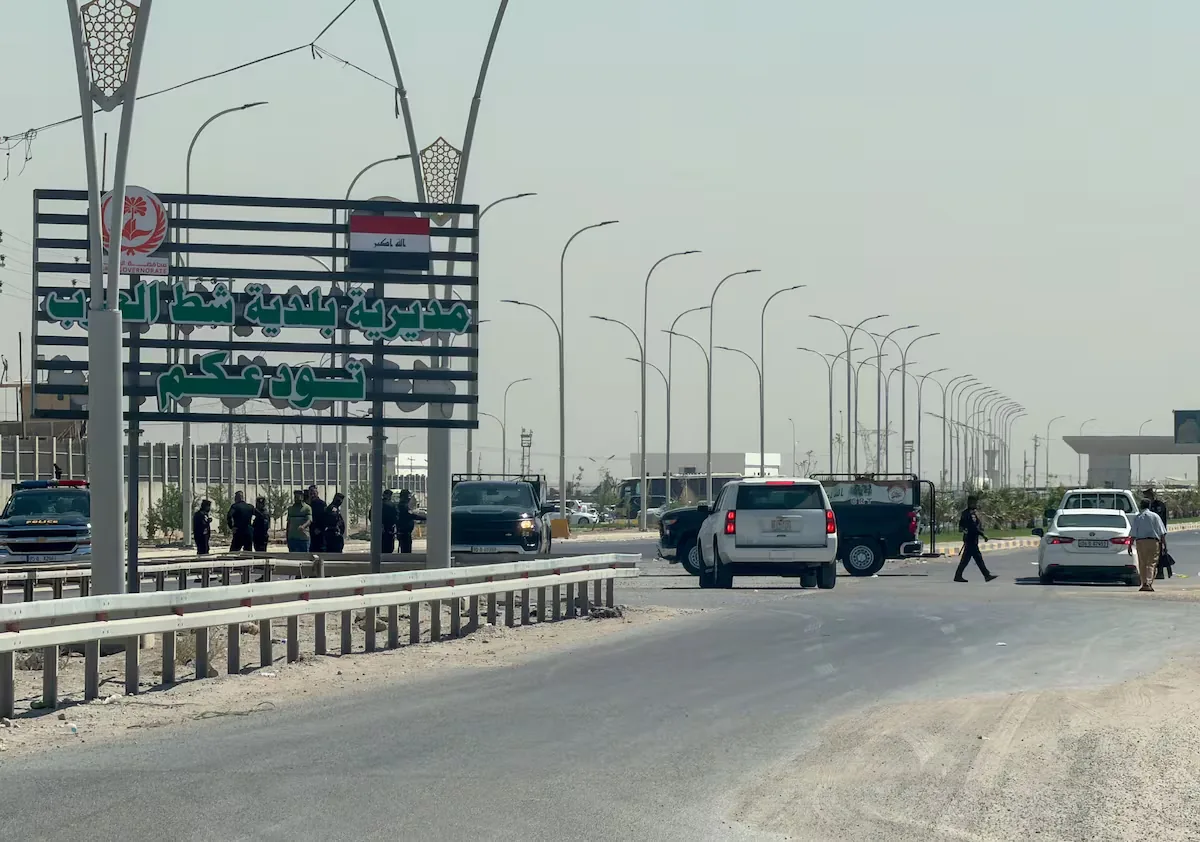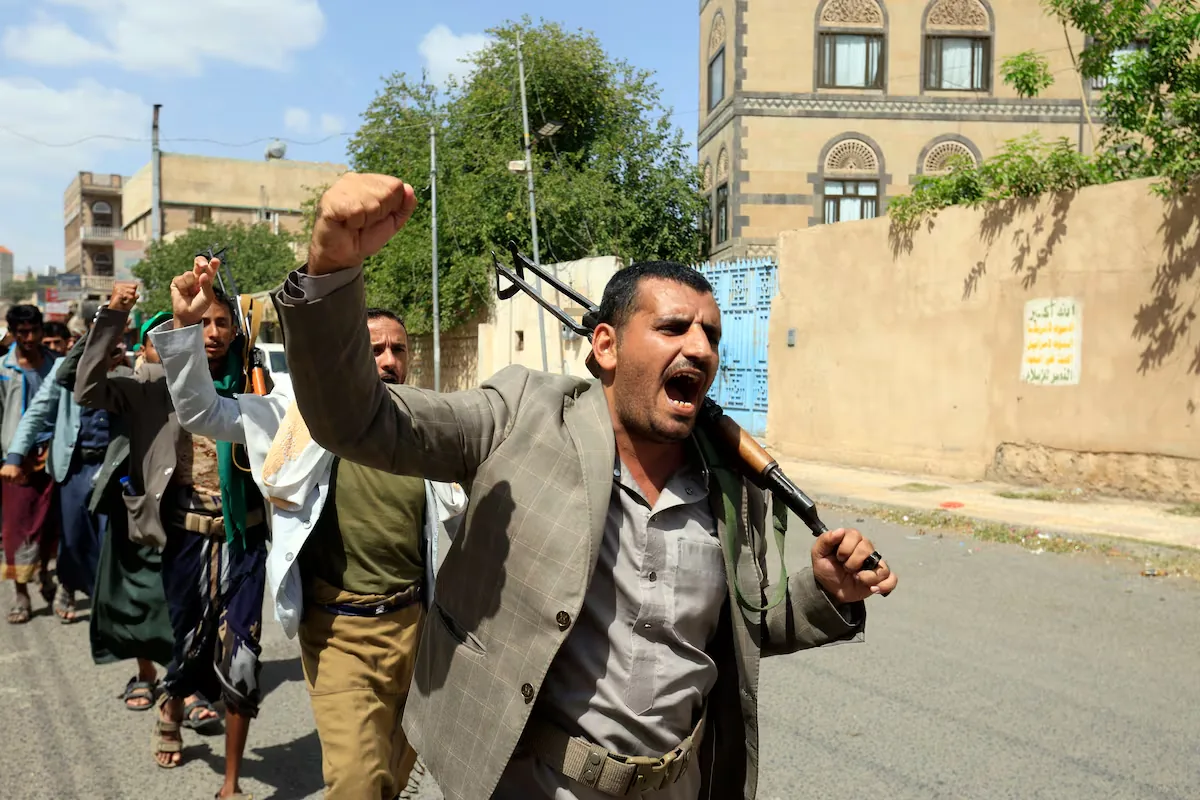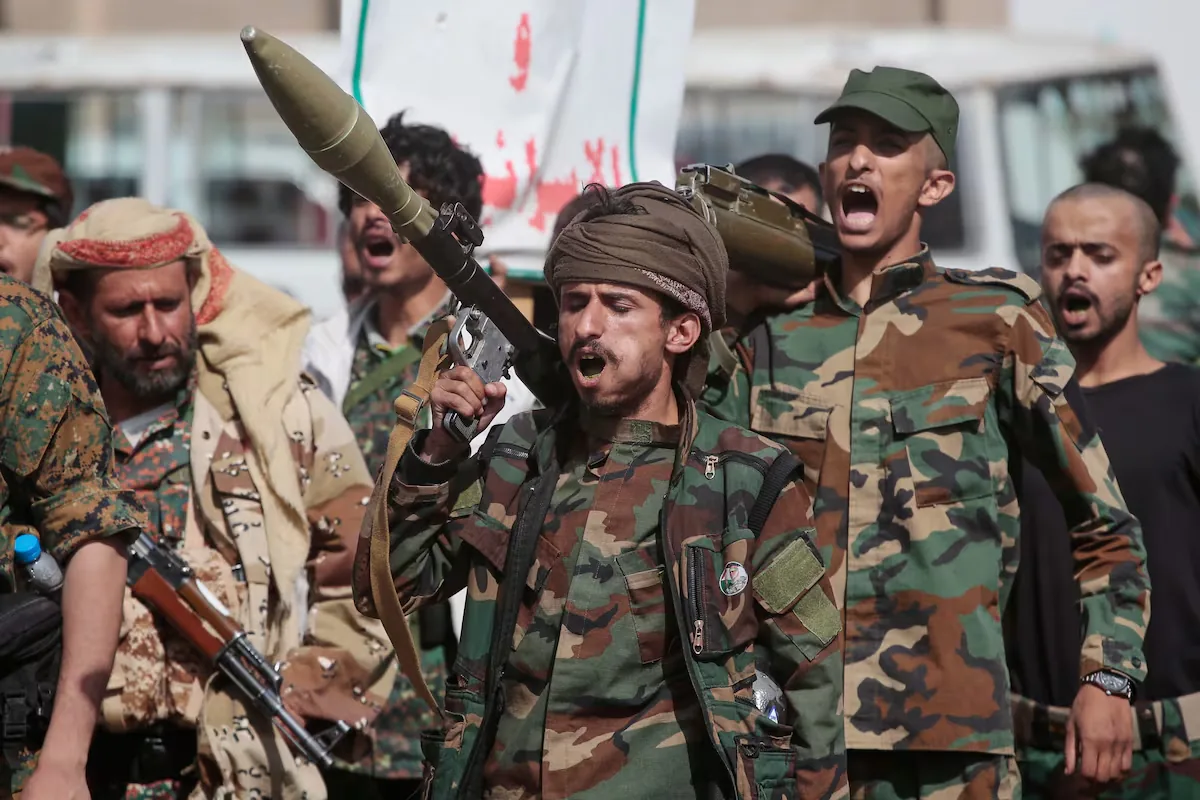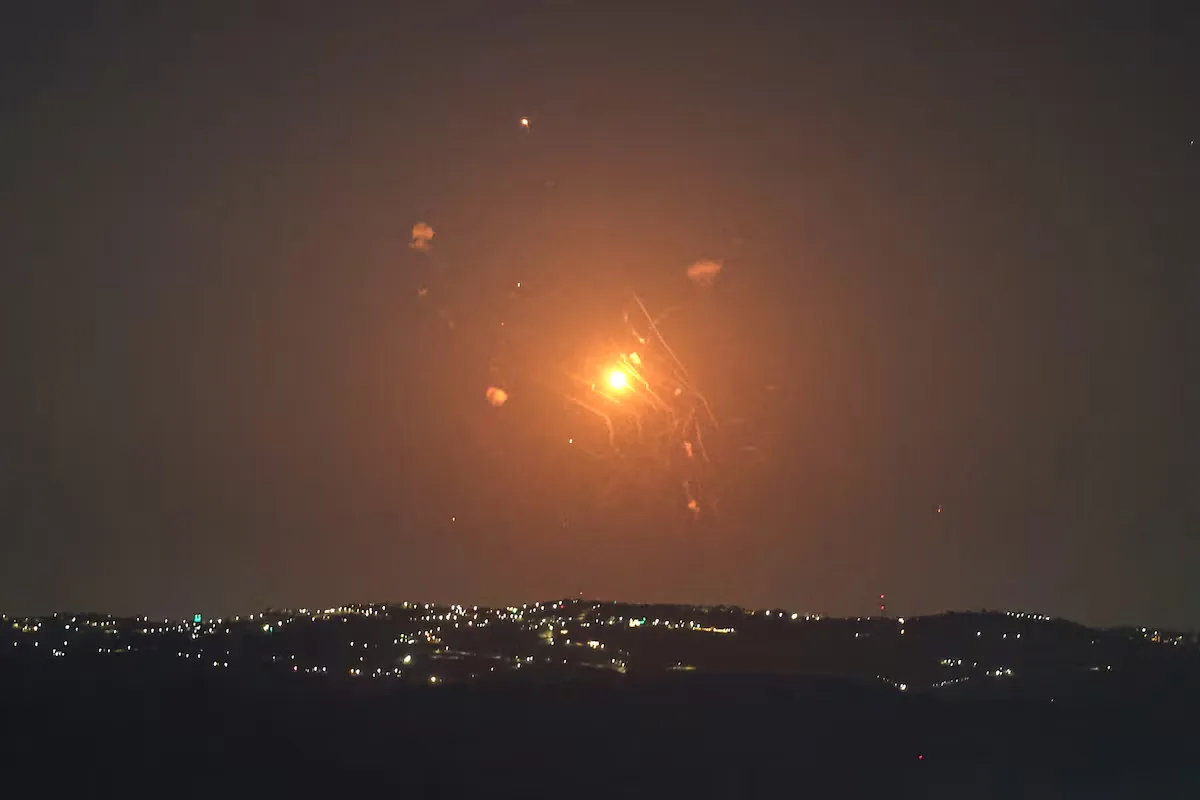








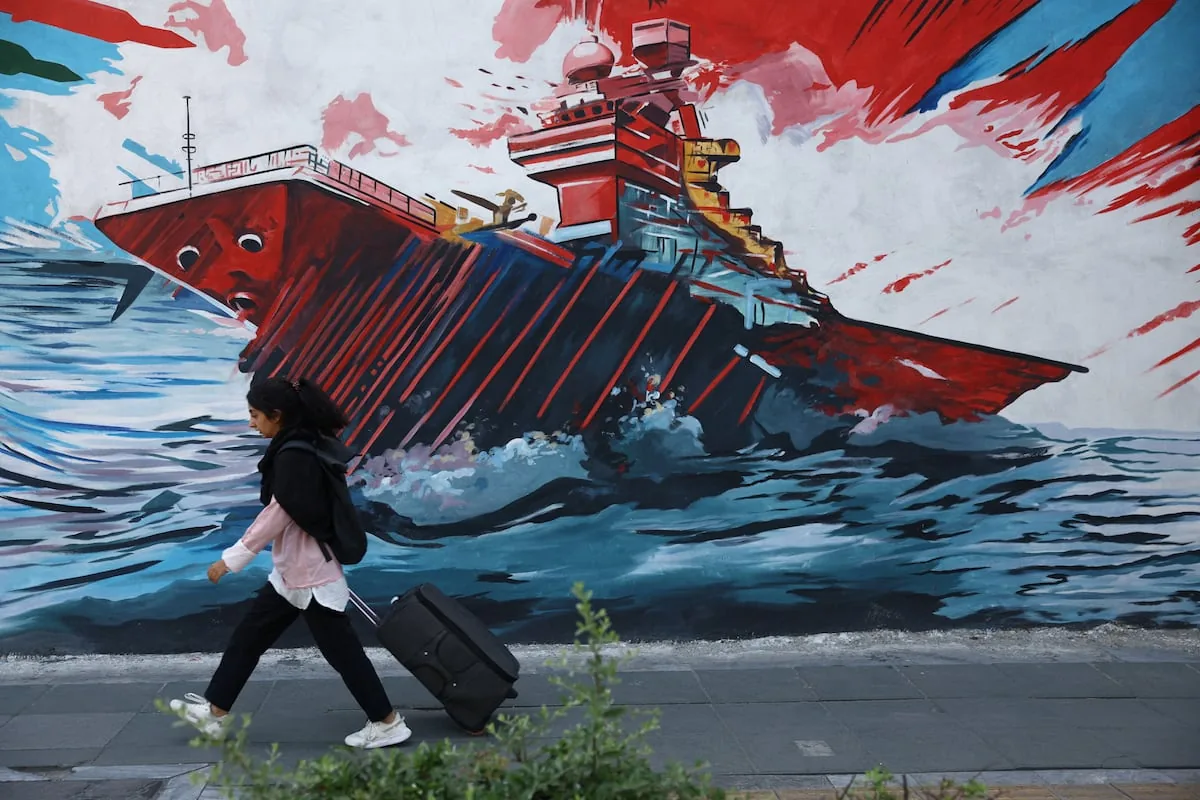
The ceasefire in the Middle East formally reached its first month last Friday: four weeks in which the truce — more than fragile — between the United States and Iran has been on the verge of collapsing several times: Washington has launched targeted attacks against Iranian vessels in the Strait of Hormuz (although not bombings on Iranian mainland territory) and Tehran fired its drones at an Emirati tanker.
Read more We put the best folding beach chairs to the test
The ceasefire is, therefore, fragile, but it has not broken; perhaps because Trump does not have legal coverage to continue the war without first asking permission from the U.S. Congress. And, as things stand, the situation has stalled in a limbo of negotiations — indirect, using Pakistan as a mediator — with no progress.
On Sunday, the U.S. president considered Tehran authorities’ latest response to his peace proposal (content still unknown) “totally unacceptable”; and this Monday the Islamic Republic reaffirmed that reply, calling it “generous” and “reasonable” and accusing Trump of being driven by Israel’s warmongering interests in the region.
The Israeli government, in fact, does not acknowledge the truce and in these four weeks has continued bombing Lebanon without any restraint, killing more than 400 people.
“Our demand is legitimate: to demand the end of the war, the lifting of the U.S. blockade and piracy, and the release of Iranian assets that have been unjustly frozen in banks due to U.S. pressure,” said the spokesperson for the Iranian Ministry of Foreign Affairs, Esmaeil Baghaei. “Safe passage through the Strait of Hormuz and the establishment of security in the region and in Lebanon were other demands from Iran, considered a generous and responsible offer for regional security.”
Baghaei also lamented that the United States “continues to rely on perceptions that have largely been constructed and promoted by the Zionist [Israeli] regime,” and called its demands “irrational.”
These are, at this moment, the red lines that keep the peace negotiations between the United States and Iran blocked:
The Strait of Hormuz
The blockade of the Strait of Hormuz, a vital maritime corridor for the global trade of oil, gas, and fertilizers, is a direct consequence of the war launched by the U.S. and Israel last February 28: before that date, no such blockade existed, but Iran responded to the attacks by threatening to bomb any ship passing through those waters, which abruptly halted the passage of ships from all over the world. And now it is no longer willing to give up control of the strait.
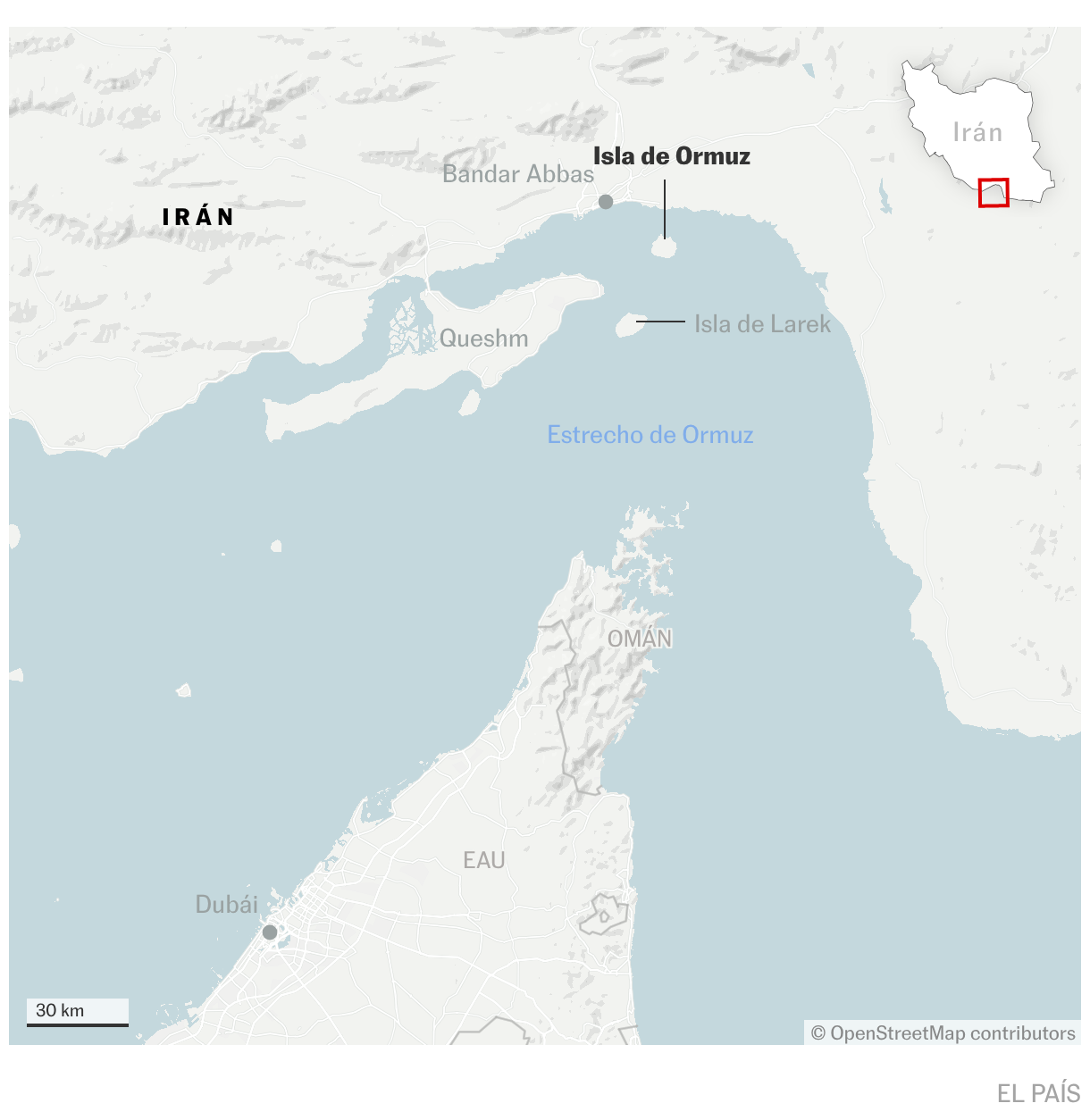
So unlocking Hormuz — returning, ultimately, to the situation before the conflict that Trump himself triggered — is one of Washington’s main demands in its peace proposal, but Tehran refuses to accept it: in its response sent over the weekend and ratified this Monday, the Islamic Republic demands to continue managing the “safe passage” through the corridor. In addition to Iran’s lockdown, a second naval blockade has been imposed for several weeks by the U.S. military against vessels linked to Tehran.
The Iranian nuclear program
The United States demands that Iran halt its uranium enrichment program; a program behind which both Washington and much of the international community see an Iranian plan to manufacture nuclear weapons, although Tehran insists it only intends to develop nuclear energy (that is, for civilian, not military, use).
The issue of the Iranian nuclear program has been going back and forth for years. In 2015, the Islamic Republic signed a historic agreement with the United States, during Democrat Barack Obama’s time, under which Iran agreed not to manufacture the atomic bomb for at least a decade, in exchange for lifting the economic sanctions it was suffering.
Three years later — when, according to all international bodies, Tehran was complying with its part — Donald Trump, already in the White House, broke that agreement to impose new sanctions on the Iranian regime. Iran then declared itself legitimized to resume its nuclear program (although it continued to deny it had a military aspect).
In June 2025, the U.S. and Israel bombed Iranian nuclear facilities and boasted of having definitively ended the program.
Last February, however, they unleashed another war, the current one, arguing that the Iranian atomic bomb was imminent. They did so while Washington was sitting at the negotiating table with Tehran.
And now, to achieve peace, Trump demands that Iran halt that program for at least 20 years. Tehran offers a pause of five years or, at most, nine years. The negotiation seems to be within that range.
The lifting of sanctions
The despotic Iranian regime — which at the beginning of the year harshly repressed yet another wave of citizen protests — has been subjected to international sanctions for decades, especially from the United States. On all fronts: economic, commercial, and diplomatic.
The EU also has a sanctions package in force in response to serious human rights violations committed by Iran. These sanctions began in 2011 and have been renewed annually, increasing notably from 2022 (after Iran’s support for Russia in the war in Ukraine). They include travel bans within the EU for high-ranking Iranian officials, freezing of funds in European banks, and a ban on providing, selling, or supplying Iran with equipment that could be used for internal repression.
The Tehran regime demands that all sanctions be lifted and also to receive some kind of compensation for the damages suffered during the war.
The blocked Iranian funds
Iran wants to recover about 27 billion dollars (around 23 billion euros), from oil sales, that remain frozen in international banks. It claims it needs them for the country’s reconstruction after the war. Both Washington and Brussels, for now, refuse.
The situation in Lebanon
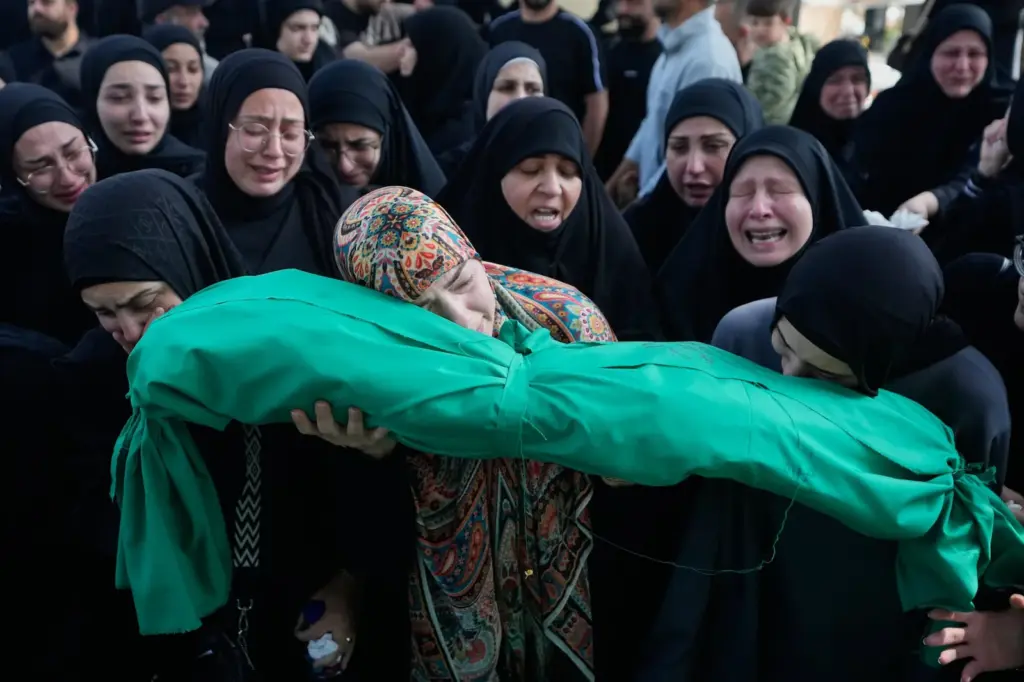
Iran argues that any peace agreement must force Israel to end its military offensive against Lebanon. The Israeli government does not want to hear about that and continues daily bombing Lebanese territory — with the acquiescence of the United States, which initially forced it to join the ceasefire but did not insist much when Benjamin Netanyahu’s government stopped respecting it —. More than 400 people, including dozens of children, have died in Lebanon from Israeli bombs during this supposed truce month.
Read more The Equitat.org foundation estimates the investment to climate-control schools at 1.3 billion