






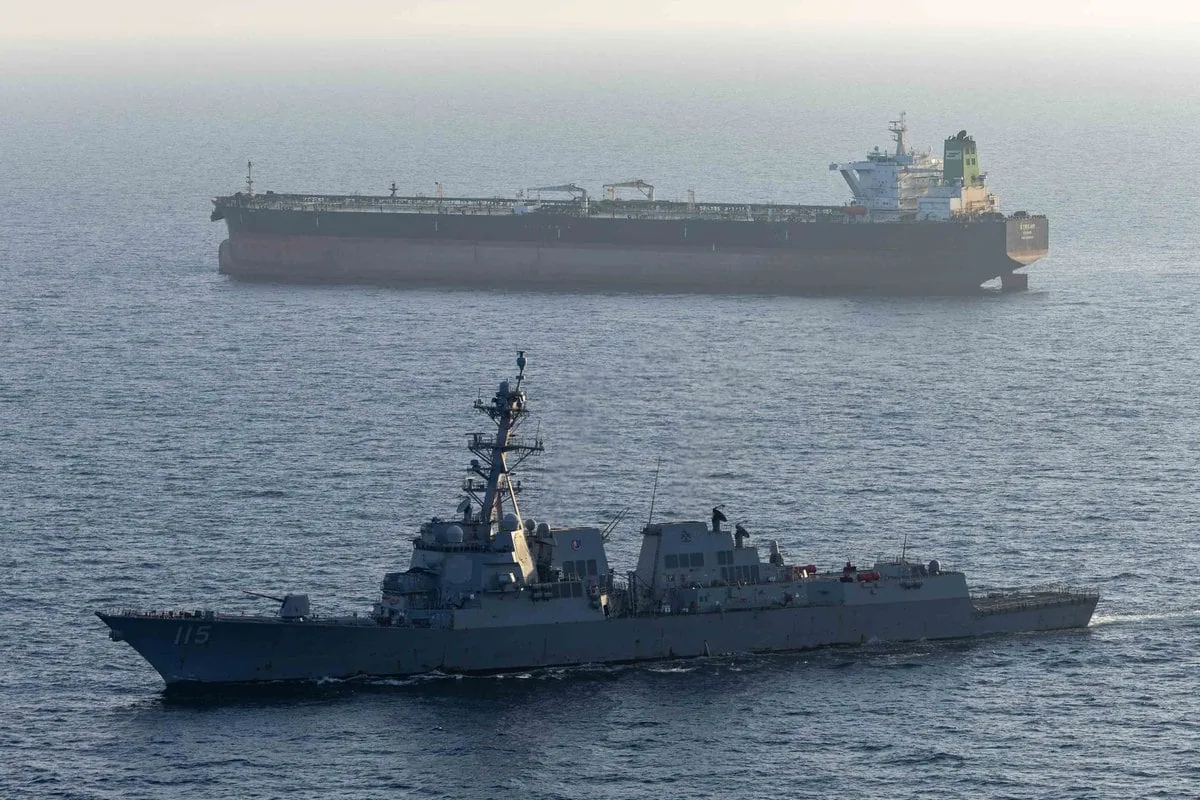
U.S. President Donald Trump has instructed his advisors to prepare for a prolonged blockade of Iran, according to The Wall Street Journal, which cites U.S. officials. The report adds that the president believes other options, such as resuming bombings or withdrawing from the conflict, carry more risks than maintaining the blockade in the Strait of Hormuz, through which 20% of the world’s crude oil passes. The U.S. Treasury Department announced this Tuesday the sanctioning of 35 entities and individuals for integrating an Iranian financial network linked to oil and weapons. In Lebanon, thousands of families are mentally preparing to remain forcibly displaced due to a conflict between Hezbollah and Israel for which they see no immediate solution. Meanwhile, the European Parliament is holding a debate on the impact of the war in the Middle East on energy and fuel prices and supplies.
EL PAÍS offers free real-time updates on the U.S. and Israel attack against Iran. If you want to support our journalism, subscribe.

Energy crisis
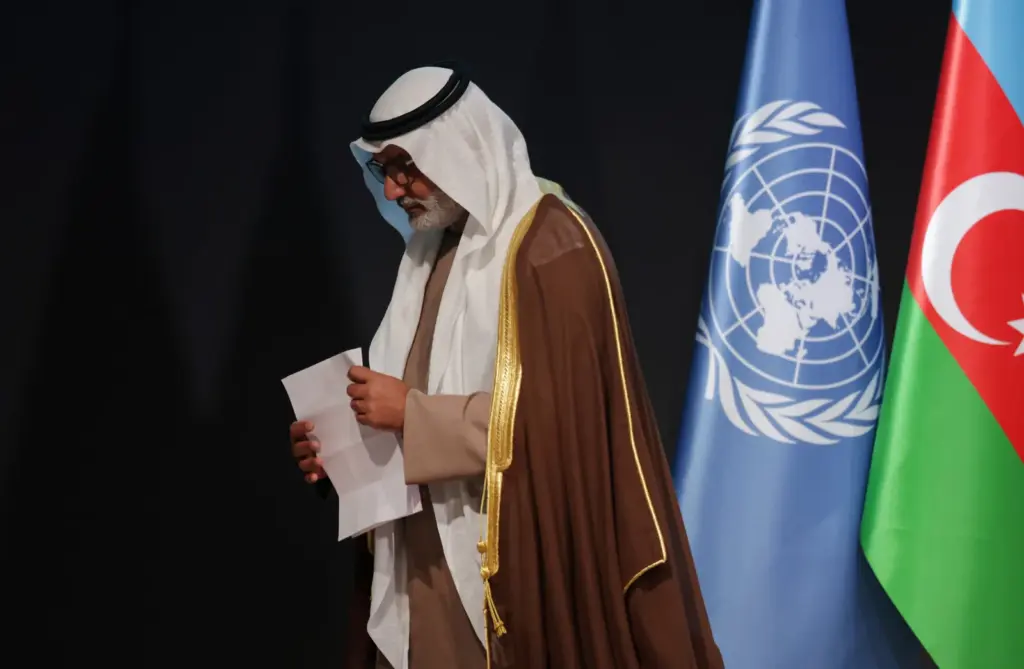
OPEC keys: what is this oil cartel and why is Emirates breaking away?
The war in Iran, which in just two months has shaken the global energy chain, is now opening a rift in one of the pillars of oil diplomacy of the last five decades. Amidst the blockade of the Persian Gulf, the United Arab Emirates announced this Tuesday its withdrawal from the Organization of the Petroleum Exporting Countries (OPEC), the cartel that has set the course of the crude oil market since the energy crisis of the seventies. An organization that has lost weight with the rise of other producers such as the United States, Canada, or Brazil, which has increased the economic and political cost of influencing oil prices through production increases or cuts.
You can read the full information here.
editorial
Dangerous Standoff in Iran
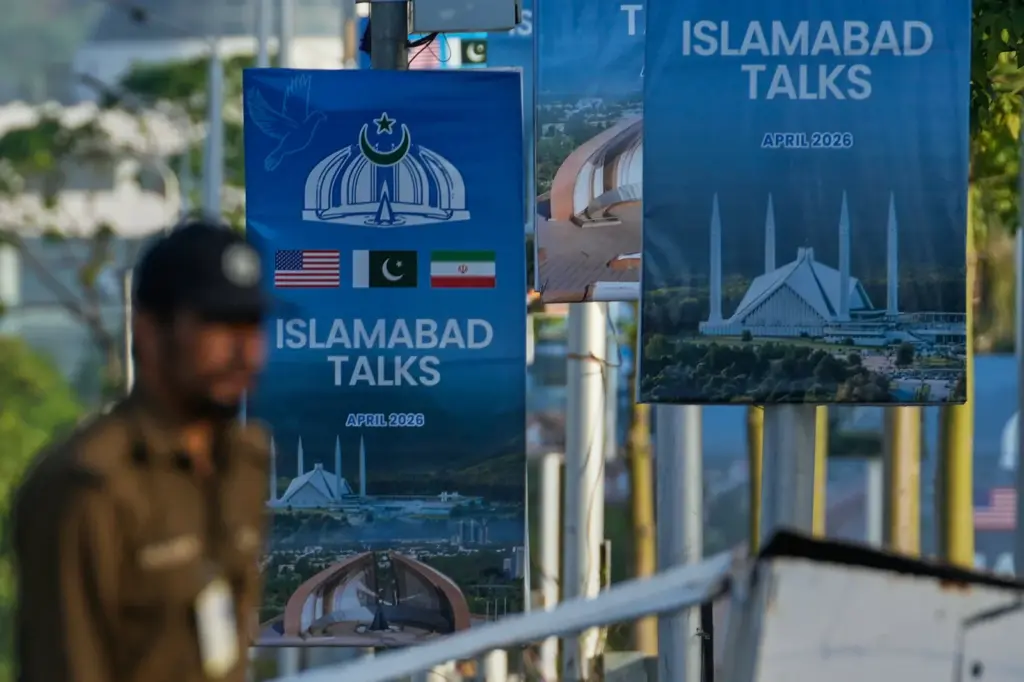
The peace negotiations that are not quite getting off the ground between the United States and Iran, with the reopening of the Strait of Hormuz as the most urgent objective, have entered an indefinite standoff. The consequence, with each passing day, is the prolongation of the gradual but constant strangulation of the Middle East hydrocarbon corridor and, with it, the possibility of a global recession. There are no signs of a minimum agreement that would allow not an impossible return to normality, but at least the reopening of the oil flow through the strait. This temporary silence of arms may create an impression of a permanent cessation of hostilities. That would be illusory, and dangerous.
You can read the full editorial here
War against Iran
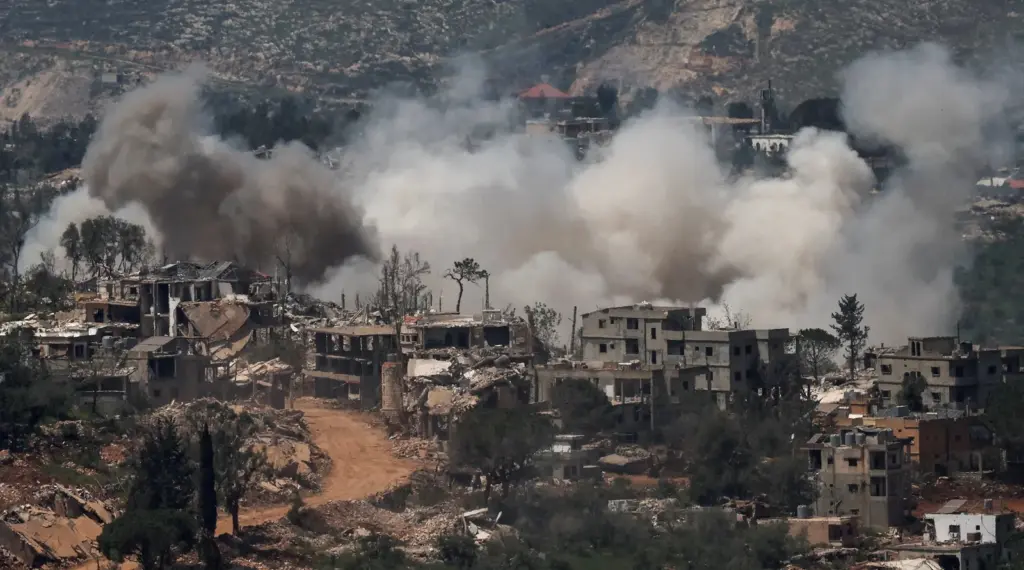
Residents of southern Lebanon pack their bags in case the war forces them to flee again
In the middle of a lush garden in southern Lebanon, Mehdi, Abbas, and Rana (fictitious names) cling to their chairs and shisha pipes as if their lives depended on it. The scene, which might seem like an idyllic summer siesta where everything happens calmly and slowly, holds a paradox. These residents of Bourj Rahal, a municipality near the city of Tyre, rehearse this daily routine while having everything ready for when the bombs force them to flee again.
You can read the full information here

Caution in stock markets with focus on the Fed and big tech results
Caution in stock markets with focus on the Fed and big tech results: Concerns about the war in Iran and the health of the AI sector dominate markets ahead of the U.S. Federal Reserve (Fed) interest rate decision. Oil prices stand at 111 dollars per barrel of Brent amid stalled efforts to end the conflict in the Middle East. The commodity had previously risen to almost 112 dollars after a Wall Street Journal report stating that President Donald Trump ordered his advisors to prepare for a prolonged blockade of Iran.
MSCI’s broadest index of Asia-Pacific shares outside Japan fell 0.2%, retreating for a second consecutive day from Monday’s record highs. Japanese markets are closed for a holiday, while Hong Kong and mainland Chinese shares rose. U.S. stock index futures showed slight gains and the EuroStoxx 50 anticipated a flat opening session in Europe.
The Fed faces Powell’s last meeting caught between inflation and growth doubts
The consensus bets on unchanged rates, although it foresees a cut at the end of the year. The Senate banking committee votes tomorrow on the appointment of Kevin Warsh.
U.S. sanctions 35 entities for integrating an Iranian financial network linked to oil and weapons
The U.S. Treasury Department announced this Tuesday the sanctioning of 35 entities and individuals for their alleged participation in a covert financial network that facilitates Iran’s movement of billions of dollars and access to the international financial system.
According to the Office of Foreign Assets Control (OFAC), the sanctions are part of the so-called Operation Economic Fury and target structures that oversee a shadow banking system used to channel proceeds from illicit Iranian oil sales.
According to the Treasury, these networks also enable actors linked to the Iranian armed forces, including the Islamic Revolutionary Guard Corps, to acquire sensitive components for missile programs and transfer funds to groups considered terrorist by Washington.
This sanction joins the one the United States imposed on April 24 on another network it accused of boosting Iran’s oil trade and “ghost fleet.” The sanctions announced by the Treasury Department affect the independent Chinese refinery Hengli Petrochemical and some 40 shipping companies and vessels linked to what Washington calls the “shadow fleet” that transports Iranian oil. These types of sanctions have been categorized by Treasury Secretary Scott Bessent as: “Economic Fury,” assuring that the United States will maintain commercial and financial pressure on Tehran as the indefinite ceasefire in the Middle East continues.
In addition to these measures, the United States maintains a naval blockade against all Iranian ports, a measure that would be affecting 90% of the Islamic Republic’s trade, according to Central Command. U.S. President Donald Trump stated this Tuesday on his Truth Social account that Iran has communicated to him that it is in a “state of collapse” and that, while they resolve their leadership problems, they want Washington to reopen the Strait of Hormuz “as soon as possible.” (Efe)
Trump orders advisors to prepare for prolonged blockade in Iran
U.S. President Donald Trump has ordered his advisors to prepare for a prolonged blockade in Iran, the Wall Street Journal reported early Wednesday, citing U.S. officials. (Reuters)
Good morning. We begin our live coverage of the latest developments in the Middle East conflict, this Wednesday, April 29. We remain attentive to the peace negotiations between the United States and Iran, which remain stalled. Meanwhile, the Strait of Hormuz remains closed.
In southern Lebanon, residents are once again packing their bags in case the war forces them to flee again due to a conflict between Hezbollah and Israel for which they see no immediate solution.
U.S. President Donald Trump “has ordered his advisors to prepare for a prolonged blockade of Iran,” according to the Wall Street Journal, citing U.S. officials.
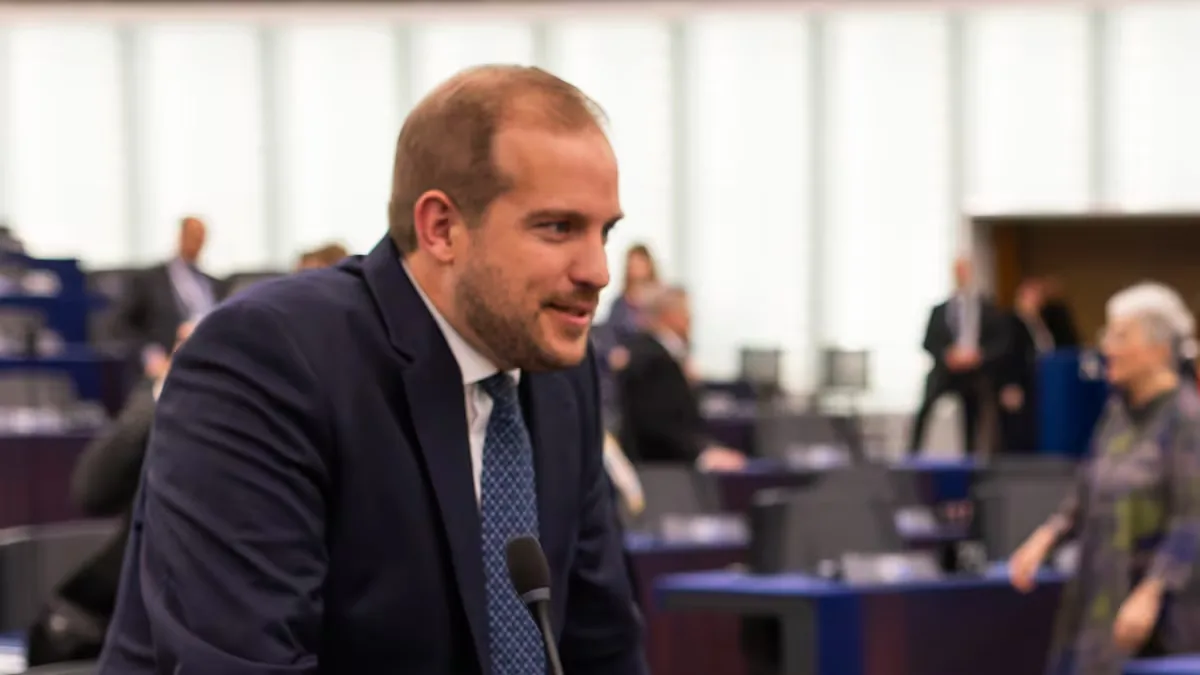
Additionally, the European Parliament plenary is debating with European Commission President Ursula von der Leyen about the war against Iran and its impact on energy and fuel prices and supplies.