


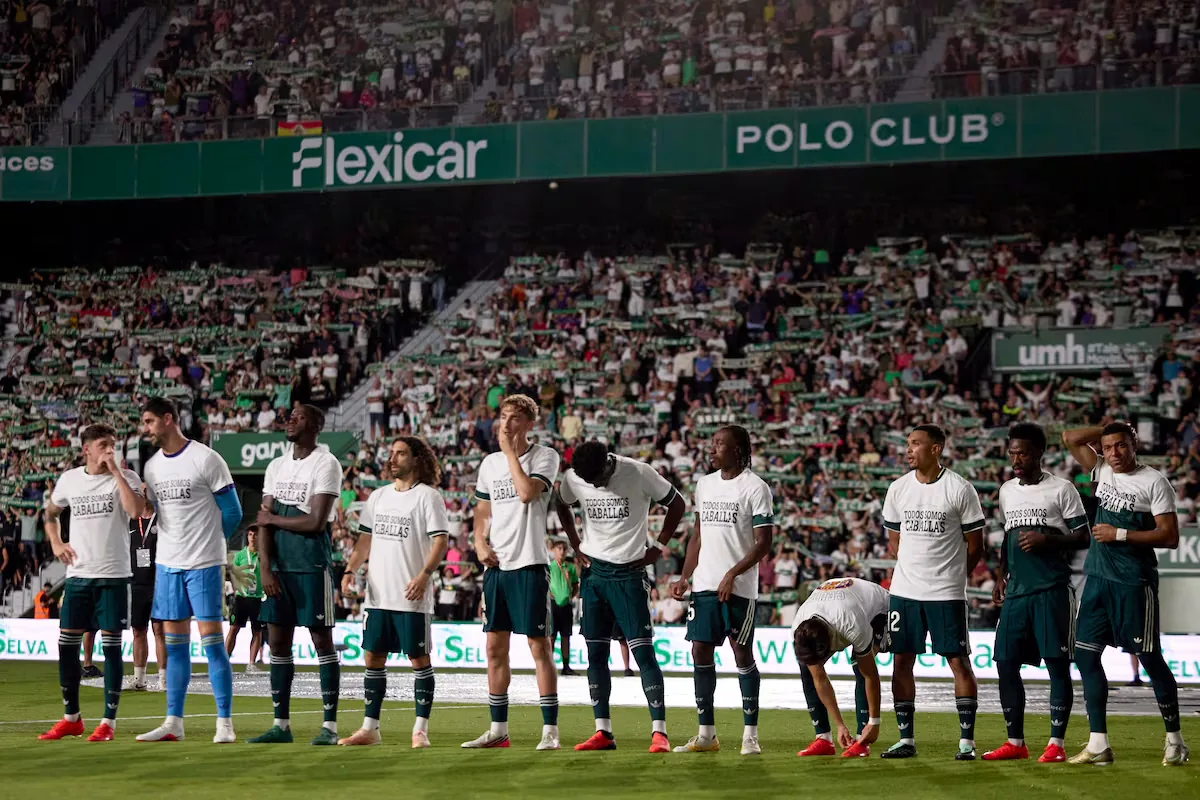
The same phrase can have multiple interpretations. The seemingly pure and benevolent message —“We are all caballas”— can unleash a storm. Especially in the world of football, an industry not very accustomed to free thought. Nor to respecting the freedom of expression of footballers, who even had to defend in court (and won) their right to protest in the early moments of a league matchday. That happened a year ago, when LaLiga tried to close a Villarreal – Barça match in Miami without offering much information to the players. This time, the refusal of three footballers to join a campaign previously agreed upon by their club and the host club has clashed, again, with freedom of expression. Also with the feeling of national identity due to the crisis in Ceuta.
Read more Sevilla storms Riazor and ends Deportivo’s unbeaten run
Vinicius Jr., Kylian Mbappé and Ibrahima Konaté are at the center of the controversy after they distanced themselves this Tuesday from the campaign supporting Ceuta promoted by a group of powerful Valencian businessmen and endorsed these days by some First Division clubs, including Elche, which hosted Real Madrid in the match corresponding to the sixth day of the League.
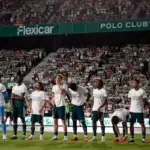
It was Tuesday night at the Martínez Valero stadium and players from both teams took to the pitch wearing white shirts with the slogan “We are all caballas.” However, the three Madrid players, in a very calculated gesture, did not display the message in the same way as their teammates: the three came out with the shirt partially folded — you could read “We are all caballas,” but not the tagline: Ceuta and its sea knights — and took it off after stepping onto the green, posing for the photo, and greeting their opponents.
Their gesture was not fully understood from some quarters until this Wednesday when Madrid forward Mbappé offered explanations in a talk with the newspaper As: “I have all the solidarity with Ceuta and with all the victims. Because before being a player, I am human. But I also wanted to have a gesture and a thought for all the immigrants who have lost their lives and who are also in harsh conditions,” he began.
And he continued: “It was not an easy, difficult position, because in the end people might think that I am against the people of Ceuta but no, absolutely not. I have nothing against them and I support them 100% with my thoughts. But I also wanted to have a thought for all the people who suffer, because in the end I am human and I don’t want to prioritize suffering. There are people who suffer and it makes me very sad to see that in the world. I am a guy who wants the best for the world we have. I intend to give a message of positivity and peace, and I hope this is resolved quickly.”
Until Wednesday night, the white players had not wanted to publicly explain the reasons why they refused to fully support the tribute. However, the move placed, as Mbappé explains, the three Madrid players in a delicate position. Due to their known political stance, closer to left-wing postulates, especially in Mbappé’s case — he has spoken out expressly on the rise of the far right in France: “I am against extremes, those who divide,” he declared before the last Eurocup and the possible electoral victory of Marine Le Pen — and for their clear demands against racism. And not necessarily due to a rejection of the Ceuta population, but also against a campaign that forgets in its postulates the difficulties and suffering of the migratory movement. Or that targeted another footballer, the Moroccan Ez Abde, who did participate in the event organized days earlier in Villarreal – Betis and wore the shirt along with the rest of his teammates. After the images were spread, he received numerous criticisms and insults on social media from Moroccan users.
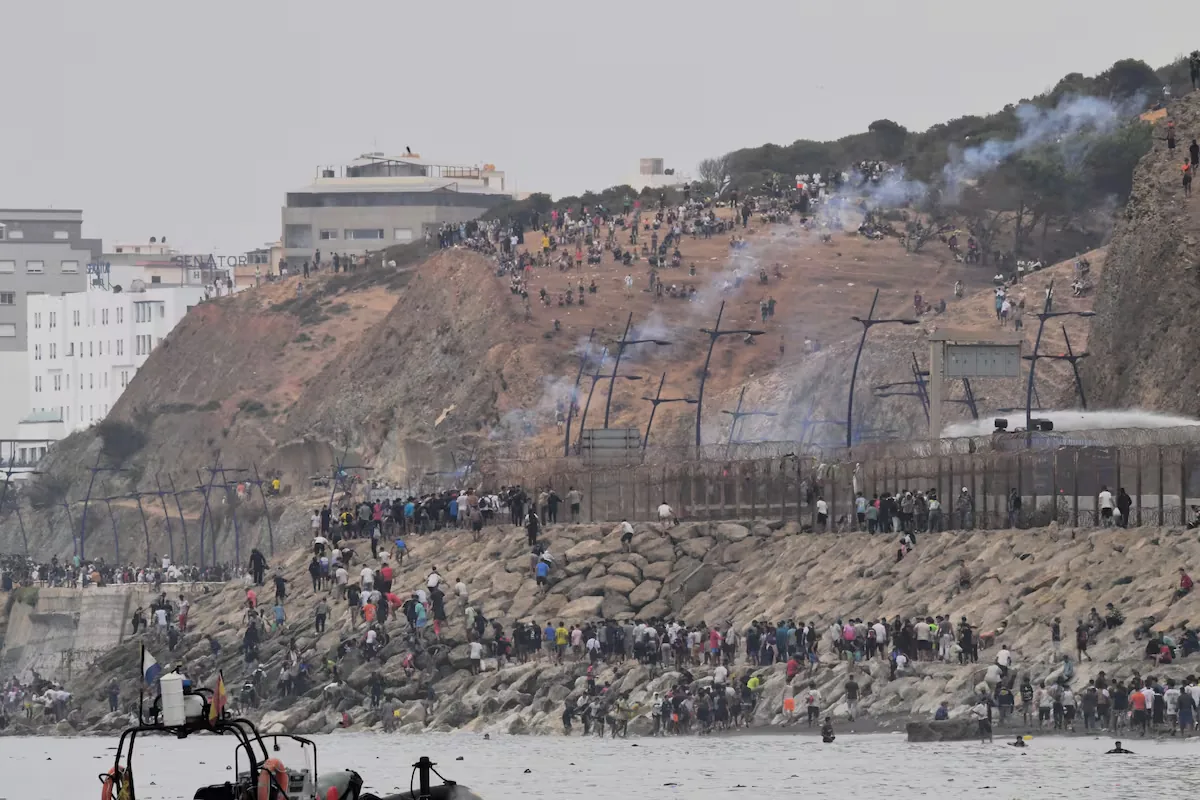
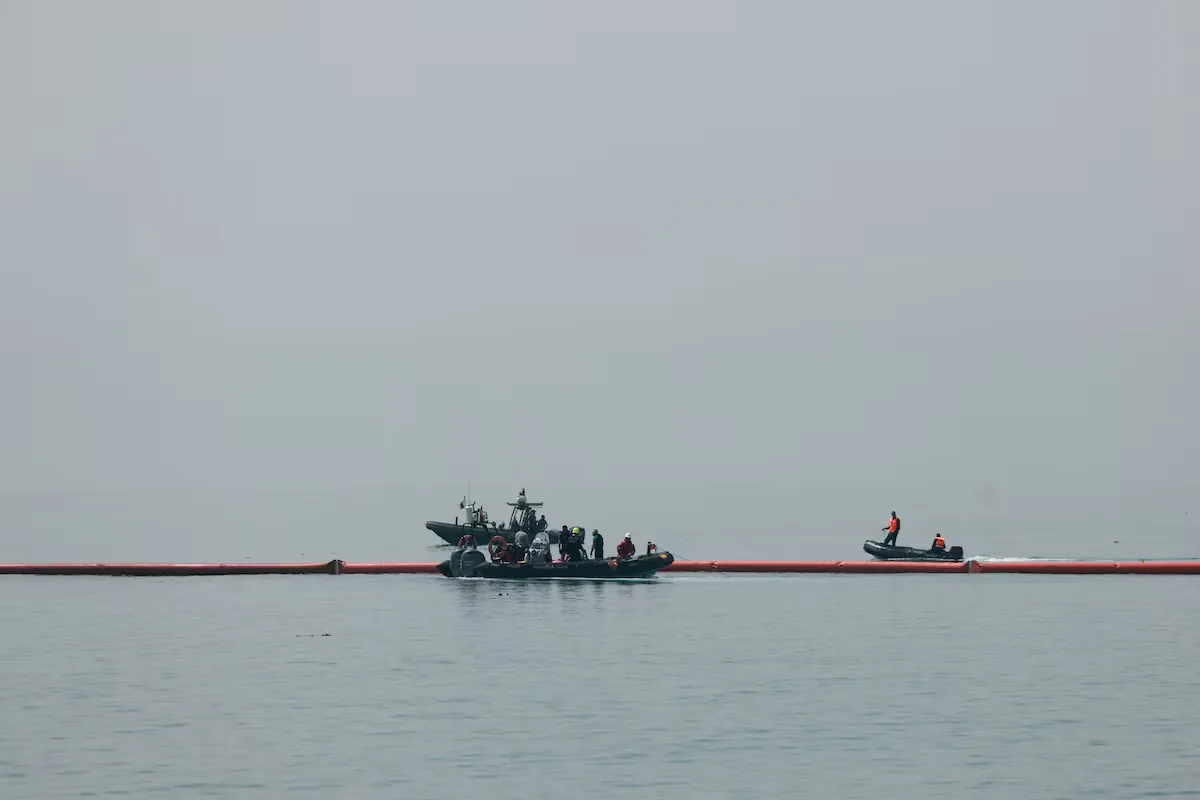
“Caballas” is the popular nickname for the inhabitants of Ceuta. The campaign arose as a show of solidarity with the autonomous city after the serious migratory crisis triggered at the end of July, when tens of thousands of people crossed from Morocco. The episode caused a strong political, economic, and social shock in the city, which remains mired in despair.
According to the promoters of the initiative, the goal is to convey to the people of Ceuta a message of support, unity, and institutional backing under the slogan “Ceuta is not alone.” The case, however, is that the initiative is not institutional but private. The campaign was launched on September 11 by the Valencian Business Association (AVE), headed by Vicente Boluda Fos, one of the most influential businessmen in the Valencian Community, president of Boluda Maritime Corporation and of the business association since 2011.
Boluda, who is not affiliated with any known party nor has held political office, was interim president of Real Madrid between January and May 2009 after Ramón Calderón’s resignation and later even considered running against Florentino Pérez for the presidency of the white club.
Knowing who promotes the initiative was, in part, the reason why a club like Barcelona decided not to join the campaign when Levante proposed it during their recent visit to Ciutat de València. “It was an initiative of the Valencian Business Association, chaired by Mr. Vicente Boluda, under the slogan #EmpresariosConCeuta, unrelated to Barcelona,” sources from the blaugrana house indicate. And they add: “The club has positioned itself in favor of freedom of expression and, therefore, we respect both those who express themselves and those who decide not to. All opinions and positions, both individually and collectively, are very respectable.” Barça also understands that this campaign is, above all, a pressure measure by the Valencian association in favor of some of its members with interests in Ceuta. Hence their refusal.
The stance of Vini, Mbappé, and Konaté has unleashed all kinds of criticism, especially among right-wing parties — yesterday PP and Vox spoke of “shame” or of going “against Spaniards” — and even from the president of the employers’ association, Javier Tebas, who said he found it “very bad” that a few footballers did not join an act agreed upon by the clubs. The counterpoint came, from the union field, from the president of the Spanish Footballers Association, David Aganzo, who defended that before agreeing on such a movement, footballers must be informed: “They cannot receive a shirt just any way. It is a matter of coordination and, of course, freedom of expression,” he concluded.
Read more El Celta falls in Cyprus and transfers its bad start of the season to the Europa League