









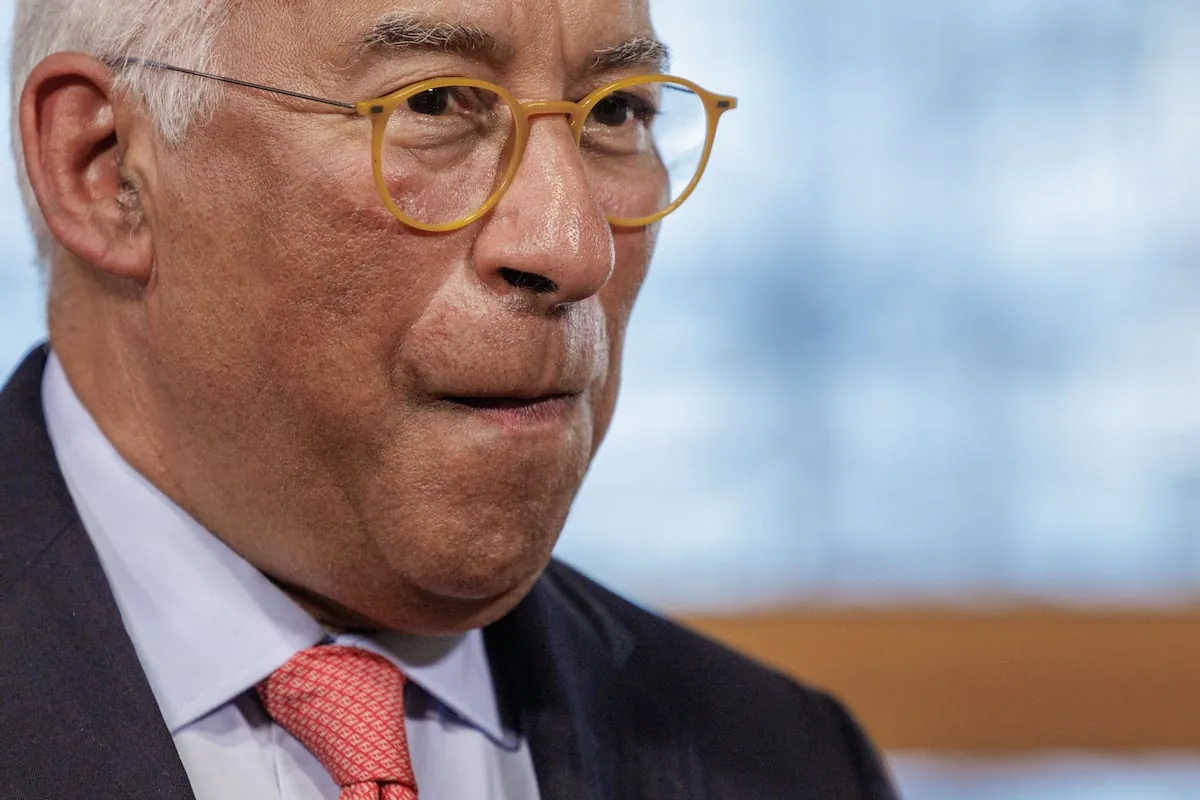
Mexico and the European Union want to make clear their approach and common commitment to multilateralism, amid the growing global chaos intensified after Donald Trump’s return to the US presidency. And they will do so in person, at the highest level, in a bilateral summit. It will be the first in more than a decade and will be held in Mexico City on May 22. According to a joint statement announced by Mexican President Claudia Sheinbaum and the President of the European Council, António Costa, the meeting will serve to give final approval to the update of the trade agreement in force since 2000.
Read more Three bodies found floating off the coast of Alicante in just two days
“The European Union and Mexico have a deep and lasting partnership based on mutual respect, shared values, and a firm commitment to multilateralism,” Costa declared from Brussels. “Our common vision of the world, based on the defense of cooperation, sustainable growth, and respect for international law, unites Europe and Mexico on both sides of the ocean,” he added on social media.
It will not be just another meeting: although they used to be held regularly, there has not been an EU-Mexico summit since 2015. On that occasion, the venue was Brussels. The growing global uncertainty, due to the bellicose and tariff policies of the United States, has forced other countries to seek alternative alliances, and a Brussels eager to open markets and channels of dialogue has intensified gestures to the neighbors—and trading partners—of the American continent over the past year.
The summit “will constitute a decisive moment in the bilateral relationship and will allow consolidating a new stage of the strategic partnership between Mexico and the European Union,” Costa and Sheinbaum agreed in a phone call in which they finalized the details of the meeting, which on the European side will be attended by both the former Portuguese prime minister and the President of the European Commission, Ursula von der Leyen.
“I look forward to visiting Mexico to continue advancing our joint priorities: trade, investment, climate and environment, energy, gender equality, health, and research,” Costa listed.
🇪🇺🤝🇲🇽 After my phone conversation with @ClaudiaShein, I am pleased to announce that the next EU-Mexico summit will take place on May 22 in Mexico City.
Our common vision of the world, based on the defense of cooperation, sustainable growth, and respect for the…
— António Costa (@eucopresident) April 30, 2026
Less than a month after the provisional entry into force, this very Friday, of the EU-Mercosur agreement, the Mexican summit will serve to sign the Strategic Partnership Agreement on Political, Economic, and Cooperation matters between Mexico and the European Union” (Modernized Global Agreement) and the Interim Trade Agreement, once the corresponding internal procedures in the European Union have been completed.
Read more Brussels reforms merger rules to boost the creation of “European champions”
The Modernized Global Agreement, which was finalized days before Donald Trump’s return to the White House, after almost eight years of negotiation, “will update and deepen the existing framework of the political, cooperation, and economic relationship established with the entry into force of the Mexico–European Union Global Agreement in 2000,” the statement recalls. It is a “historic agreement” that will allow both parties to “deepen” cooperation in key areas such as economic growth, greater protection of the climate and labor rights, and global governance,” Costa trusts.
Both Europe and Mexico have been frequent targets of attacks and threats from the Republican leader during this long year of Trump’s presidency. The modernized agreement, similar to others like the one reached with Chile in 2023, seeks to boost exchanges amounting to 82 billion euros. It also helps consolidate the European strategy of “diversification” that Brussels has promoted since Trump’s return.
“Closing trade agreements with partners like India, Mercosur, and Mexico is a clear EU strategy to be stronger and more independent through diversification,” the European Commission said during von der Leyen’s speech at the Munich Security Conference, where the German emphasized that the EU “has no choice” but to be more independent and diversify its alliances.
The modernized agreement, which is “comprehensive” in nature, the Costa and Sheinbaum statement recalls, “will strengthen the relationship in all its areas and lay the foundations for deeper collaboration in strategic sectors for the sustainable development of both parties.”
The meeting, Costa trusts, will also serve to demonstrate “the value of open and constructive cooperation to face the challenges and opportunities of our time.”