






Hate is growing in Spain. More than half of LGTBI+ people (54%) have experienced a hate situation in the last year. This has been expressed through harassment, discrimination, or aggression, both in public spaces and digitally, according to the report State of LGTBI+ Hate 2026, prepared by the State Federation LGTBI+ (Felgtbi+) together with the Institute of Policies and Public Goods of the CSIC and based on a survey conducted by 40dB. Despite this increase in lgtbiphobia ―10% more than in the previous report―, the study also confirms that hate crime reports have doubled since 2024 (rising from 17 to 35%).
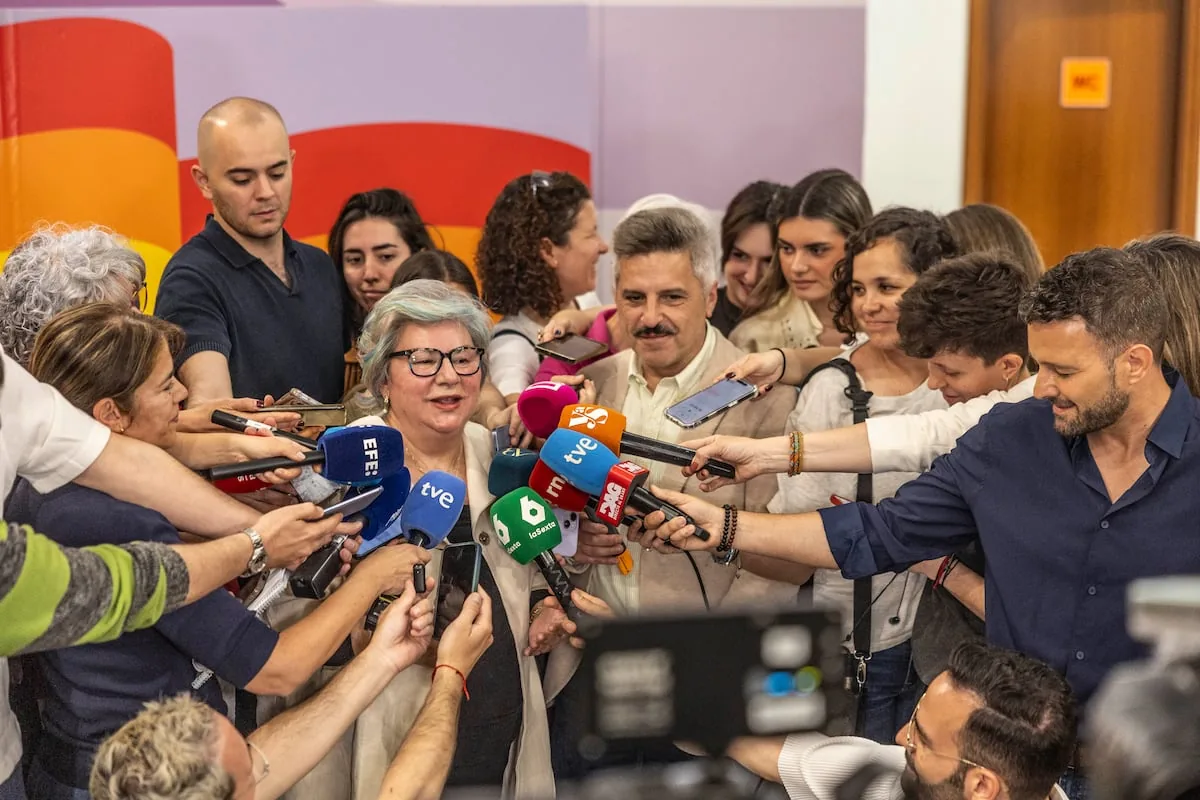
“LGTBI+ people identify and recognize situations of harassment, discrimination, and aggression more clearly as acts of hate. This is key to activating support and reporting mechanisms, as well as allowing better measurement of the phenomenon and greater awareness of its magnitude,” the research details, which was presented this Thursday at the Felgtbi+ headquarters in Madrid.
“Although the community seeks help, it does not always find it in public agencies,” warned the federation’s president, Paula Iglesias, referring to another finding of the research: 74% of people who reported to the authorities had some kind of negative experience. Hence, Felgtbi+ emphasizes that many victims feel more comfortable turning to organizations and entities defending the community’s rights. “Many assaults remain hidden due to distrust in a system of which we were also victims, or due to the absence of properly trained authorities and mechanisms to intervene in complex situations where multiple intersectionalities may converge,” Iglesias continued.
In Spain, between 11 and 12% of the population over 18 identifies as part of the LGTBI+ community, according to the CIS survey on Sexual and Couple Relationships from 2025. “This would amount to about five million people,” note Felgtbi+. Bisexuality is the orientation that predominates: more than half define themselves this way, both in the CIS and in the 40dB survey.
Additionally, among young people, recognition as part of the community is higher than the general figure: 30% of those under 24 identify as LGTBI+, while 20% do so in the 25 to 34 age range. Among those over 45, it drops to 4%. This indicates that there is currently greater ease in expressing diversity.
The majority of LGTBI+ people interviewed for State of Hate 2026 perceive that public harassment and hate speech have increased. This is confirmed by data from the Ministry of the Interior: in the last four years, hate crimes have risen by 30%. In 2024, the date of the latest published figures, 1,955 hate crimes and incidents were recorded in Spain, 30% more than four years ago. Of these, almost a third (528) were attacks on the victims’ sexual orientation or gender identity; it is the second motivation of aggressors, after racism and xenophobia.
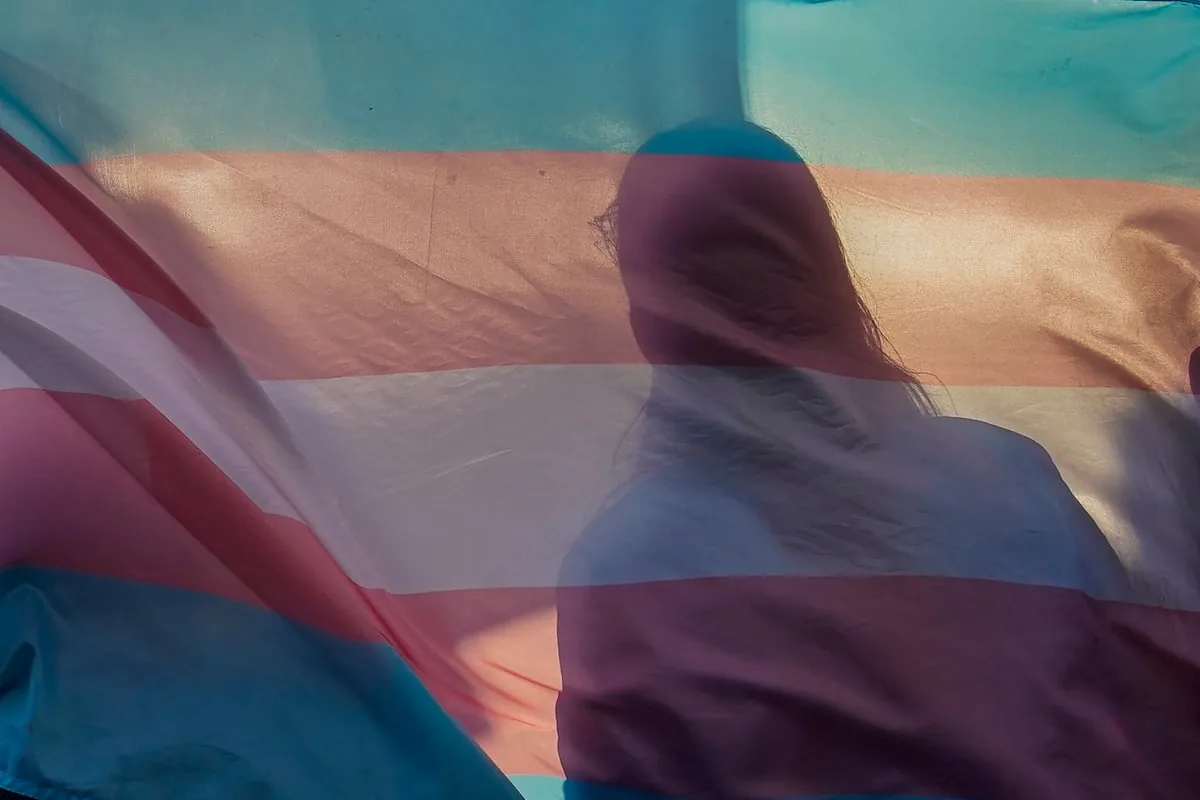
Felgtbi+ warns that in the last two years the prevalence of harassment has risen from 20 to 36%; discrimination from 23 to 29%; and assaults from 7 to 22%. “Hate affects more intensely LGTBI+ people in greater vulnerability such as trans people ―one in two has suffered physical assaults―, young people, those with lower educational levels, those with lower incomes, or those with other intersectionalities, such as racialized people or those with disabilities,” emphasized the federation’s research lead, María Rodríguez.
Digital lgtbiphobia
The report presented this Thursday by Felgtbi+, which has been produced since 2022 and is based on 800 interviews, analyzed for the first time the relevance of digital hate: 44% state they have been subject to some type of violence (insults, harassment, isolation). In the physical realm, 36% of respondents have suffered harassment; 29% discrimination; and 22% physical or sexual assaults. Additionally, 11% claim to have suffered all three forms simultaneously, and approximately half of the victims report having experienced these situations more than three times in the last five years, evidencing patterns of revictimization.
“It is concerning that the experience of hate situations remains at such high levels,” highlighted Laura Morales, research professor at the Institute of Policies and Public Goods (CSIC) and co-author of the report. For the expert, this points to the existence of a social and political climate that allows and legitimizes violence against LGTBI+ people: “There is a risk that this hate becomes structural if public action is not effectively directed to combat it.”
Felgtbi+ has long been demanding the urgent approval of a state pact against hate speech. “If hate advances, protection must do so in even greater strides,” stressed the federation’s president. Precisely, this week there have been meetings to advance this matter; PSOE sources state the idea is to approve it this year. “Hate speech is the prelude to violence,” Iglesias added, “and only a democratic consensus, such as this state pact, can guarantee stable and lasting protection. We need a democratic tool that generates structural reforms and long-term protective measures. Any alternative would be a mere short-term patch and a missed opportunity to safeguard our protection.”
Read more Waiting lists hit a new record: 853,509 people are waiting for surgery