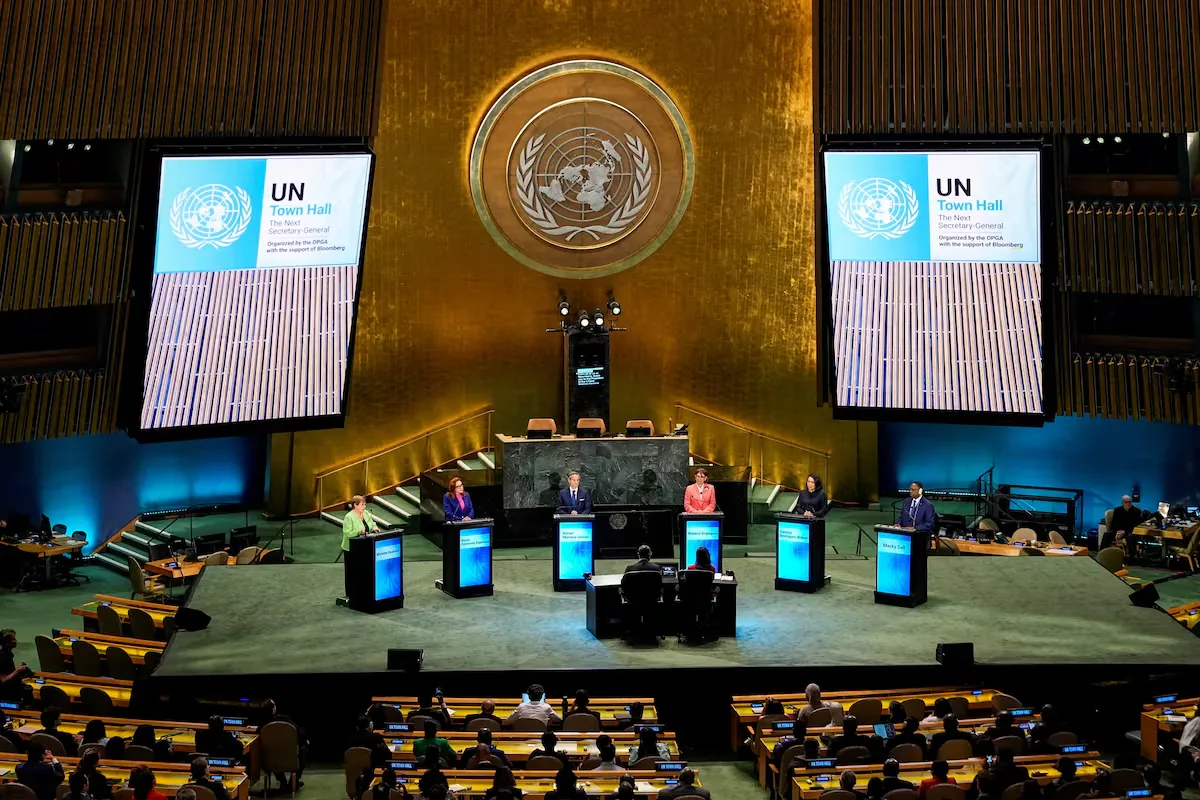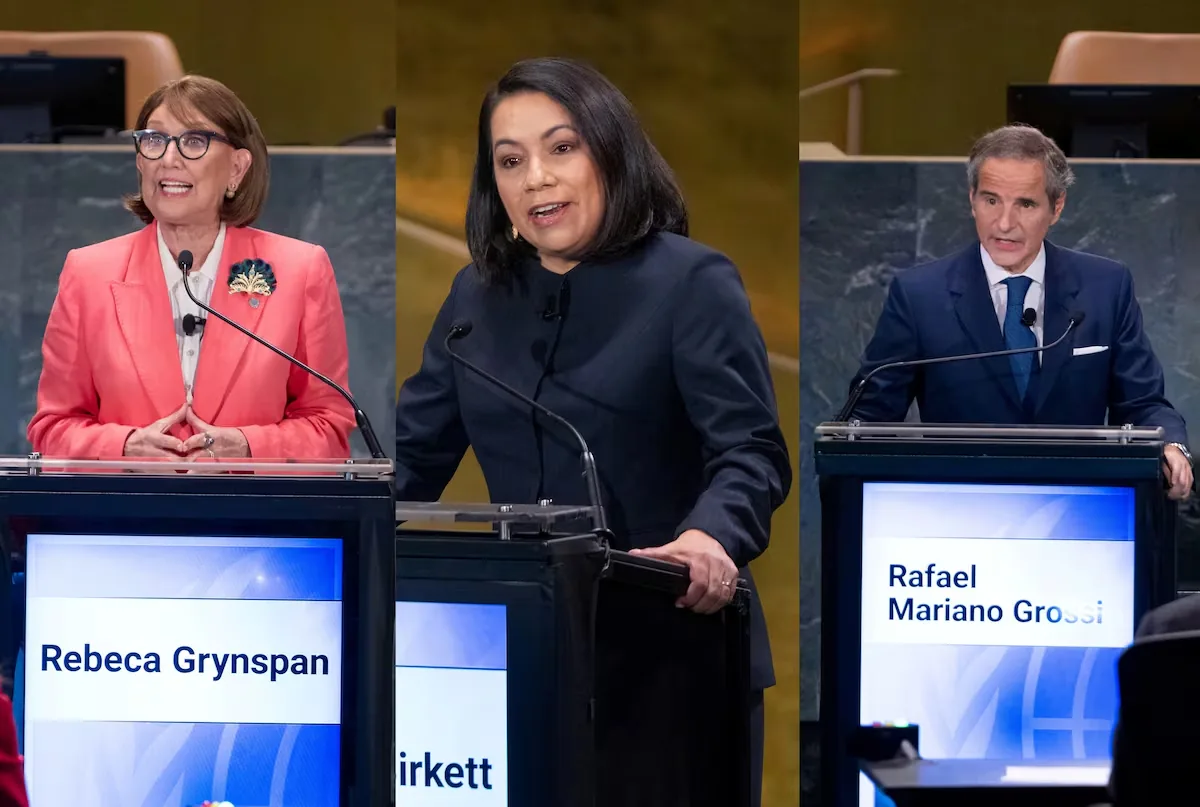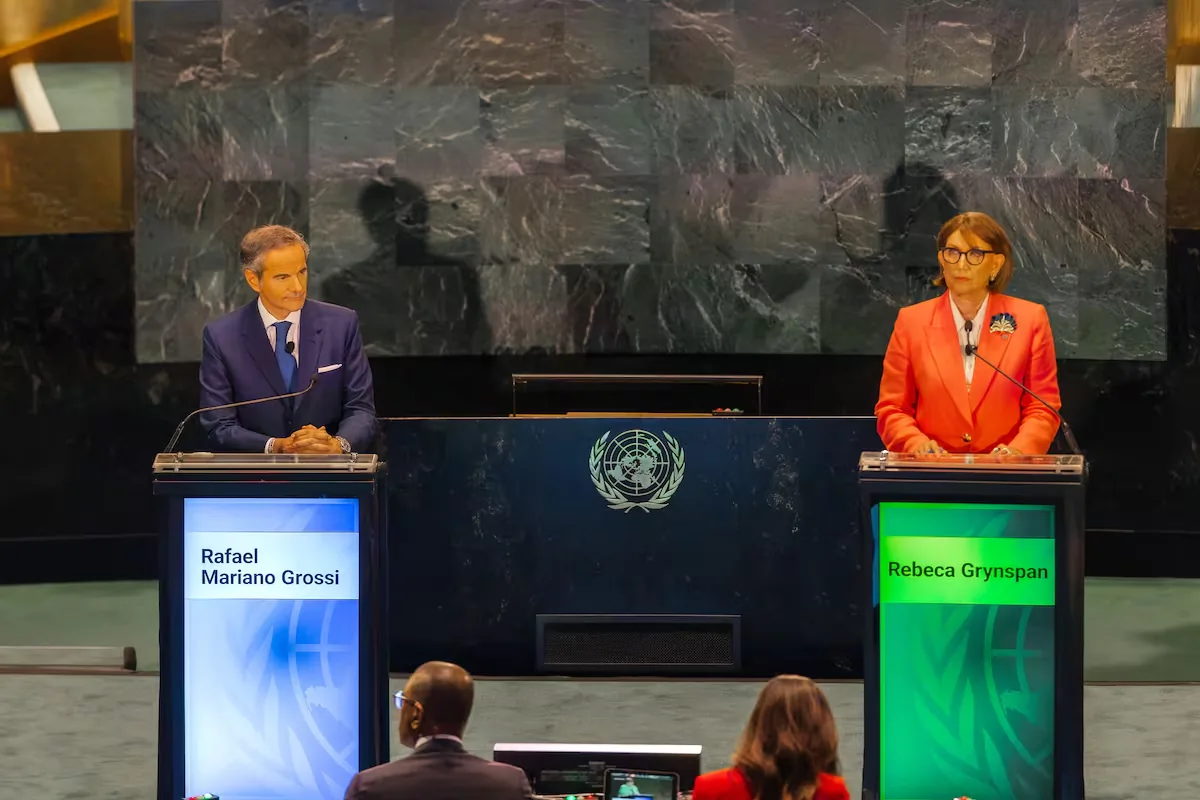

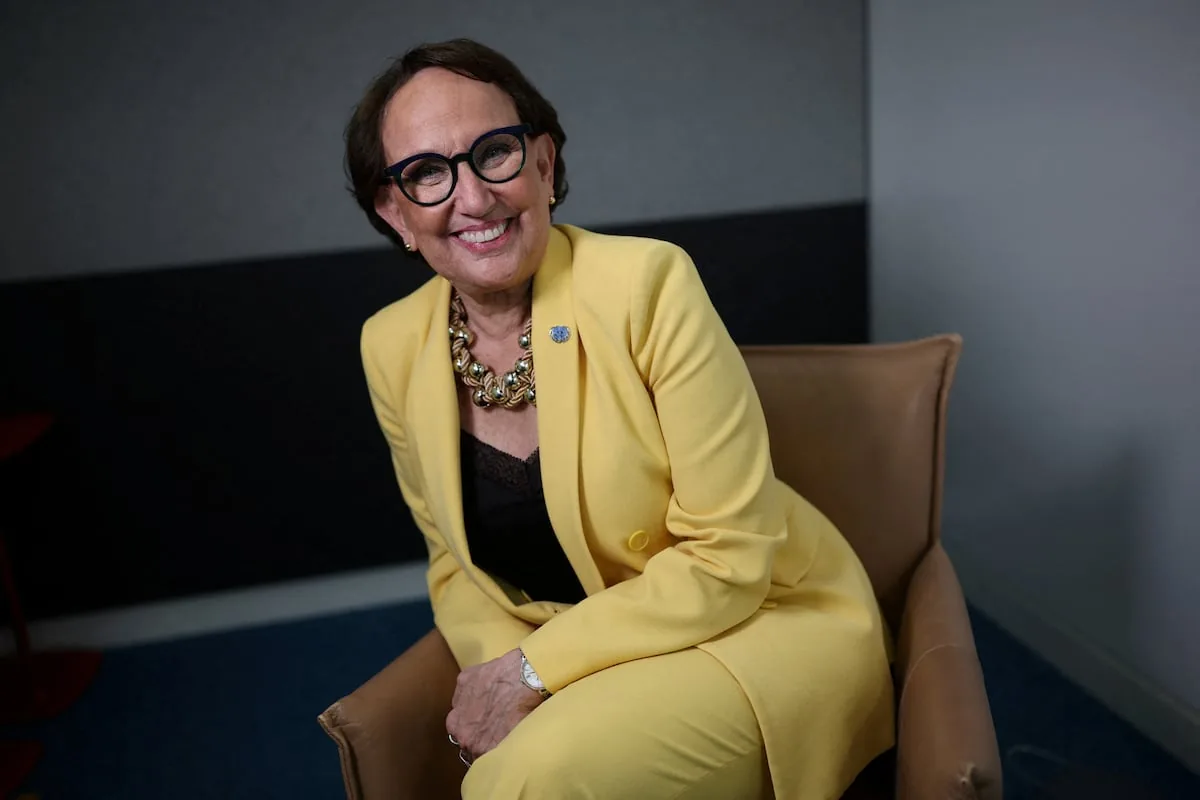
The presentation of Rebeca Grynspan’s program as a candidate for UN Secretary-General this Wednesday concluded the examination of the main aspirants for the post before the members of the General Assembly and representatives of civil society. After the presentation of former Senegalese president, Macky Sall, with few options, the starting gun will sound for the succession of the current Secretary-General, António Guterres, on January 1.
Although the subsequent presentation of other candidates cannot be ruled out —the unofficial deadline ended on April 1, but it is not definitive—, the leadership of the organization, immersed in a crisis of reputation and institutional and financial solvency, will be decided among three Latin Americans: the Costa Rican Grynspan, the Chilean Michelle Bachelet, and the Argentine Rafael Grossi. There is no written rule, but the traditional geographical rotation suggests that the chosen one will come from that region.
Bachelet and Grossi presented their roadmap on Tuesday, and the current IAEA director did not hold back a pessimistic view on the future of the organization. “The trend is not good, there are enormous doubts about our institution,” said Grossi, whose simultaneous performance as IAEA director, on the front line due to the war in Iran, and as a candidate for Secretary-General has raised doubts about the financing of his campaign. Grynspan has put aside her duties as head of the United Nations Conference on Trade and Development (UNCTAD) until September to avoid possible conflicts of interest during her candidacy.
Facing the criticism garnered by Bachelet from US Republicans —the Chilean, socialist and feminist, has the most marked political profile among the aspirants—, Grossi, a 65-year-old career diplomat, took refuge in his six years of experience at the head of the IAEA to throw darts —at the US for the war in Iran and at Russia for the one in Ukraine— and at the same time offer soothing words, assuring that “even in times of division, multilateral institutions can generate a real and positive impact.” “A good Secretary-General is one who knows how to maintain balances,” he affirmed, defending a more “active and pragmatic” role for the UN in confronting conflicts in the face of “the return to war on a global scale.”
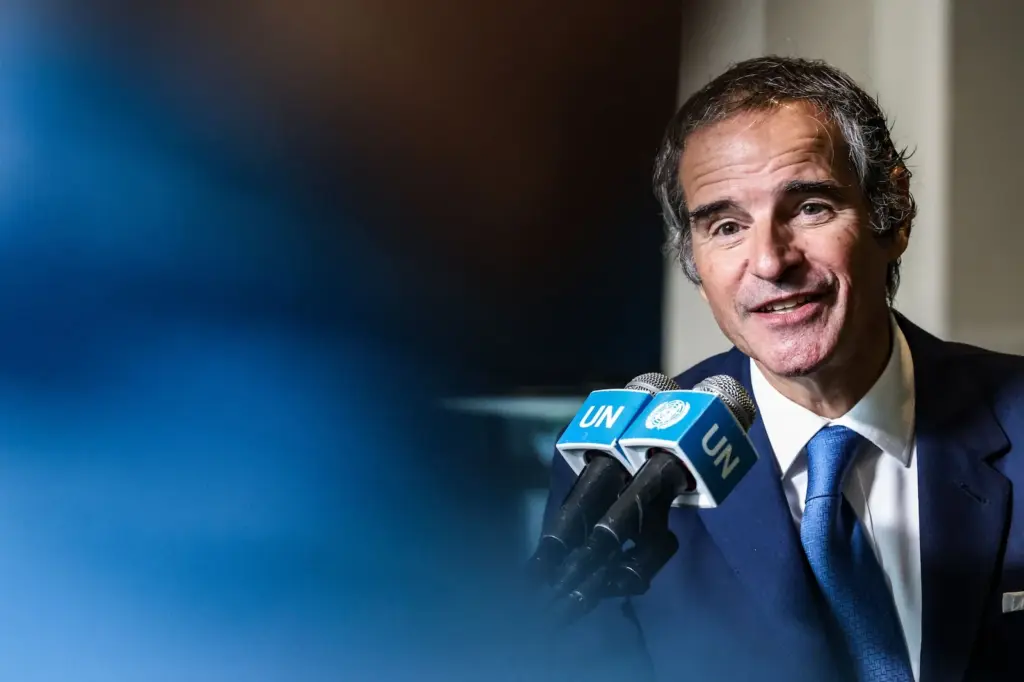
The UN, Grossi stressed, must be “present in all its forms, with determination” to address problems “be they war, climate change or humanitarian needs.”
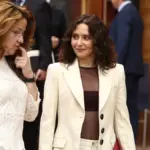
Grynspan, 70, former Vice President of Costa Rica and head of UNCTAD, has defined herself as a reform-minded multilateralist, firmly convinced of the UN’s commitments to peace, development, and human rights. She has also championed her fight to break down gender barriers. “I don’t expect special treatment; what I want is equal treatment,” she declared on the eve of Wednesday’s hearing, regarding the long-awaited possibility of the UN having its first female Secretary-General in 80 years of history.
“If I am elected UN Secretary-General, I will be a reformer. I know these halls, I know the pressures you endure, I will be accessible to all Member States,” Grynspan said in the presentation of her program, a mere 10 minutes of exposition followed by almost three hours of questions from Member States and NGOs.
In response to one of the questions about the role of these organizations, the Costa Rican assured that, as UN Secretary-General, she will work with NGOs to maximize the organization’s impact and, specifically, the promotion of women. Regarding the underrepresentation of developing countries in UN bodies, she stated that, as someone from a region underrepresented in the UN system, they will have greater weight in a Security Council that reflects today’s world.
Regarding the reforms contemplated by the UN80 initiative, launched last year by Guterres as a comprehensive reform plan for the institution, the candidate pointed out that financial cuts are not enough: “More reforms are needed, and structural reforms must go further.”
In response to a question from the European Union representative about the UN allocating 1% of its budget to human rights, Grynspan did not answer whether she would preserve that budget —all UN funding is in question—, merely stating: “When rights begin to be violated… it can be an early warning tool, [triggering] preventive diplomacy of early engagement,” she said, with the convoluted and abstract language that so often hinders, if not prevents, the identification of the real world with the organization.
Unlike Bachelet’s markedly political profile, Grynspan offers one convenient for a UN in crisis. “I have dealt with financial difficulties all my life, even in the Government of Costa Rica. I am a strategist. We need to reverse the current trend, but we cannot do it without Member States,” said Grynspan, an economist by training, regarding countries’ debts and unpaid contributions.
Her family origin connects her directly with the foundational spirit of the UN: daughter of parents who fled Europe after World War II, it was this conflict that gave birth to the United Nations, an organization that, as the President of the General Assembly, Annalena Baerbock, said on Tuesday, was founded “not to achieve paradise, but to avoid the hell [of another war].”
Grynspan defines herself as “a mature leader,” with a leadership style shaped by public service at the head of UNCTAD. Hence, her promise, if elected, to lead a more agile United Nations —the organization’s elephantine size is a major handicap— through collaboration with other actors and the safeguarding of the organization’s fundamental values, is her main asset.
The hearings, designed to ensure transparency in the selection process for Guterres’ successor, have been marathon sessions with a battery of questions covering current geopolitics and the UN system itself. Many inquiries focused on the ongoing reforms in the institution as it shrinks in both staff and budgets, as well as in international relevance.
Direct references to the wars in the Middle East, Ukraine, Sudan, and Gaza, where Israel regularly violates a ceasefire, were few during the presentations by Bachelet and Grossi, as were mentions of the pressing humanitarian crises in much of the world. The relative silence on these matters may reflect a preference by diplomats to keep the conversation muted in this context to prevent current events and the real world from disrupting their programs.
On the first day, of the five permanent members of the Security Council (Great Britain, China, France, Russia, and the United States), only Great Britain and Russia asked questions. Bachelet and Grossi appeared nervous during their respective conversations but more comfortable when speaking with journalists afterward. The former Chilean president defended her advocacy for the right to choose —referring to abortion—, which has placed her in the sights of President Donald Trump’s Administration. A single veto in the Security Council would derail a candidacy.