





The battle has just begun and the outcome is still very open. But the first skirmish to choose the woman or man who will lead the United Nations from 2027 has left a winner: the Costa Rican Rebeca Grynspan.
Thursday’s vote, the first conducted by the 15 members of the Security Council, was the setting to outline preferences among the seven candidates (at the last minute a new name joined the six official ones: that of former Ugandan minister Olara Otunnu). This is a very opaque process, with no public information available. But leaks show Grynspan as the best positioned.
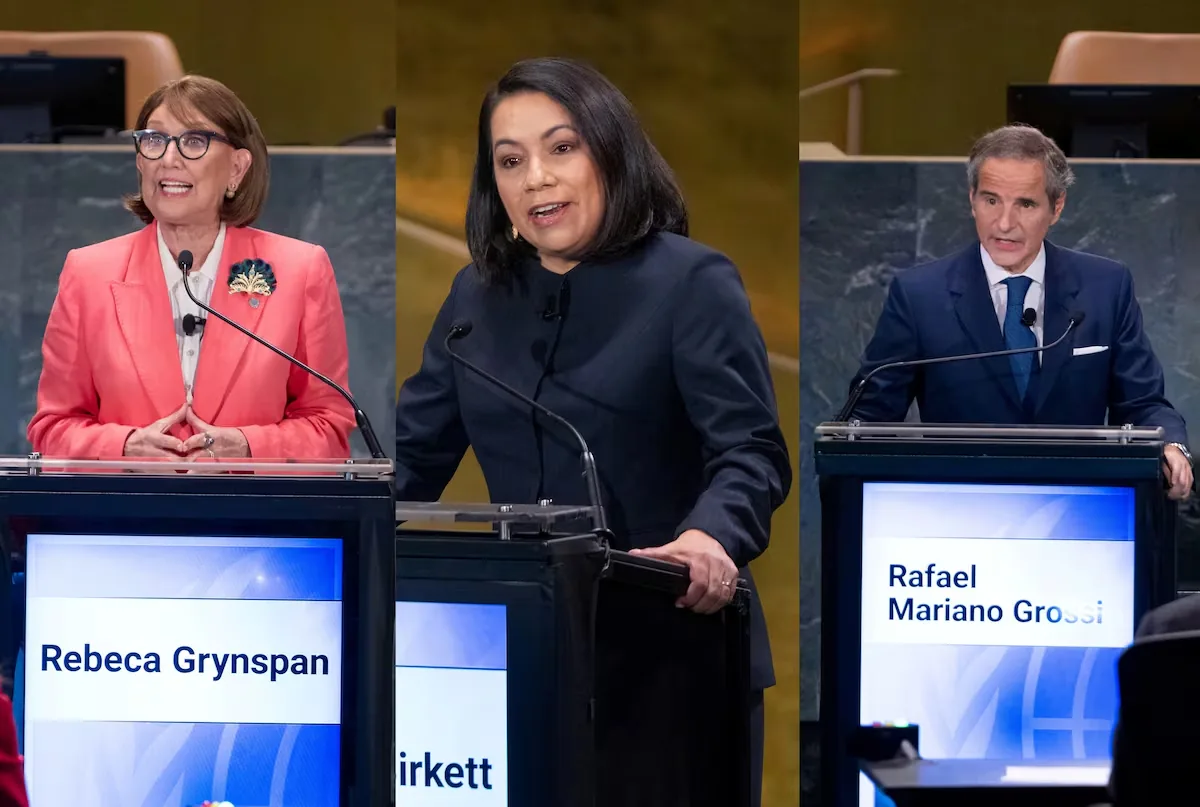
According to the specialized media PassBlue, the Secretary-General of UNCTAD (United Nations Conference on Trade and Development) — a position from which she has taken an unpaid six-month leave to focus on the campaign — would have received 10 affirmative votes, one negative, and four abstentions. The problem with this data is that it is not known from which country each vote comes, making it difficult to get an idea of the stance of the five veto-wielding member states, who will ultimately decide the outcome.
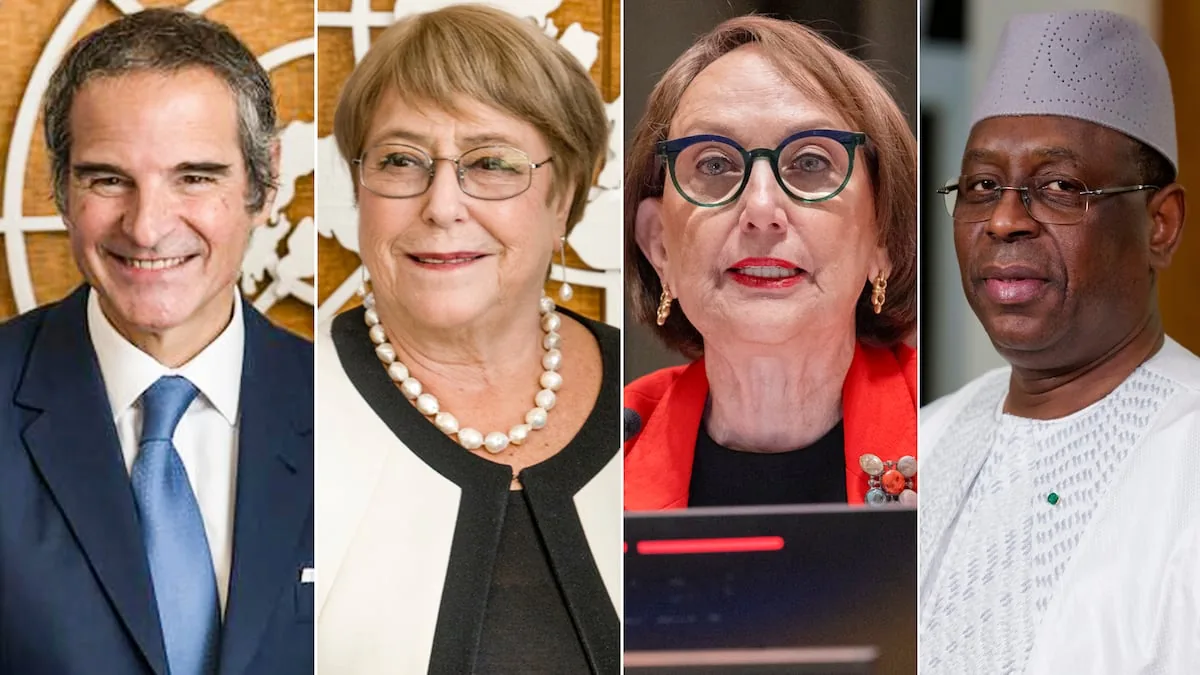
In second place — according to the same information, which cites several diplomats as sources — was the Guyanese Carolyn Rodrigues-Birkett, former Minister of Foreign Affairs, with nine yeses, two noes, and four abstentions. And in third place, the Argentine Rafael Grossi, Director General of the International Atomic Energy Agency — a position he still holds — with seven votes in favor, two against, and six abstentions. Grossi’s team, very confident in their chances, expressed surprise at this result.
Far behind are the Chilean Michelle Bachelet, the Senegalese Macky Sall, the Ecuadorian María Fernanda Espinosa, and the Ugandan Otunnu. More rounds of these informal polls are expected, in which Security Council members indicate, by secret vote, whether they “encourage,” “discourage,” or have no opinion on each candidacy.
Read more The Valencian bullfighter El Niño de las Monjas suffers a severe goring in the neck in Peru
This is the beginning of a process that may last for months. Nothing is decided yet, because new candidates with the capacity to shake up the deck and force the cards to be dealt again can still be presented. But Thursday’s vote marks an important trend for those who follow with interest the race to replace the Portuguese António Guterres.
Now the 15 members of the Security Council have shown their opinion. But the key phase of the process will be when the so-called color votes take place, in which it is distinguished whether the votes come from the United States, France, the United Kingdom, Russia, or China, the five veto-wielding members. These are the ones who truly decide who is out and who is in the race. Unless there is a last-minute surprise, it will take weeks or months to see which candidates survive without any veto from the big five.
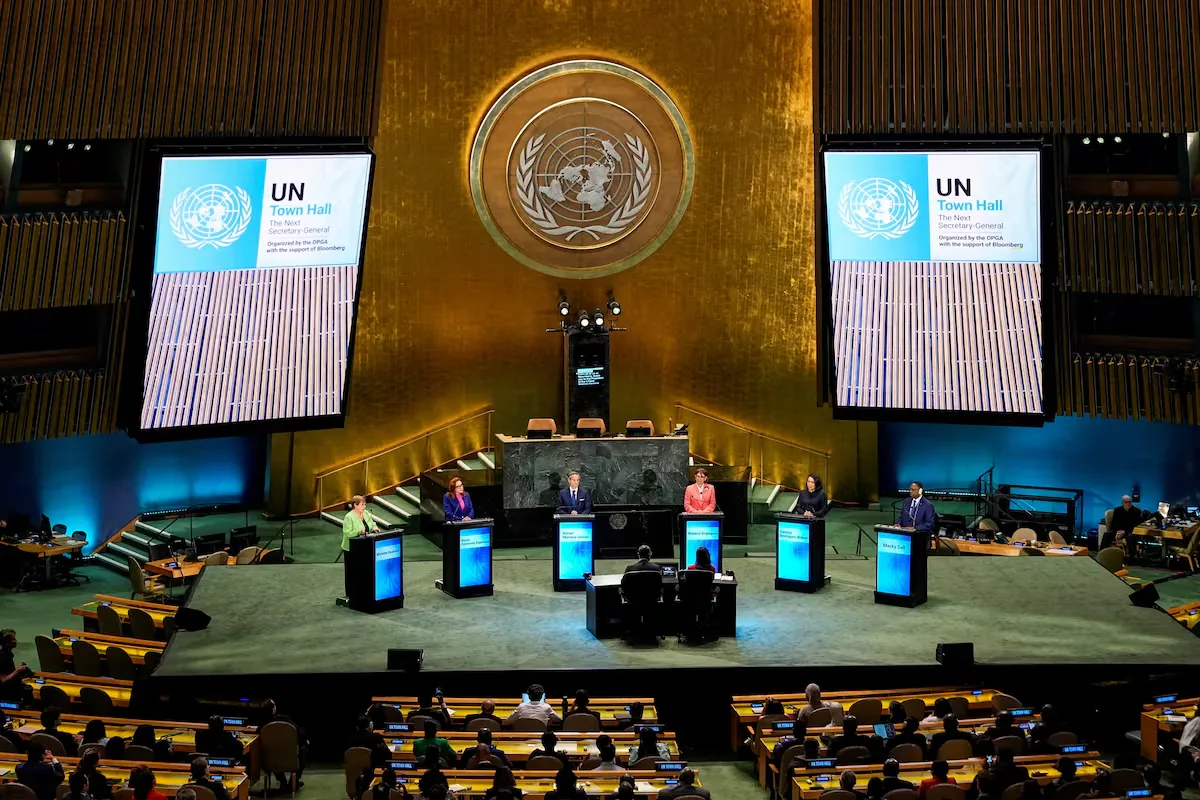
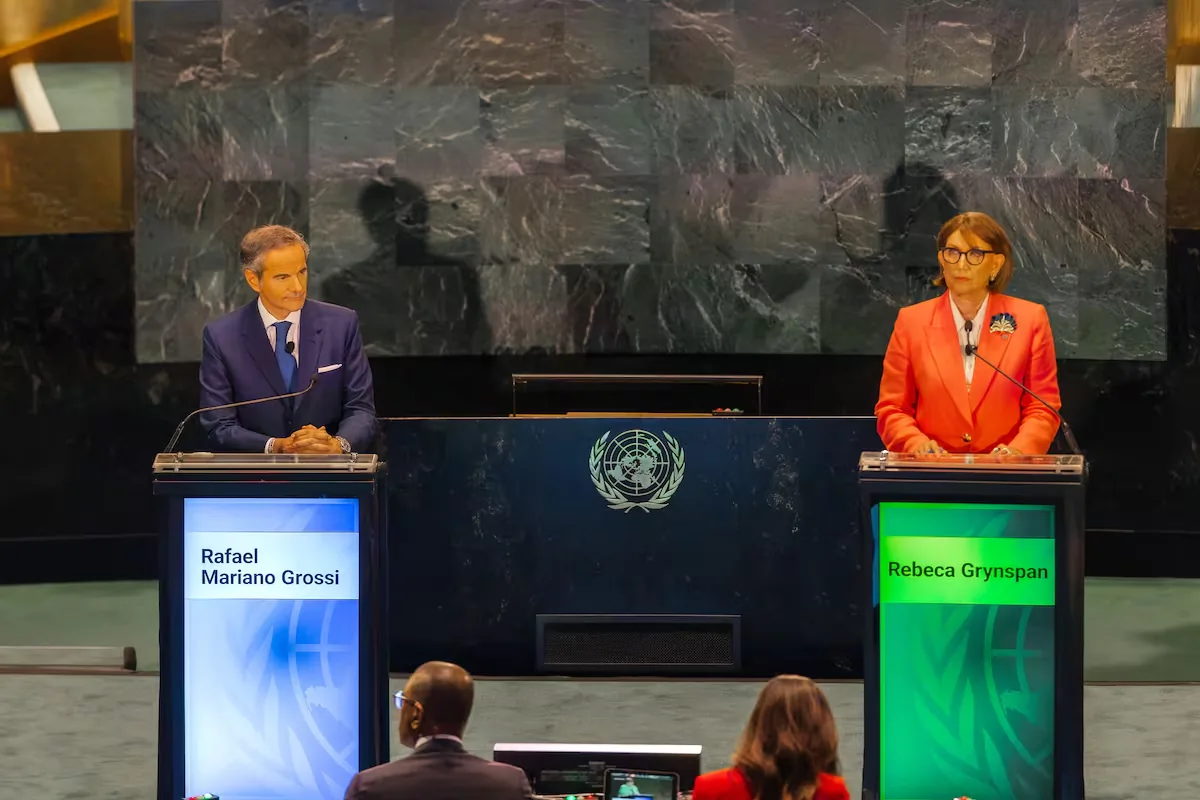
The vote took place one week after the debate of the six candidates (the Ugandan Otunnu had not yet presented himself) before the General Assembly. It was 90 minutes of parallel speeches, in which there was no real exchange of ideas and in which none of the four women and two men who appeared particularly stood out. If anything, the Guyanese Rodrigues-Birkett was the best off. She played at home, being her country’s ambassador to the UN. And it showed: she received applause after many of her interventions.
The process now promises to last for months. On the previous occasion, Guterres was elected in October. If the formula is repeated now, many votes remain in the Security Council before anyone can take for granted that they will be the next UN Secretary-General.