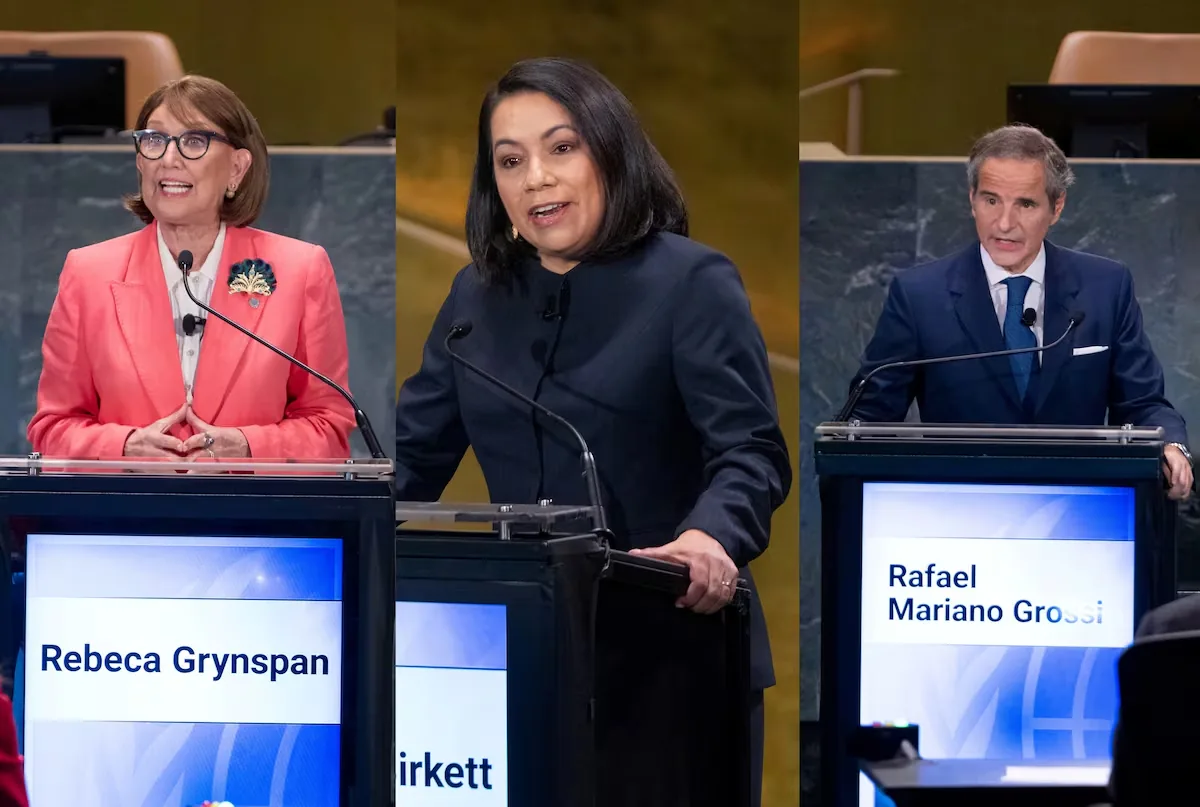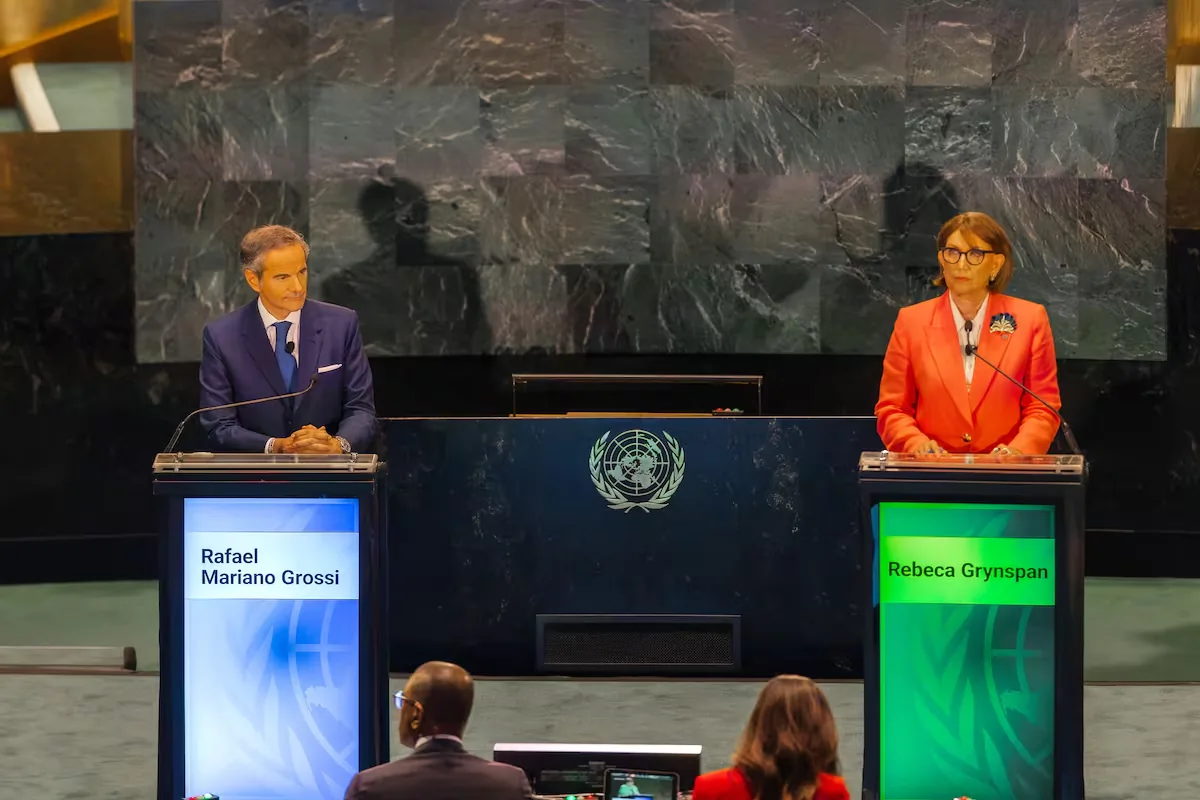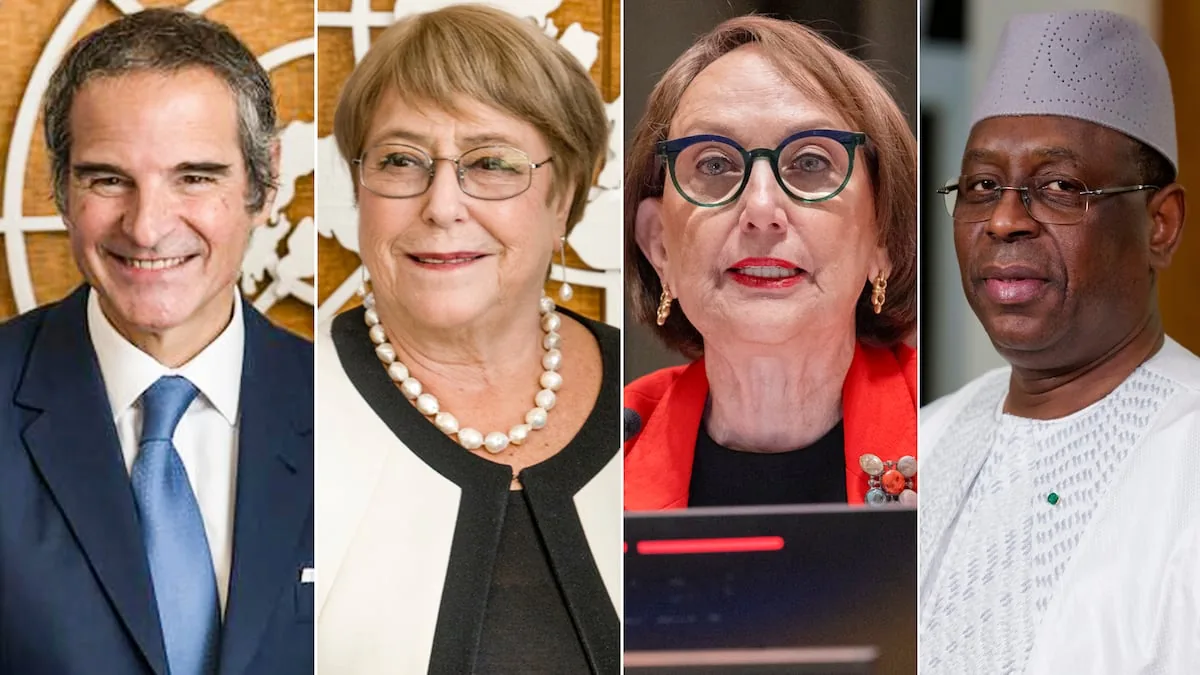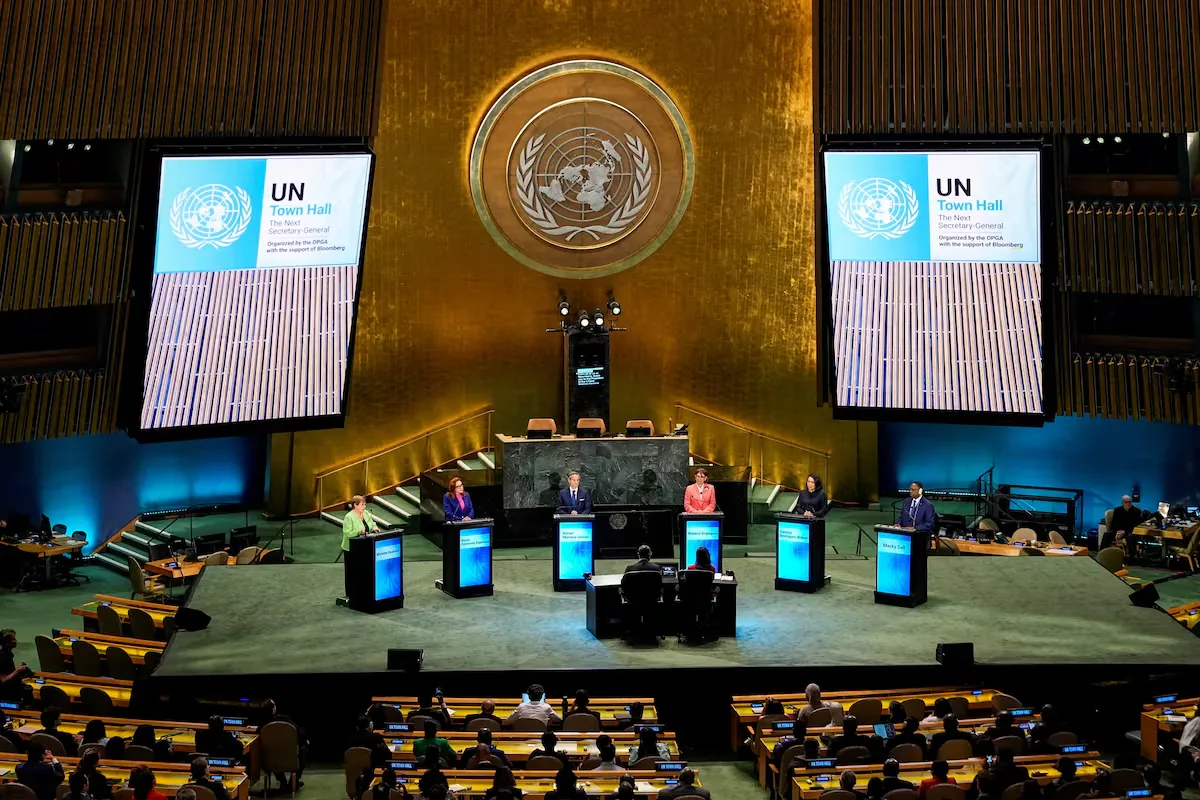
The renewal of the leadership of the United Nations Secretariat will be defined in the coming weeks, in a tense and delicate geopolitical context. The region has the opportunity to exercise the leadership that the Organization needs by listening to all its members and working so that competing interests renew the body. Preserving what works, correcting what does not, and explaining the possibilities and limits of the Secretariat to review inertias and practices that no longer respond to the demands of the present is a task that the region can and must undertake.
Read more The Congress elects a National Electoral Council favorable to De la Espriella
The UN is going through a crisis of confidence. It responds late to emergencies. Its entities, despite knowing the dimensions of a crisis, fail to integrate a strategy; there are duplications, complex procedures, mandates that are extended without proper evaluation, entities that compete with others for resources and visibility, and operate without coordination. These failures must be corrected. Defending the evolution of the United Nations implies reviewing its structure, procedures, and expenses to fulfill its role in these times, in which the challenges of peace and development have roots and realities different from those analyzed in San Francisco in 1945.
Twenty Latin American and Caribbean countries were part of the fifty that participated in the Founding Conference, contributing their experience in international law, inter-American relations, peaceful dispute resolution, and the defense of legal equality. The region’s delegates insisted that peace should also be based on economic and social cooperation, respect for human rights, non-intervention, and sovereign equality.
Latin American and Caribbean women also left their mark. Of the 850 delegates, only eight were women, and of the 160 people who signed the Charter, only four did so: the Brazilian Bertha Lutz, the Dominican Minerva Bernardino, the American Virginia Gildersleeve, and the Chinese Wu Yi-fang. Lutz and Bernardino were among the main promoters of the explicit inclusion of equal rights between women and men in the Charter.
The history of the Anglophone Caribbean within the Organization developed in the following decades. Several Caribbean states that emerged from colonial domination expanded the membership of the United Nations and brought to the debate their experience as small island states: the defense of decolonization, vulnerability to disasters, and later, the inseparable relationship between oceans, climate, development, and national survival.
A region that understands the role of international organizations
The region continued to contribute solutions to global challenges. The Treaty of Tlatelolco (1969) made Latin America and the Caribbean the first densely populated region in the world free of nuclear weapons. It was a demonstration of how countries with different interests and political orientations could reach security agreements with worldwide repercussions. Then, the Contadora Group (1983), made up of Colombia, Mexico, Panama, and Venezuela, revived the diplomatic tradition in the face of conflicts that Central America was experiencing due to the Cold War. Esquipulas II was the treaty signed by the Central American presidents to move from armed conflict to peace.
The Contadora experience remains fully relevant in various conflicts, such as the mediation efforts undertaken by Pakistan to resolve the war between the United States and Iran. These are initiatives that complement the United Nations and create the political space to dialogue and reach commitments. The Organization must be prepared to support these efforts. When agreements are reached, the United Nations can provide impartial verification, good offices, institutional continuity, and technical support to translate political commitments into sustainable processes.
The United Nations Observer Group in Central America began operations in 1989. The Observer Mission in El Salvador (1991) accompanied the 1992 peace agreements. In Guatemala, the Organization supported the process that culminated in the 1996 peace agreements. The Final Peace Agreement of Colombia (2016) confirmed the importance of international accompaniment. The first United Nations mission verified the disarmament of the FARC-EP, and a new mission accompanies its implementation, without replacing the responsibility of the State and society.
Among Latin America’s contributions, the work of Javier Pérez de Cuéllar stands out, who led the Secretariat General between 1982 and 1991. His discreet diplomacy contributed to the end of the war between Iran and Iraq (1988), the independence of Namibia (1990), and the Central American peace processes. In the General Assembly, sixteen Latin Americans and Caribbeans have held the Presidency. Figures such as Oswaldo Aranha (Brazil), Luis Padilla Nervo (Mexico), Indalecio Liévano Aguirre (Colombia), and Jorge Enrique Illueca (Panama) facilitated from the Presidency the negotiation and intergovernmental agreements that strengthened the Organization and the development of international law.
Precisely because we contributed to creating the UN and building its complex institutional architecture over eight decades, we now have the responsibility to examine it rigorously to demand that its functioning, structures, and capacity respond to the urgencies of the times we live in. For a region mainly made up of small and medium-sized states, seeing multilateral institutions weaken is the worst strategic option. A common home is needed where dialogue can take place and mechanisms agreed upon to face global challenges and transformations. Latin America and the Caribbean have the right and duty to articulate the renewal of the United Nations based on a concrete agenda.
The tasks to update the Organization
First, the intergovernmental character of the United Nations, which belongs to its 193 member states, must be reaffirmed. Its entities must respond to the mandates approved, respect national priorities, and be accountable for their execution. Second, prevention must occupy a central place. The UN has sufficient information to identify the factors that allow crises to be prevented. There is a lack of capacity to integrate information in time and turn it into political options. Prevention does not mean intervention or imposition. It means supporting initiatives, opening discreet channels of dialogue, and acting before violence or an emergency makes the response more difficult and costly.
Third, reform must be measured by its results, not by the number of structures created. Before establishing new offices or mechanisms, the Organization must better integrate existing capacities, reduce duplications, simplify procedures, and redirect resources to the field. Each mandate must have verifiable objectives, identified responsible parties, and mechanisms to correct the course.
Finally, the relationship between the United Nations and regional organizations must be more strategic and operational. Latin America and the Caribbean have institutions, diplomatic traditions, and their own knowledge. The UN must establish clear coordination mechanisms with them, support regional initiatives with political legitimacy, contribute capacities when requested, and recognize that international action is more sustainable when there is national and regional ownership.
The argument for Latin America and the Caribbean to claim the Secretariat General is not geographic rotation. The region has demonstrated experience in building agreements, commitment to peaceful dispute resolution, understanding of the needs of small and medium-sized states, and the ability to build bridges in a fragmented world. The region’s presence in San Francisco in 1945 must be projected towards 2026, granting the region the responsibility to renew the Organization that the multipolar and technological world demands for the advancement of humanity.
Read more Daniel Gutiérrez, the director of INPEC under Petro who survives De la Espriella’s crash landing