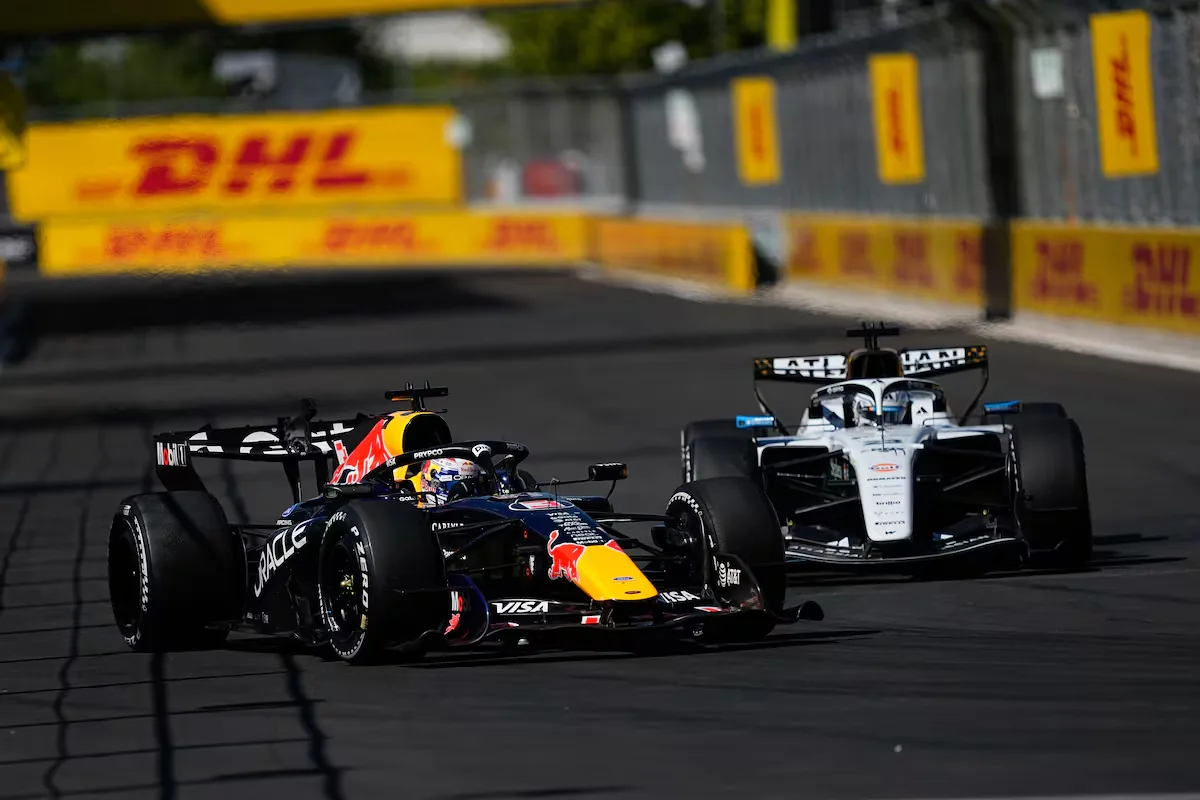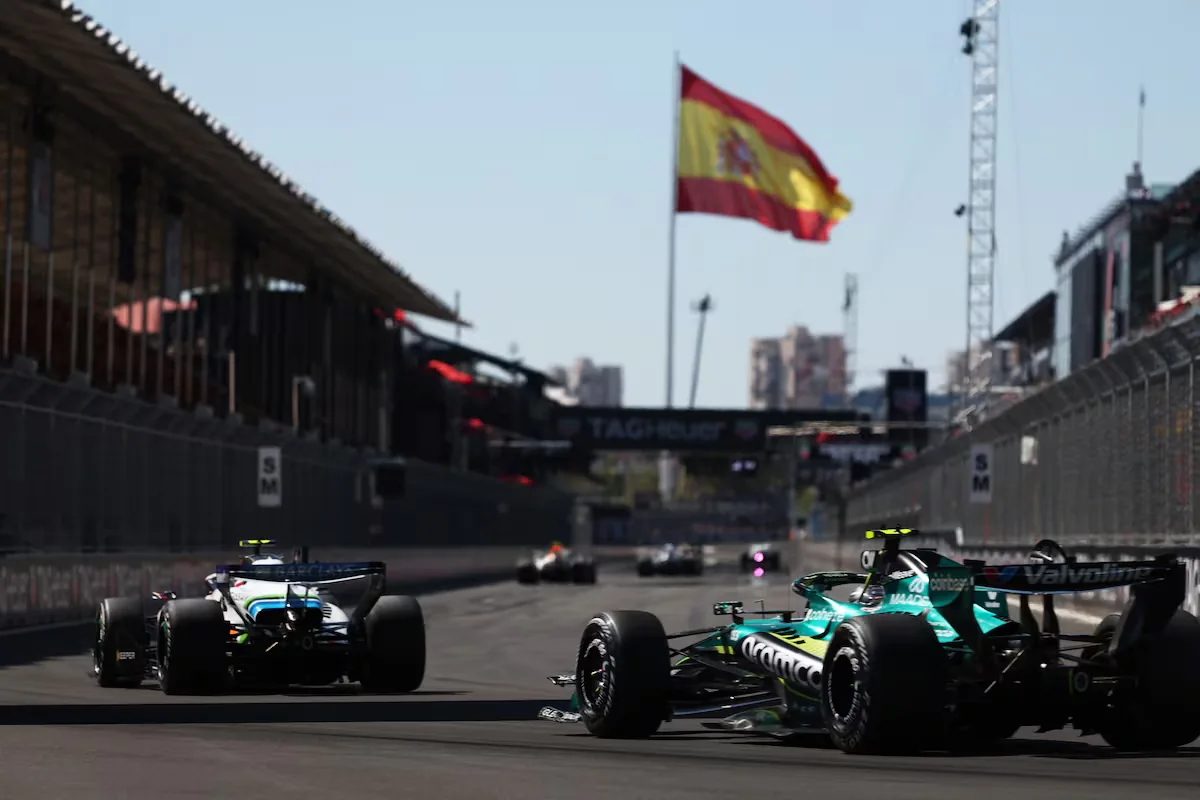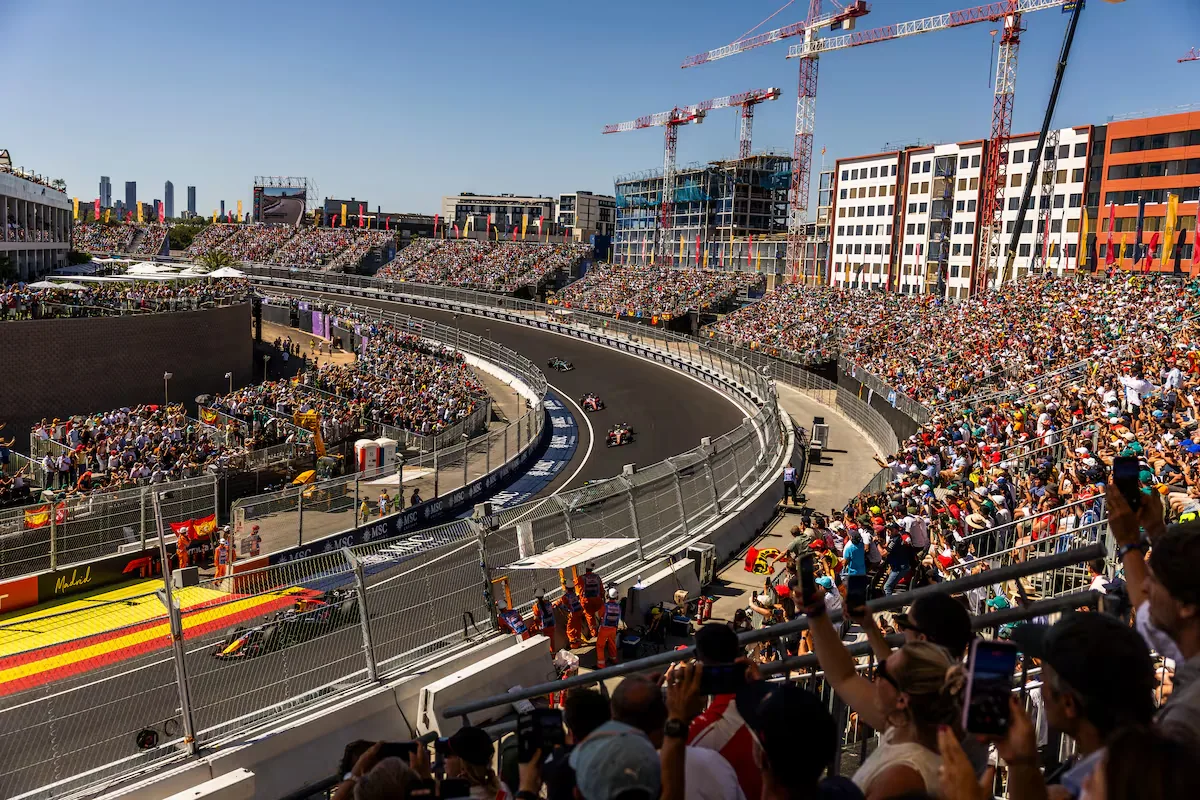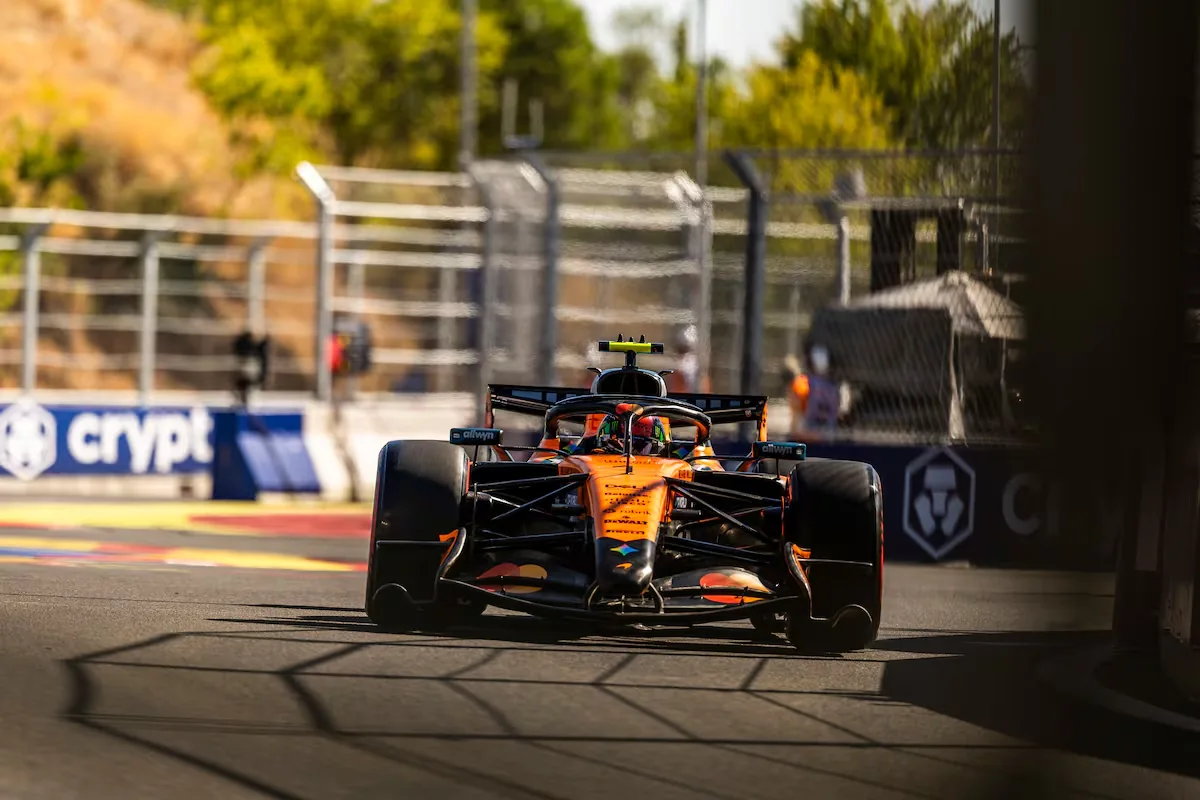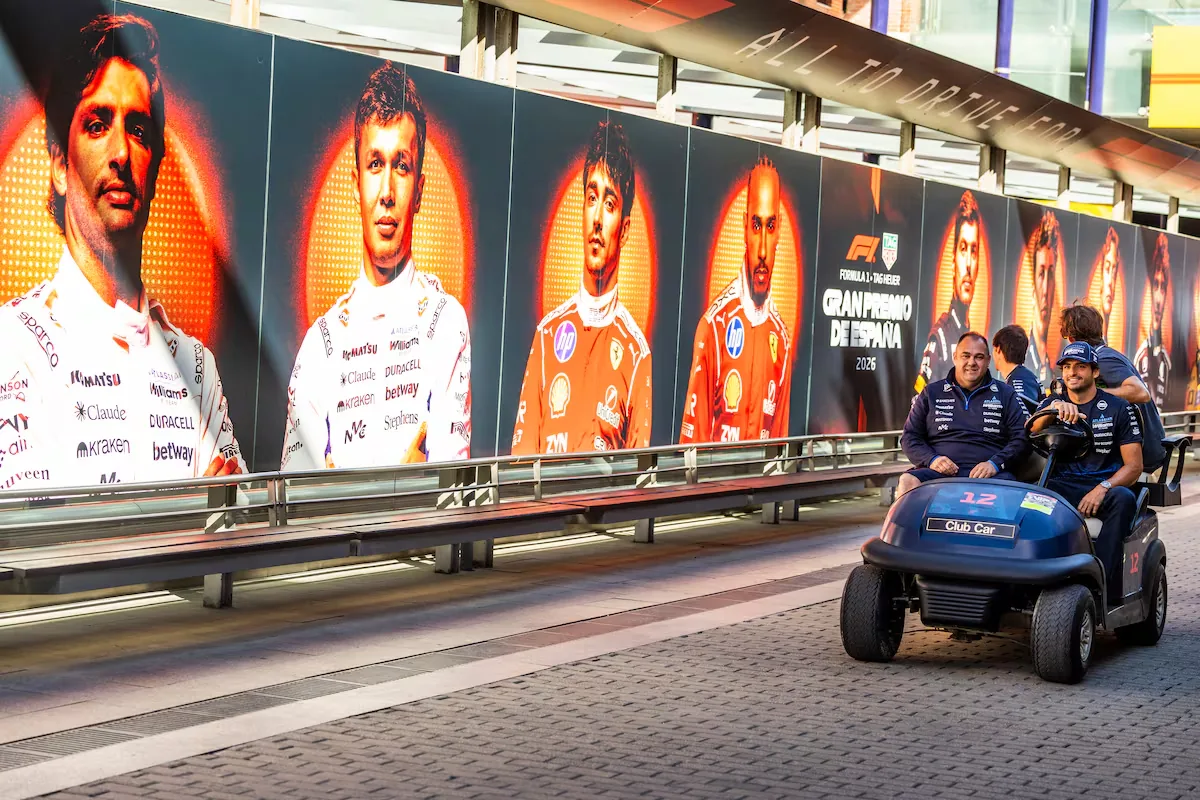
It is eleven o’clock on Friday morning and the drivers begin to swarm around the paddock of the Madring, the semi-urban circuit built by Ifema next to its pavilions in the northeast of Madrid. Formula 1 officially returns today to the capital of the country with the first free practice sessions of the Spanish Grand Prix, which will end on Sunday with the race after qualifying is also held on Saturday. It has been almost half a century since the last World Championship race was held on the outskirts of the city in 1981, and in the exclusive area to which only sponsors, guests, motorists, accredited journalists, team engineers, and fans who have paid a fortune to enter the operations center during the three days of the event have access, Carlos Sainz Jr. gets into a buggy and takes the driver’s seat.
Read more ‘La mesa de Hora 25’, in EL PAÍS | Program of September 11, 2026
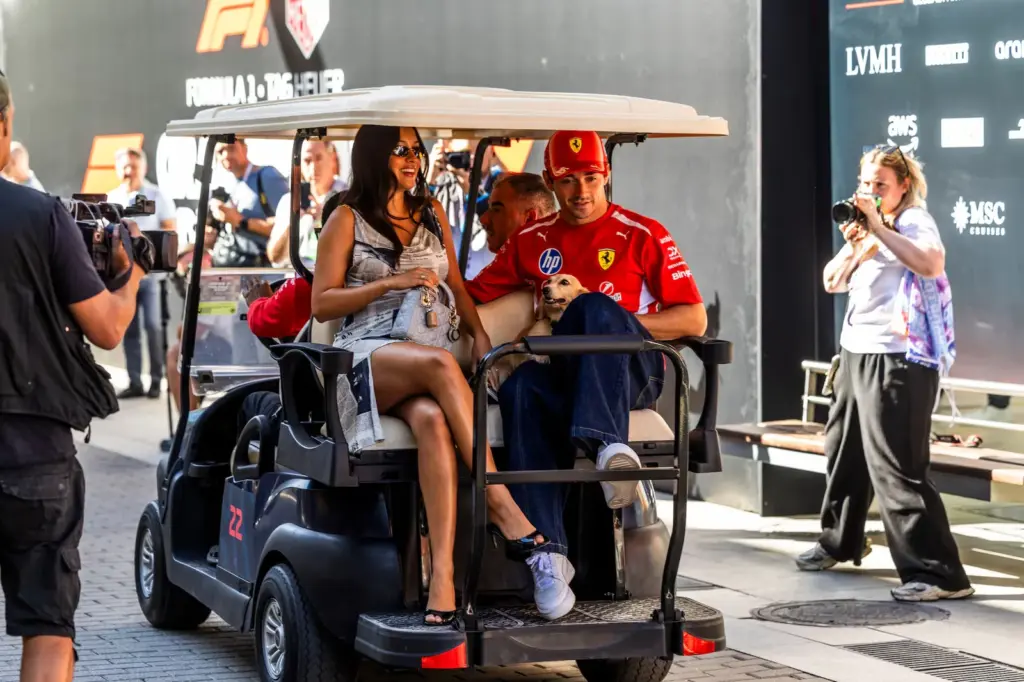
The Madrid-born Williams driver, who this week has acted as a sort of ambassador for the Grand Prix with all kinds of promotional events, smiles as he drives the little car and everyone present tries to photograph him. Before him, Oliver Bearman (Haas) had appeared walking through the paddock, and later the Monegasque Charles Leclerc (Ferrari) is also seen, arriving riding another buggy alongside his wife, Alexandra Leclerc, and their dog, Leo, a dachshund. These are the kinds of privileges paid for by fans who have shelled out thousands and thousands of euros to enter the Grand Prix operations center, the place where the teams’ offices are, the garages where the mechanics work, the sponsors’ stands, or the teams’ trucks.
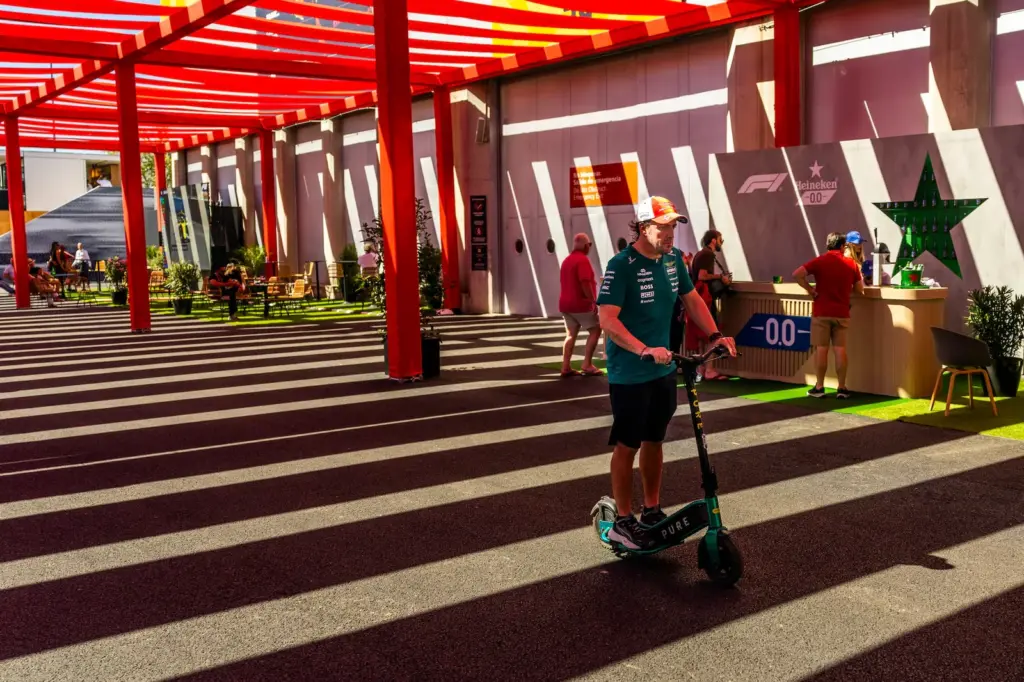
Proximity to the drivers and teams is paid for at a premium — some packages that even include a dinner at a Michelin-starred restaurant exceed 15,000 euros and are sold out — in the paddock, an exclusive area that also serves for business lunches and signing lavish contracts. Expensive suits and bags circulate there in the circuit with the most VIP tickets in Europe, with more than 20,000. Also Fernando Alonso (Aston Martin), who around 2:00 p.m. speeds across one of the avenues on a scooter and sneaks into a pavilion of the fairgrounds while Thibaut Courtois, the Real Madrid goalkeeper, attends to an international television station.
Although there are no tickets left, the stands are not packed. It is a working Friday and there are free seats even in La Monumental, the longest banked corner in the World Championship with 550 meters of chord and one of the main attractions of the Madring. The deckchairs with green and white striped cushions in the VIP area — also called hospitality — of La Monumental also look half-empty in the afternoon during the second free practice session, in which Kimi Antonelli (Mercedes), the World Championship leader, is the fastest to complete a lap with 1m 33.66s.
On Saturday and Sunday, a massive turnout is expected at a Grand Prix that hopes to gather 345,000 people, mostly foreigners. In 1981, only 25,000 spectators attended at Jarama. Meanwhile, next to the circuit, members of the Stop F1 Madrid platform — neighbors of the Hortaleza district who complain about the sound of the single-seaters and the restrictions and traffic jams they suffer these days — meet with a specialized company they have hired to measure the noise and file a complaint. “We have exceeded 102 decibels, and the legal maximum allowed is 55,” says Inma Gallego, the spokesperson.