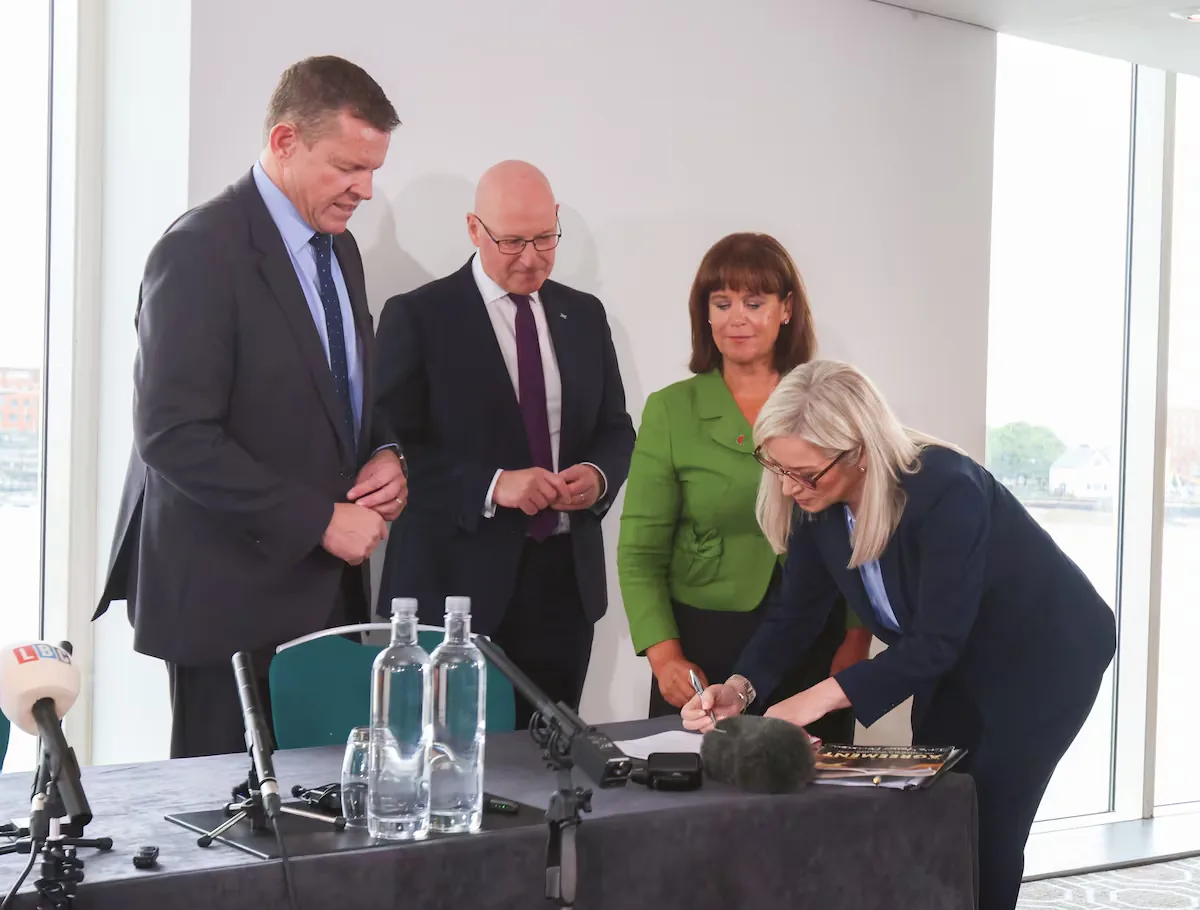






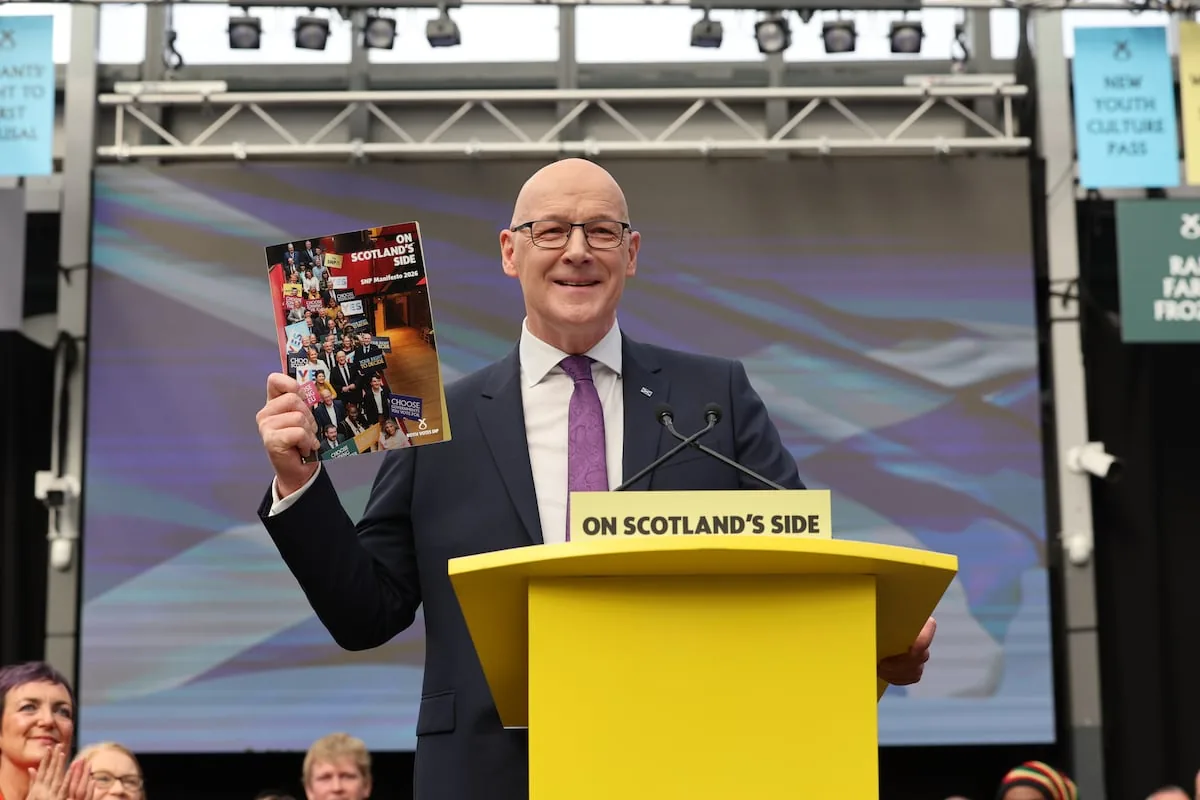
Sometimes, the order of factors does affect the product. The leader of the Scottish National Party (SNP), John Swinney, has once again promised an independence referendum for 2028 if his party retains the majority in the upcoming regional elections on May 7. But in the electoral system used for those elections, a corrected proportionality system, voters cast two ballots: the first, for the candidate they want for their constituency. The second, for their favorite party.
And Swinney has made the priorities clear: “Your first vote for the SNP will mean an SNP Government, with better healthcare, closer health centers, help to face the cost of living, assistance for buying a first home, a growing economy, and immense support for nurseries. Your second vote will allow us to secure a majority that makes an independence referendum possible,” the independence leader said during the launch of his campaign, held in Glasgow. Swinney had already hinted at the proposal this Sunday in a televised BBC debate, but this Thursday he made it official before his electorate.
The SNP fell one seat short of an absolute majority (65 deputies) in the 2021 regional elections. At that time, the party was led by Nicola Sturgeon, charismatic and popular. Two years later, she resigned amid a corruption scandal in the party’s finances. She left behind a coalition government with the Greens that had suggested a unilateral and forced path to carry out a new independence referendum, after the UK Supreme Court rejected the possibility that the Holyrood Regional Parliament could call the consultation on its own, without London’s consent.
Sturgeon was replaced by Humza Yousaf, the first Muslim, of Pakistani origin, to lead the Scottish Executive. His inability to sustain the coalition, which left the SNP in the minority, led him to resign. Swinney, his successor, is a historic but dull politician, entrusted with the reins of a party in crisis and facing a threatened two-decade hegemony. In the July 2024 general elections, which brought the current British Prime Minister, Keir Starmer, to Downing Street, the Labour Party once again swept Scotland, as it had historically always done, delivering a serious blow to the SNP’s independence movement.
Since then, however, Starmer’s popularity has plummeted, and polls predict a new victory for the independence supporters in Scotland.
Far-right threat
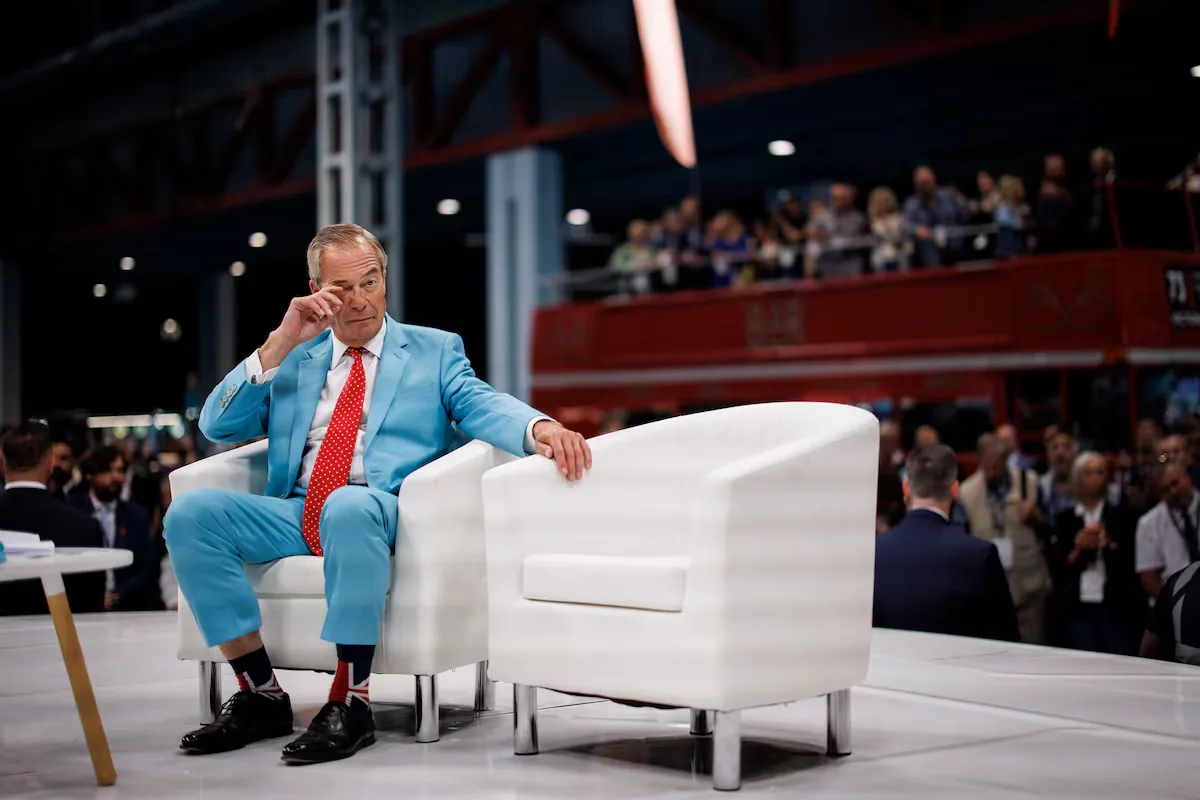
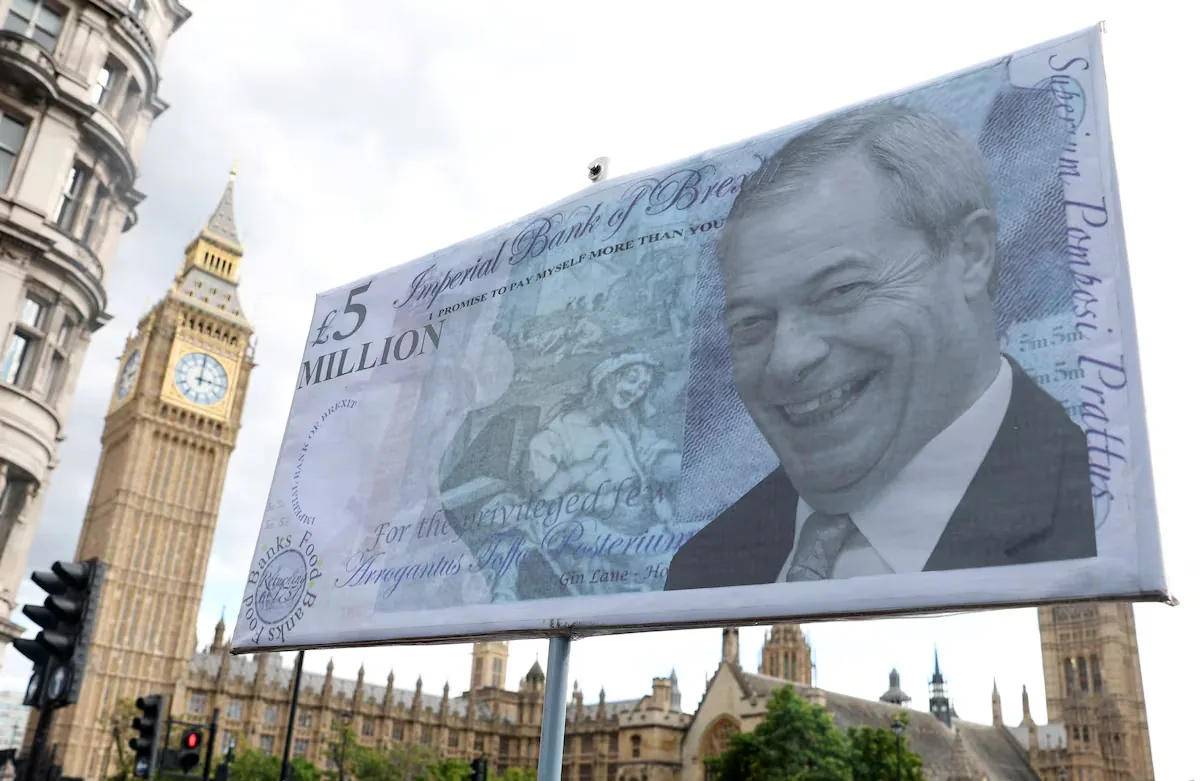
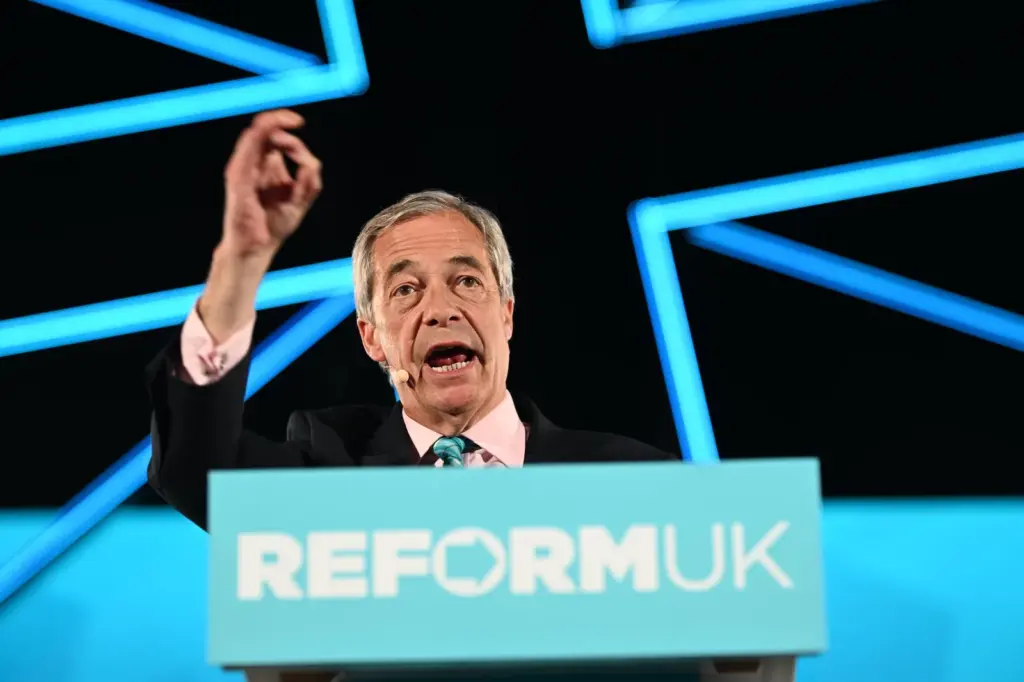
That victory, however, does not guarantee an absolute majority. In fact, polls suggest that the SNP will suffer a slight setback. Partly due to its wear in the regional government, and partly because the populist far-right party Reform UK, led by Nigel Farage, has also gained popularity in Scotland, with polls placing it in second position, with 14% of the votes, ahead of Labour, Greens, or Conservatives.
That is why the SNP does not abandon the promise of independence, which remains the ideological core of most of its supporters, but Swinney has decided to focus much more (literally, according to his own words) on the price of bread, milk, cheese, eggs, rice, or chicken. The party’s electoral manifesto promises to impose a cap on the prices of basic foodstuffs, even if that means a clash with the central government.
“If we are re-elected, we will use our powers and competencies in public health to establish a maximum price for essential foods,” the party leader has promised.
The reorientation of the SNP’s priorities and urgencies makes perfect sense. The latest poll by former Conservative MP and polling expert Michael Ashcroft, founder of the company Lord Ashcroft Polls, which works with very rigorous data, indicates that the most urgent priorities for Scots, in this order, are healthcare, cost of living, economy and employment, immigration, poverty and inequality, housing, and education. Independence occupies a marginal place. Even among SNP voters, the aspiration to separate from the UK ranks fourth among their wishes. Among Green voters, it ranks eighth.
The SNP manifesto makes it clear that, with the precedent of 2011 (the permission of David Cameron’s government and the British Parliament to hold an independence referendum), a majority in the May 7 elections would be sufficient mandate to launch a new referendum. But the suggestion that any new attempt would take at least two years to carry out makes it clear that the party’s — and Swinney’s — priority today is reconciliation with an electorate tired of nationalist hegemony. Willing to give it a new chance, yes, but with little enthusiasm for another new independence adventure.
In 2014, after an intense campaign that polarized the country and activated independence supporters and unionists like never before, the no to secession won with 55.3%, against 44.7% yes. Now, 12 years later, the SNP leader prefers to buy time and kick the ball forward.
Read more Death and resurrection of Café Central, the historic jazz club that no one protected