









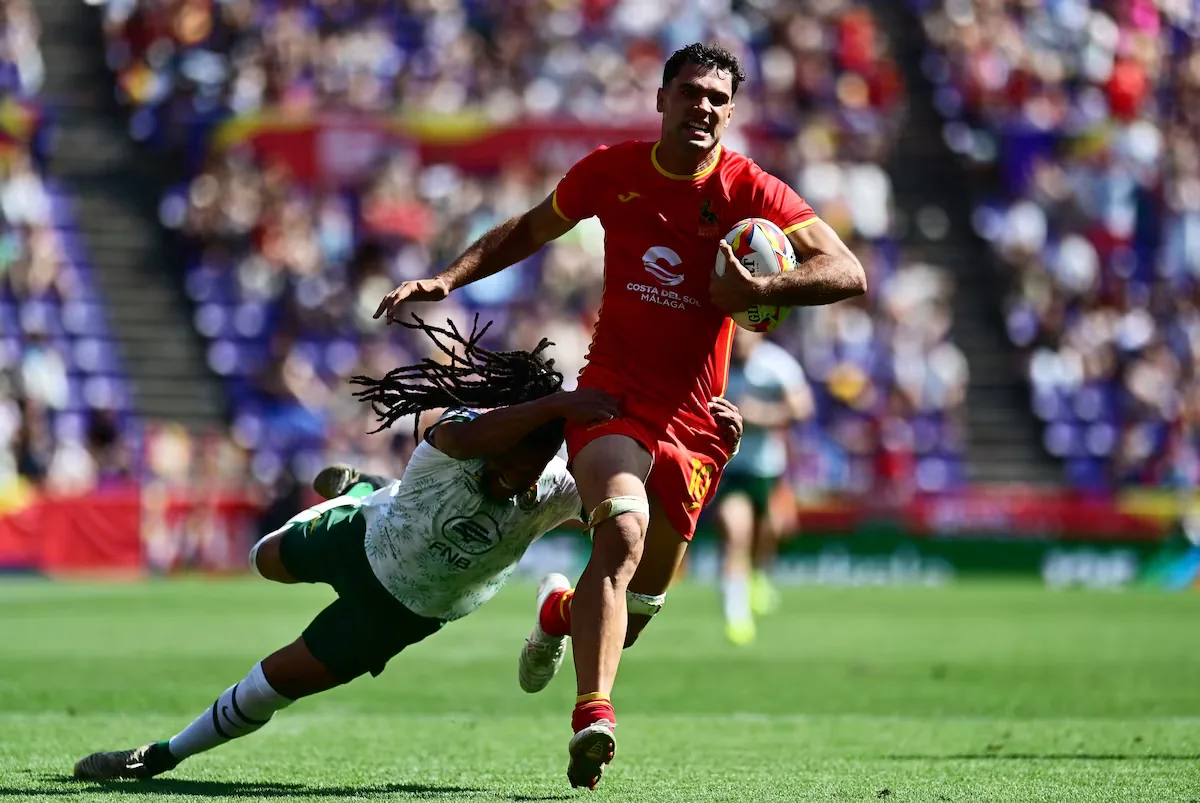
At a key moment, in the final months of the race to organize the 2035 World Cup, Spanish rugby perhaps played the most reliable card in its deck: Valladolid. Ten years after filling the José Zorrilla for a Cup final that marked a turning point, the Spanish Rugby Federation has brought one of the final events of the World Rugby Sevens Series, the Olympic modality in which Spain, men’s world runner-up, claims merits to sit at the table of the greats, there throughout the weekend. The Lions could not leverage their host status to defeat South Africa, their executioner in 2025 in Los Angeles, but they will arrive at the last event, next week in Bordeaux, with chances to fight for the title. The Lionesses, for their part, have paved their way to the top category. And Spain, which already hosted the final round two years ago at the Metropolitano, leaves satisfied with more than 32,000 tickets sold in three days and more than 20,000 liters of beer.
Read more Paloma Valencia’s campaign: the Uribista who declares herself against the extremes
If a rugby XV match, in the style of football, is an almost religious experience, with no one thinking of getting up from their seat, sevens is a festival among music and friends. Short matches —15 minutes— in a menu spread over hours. A snack that does not fill stadiums, a common image in any tournament among spectators who alternate more interesting matches with visits to the bar to then concentrate efforts on the host team. At the weekend’s peak moment, the Lions’ defeat against South Africa in the Saturday afternoon quarter-final match, the Zorrilla, with a capacity for more than 27,000 spectators, recorded half attendance. In that context, the vice president of the Spanish Rugby Federation, Gabriel Sáez, considers the 32,000 individual tickets distributed between Friday, Saturday, and Sunday as good; 80% were two-day passes. “It is one of the series that has started best in its first edition.” The bar sold more than 62,000 drinks. Beer quintupled water. To gain audience, he proposes delaying the schedules in 2027 from the current slot of 10:00 to 19:00 to another from 16:00 to 22:00.
The rugby sevens calendar consists of weekend events spread around the world to then decide the champion in a final phase. Until now, it was a single event; this year it debuts a new format in which three results count: Hong Kong —held in April—, Valladolid, and Bordeaux. If the Lions, group leaders after defeating the USA (26-21) and Fiji (14-12) despite losing to France (14-19), had beaten South Africa in the quarters, they would have arrived first at the decisive event. They had it within reach, with their 12-0 halftime lead, thanks to tries by Serres and Manu Moreno. And for nearly scoring the winning try, frustrated by a Boliches error in the reception over the try zone. South Africa came back in the next minute and secured the victory convincingly. Marginal details, since in such a short format the cost of each mistake is magnified. It was enough for the green and gold to reach the final, but they lost it to Australia (26-19), who achieved a double in women by defeating the USA (27-14), thus avenging their group stage defeat, the only one of their country in Valladolid.
Read more Abelardo de la Espriella’s campaign: the ultra-conservative criminal lawyer who broke the right-wing
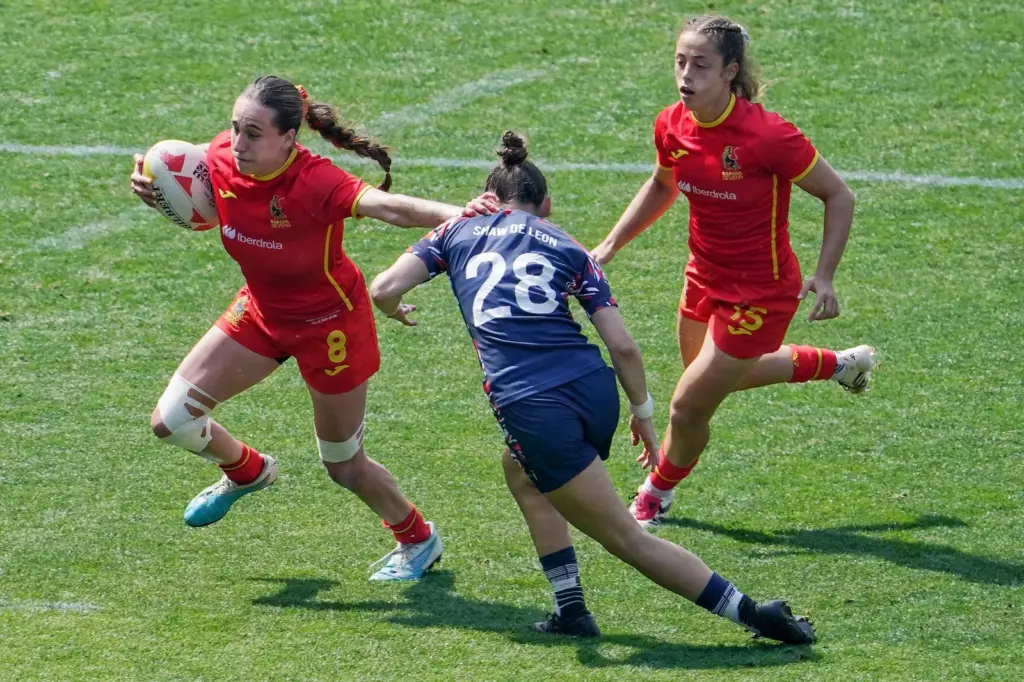
If Spain has gone in four years from sixteenth place in the men’s ranking to arriving in Bordeaux among the trio of contenders, the evolution of the Lionesses is still one step behind. They fell in the group stage before two powers like Canada (35-5) and France (33-7) to then beat Great Britain (26-0) and secure the ticket to the quarters, another impossible match against New Zealand (33-7). The numbers suggest they can assault the top international category, the top-8, in the final accounts, something the Lions already have in their pocket. If achieved, Spain, far from the first world tier in the classic XV format, would be the fifth country with both teams in the elite after Fiji, Australia, New Zealand, and France. Both lost the placement matches on Sunday: the women, overcome by Fiji (14-5), finished eighth, and the men, sixth after falling to New Zealand (22-12).
“The Federation has a budget of between 10 and 11 million euros and we are playing against giants of 200 or 300 million,” Sáez argues as context to praise sevens. “The feeling we have as Spanish rugby is that we are knocking on the door and that at some point it will open and we will enter.” The ticket promotion has been local and the balance is positive. “Valladolid has everything to become a stable tournament for many years.” That 2016 cup final was the culmination of what he calls the “Oxford-Cambridge effect” for consolidating a loyal fan base in the city’s teams, El Salvador and Quesos. With that base and without rushing the girls’ maturation, he warns of the boys’ potential in Los Angeles 2028. “It is a team that can perfectly be Olympic champion.”
Read more Compare the proposals of the presidential candidates for the Colombia 2026 Elections