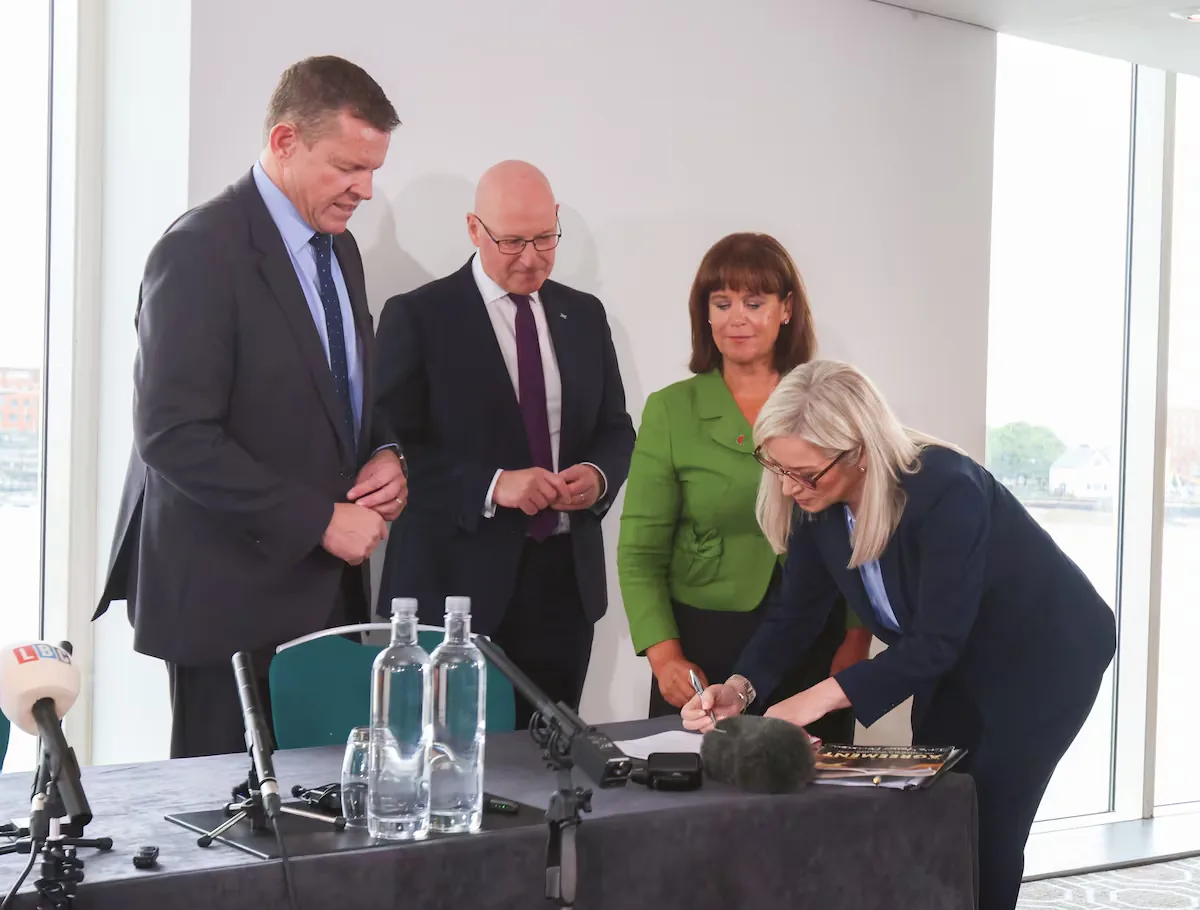


The government of Keir Starmer and the Labour Party he leads have entered an existential crisis after the disastrous results obtained in the municipal elections in England and the regional elections in Scotland and Wales, all held last Thursday. Of the 5,000 councilors at stake, more than half were in Labour’s hands. With 90% of the vote counted, the party had lost more than 1,200, a collapse of historic proportions. In Scotland, the victory of the Scottish National Party (SNP) will allow this pro-independence party to continue leading the autonomous government. In Wales, a land of miners and a historic stronghold of the traditional and working-class left, the nationalists of Plaid Cymru (Party of Wales) have taken first place and will be in a position to govern. The far-right Reform UK, Nigel Farage’s party, has made a strong entry into the autonomous parliament, relegating Starmer’s party to a humiliating third place.
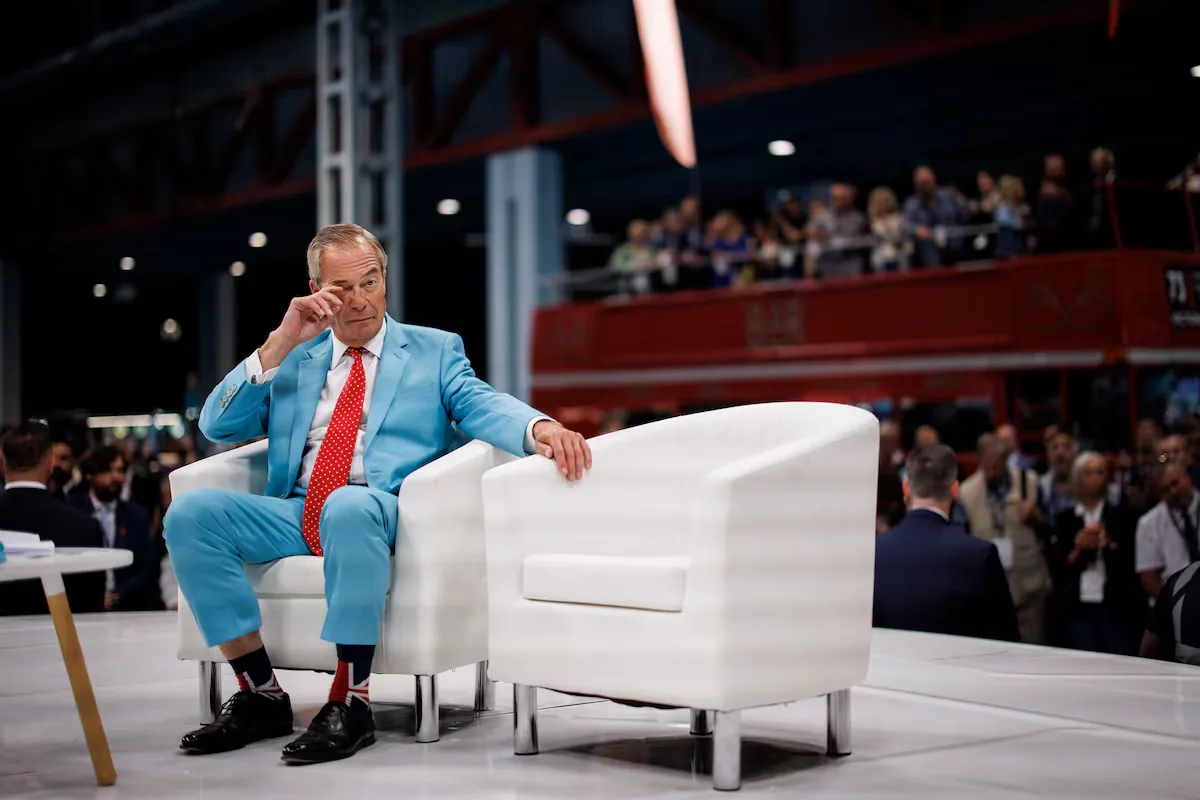
Farage, who has seen his party go from having barely two councilors across England to now gaining nearly 1,400 new representatives, has been the big winner of an election that, above all, puts Starmer against the wall, whose political future is in doubt.
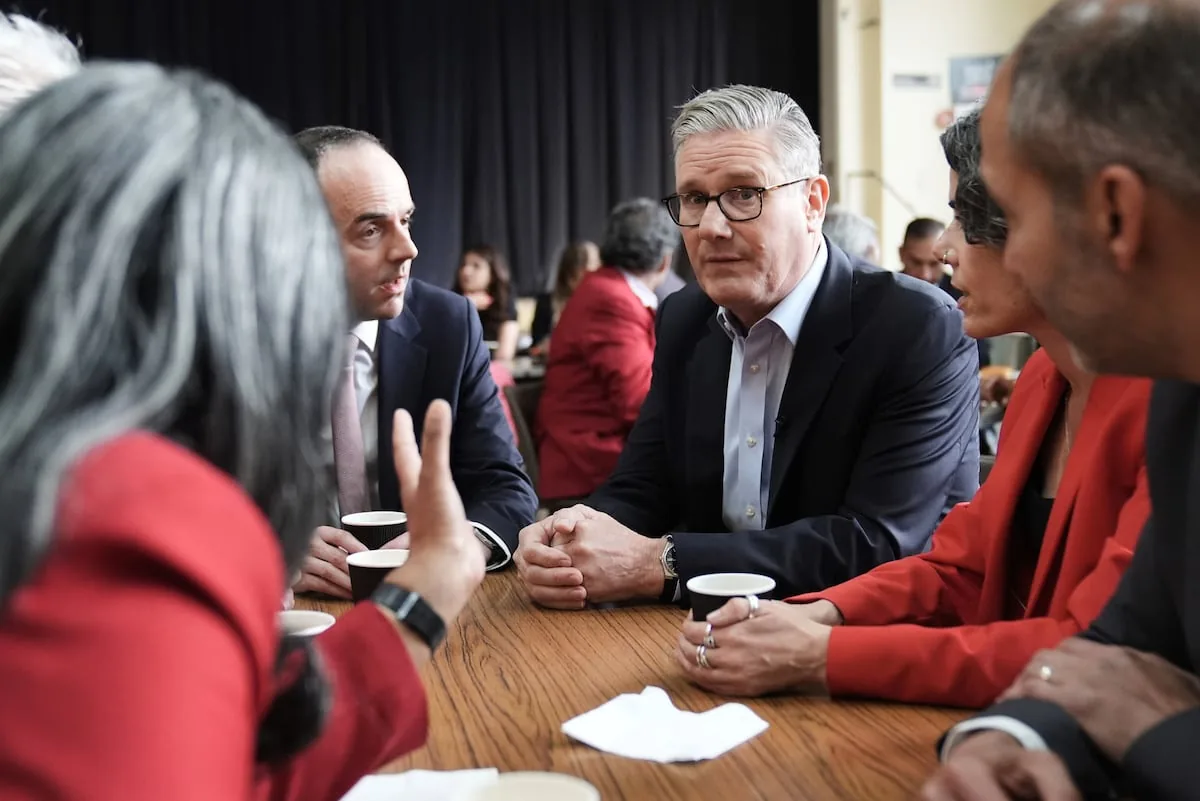
Aware of the debate that would resurface within his party and parliamentary group in the coming days, the prime minister appeared early Friday morning in the London neighborhood of Ealing to assure that he “took responsibility for the results,” but that he was not “going to resign,” as some from the Labour ranks are already demanding.
“I led the party to electoral victory [in July 2024], and we obtained a five-year mandate to change the country,” Starmer said. “I am not going to abandon now when we must face so many challenges and allow the country to sink into chaos,” he added.
But even the Labour members most critical of the prime minister are aware that triggering a fratricidal war and a challenge to the current party leadership at this moment would be punished by voters. Most voices agree that Starmer should not be the candidate for an election initially scheduled for 2029, but the party must give itself time to decide its next steps. Especially since none of the apparent candidates to lead that change are currently in a position to launch their challenge.
“There should be no hasty moves [against the prime minister]. The party must first consider why we have reached this situation, and the leadership issue will inevitably be on the agenda. But if there must be a change, it must be an orderly transition, not an internal coup,” said Labour MP John McDonnell, for many years the Labour economics spokesperson, number two to the previous leader Jeremy Corbyn, and a fierce enemy of Starmer.
It is an almost unanimous message within the party. MP Louise Haigh, who when she speaks many interpret as doing so on behalf of her friend, Manchester Mayor Andy Burnham (the favorite in the race to succeed Starmer), also called for calm in statements to the BBC: “We cannot descend into an irresponsible and confusing internal battle. The prime minister is now performing an exceptional task on the international stage and needs to succeed. (…) But the government must listen to the electorate’s vote, and if it does not respond with urgent and significant change, it is clear that [Starmer] cannot be the candidate in the next elections,” she added.
The far-right tide
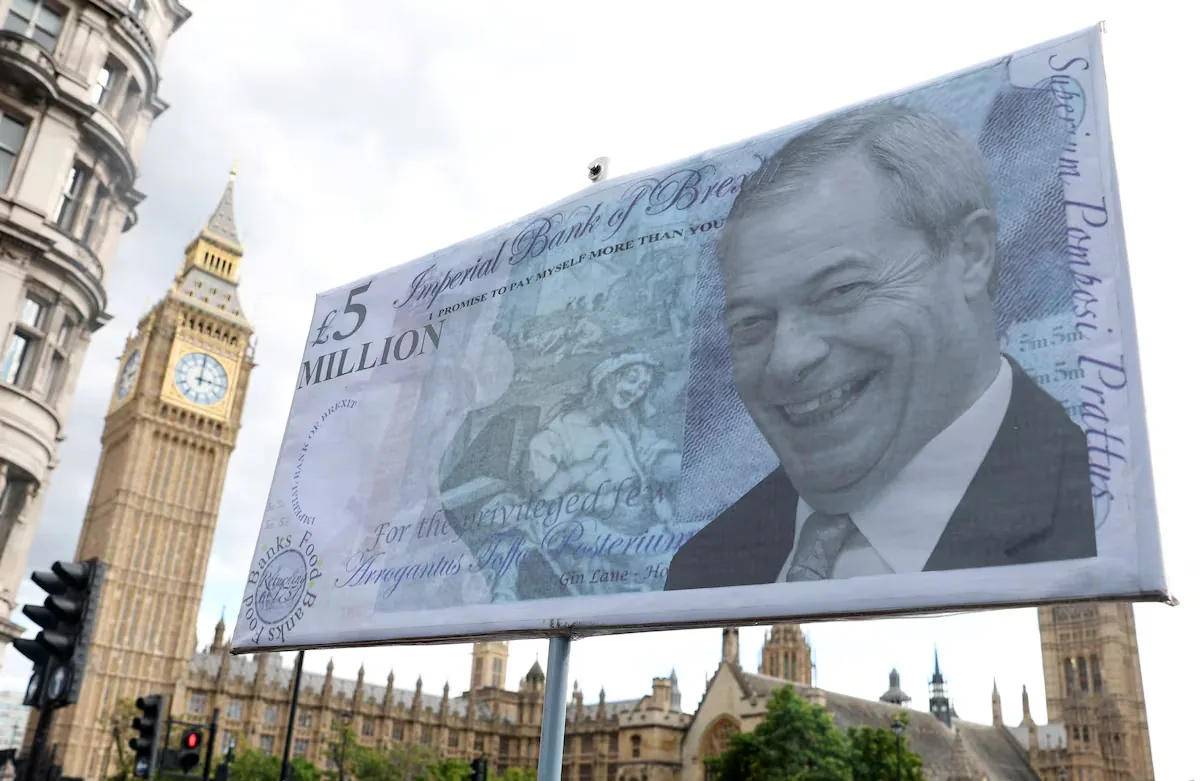
Farage’s party victory, which has celebrated a day of historic milestones such as obtaining councilors in London for the first time; taking from its arch-enemy, the Conservative Party, a stronghold like Essex; or placing second in a territory like Wales, begins to cement the possibility, suggested for more than a year by all polls, that the populist politician who was key to achieving Brexit’s victory could one day become the prime minister of the United Kingdom.
“I think what has happened is a historic shift in British politics. We were very used to thinking in terms of left and right, but Reform UK has not only won in constituencies traditionally won by the Conservatives, but even in areas controlled by Labour since World War I,” Farage celebrated the results at the Havering counting center, a municipal council east of London that ended up in the hands of the far-right party.
The “green tide” led by Zack Polanski, the surprising leader of the Green Party, elected just a few months ago, who had seduced many left-wing voters with his “eco-populism,” was not as overwhelming as some polls predicted, but it has taken electoral space from Labour. Accusations against Polanski, himself Jewish, of having tolerated antisemitism in his party have taken a toll.
Still, the party has achieved a very considerable increase in its councilors across England, with more than 300 new seats, and has obtained symbolic victories, such as the mayoralty of the London borough of Hackney, where Labour had governed without problems for years. “Bipartisan politics is not dying. It is already dead and buried,” Polanski assured. “People are fed up with Labour, and at the same time excited about a green alternative that defends people and the planet,” he added.
Ed Davey’s Liberal Democrats, who have always done well in local UK elections because they knew how to capitalize on protest votes, have been overshadowed by the Green Party’s rise and the tide caused by Farage. Although they gain a few dozen more councilors, nearly a hundred, their results are somewhat disappointing.
Paradoxically, the Conservative Party seemed to breathe somewhat easier than Labour, without apparent reason. Although it also lost hundreds of councilors, it celebrated that the losses were fewer than those suffered by Labour’s hecatomb. They even managed to conquer important territories in the British capital such as Westminster. “I’m not saying the results are perfect. Good strategies take time, but I see signs of renewal in these figures,” said the leader of the main opposition party, Kemi Badenoch, with some relief. At least she saw that, unlike Labour, she still had a minimal and apparently loyal voter base.
In the coming weeks, it will not be her leadership that is questioned, but that of Prime Minister Starmer.