








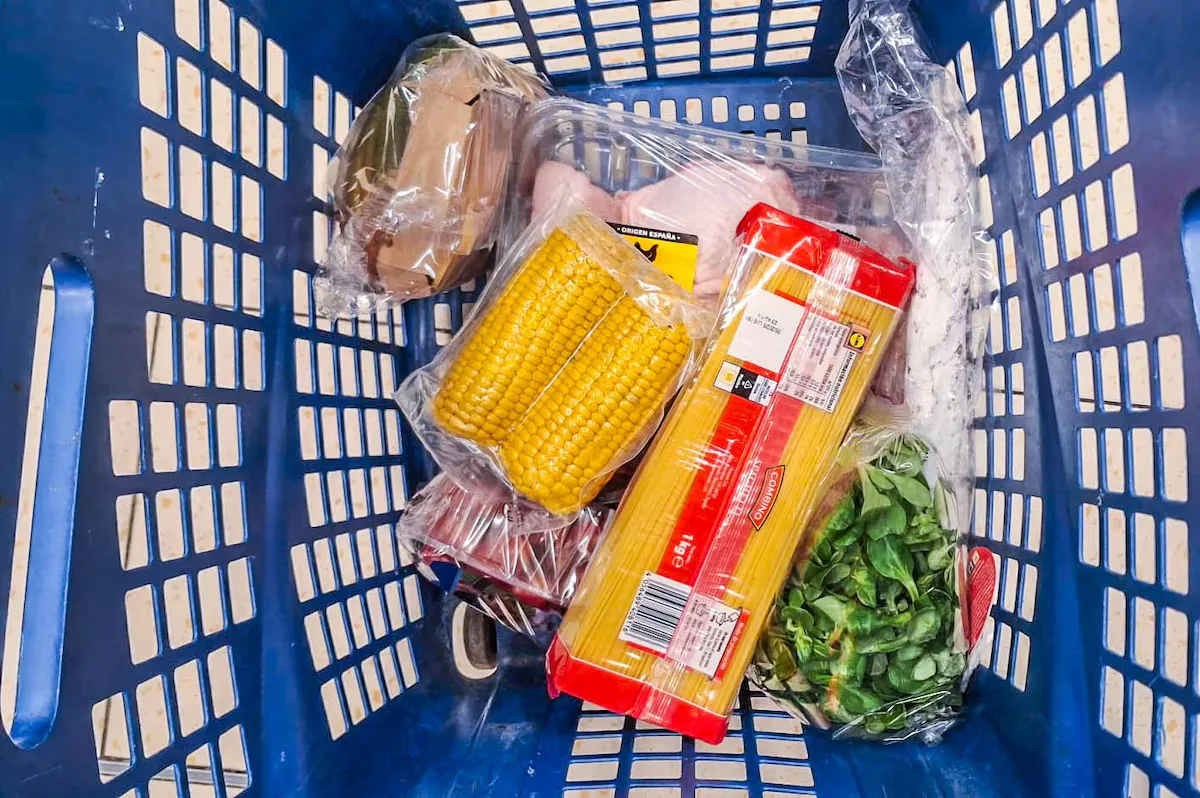
The new European Packaging and Packaging Waste Regulation (PPWR) begins to be applied gradually this Wednesday. The regulation introduces new design requirements to make products easier to reuse and recycle, as well as to reduce the use of containers, in addition to imposing changes in marketing and in waste collection and management systems. Although some of its measures will be implemented gradually — individual sachets of ketchup, oil, or sugar, for example, will not disappear from bars until 2030 — companies must already start adapting products, processes, and logistics systems to the new requirements. Both supermarkets, manufacturers, and catering companies anticipate that part of this effort will end up affecting the prices consumers pay.
Read more Trump’s explanations to justify the secret flight with which he returned from the NATO summit
There is currently no estimate that allows calculating how much the shopping basket or the price of eating out could increase. But consumer associations point out that it is the government’s responsibility to ensure that this does not happen.
In any case, the change will not translate into an immediate disappearance of plastics or single-dose sachets from stores and bars, that physical restriction that will not arrive until 2030. What starts now is the administrative and fiscal part of the regulation. From this week, any manufacturing or packaging company is legally obliged to be registered in an official registry under the threat that the sale of its products will be prohibited, while supermarkets and distributors take on the responsibility of monitoring that their suppliers comply with the law. In addition, the new Extended Producer Responsibility framework is activated, a mechanism that obliges companies to assume the full cost of collecting and treating their waste through “eco-modulated” fees. This means that brands will pay more money to recycling systems the more difficult and heavy the design of their packaging is.
This new regulation, argue the business side, adds costs to a chain that already faces higher expenses in wages, energy, food, and transport. The regulation has a significant economic impact on all links, from manufacturers to distribution and hospitality. The European packaging market moved about 153 billion euros in 2024 and could reach 186 billion in 2029, according to figures from the German industry association Fachpack. In the next four years, companies will have to invest in new materials, redesign packaging, and modify part of their operations to comply with the regulation.
Julio López, head of the Corporate Affairs Office at Ecoembes, explains that companies that improve their packaging from an environmental point of view can benefit from lower fees, but that requires an investment that not all companies can assume at once.
Added to that expense is the cost of adapting logistics for the future Deposit, Return and Return System (SDDR), a mechanism that Brussels requires to be implemented by January 2029 for single-use plastic bottles and cans up to three liters. The regulation leaves room for each country to design the system according to its needs. In the Spanish case, the consumer will advance at least 10 cents per container and recover the money upon returning it, according to Ecoembes. Stores will be responsible for collecting these containers and taking care of them until their removal, which will require them to reserve space and, in some cases, install return machines.
The model is scheduled to be implemented in Spain in November of this year, according to the conditions of the Packaging Royal Decree that the Spanish government approved at the end of 2022 (prior to the Brussels agreement). This regulation already foresaw the implementation of the SDDR if the national target for separate collection of plastic bottles was not reached. In 2023 that rate was 41%, compared to the required 70%. Beyond the schedule, the problem for commerce is mainly logistical. The Spanish Association of Distributors, Self-services, and Supermarkets (Asedas) warns that this poses a problem for small city establishments, where storage space is limited.
However, Eva Kreisler, sustainability expert at the Federation of Consumers and Users CECU, insists that the success of this model “is well proven in fifty countries and regions around the world that recover on average 90% of beverage containers for reuse or recycling.”
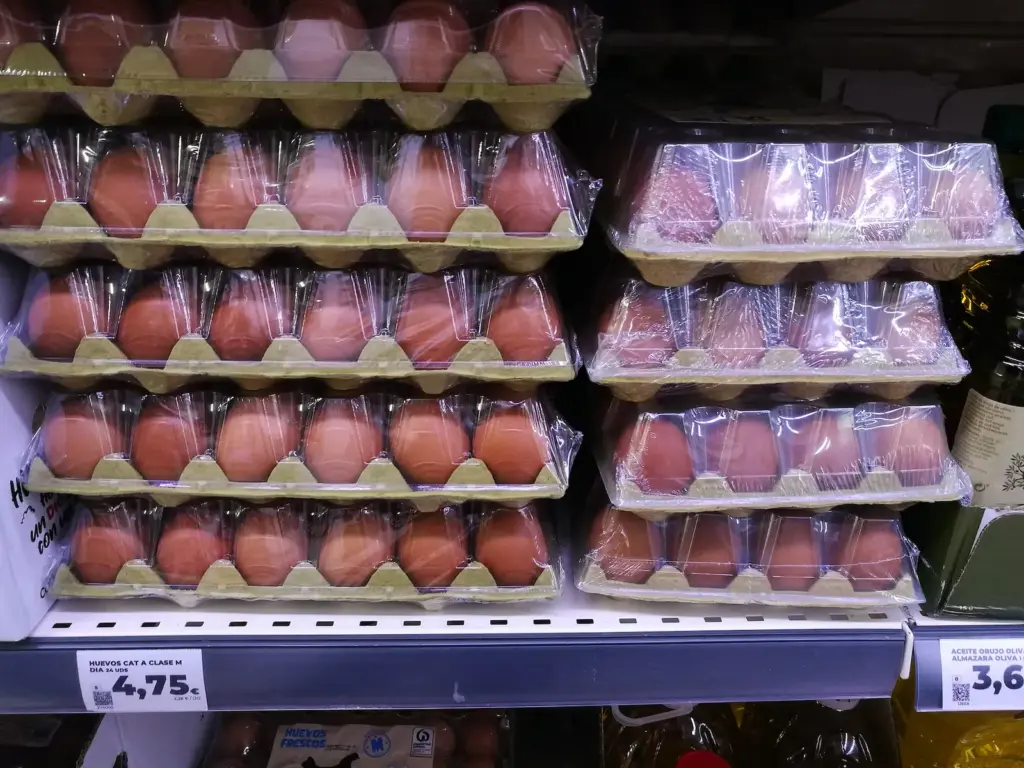
The impact will be even greater in freight transport. From 2030, 40% of certain packaging must be reusable, which will force companies to change their distribution systems and assume new costs for collection, storage, cleaning, and return to the supply chain of those containers. The industry also warns that some current formats are not compatible with the safety requirements of international supply chains.
Read more Man sent to jail for the death and mutilation of a jaguar in Bolivia
In bars and restaurants, the most evident change will occur in about four years, when single-dose sachets are replaced by reusable containers or other formats. Emilio Gallego, secretary general of Hospitality of Spain, points out that in some cases this could mean savings. This is the case with olive oil, which would reduce the cost per liter. But it has its counterpart, and that is that the new systems will require more water, energy, equipment, and working time for their cleaning and maintenance.
The business association Brands of Restoration, which brings together nearly 170 commercial brands, warns that “there are not yet fully viable and scalable solutions for 2030 that replace individual portion packaging without generating other negative impacts.” The problem, therefore, is not only finding an alternative container but organizing everything that happens afterward. This means cleaning it, transporting it, storing it, and putting it back into circulation.
Impact on the customer
Business associations and analysts consulted agree that as adaptation costs increase, there will be pressure to pass part of it on to the final price. But Kreisler insists that consumers “should not bear the cost of packaging being recycled, nor any of the new obligations that the industry must assume. On the contrary, it should represent a saving.” The analyst also points to the government’s responsibility to establish monitoring measures to control these practices. The Ministry for the Ecological Transition avoids entering the debate for now. Prices, a spokesperson for the department headed by Sara Aagesen indicates, are “market decisions.”
The business association Brands of Restoration warns that, since “hospitality arrives at this transition in a context of widespread cost increases — wages, energy, food, taxation —” the new scenario will “likely cause a partial transfer of costs to the final price, something difficult to avoid if investments and recurring expenses increase.” In parallel, Asedas emphasizes that “adaptation will require investments from the entire value chain,” which will force seeking solutions so that sustainability is compatible with “economic accessibility for consumers.”
The impact will not be immediate or uniform. Some companies will be able to absorb a greater part of the economic impact or benefit from more efficient packaging. Others, especially those working with formats difficult to recycle or needing heavy investments to adapt their operations, will have less margin.
In the medium and long term, pressure on prices could also come from the materials needed to comply with the regulation. The regulation requires incorporating more and more recycled plastic in certain packaging, but food-grade material remains more expensive because its production is scarce compared to demand. In Europe, the price difference between this material and so-called virgin PET has reached 650 euros per ton. Organizations also warn that Europe’s capacity to recover and sort these materials is still insufficient and highly fragmented among countries.
There is another way in which the regulation may end up affecting consumers’ pockets, although it is much harder to measure: the shelf life of food. Organizations warn that the plastic of certain fresh products protects them during transport and extends their useful life. Ecoembes and Asedas recall that the new regulation allows exceptions if a technical need for protection to preserve the food is demonstrated. But, in any case, there are various sector studies indicating that a hasty removal of these packaging systems can increase waste rates both in the distribution chain and in households.