Morena is going through decisive weeks ahead of the 2027 elections. All the party’s political work is focused on the process of selecting “coordinations for the defense of transformation and national sovereignty,” a euphemism devised to carry out its internal candidate selection processes while evading legal restrictions and bypassing the official electoral calendar timelines, which mark the start of pre-campaigns until January of next year. Sources from Morena have revealed to EL PAÍS that the aim is to define the 17 state coordinations (that is, the candidacies for governor) in the first half of September, after the Government Report of President Claudia Sheinbaum and before the legal start of the process at the federal level and in most entities with local elections.
Read more Respuesta a Fox: el presidente de las minorías
Defining who will lead the 4T project before that date is crucial, as it is the only way for their aspirants to continue promoting themselves and touring their states without being sanctioned for early campaign activities. If they commit this offense once the electoral process is underway, they could be sanctioned with the cancellation of their candidacy, party sources warned. Even so, the National Electoral Institute and the Local Public Electoral Organizations (OPLE) have received dozens of complaints against Morena members in recent months.
In June, Morena reported that 277 aspirants registered for the coordinations of the 17 entities where there will be a governor election, an unprecedented influx of cadres seeking nomination. Since July, they have been doing territorial work shielded by the process opened by the leadership. Most of them requested leave from the public offices they currently hold to focus on three activities: informative assemblies, door-to-door tours, and distributing the newspaper Regeneración, the official communication organ of the 4T.
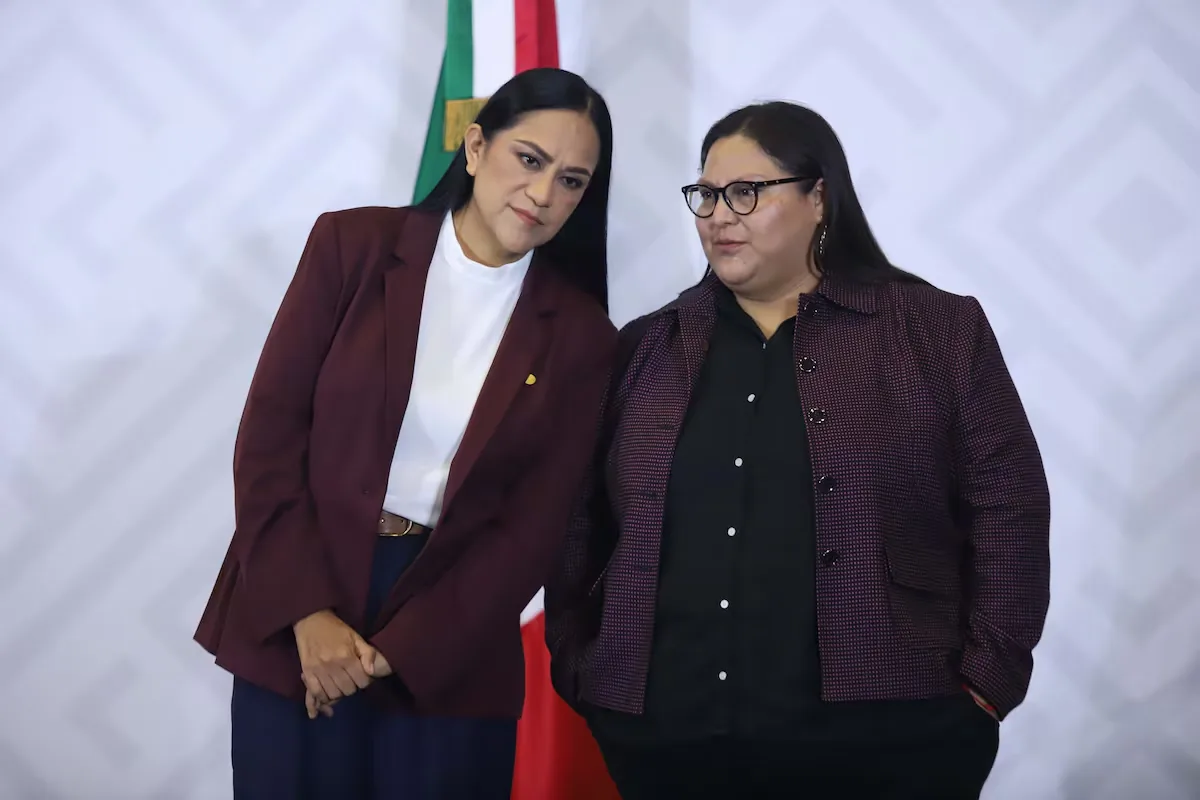
Both within the party, the opposition, and electoral authorities, it is known that the ruling party’s aspirants are seeking the governorship candidacy in their states; however, leader Ariadna Montiel and the president of Morena’s Election Commission, Citlalli Hernández, have repeatedly denied that this is a pre-campaign. Just this Tuesday, Montiel insisted in her weekly press conference that it is a process of selecting “coordinators for the defense of transformation” who will also have the mission of leading the defense of national sovereignty called for by President Claudia Sheinbaum on May 31.
The coordinations (candidacies) will be defined through surveys conducted during August and the first week of September. Up to six aspirants per entity can participate, and in those states where the Green Party and PT have competitive profiles, they can register one automatically, which could result in Morena having only four aspirants in some entities. This has generated tensions in states like Guerrero, where 30 aspirants registered, including profiles from the Green Party (its national president, Karen Castrejón) and PT (its historic leader Victoriano Wences), as well as well-known Morena leaders such as Senator Beatriz Mogica; the mayor of Acapulco, Abelina López Rodríguez, and the former legal advisor to the Presidency, Esthela Damián.
On the other hand, there are states like Chihuahua, where only two aspirants have possibilities: the mayor of Ciudad Juárez, Cruz Pérez Cuéllar, and Senator Andrea Chávez, who have been engaged in a direct contest for more than six months seeking a strategic candidacy for the 4T, as Chihuahua is an entity Morena could take from the PAN in 2027, where differences with the current governor Maru Campos are public.
Read more Time change in Chile 2026: when daylight saving time starts
Operation unity
In recent weeks, Ariadna Montiel and Citlalli Hernández have held meetings with aspirants, state by state, to call on them to maintain unity and respect the rules of the process, which prohibit ostentatious campaigns, acts that could be considered violations of electoral law (such as placing propaganda in media, billboards, and urban infrastructure), and attacks among themselves or against the state or national leadership.
The meetings have been convened by electoral district, where the party appointed regional coordinators for the internal processes: Deputy Ricardo Monreal in the First; Deputy Alejandro Peña in the Second; former governor of Puebla Sergio Salomón Céspedes (current director of the National Institute of Migration) in the Third; Senator Adán Augusto López in the Fourth; and former national leader Mario Delgado (current Secretary of Public Education) in the Fifth. Morena’s president denied this Tuesday the participation of public officials in these party works but did not name those coordinating the Third and Fifth Districts.
Ariadna Montiel has said these meetings aim to follow up on the territorial work of those seeking to be coordinators. She has also reported that Morena’s Commission of Honesty and Justice is currently analyzing the nearly 300 profiles registered to compete for the state coordinations, as the party set requirements to achieve profiles without criminal records, with good public reputation, and without sanctions for political gender violence. Since assuming Morena’s leadership last May, Montiel has prioritized countering the bad image left by the Sinaloa case, warning that no act of corruption would be tolerated.
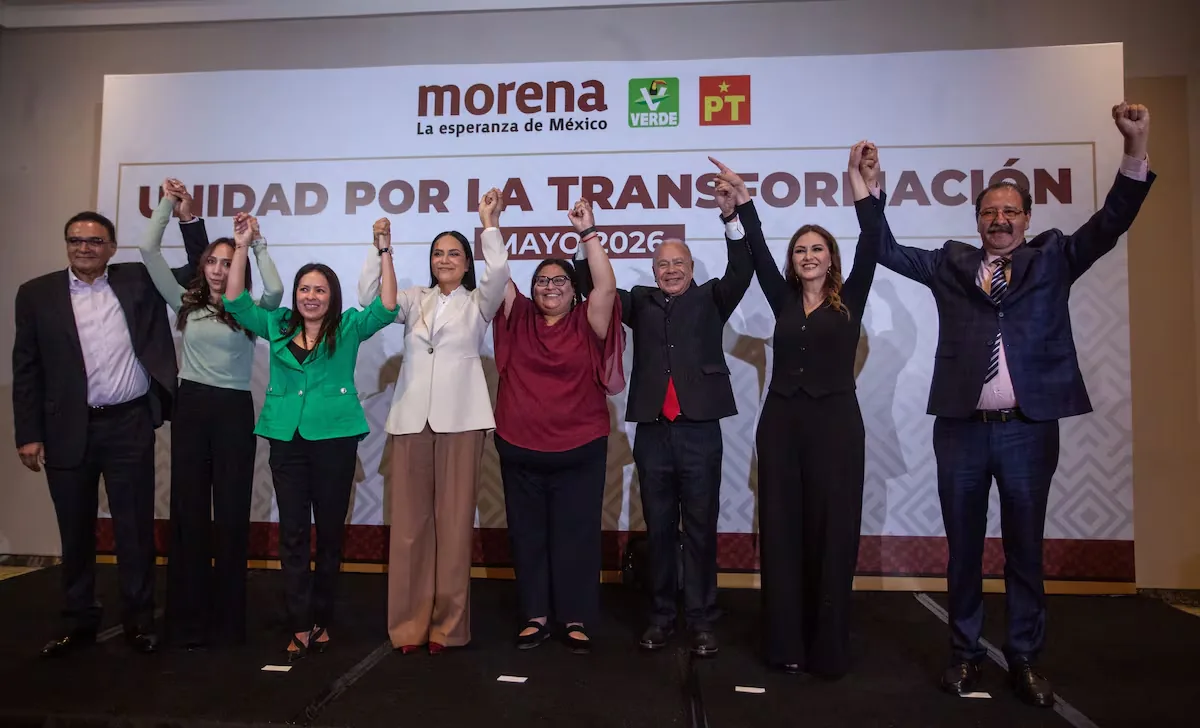
At the same time, the party is working on two delicate fronts: defining the timelines for the coordinations in the 300 federal electoral districts, the thousands of municipalities with elections in 2027, and the local districts where deputies will be elected; additionally, local alliances with the Green Party and PT must be processed, which depend on hundreds of agreements at the local level and the agreement reached by the national leaderships.
Read more A basic with over 40,000 reviews: these men’s chino shorts are available in 12 colors