
- Spanish narrative
- International narrative
- Real lives
- Turmoil world
- Essay / history
- Theater
- Poetry
- Comic
SPANISH AND LATIN AMERICAN NARRATIVE
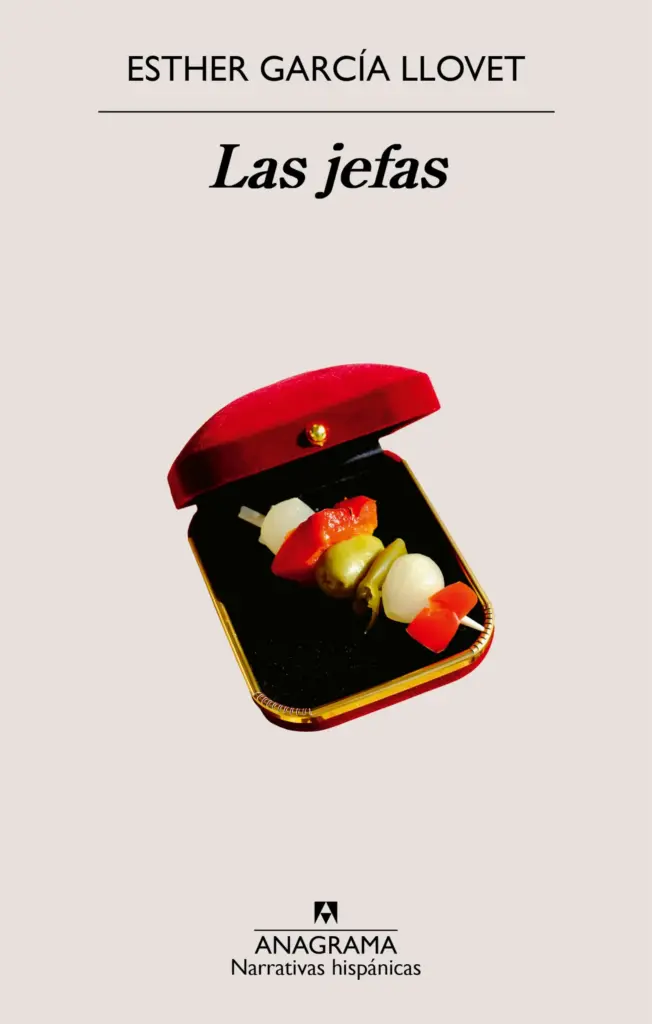
1. Las jefas
Esther García Llovet
Anagrama, 2026. 160 pages. 18.90 euros
Esther García Llovet completes with Las jefas her trilogy about landscapes of bathrobes, fake Buddhas, and shameless people in the Spanish Levante, doing so with all her biting edge intact, her sharp pen, and a sparse and brilliant acuity. She herself compares her literature to a Valencian mascletà, and no definition could be more accurate. The author shoots, makes noise, takes risks, and entertains in this novel where three girls bored of everything (except money) cause havoc in a luxury hotel. And its surroundings. Boredom, absurdity, and life reflected in unreal mirrors will be the hallmark. Reading it is a pure experience. By Berna González Harbour.
Read more Willem Dafoe: “I live near Rome, on an alpaca farm, it is the best place to see the river of life”
> Review by Ana Rodríguez Fischer
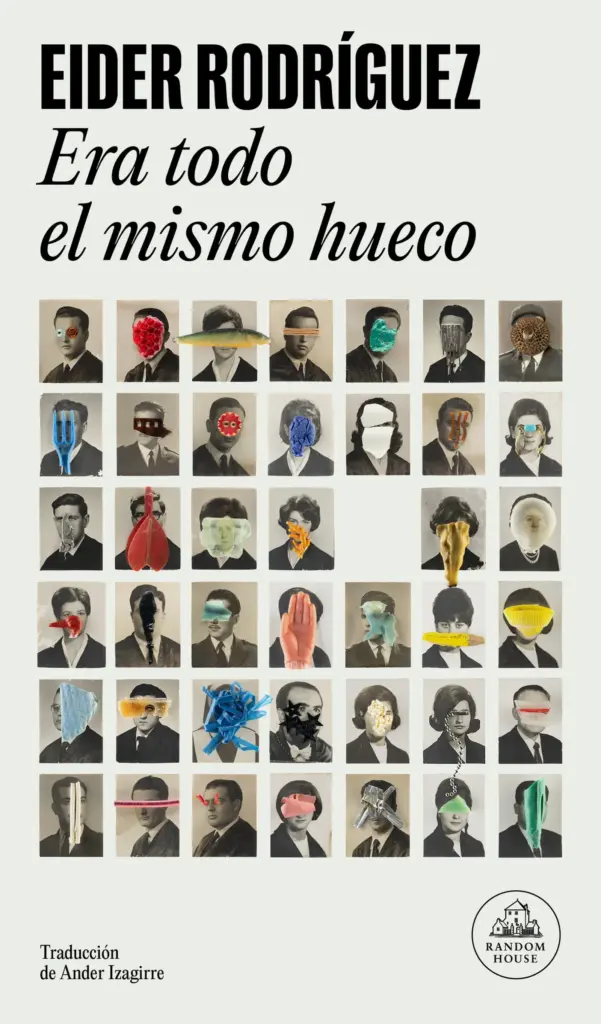
2. Era todo el mismo hueco
Eider Rodríguez
Translation by Ander Izaguirre. Random House, 2026. 148 pages. 18.90 euros
Basque: Dena zulo bera zen. Susa, 2025. 196 pages. 19 euros
Catalan: Tot era el mateix forat. Translation by Pau Joan Hernàndez. Periscopi, 2026. 176 pages. 19.50 euros
A woman compares her family with another in a remote paradise. Two friends condemned to separate build an ephemeral home that will unite them forever. A bride digs a hole in the garden without knowing why. These are three of the six stories in Era todo el mismo hueco, a title Rodríguez originally published in Basque, now translated into Spanish and Catalan. The best analyst of estrangement returns, whether with our body, the couple, or the identity we project in maddening normality. Essential, Rodríguez — who lives in Hendaye — offers border literature. From that threshold, she reveals the cracks that define us… and we try to hide. By Noelia Ramírez.
> Review by Noelia Ramírez
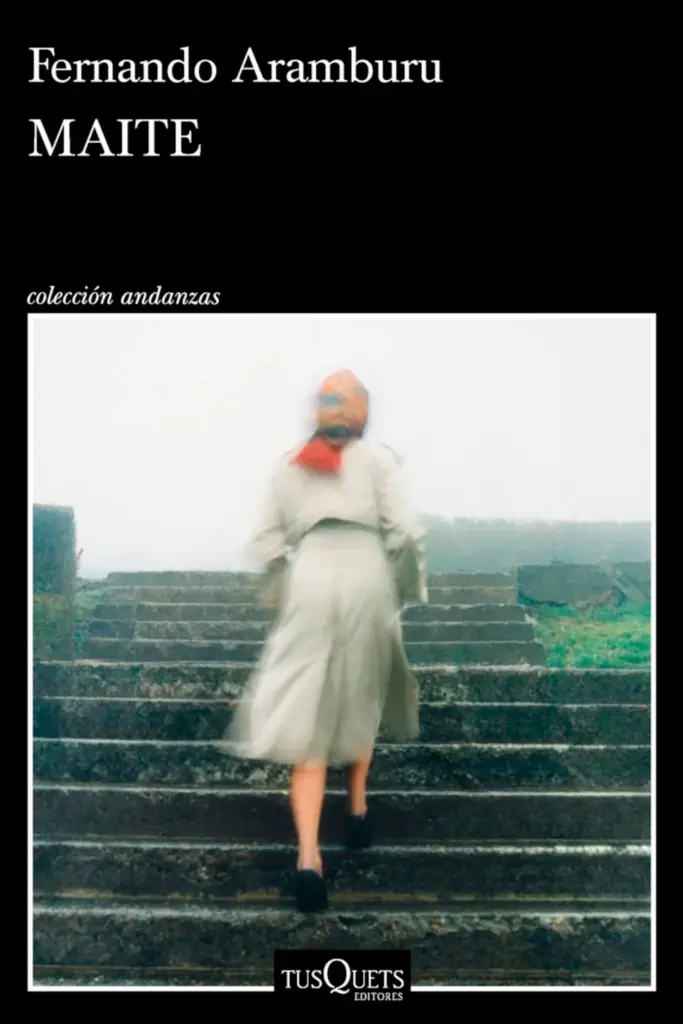
3. Maite
Fernando Aramburu
Tusquets, 2026. 344 pages, 22.90 euros
Catalan: Maite. Translation by Núria Parés Sellarès. Columna, 2026. 328 pages, 22.90 euros
Society and individual, Basque town and family, History and biography are the dimensions that intersect in this novel about violence, lies, respect, and the shadows of a peaceful and — let’s say — happy future. As the hours pass toward the ETA-announced assassination of young Miguel Ángel Blanco, Elene returns for a few days from the United States to reunite with her sister Maite and their mother. Against the nationalist mythology that Elene is imbued with from afar, Maite feels compelled to condemn the violence disturbing the social and political life of her Basque Country. But other types of terror and deceit undermine the private lives of these women. Aramburu tells it with deliberate simplicity from Maite’s white consciousness. By Domingo Ródenas de Moya.
> Review by Domingo Ródenas de Moya
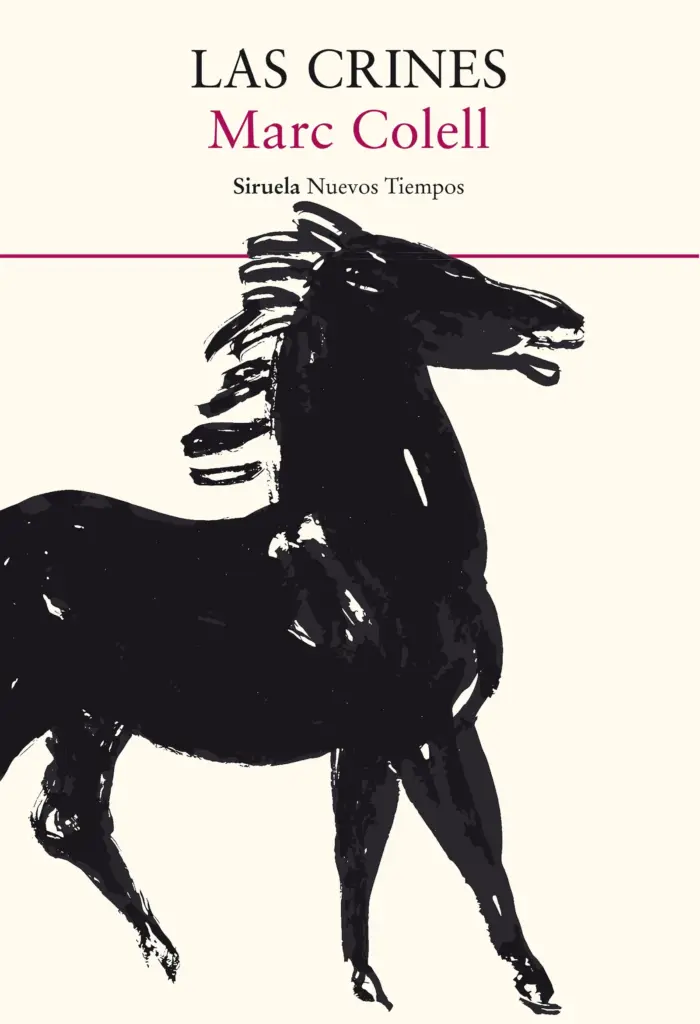
4. Las crines
Marc Colell
Siruela, 2026. 156 pages, 17.95 euros
Marc Colell opened the editorial year disruptively with Las crines. That innovation came from presenting someone’s story with a beginning, middle, and end without putting special emphasis on what was being told, but on how it was narrated. The prominence of literary style in this delightful little work is deserved, as is the winning of the Café Gijón novel prize. The Argentine pampas, the traveler’s philosophy, and countless well-measured poetic moments that allow us to return to childhood almost instantly are just some of the keys that make it impossible not to recommend and gift it. By Andrea Toribio.
> Review by Andrea Toribio
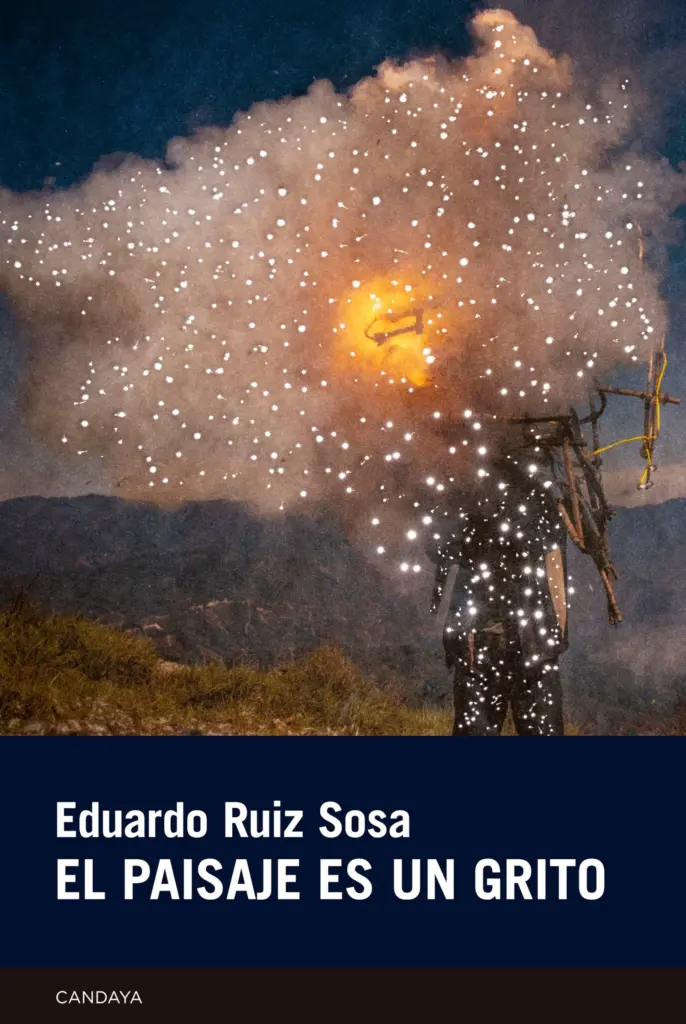
5. El paisaje es un grito
Eduardo Ruiz Sosa
Candaya, 2026. 400 pages. 21.84 euros
Eduardo Ruiz Sosa is one of those writers capable of destroying a completed manuscript of four hundred pages if he is not satisfied with the result, and starting over. I don’t think it’s a matter of perfectionism; rather, we are facing an author who continues to live literature as a destiny. And the destiny of this novel is to endure in the reader’s memory, with all the harshness surrounding characters seeking a place to be more than beings on the run, exiles, migrants, surplus matter. Here Mexico is the world, and the world, perhaps an irredeemable place we keep trying to redeem. A truly magnificent novel. By Nadal Suau.
> Review by Nadal Suau
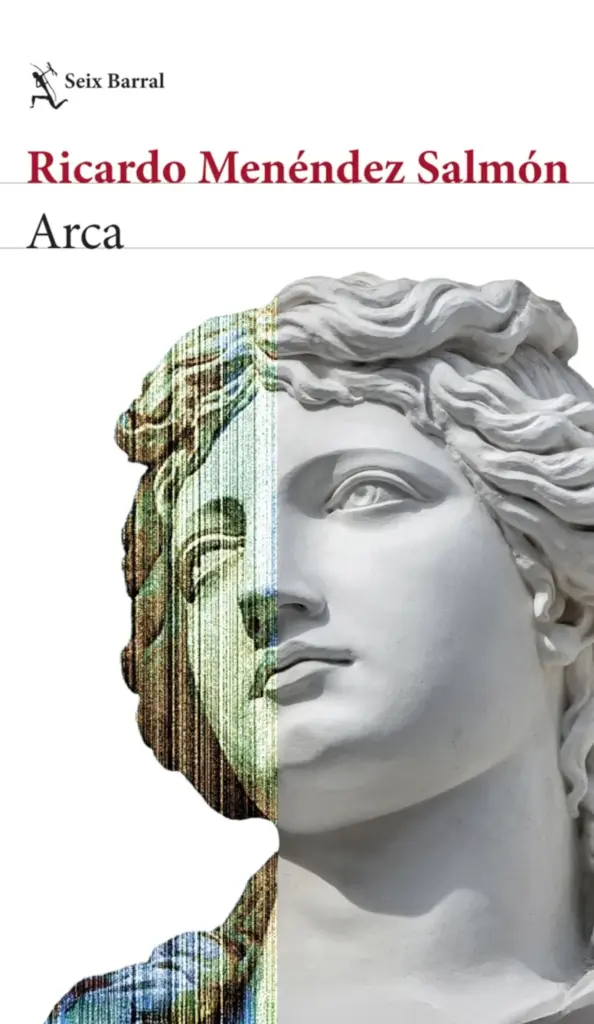
6. Arca
Ricardo Menéndez Salmón
Seix Barral, 2026. 472 pages. 22.90 euros
Venice is the beautiful and decadent setting where the known world literally collapses in this apocalyptic and philosophical novel. Dense, reflective, baroque, and unsettling, it shows in its structure the materials of several genres: dystopia (the end of the world has begun), ghost stories (a haunted house: the palazzo Ca’Barbarigo, in the Giudecca), police thriller (the strange disappearance of an employee investigated by a narrator-detective with extrasensory perception), fantasy (space-time loops, specters, and visionary beings), and even a Borgesian metaphysical tale. All serve a symbolic representation of the twilight of our civilization. Neither the subject nor the carefully crafted literary device that Arca contains is a joke. By Domingo Ródenas de Moya.
> Interview ‘In Few Words’ with Ricardo Menéndez Salmón
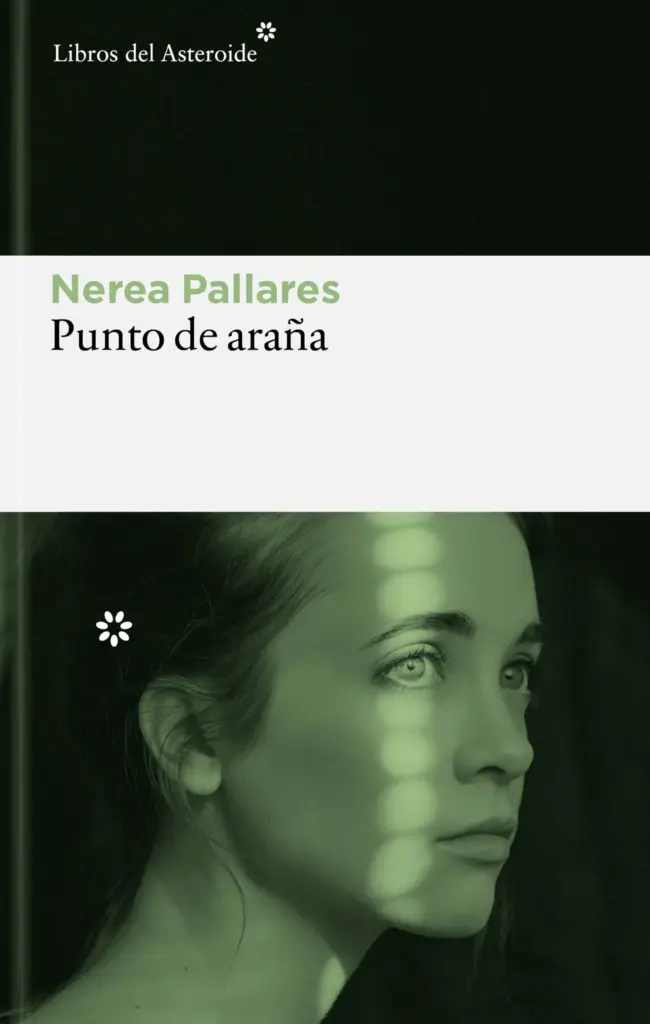
7. Punto de araña
Nerea Pallares
Libros del Asteroide, 2026. 184 pages. 19.95 euros
Galician: Punto de araña. Galaxia, 2025. 154 pages. 17.35 euros.
Catalan: Punt d’aranya. Translation by Eduard Velasco. Periscopi, 2026. 224 pages. 19.95 euros.
They say women weave the world, but what if they stopped? In this supernatural fiction translated from Galician, a young woman arrives at Costa da Morte to work as a tour guide in the lace museum, unaware that the women of the town — canners, shellfish gatherers, and embroiderers — have made a drastic decision about their fate. Fed up with men’s selfishness, they stand firm and decide to invoke the spiders, ancient deities that will change everything. Neither a narco-novel nor new Galician realism, Pallares has woven a very personal and intelligent text that unites collective memory against a violence that not only crosses Galicia but all of us. By Noelia Ramírez.
> Report by María do Cebreiro

8. En todo hay una grieta y por ella entra la luz
Patricio Pron
Anagrama, 2026. 232 pages. 18.90 euros
Here is a novel crafted in response to a challenge: to tell it in footnotes. Here is a challenge that responds to an intuition: the branching of the proposal, its effort to make the margin centrality, is a path of hope in a dying world. Here is a hope sustained by the word, by the power of language and literature to make us, as I heard Patricio Pron say in a presentation, “better ancestors.” Here is a language that darkens and illuminates in close identity with the fate of its narrator, the planet, and History. Here is a serious candidate for best novel of the year. By Nadal Suau.
> Review by Nadal Suau
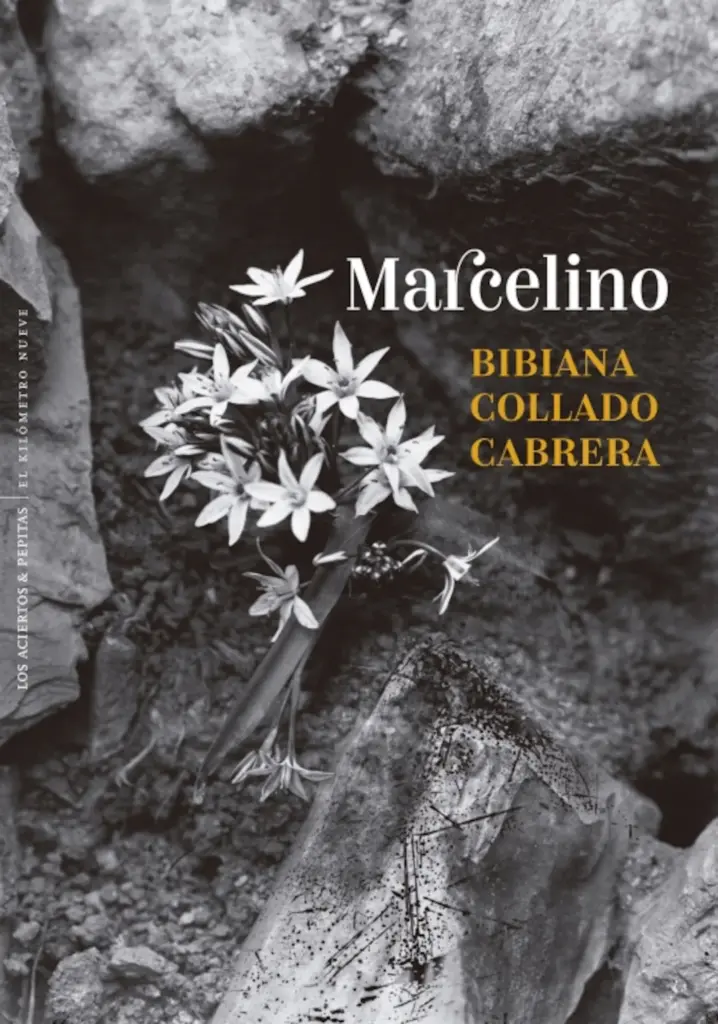
9. Marcelino
Bibiana Collado Cabrera
Pepitas de Calabaza, 2026. 160 pages. 17.50 euros
The return of Bibiana Collado Cabrera has a proper name and it is Marcelino. After the warm reception of Yeguas exhaustas in 2023, the author reviews here the life of a man in his final moments. Thanks to that elegiac gesture, he relives with the reader the ideas, words, and human bonds that have marked his reality. The detachment, even of the one telling the story, is commendable. The writing captures literary tradition, narrative rigor, and the dialogue of women’s bodily experience against the harshness that usually marks many men’s sentimental education. This novel is also a perfect exercise in memory. By Andrea Toribio.
> Review by Andrea Toribio
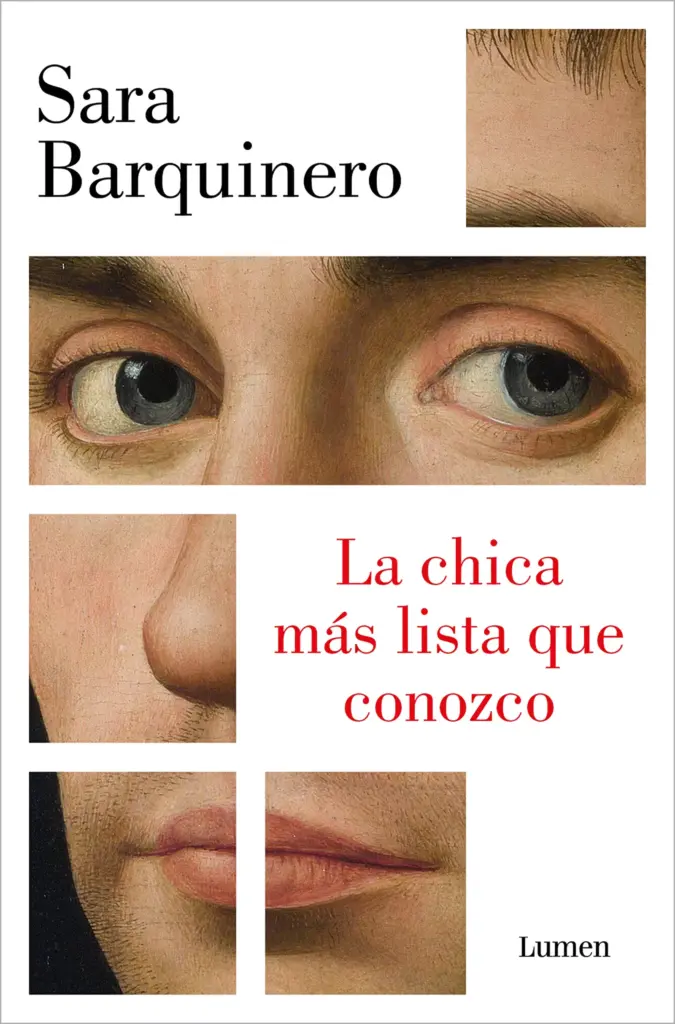
10. La chica más lista que conozco
Sara Barquinero
Lumen, 2026. 448 pages. 22.90 euros
After the success of the monumental Los escorpiones, Sara Barquinero leaves conspiracy theories behind and ventures into campus novel territory. In her new work, structured like a philosophical treatise, a young woman from the provinces arrives to study Philosophy at a big city university and finds a world where she struggles to fit in: she goes from being a mouse head to a lion tail, tries to integrate into a group of snobbish cultural young people, and discovers in the turbulent world of faculties the internal struggles between departments and, above all, the unsettling sexual-affective relationships between dazzled female students and professors who do not want to set limits. By Sergio C. Fanjul.
> Interview with Sara Barquinero. By Sergio C. Fanjul
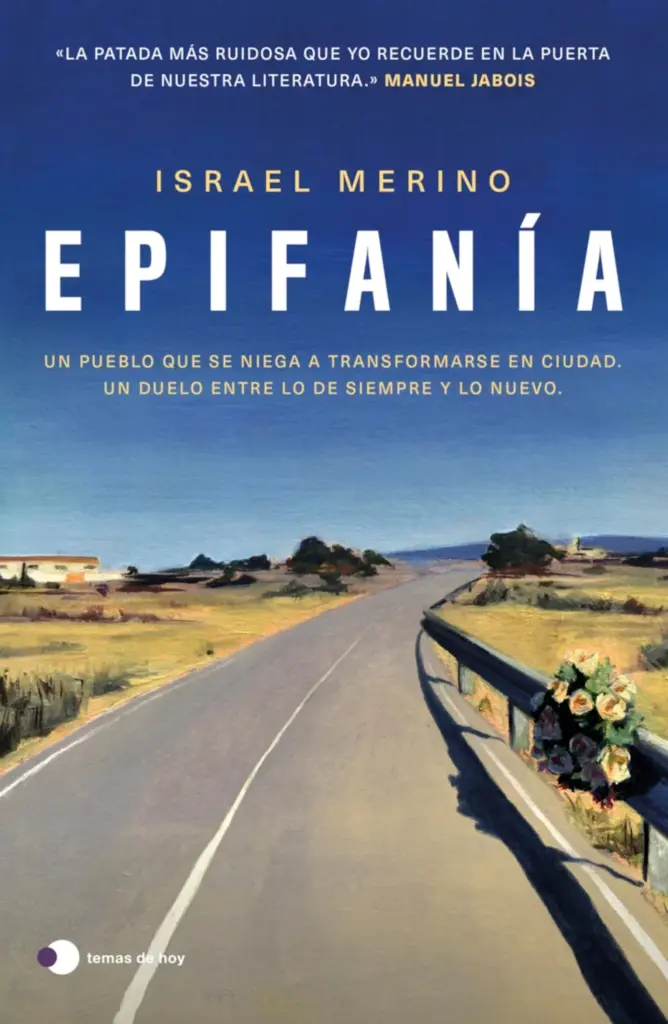
11. Epifanía
Israel Merino
Temas de Hoy, 2026. 240 pages. 19.90 euros
Who wouldn’t like a good lash of Castilian tremendism to portray a corrupt Spain where the ancestral still operates, and not precisely in its best sense, but in the strangling and cruel one? Epifanía is a strong narrative debut, with memorable structural talent, but above all it drags you into a sick atmosphere. It is the reverse of any rural bucolicism, with its town pierced by drugs, toxic masculinity, and curses that crush any lineage, unless it is powerful. It is neither an optimistic nor a kind read, and for that, of course, we like it. By Nadal Suau.
> Review by Nadal Suau
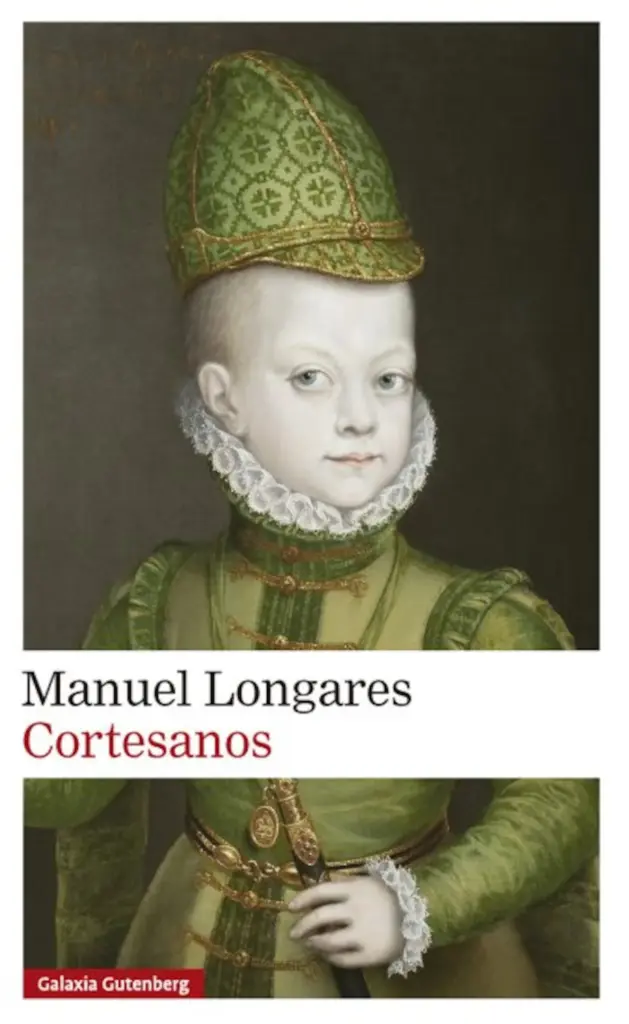
12. Cortesanos
Manuel Longares
Galaxia Gutenberg, 2026. 120 pages. 14.50 euros
Manuel Longares, responsible for the major work of realism that is Romanticismo, dares to approach history from the prism of humor, which is what saves us. Cortesanos fits into the tradition of satirical literature. The nouvelle spans several centuries — from the Habsburgs to the 19th century — and delves into the world of the court: kings, nobles, and, of course, courtiers around power. The main setting is Madrid, presented in two opposite faces: the official one, of monarchs and elites, concerned with appearances and order; and the popular, free and ragged, escaping as best it can through absurdity, sarcasm, gossip, or grotesque. Longares was always an heir of Valle-Inclán. By Use Lahoz.
> Interview with Manuel Longares. By Juan Cruz
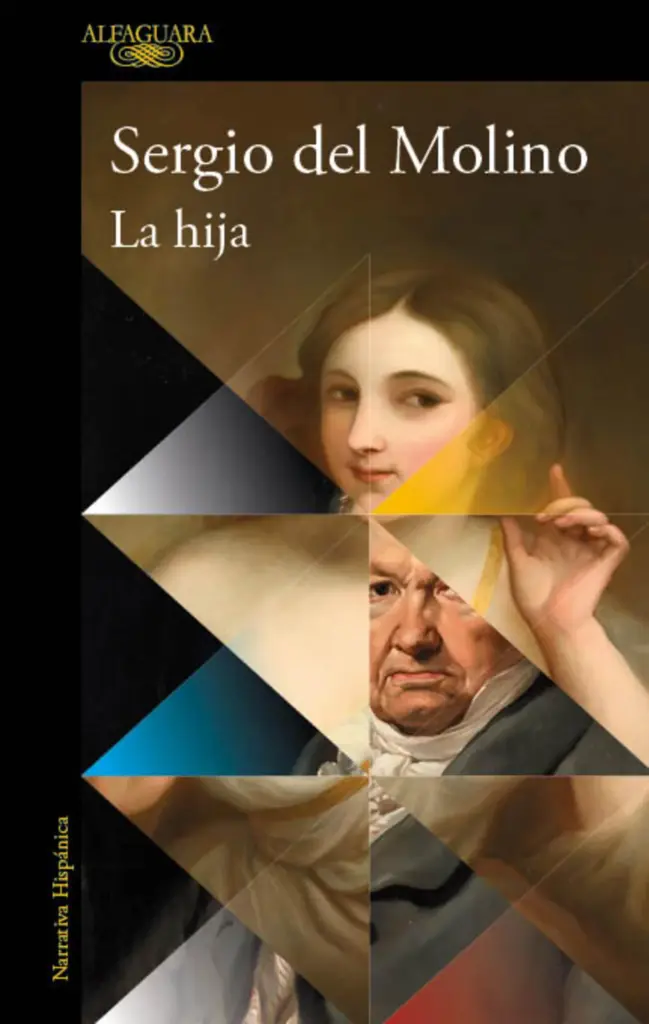
13. La hija
Sergio del Molino
Alfaguara, 2026. 648 pages. 23.90 euros
Sergio del Molino’s new book is two in one. When Goya’s Black Paintings arrived in Paris in 1878, a liberal diplomat recalls Rosario Weiss, a youthful love. Rosario grew up alongside the painter, learned from him, accompanied him, and then fell into oblivion. The second part is a kind of making-of of that story. It features Del Molino’s fascination with Weiss’s character and his research and suggestive and controversial interpretations around Goya’s figure. A hybrid of historical fiction and cultural essay, La hija is a powerful book that, among other things, shows that art can save your life. By Daniel Gascón.
> Review by Jordi Gracia
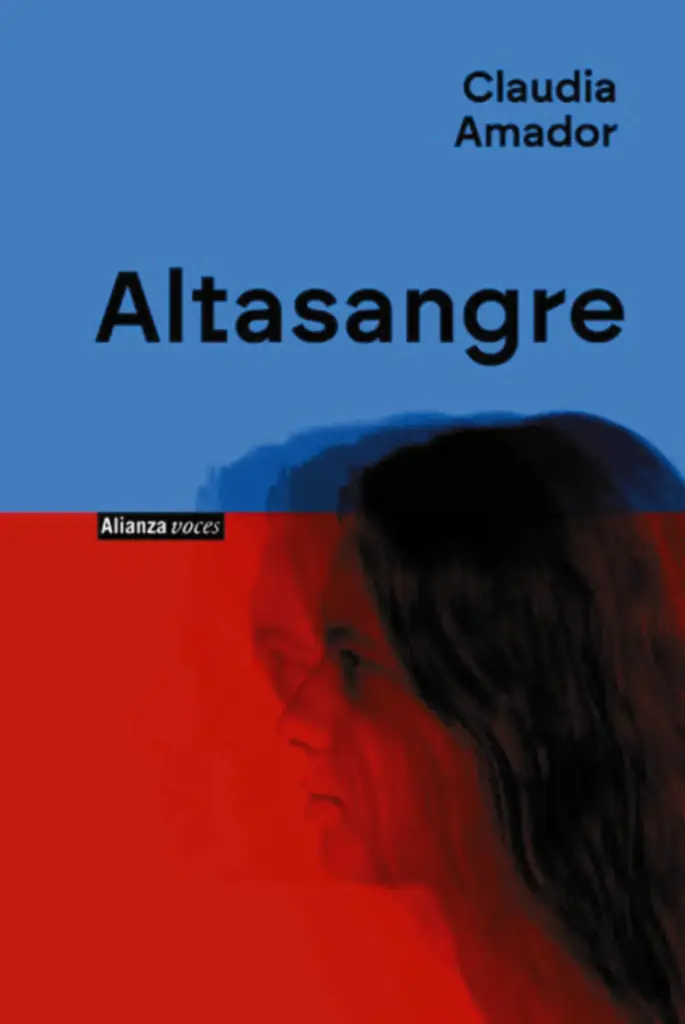
14. Altasangre
Claudia Amador
Alianza, 2026. 184 pages. 18.95 euros
How can something that is truly inside us scare us so much? I mean, of course, blood. What makes us look away from its color? Why do we feel dizzy smelling it? And at the same time, why are we so attracted to it when an author turns it into the exciting motive of a novel plot? Altasangre is a story full of red liquids, family pains, ancestral fears, but also lyricism and inventiveness that drag us into an almost vampiric story set in the heart of a Caribbean carnival. It will be hard not to come out soaked — sweat, blood, fascination — from its pages. By Luna Miguel.
> Interview with Claudia Amador. By Santiago Triana Sánchez
INTERNATIONAL NARRATIVE
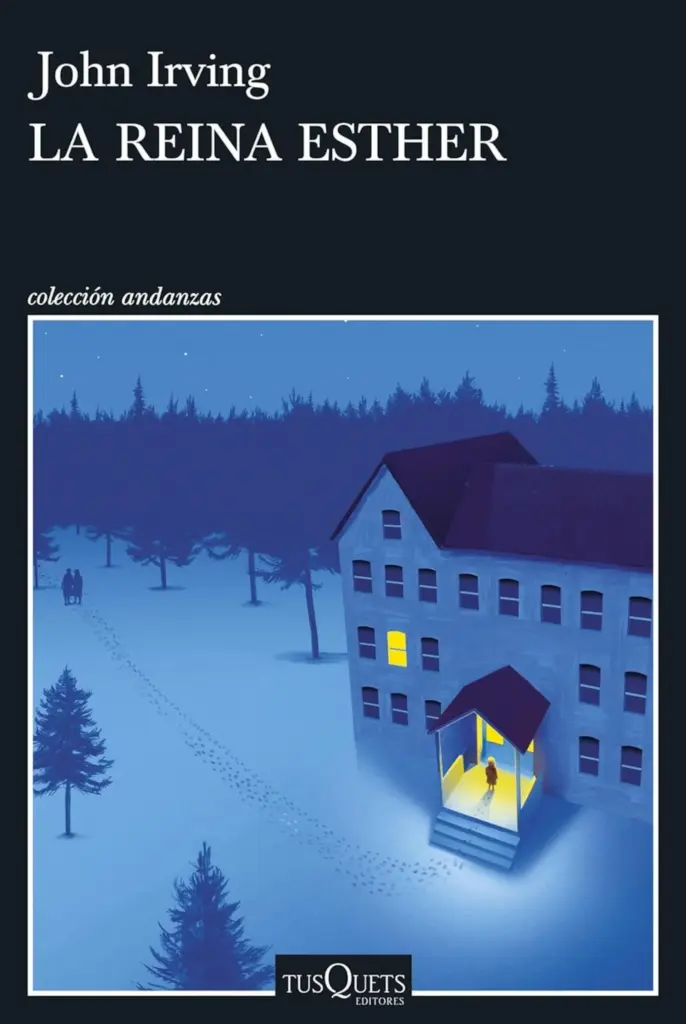
15. Queen Esther
John Irving
Translation by Juan Trejo. Tusquets, 2026. 480 pages. 22.90 euros
The latest novel by the author of The World According to Garp, returning to the gloomy world of the St. Cloud orphanage where his famous novel The Cider House Rules is set, but at the beginning of the 20th century, about twenty years before the story of orphan Homer Wells and Dr. Wilbur Larch, as a prequel. After the nods in his previous novel, The Last Chairlift, to his earlier works, which could suggest it was the end of his successful career, Irving seems to want to close a circle by returning to Maine, Dr. Larch, and the theme of antisemitism to tell the survival story of Jewish orphan Esther Nacht, from her adoption by the Winslow couple to her conversion into a Zionist heroine involved in the birth of the State of Israel. By Javier Aparicio Maydeu.

16. Photo by private
Simon Chevrier
Translation by María Enguix Tercero. Random House, 2026. 120 pages. 18.90 euros
Simon Chevrier’s debut, winner of the Goncourt prize for first novel, turns into autofiction the school year in which the author had to prostitute himself to survive. There is no special sordidness or overload of pathos: this brief and sharp book shows how sometimes sex work is reached out of the need to pay rent and the impossibility of asking for help. Without solemnity, Chevrier portrays contemporary gay life as a desperate search for human warmth, under the shadow of a persistent fear of disease inherited from the previous generation and a feeling of helplessness and symbolic orphanhood. Chevrier signs a great debut. By Álex Vicente.
> Interview with Simon Chevrier. By Álex Vicente
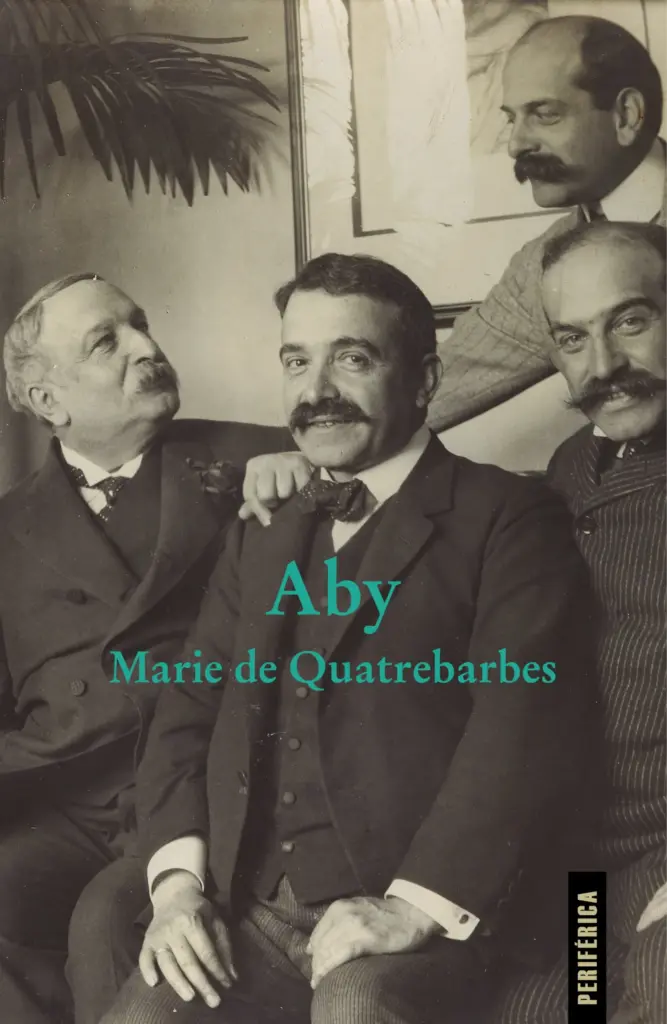
17. Aby
Marie de Quatrebarbes
Translation by Vanesa García Cazorla. Periférica, 2026. 160 pages. 18 euros
Marie de Quatrebarbes draws inspiration from the life and work of Aby Warburg (1866-1929), a key figure in 20th-century art history and a great German collector, to explore the years he was interned in a Swiss clinic gripped by schizophrenia, paranoia, and phobias. During that period, Warburg conjured madness and chaos by dedicating himself to the study of images and books he carefully gathered and which, unlike the thousands of libraries destroyed in the Nazi fire, his family managed to save and are now preserved at the Warburg Institute in London. By Jordi Amat.
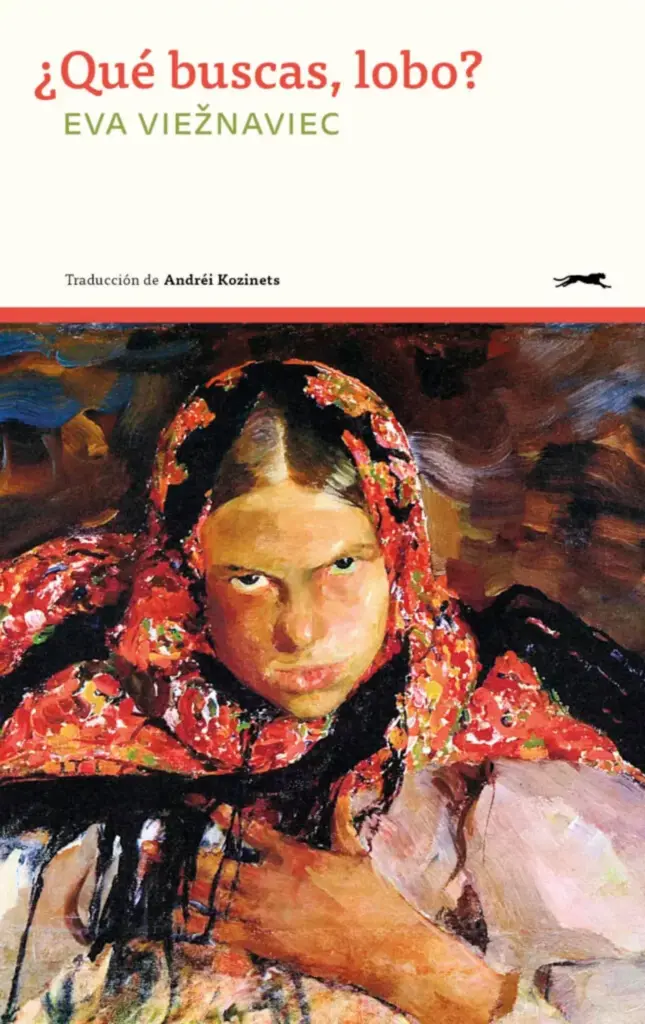
18. What are you looking for, wolf?
Eva Viežnaviec
Translation by Andréi Kozinets. Gatopardo, 2026. 176 pages. 18.95 euros
The protagonist of What are you looking for, wolf? has been in Germany for eight years and returns to her village in Belarus when her grandmother dies. It is the framework presenting the terrible history of the area in the 20th century: Russian oppression, revolution, Stalinism, World War II, the Holocaust, Soviet domination again. It is told from the perspective of ordinary people battered by tragedy: liberators are oppressors, brutality is everyday, nature is almost as threatening as men. The voice, of a woman who carries on an old tradition of healers, is full of lucidity and dark humor, and is deeply hypnotic. By Daniel Gascón.
> Review by Daniel Gascón
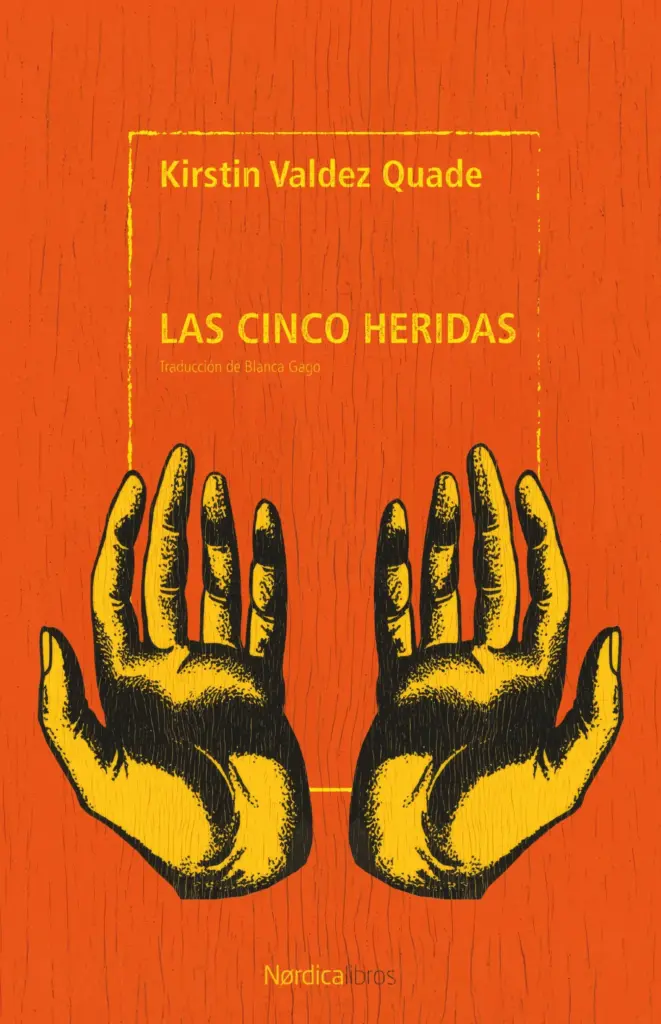
19. The five wounds
Kirstin Valdez Quade
Translation by Blanca Gago. Nórdica, 2026. 536 pages. 26.95 euros
Loaded with the symbolism of Holy Week, the novel immerses the reader in the daily life of a Latin family in New Mexico as if their existence were a via crucis to be avoided with strength of spirit and doses of sophisticated humor that sweeten the small great dramas of everyday life. A too young mother, a man adrift, the hybrid richness of Latin culture in today’s United States, porous yet strongly protected by ancestral traditions, the necessary sisterhood of women in a suffocating patriarchy, and the dream of a future capable of healing the wounds of migration and questioned identity. A tragicomedy loaded with social gunpowder but written with the subtlety of Alice Munro and the ambiguity of Coetzee. By Javier Aparicio Maydeu.
> Review by Javier Aparicio Maydeu

20. The solitude of Sonia and Sunny
Kiran Desai
Translation by Aurora Echevarría Pérez. Salamandra, 2026. 736 pages. 26 euros
Indian novelist Kiran Desai spent two decades writing this monumental novel with which, after winning the Booker in 2006, she returned to the literary life from which she prudently keeps away. After reading it, the impression remains that all that time was well spent. The plot flows with the rhythm of perfect sentences through a lush tree of well-built characters. Its protagonists are young Indians in New York, as Desai once was, and their deferred love story is also a reflection on the everyday micro-racisms of immigrants and the strangeness of the new world. By Iker Seisdedos.
> Interview with Kiran Desai. By Iker Seisdedos
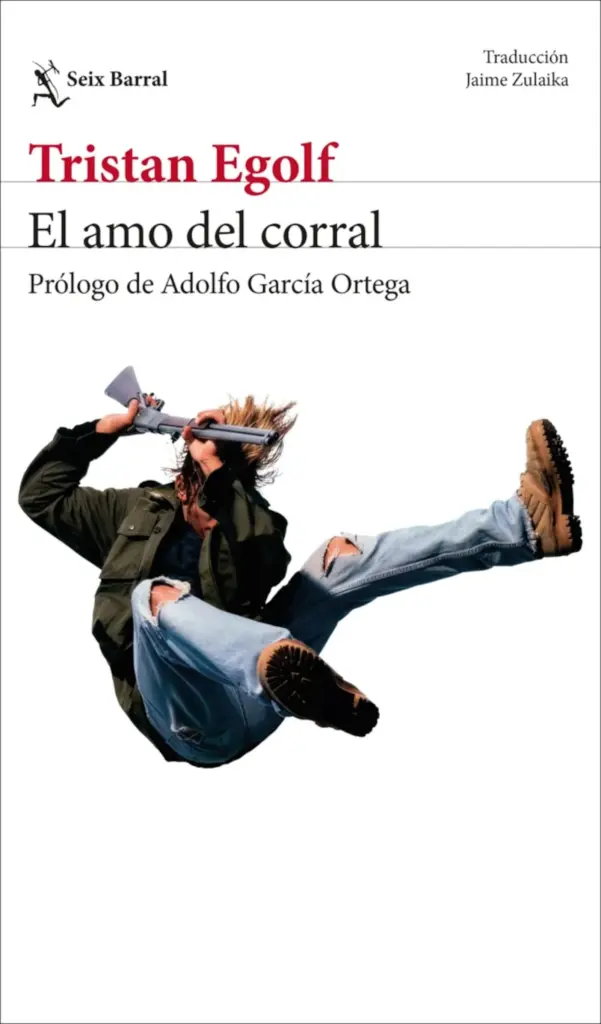
21. The master of the yard
Tristan Egolf
Translation by Jaime Zulaika Goicoechea. Seix Barral, 2026. 536 pages. 23.90 euros
Here is the forgotten — or buried, or never mentioned — classic of an enfant terrible who was born, by chance, in El Escorial. Son of a painter and a National Review correspondent, Egolf grew up between Washington and a town in Indiana with his mother and had a wandering life — and a punk band — then moved to Paris where he met Patrick Modiano’s daughter, who got Gallimard to publish this cursed novel — rejected by all American publishers — about a lost bullet — John Kaltenbrunner — who goes from training carrier pigeons to leading an absurd rebellion against the system that never wanted to know anything about him. The must Pynchonian of the season. By Laura Fernández.
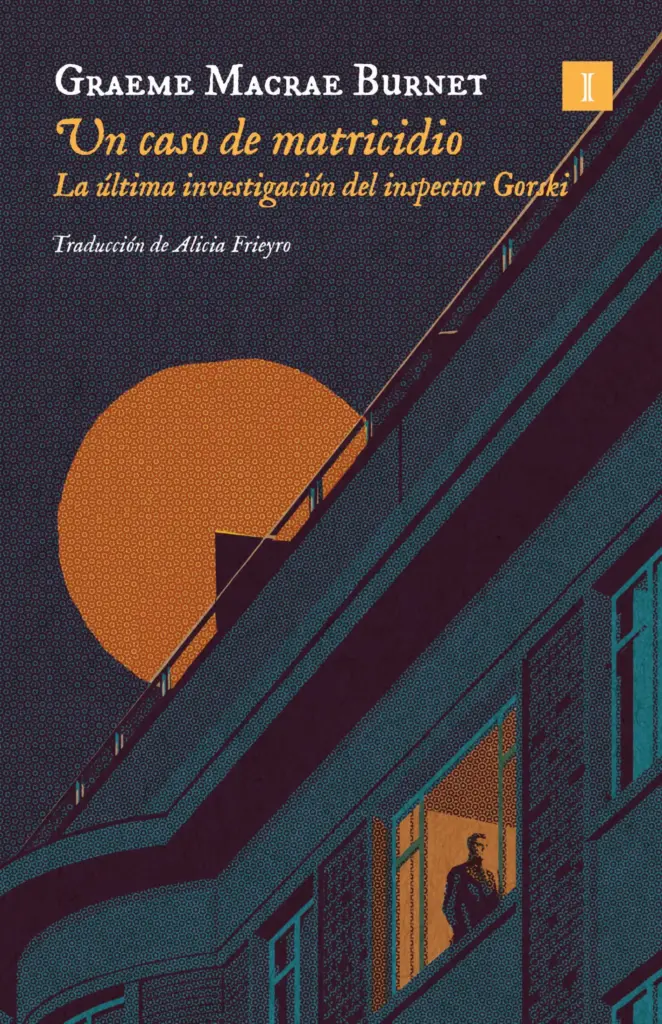
22. A matricide case
Graeme Macrae Burnet
Translation by Alicia Frieyro. Impedimenta, 2026. 288 pages. 23.95 euros
Third and perhaps last installment of the series starring detective Georges Gorski, A matricide case breaks the conventions of the crime genre with a story tinged with metaliterary elements offering a pact to the reader: an exchange of patience for satisfaction. Through Gorski’s stream of thought, a police officer in a faded French city, the author takes us into a narration that covers everyday life and, with it, the character’s progressive sinking. As the pages pass, we accompany him in his most mediocre cases and experiences (not boring for that), to his doubts and discoveries about suspicious deaths whose pieces will gradually fit together. By Juan Carlos Galindo.
> Article by Juan Carlos Galindo
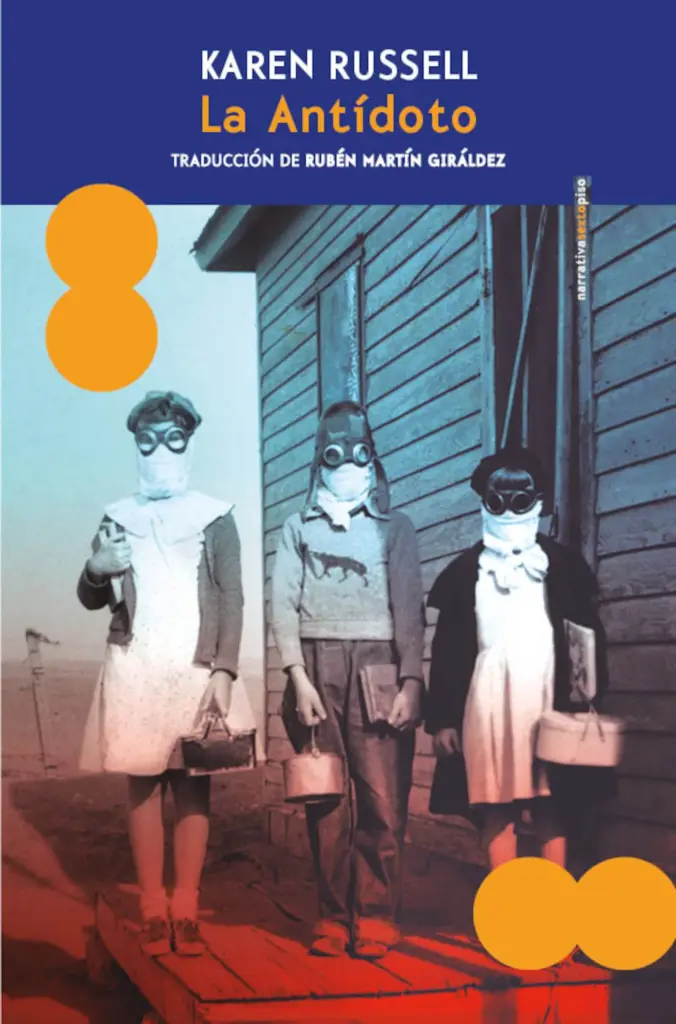
23. The Antidote
Karen Russell
Translation by Rubén Martín Giráldez. Sexto Piso, 2026. 562 pages. 26.90 euros
Karen Russell elevates to another dimension — a deliciously impossible one — everything she touches. It could be said that hers is not magical realism but some kind of everyday fantasy, or enchanted realism. Remember what happened in Swamplandia! (Tusquets, 2012), her first novel, where she narrated the extravagant daily life of a dysfunctional family of crocodile tamers. Now, she has moved to the fictional Uz — a stand-in for L. Frank Baum’s Oz — to create a collection of witches dedicated to treasuring memories. Everything seems to go reasonably well until a series of dust storms leave them blank, and what are they without memory? A genius, between John Irving, Joy Williams, and Carson McCullers. By Laura Fernández.
> Review by Laura Fernández
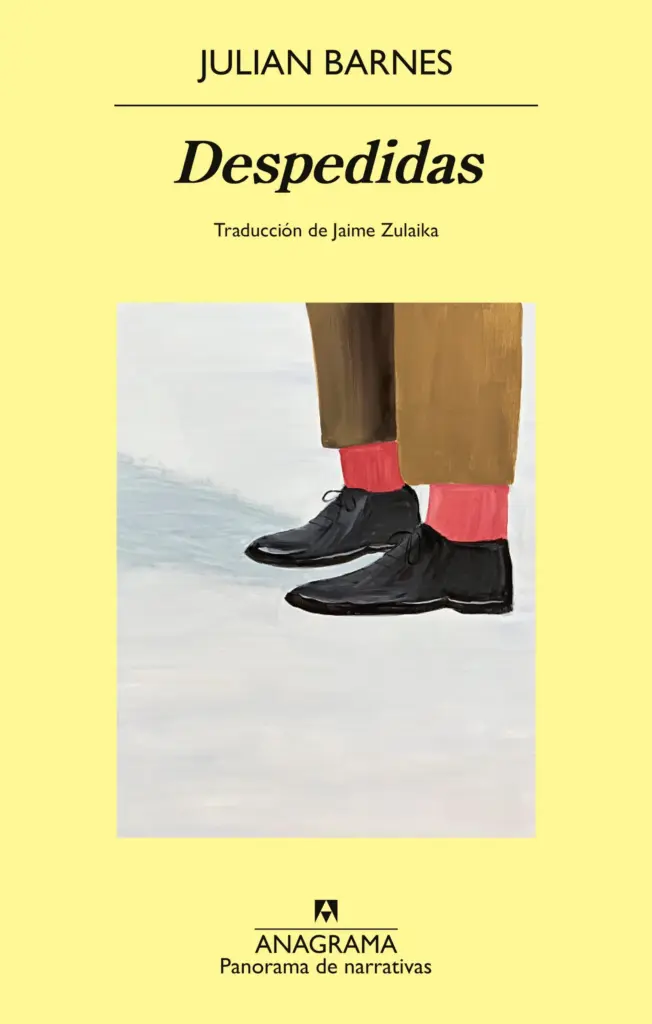
24. Farewells
Julian Barnes
Translation by Jaime Zulaika. Anagrama, 2026. 216 pages. 19.90 euros
Farewells is presented as Julian Barnes’s last book, one of the most outstanding writers of a brilliant British generation. Like other late works by the author of Flaubert’s Parrot, it mixes narration and reflection, culturalism and autobiography, humor and melancholy. Here he talks about his illness, a rare and non-lethal form of cancer, two friends who meet in a kind of second chance, memory, and the proximity of death. To someone who reproaches him for mixing genres in his books, he replies that he knows perfectly well what he is doing when he writes. It is also obvious in this work that it is read with pleasure. By Daniel Gascón.
> Interview with Julian Barnes. By Rafa de Miguel
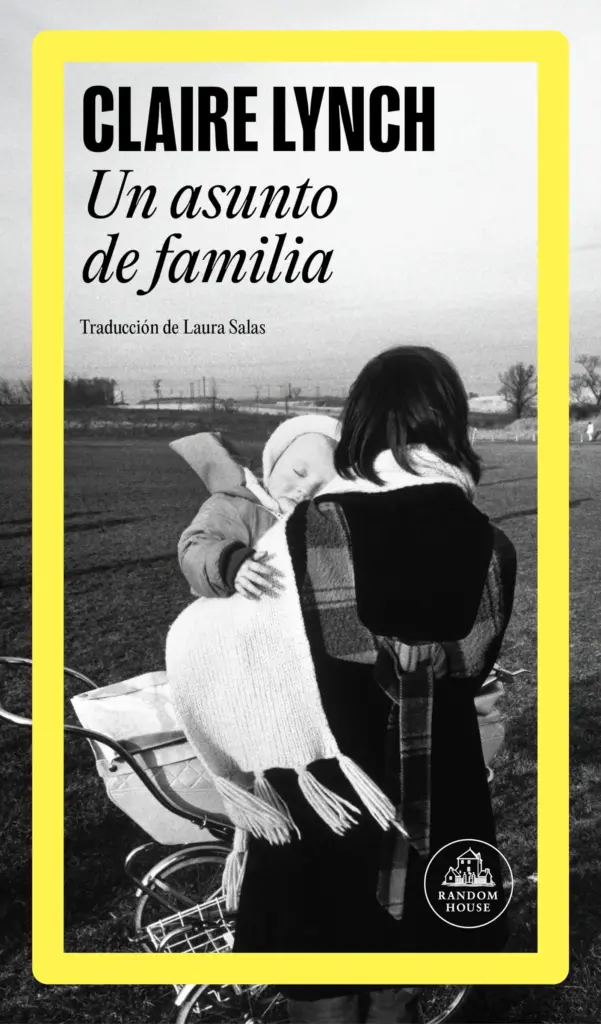
25. A family matter
Claire Lynch
Translation by Laura Salas Rodríguez. Random House, 2026. 224 pages. 20.90 euros
Catalan: Un assumpte familiar. Translation by Núria Saurina. Periscopi, 2026. 246 pages. 20.50 euros
A married woman falls in love with another woman, separates from her husband, and a humiliating legal process forces her to leave her daughter. It was the eighties, and Margaret Thatcher was about to approve the so-called Section 28, which prohibited teaching that “homosexuality is acceptable as a supposed family relationship.” Forty years later, the daughter has to untangle the family’s lies. Treated in two times, the best of Claire Lynch’s first novel is the author’s tangible effort of restraint: the narration advances through brief snapshots, and important things happen out of focus. Lynch does not judge but focuses on a little-known side of history to show how far, in a moral sense, the recent past is. By Carlota Rubio.
> Review by Carlota Rubio
REAL LIVES
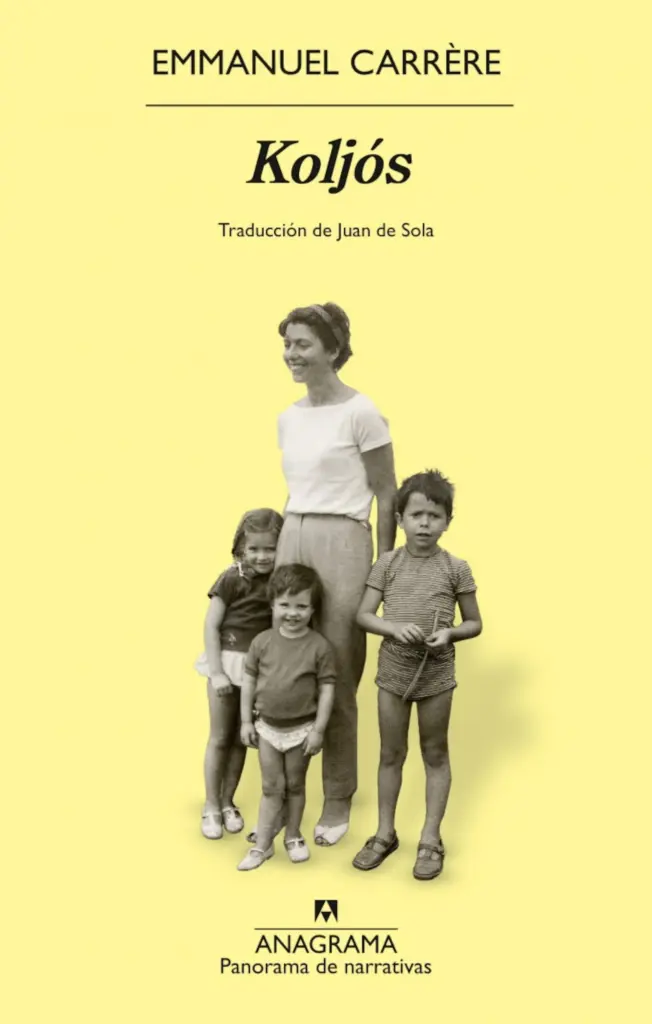
26. Koljós
Emmanuel Carrère
Translation by Juan de Sola. Anagrama, 2026. 448 pages. 23.90 euros
It all starts with the death of the mother, Hélène Carrère d’Encausse, perpetual secretary of the French Academy, great historian of Russia, interlocutor of presidents and tsars. Emmanuel Carrère pulls the thread and reveals the story of his Russian-Georgian maternal family, tells the story of 20th-century Europe, visits Ukraine and Russia, and draws a portrait, both harsh and compassionate, of his mother and father, Louis Carrère d’Encausse, the hidden and sad hero of this historical and intimate fresco that is also a self-portrait of himself: the contemporary author who has taken to the highest and brightest expression the so-called literature of the self. By Marc Bassets.
> Interview with Emmanuel Carrère. By Daniel Verdú
27. Oxygen
Marta Jiménez Serrano
Alfaguara, 2026. 160 pages. 18.90 euros
It is scary: a high concentration of carbon monoxide from the poor combustion of the boiler, as sweet as invisible, almost caused the author’s death, who lost consciousness in the bathroom, hit her head, and was found by her then partner. Starting from that ordeal, the very probable death on a Saturday morning, in your own home, Jiménez Serrano weaves a non-fiction novel mixing the adventure of a young couple looking for an apartment (the great adventure of our time), existential reflection, the relationship with a villain of a tale (a landlady so tough she seems invented), and the difficulties of overcoming trauma in a society that seems in a hurry to forget others’ discomfort. By Sergio C. Fanjul.
> Interview with Marta Jiménez Serrano. By Sergio C. Fanjul
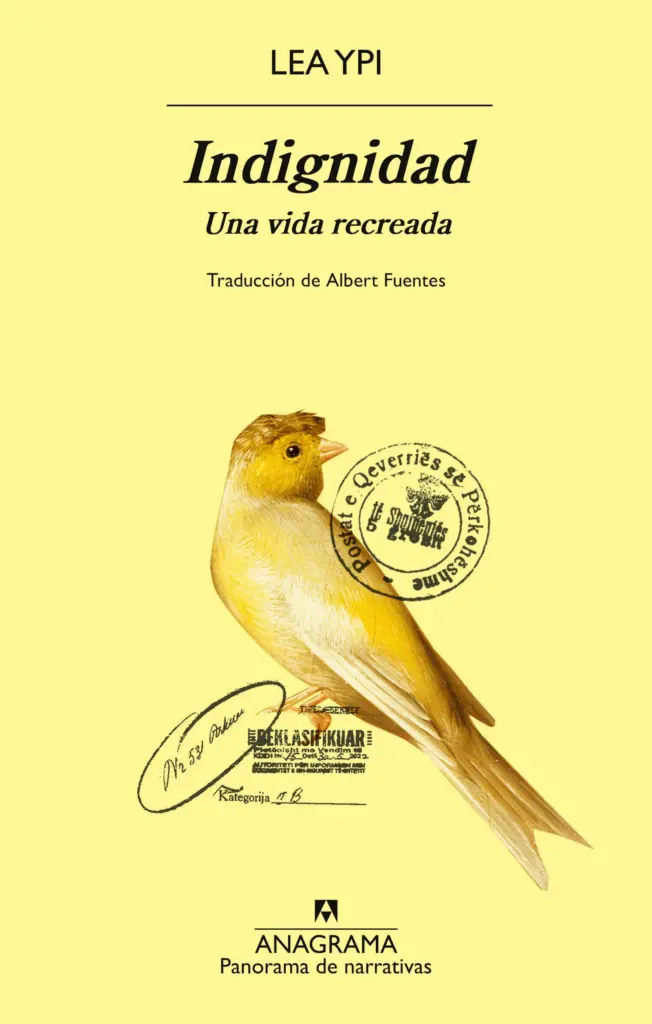
28. Indignity
Lea Ypi
Translation by Albert Fuentes. Anagrama, 2026. 392 pages. 21.90 euros
Where is the photo taken in Cortina D’Ampezzo in 1941 of that glamorous couple who were her grandparents, later repressed by the Albanian dictator Enver Hoxha? Marxist Theory professor at the London School of Economics Lea Ypi does not shy away from contradictions and dives into archives to try to answer. She thus writes a brave and personal book mixing essay, research, and novel, because family stories always have some fiction. She recreates the brilliant Thessaloniki where her grandmother grew up in the early 20th century, and the turbulences that shook Albania in the 1930s, to talk and ask if irreducible dignity is the most potent weapon of the human being. By Andrea Aguilar.
> Review by Máriam Martínez-Bascuñán
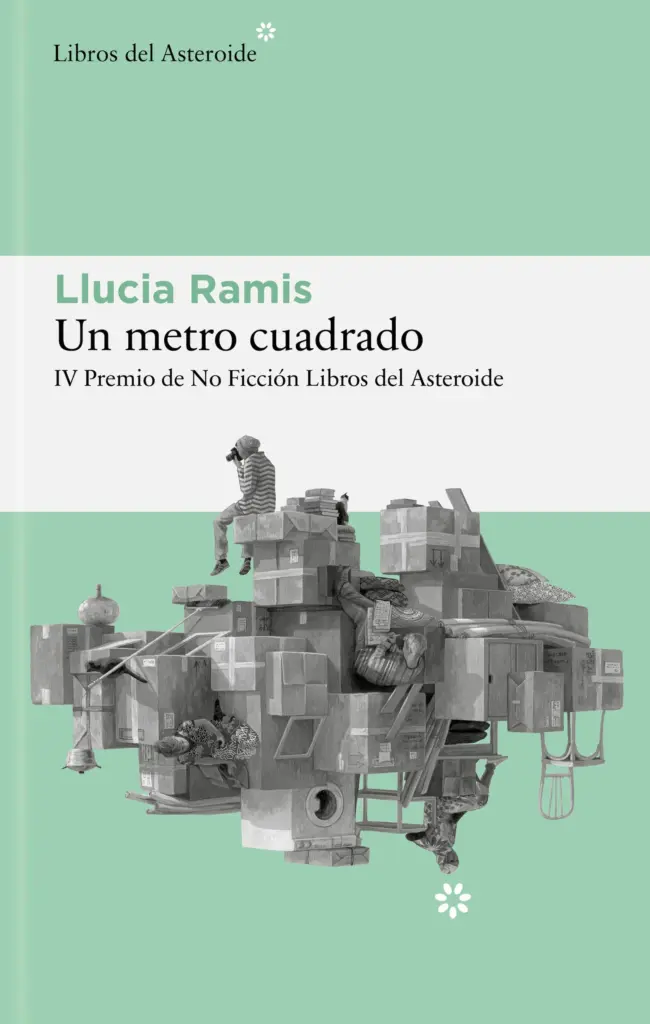
29. One square meter
Llucia Ramis
Libros del Asteroide, 2026. 248 pages. 19.95 euros
Testimony of the last decades in Barcelona, Mallorcan writer Llucia Ramis narrates in this work, winner of the IV Non-Fiction Prize of Libros del Asteroide, the housing crisis in her 10 moves since she arrived in the Catalan capital to study in 1995. With a narrative peppered with descriptions of the apartments or neighborhoods where she has lived, contextualized with data or journalistic and academic research, and explaining why she jumps from one apartment to another, the pages shift from the joy of the university student to the anguish of the freelance journalist as working conditions become precarious and housing becomes an investment good. By Clara Blanchar.
> Interview with Llucia Ramis. By Clara Blanchar
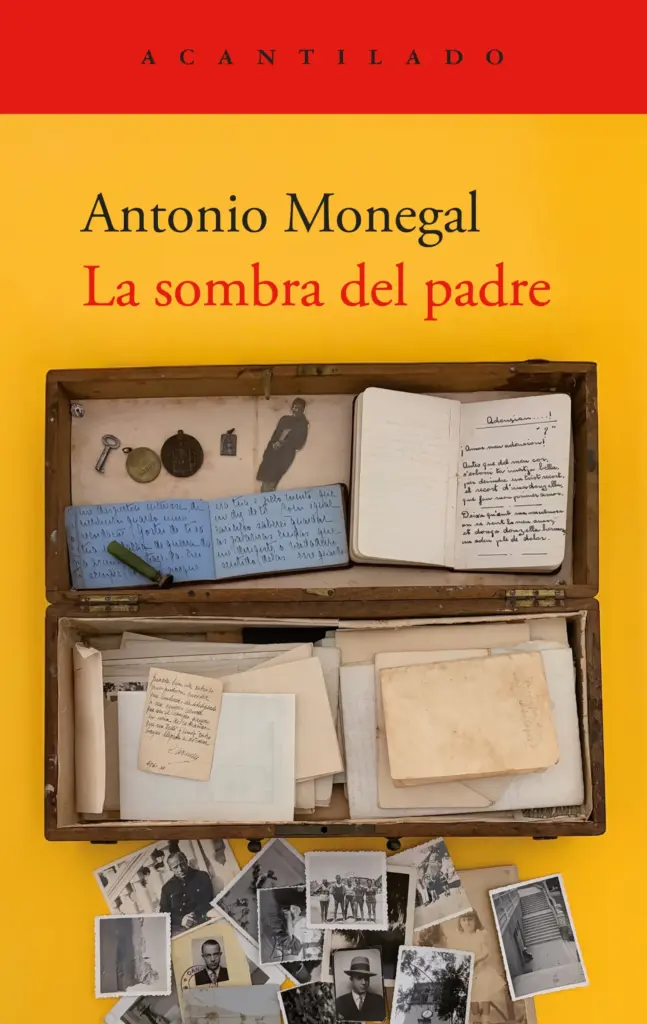
30. The shadow of the father
Antonio Monegal
Acantilado, 2026. 272 pages. 22 euros
Searching for the father seems a common hobby among adults, especially when they have children, but it is not so common to create such an original, persuasive, subtle, and at the same time intriguing device as Monegal has invented while writing. Of course, it is an investigation, with the particularity of resurrecting a dead father when the son was eight years old: nothing is as it seemed, or as the memory fossilized, and that unusual adventurer through Africa and Portugal, and swimming expert, has little to do with the formal family father, tocat i posat, who left at 55. Detective-like, meditative, modest (he does not cite his pornographic verses!) and emotional. By Jordi Gracia.
> Review by Jordi Amat
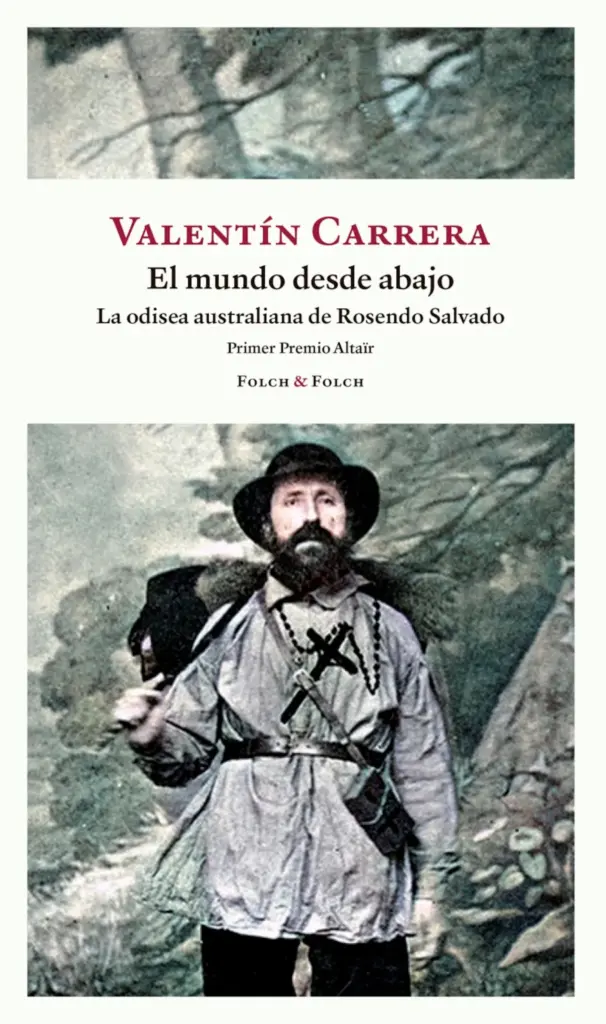
31. The world from below
Valentín Carrera
Folch & Folch, 2026. 304 pages. 24 euros
The contagious freshness with which this essayist and traveler tells the unheard-of adventure of two close seminary friends is disarming: the protagonist, Rosendo Salvado, and José Serra, also Benedictine. Their life’s goal was to create a mission in Australia, and they succeeded: there remains, in New Norcia, on Australia’s west coast, the monastery they founded in 1846 after an adventure simply amazing and wonderfully told by Valentín Carrera, with humor, religious disbelief, and human admiration for the many skills that adorned this musician, organist, bricklayer, missionary, botanist, doctor, and almost lost and found entrepreneur in the Australian desert. By Jordi Gracia.
TURMOIL WORLD
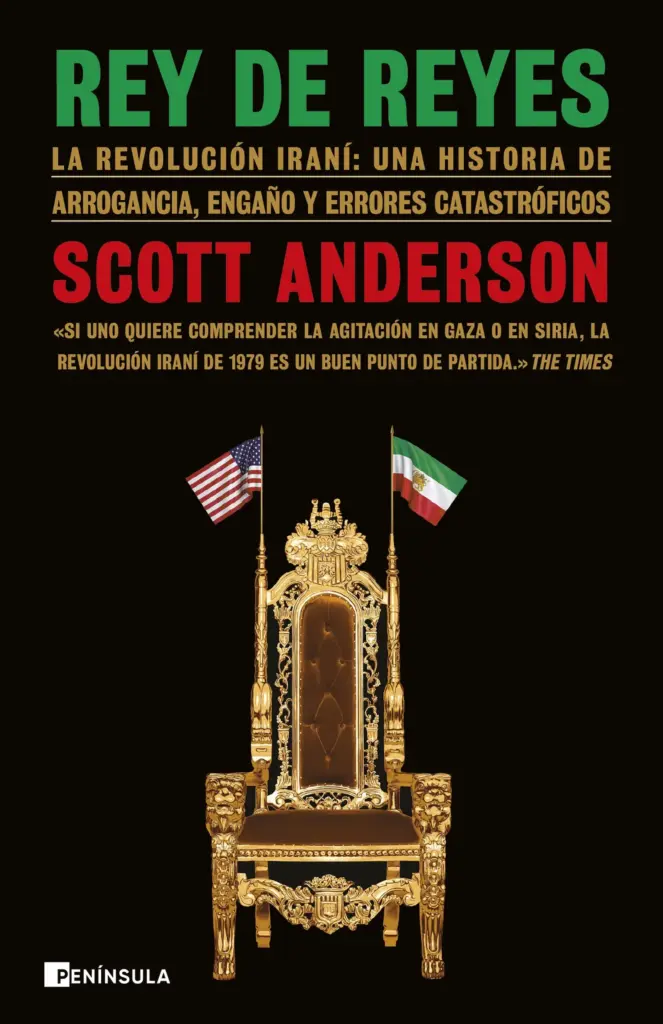
32. King of kings
Scott Anderson
Translation by Àlex Guàrdia Berdiell and Carmen Balagueró Aguilà. Península, 2026. 720 pages. 23.90 euros
This is an exemplary story. An all-powerful yet insecure and self-conscious monarch, Reza Pahlavi. A superpower, the United States, ignoring the signs of the coming revolution and chaining blunders. A lonely diplomat, Michael Metrinko, who knew Iran like few and warned his bosses about what was wrong in imperial Iran and what was coming. Journalist Scott Anderson delivers a rigorous and thrilling chronicle of the Shah’s fall and the Iranian revolution, perhaps the greatest US diplomatic setback in the Cold War, and illuminates the background of the current war. This is a story that is not over yet. By Marc Bassets.
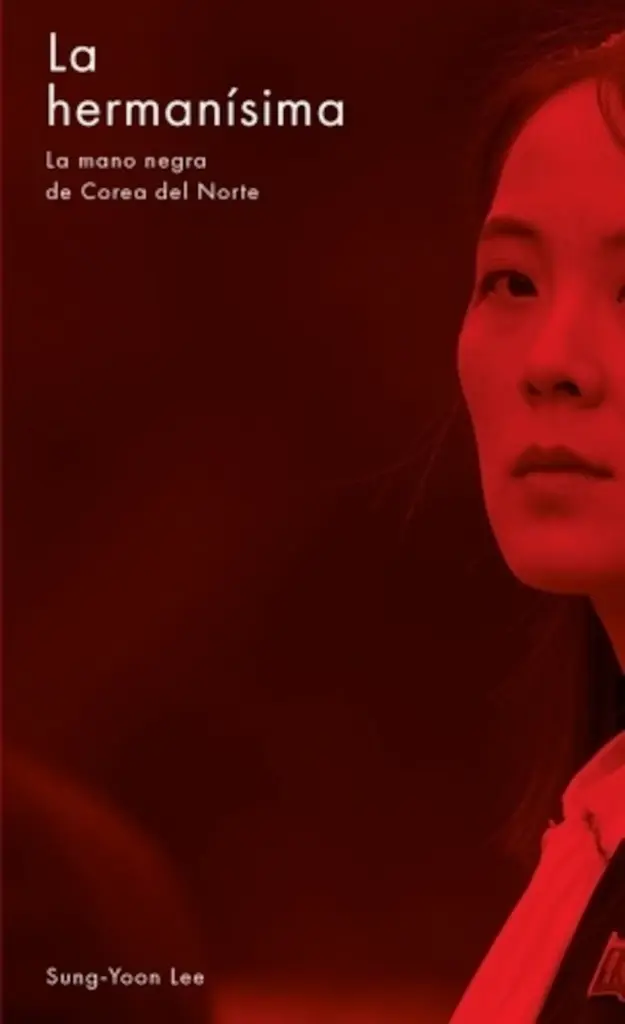
33. The big sister
Sung-Yoon Lee
Translation by Manuel Manzano. Malpaso, 2026. 272 pages. 21 euros
The bad thing about this book is that what it tells is true: The big sister is a careful biography of Kim Yo-jong, sister of North Korea’s supreme leader Kim Jong-un, and one of the most sinister members of the hereditary dynasty ruling North Korea with an iron fist. The author, South Korean researcher Sung-Yoon Lee, places her as the second most powerful person in the hermetic country in an essay written with academic precision and the pulse of a spy novel. Known as “the devil woman,” the big sister’s figure serves as an excuse to dissect the Kim lineage, from grandfather Kim Il-sung, founder of North Korea, to the present. By Guillermo Abril.
> Review by Guillermo Abril
34. The empire of AI
Karen Hao
Translation by Jorge Paredes. Península, 2025. 688 pages. 23.90 euros
There are very brave people, and this woman is one when handling privileged and reserved information — from Elon Musk’s emails with Sam Altman to secret OpenAI reports, the creator of ChatGPT — to reveal the gigantic lie that underpins on a vague idea of progress the incalculable prosperity of a company that does not quite know what it has unleashed wildly on the market. It’s not that they don’t know what they do; they just don’t care at all about the effects of what they do while fulfilling messianic dreams and accumulating the incalculable economic fortune that makes them the owners of the world. The book tells only that. By Jordi Gracia.
> Review by Jordi Gracia
35. Apocalypse and democracy
Jordi Ibáñez Fanés
Tusquets, 2026. 272 pages. 21.90 euros
The siege on democracy by Donald Trump’s technooligarchs is one of the issues of our time. This essay by a lucid observer, written during Trump’s first terms and devastated by the genocide in Gaza, delves with style and knowledge into the theological bases of one of the most disturbing minds of that catastrophic elite: Peter Thiel. Convinced that freedom is incompatible with democracy, Thiel would be willing to accelerate the current chaos to provoke an apocalyptic situation that ends the liberal era. It’s scary, but in his book Ibáñez also seeks a form of hope. By Jordi Amat.
36. Children of optimism
María Álvarez
Debate, 2026. 272 pages. 19.90 euros
There was a time when it made sense to ask children what they wanted to be when they grew up because there was some possibility of choice. And almost all chose professions related to knowledge. Now the future seems canceled, and María Álvarez, entrepreneur and essayist, listens to that generation that, after growing up in a world of growth and well-being, faces a blurry future. A hot topic is explored here: whether the knowledge society can continue generating progress for the human species or if those glorious decades of economic and social prosperity were just a strange parenthesis in human history. By Sergio C. Fanjul.
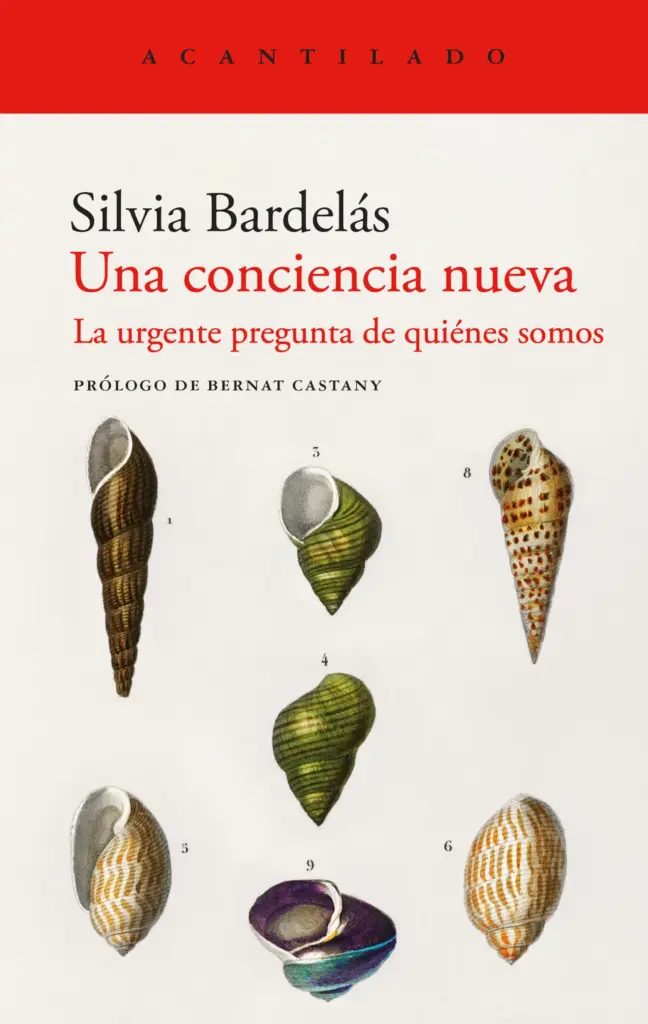
37. A new consciousness
Silvia Bardelás
Acantilado, 2026. 256 pages. 18 euros
“Why is depression the disease of our time?” Silvia Bardelás asks. Surely, she answers, it has to do with the isolation inherent to late capitalist society, for which she offers a way out: to form a new consciousness that breaks the dichotomy between individual and society. Based on the conviction that not everything is written, that there will always be discoveries to make, the author gives a personal overview of the multiplied crises ravaging this 21st century, while relying on references from literature, art, and philosophy to show how we represent our experiences and imagine an “aesthetic intelligence” capable of redirecting them. By Silvia Hernando.
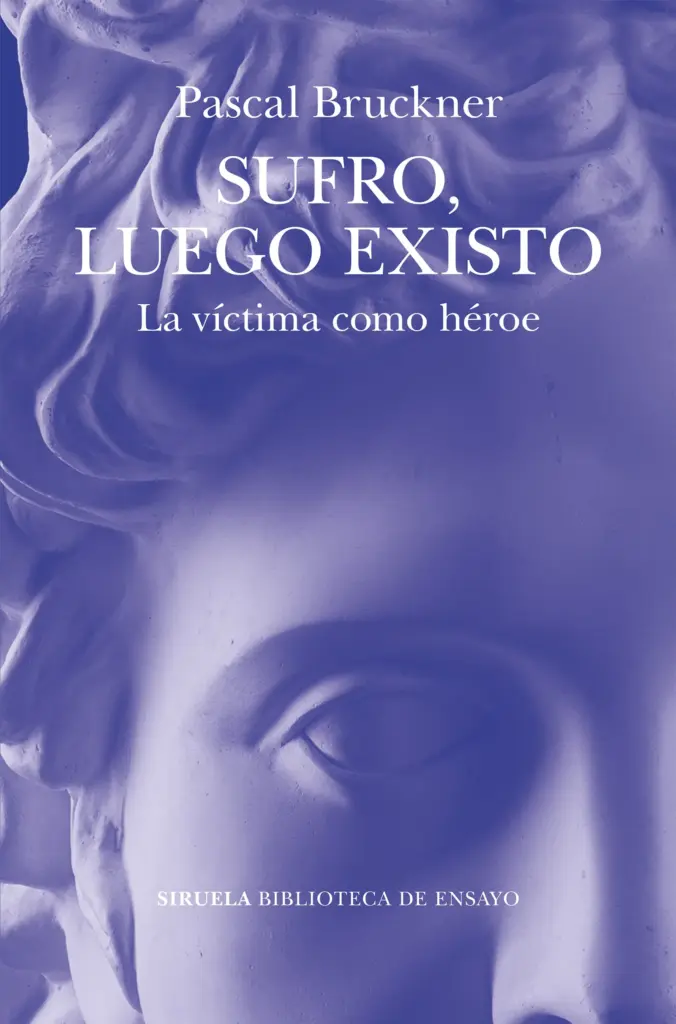
38. I suffer, therefore I exist
Pascal Bruckner
Translation by María Belmonte Barrenechea. Siruela, 2026. 272 pages. 21.95 euros
Pascal Bruckner’s essay establishes the figure of the victim from all possible angles: from those easy to agree with to those that reveal ideas that make one get up from the couch. There, in its controversy, lies its relevance. His critical vision covers what he considers the “excesses” of the woke ideology to “capitalist fanaticism.” He addresses topics from Israel and genocide to Western fear of death, and delves into the forks in the road, such as the drift to victimhood and what he calls “the business of self-pity,” materialized, in his view, in the literary explosion of autofiction. By Juan Carlos Galindo.
> Interview with Pascal Bruckner. By Daniel Verdú
ESSAY / HISTORY
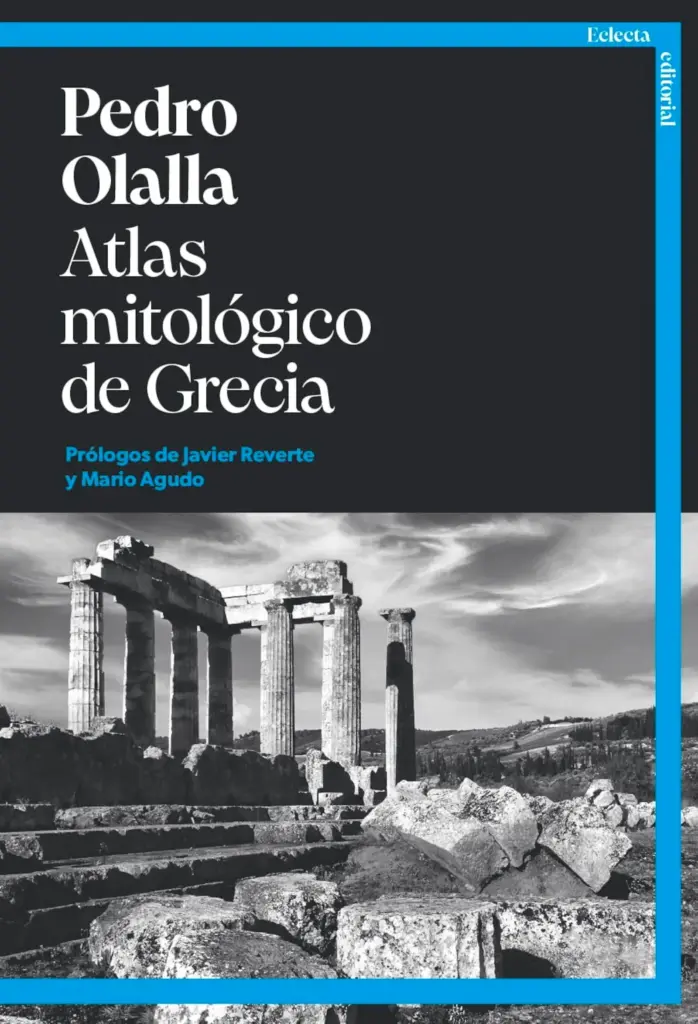
39. Mythological atlas of Greece
Pedro Olalla
Forewords by Javier Reverte and Mario Agudo. Eclecta, 2026. 670 pages. 49 euros
In the age of Google Maps, mapping Greek mythology requires an experienced traveler who has felt the waters of the Aegean Sea as his own. Olalla meets that requirement because he has lived around the Mediterranean pond, between East and West. This mythological atlas, awarded by the Academy of Athens, invites us like Ulysses to a journey of eternal returns through the real and imaginary territories of myth. As a travel handbook, it satisfies the curiosity of our traveler souls, with navigation notes through the sea of Greek wisdom, and teaches that to survive our turbulent present, it is always necessary to sail again through classical tradition. By Manel García.
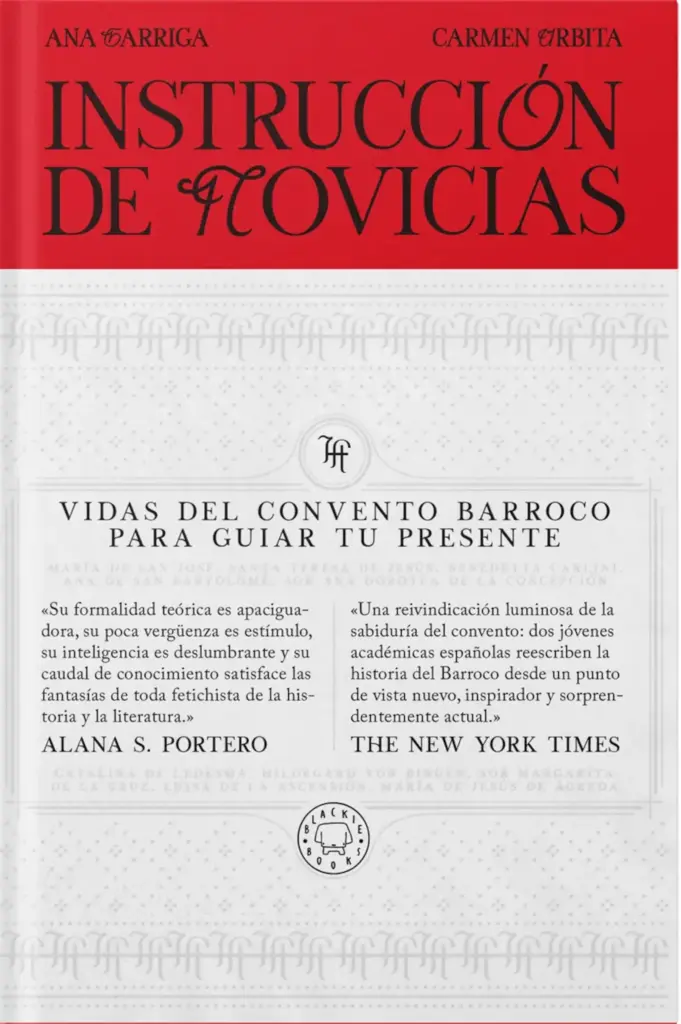
40. Novices’ instruction
Ana Garriga and Carmen Urbita
Blackie Books, 2026. 288 pages. 22 euros
Who is there who does not think himself special, unrepeatable, despite there always being a mirror to look into? The daughters of Felipe, the nickname adopted by Carmen Urbita and Ana Garriga for their popular podcast, were the first to notice the example projected by the nuns of the 16th and 17th centuries, influencers before the term, who, like everyone else, had to deal with their love, economic dilemmas, and even those brought by fame. In their awaited essay Novices’ instruction, the academics expand the field of their broadcast research around those learned women who lived lives against the current and left in their writings an unexpected survival manual to navigate the present with the beacon of Baroque convent wisdom. By Silvia Hernando.
> Article by Silvia Hernando
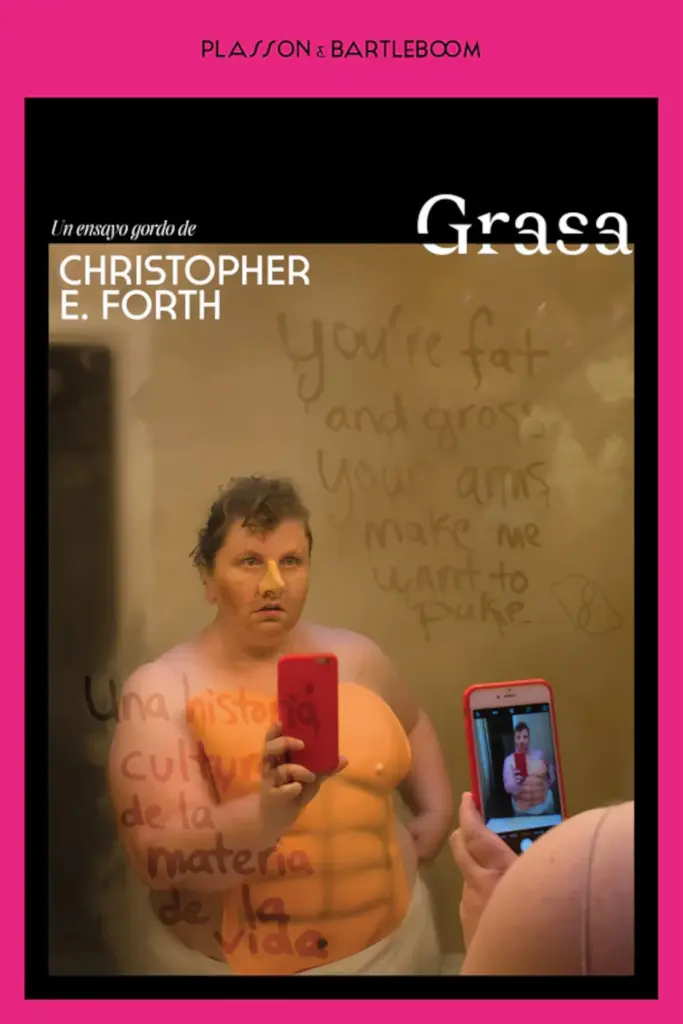
41. Fat. A cultural history of the matter of life
Christopher E. Forth
Translation by Ana Useros. Plasson e Bartleboom, 2025. 464 pages. 24.90 euros
This scholarly and accessible essay traces a cultural history of Western rejection of fatness and dismantles the idea that corpulence was, until modernity, a socially accepted attribute. From Aristotle to the French Revolution, from early Christians to 19th-century hygienism, Forth shows how fat has been associated for centuries with excess, impurity, laziness, or animality. The book gains particular resonance in the times of Ozempic, revealing to what extent the present prolongs that crusade against a matter that, as the book’s subtitle reminds us, is above all a source of life. By Álex Vicente.
> Review by Álex Vicente
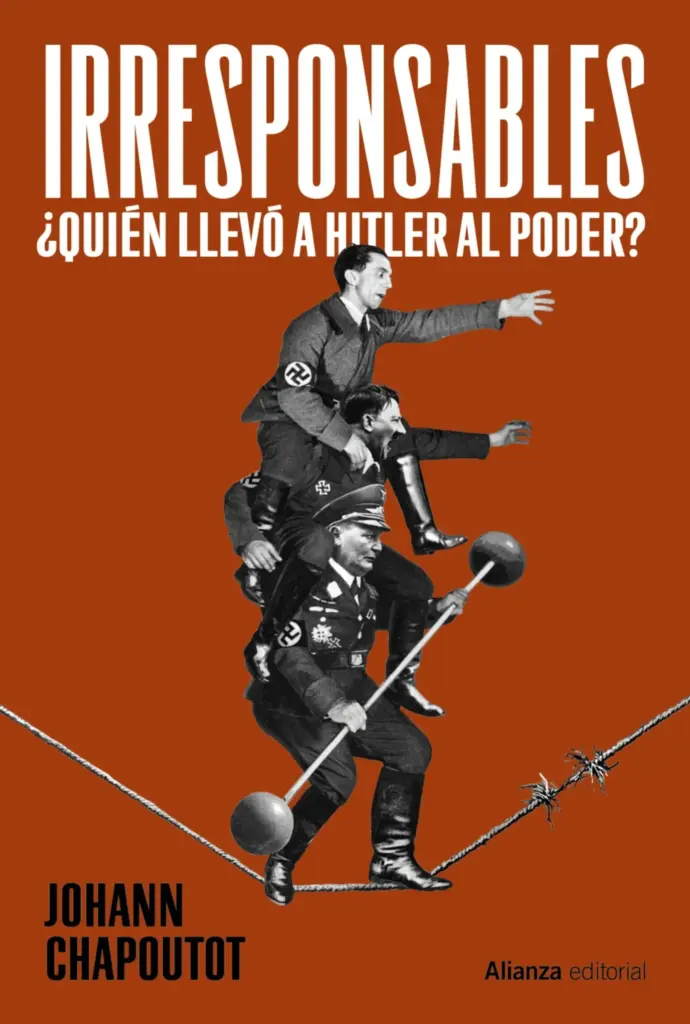
42. Irresponsible. Who brought Hitler to power?
Johann Chapoutot
Translation by Elena M. Cano and Íñigo Sánchez-Paños. Alianza Editorial, 2026. 352 pages. 21.95 euros
Historians have spent almost a century trying to unravel why a beer-hall charlatan and antisemitic fanatic came to power in Germany and ended up unleashing the greatest catastrophe humanity has known. French researcher Johann Chapoutot returns to this topic, more relevant than ever in these moments of totalitarian rise, with research offering new data and emphasizing a very relevant fact: Germans did not choose Hitler by universal suffrage; it was members of an irresponsible elite who brought him to the Chancellery. It was a conscious decision by people with enormous power who believed they could control him and were wrong. By Guillermo Altares.
> Review by Guillermo Altares
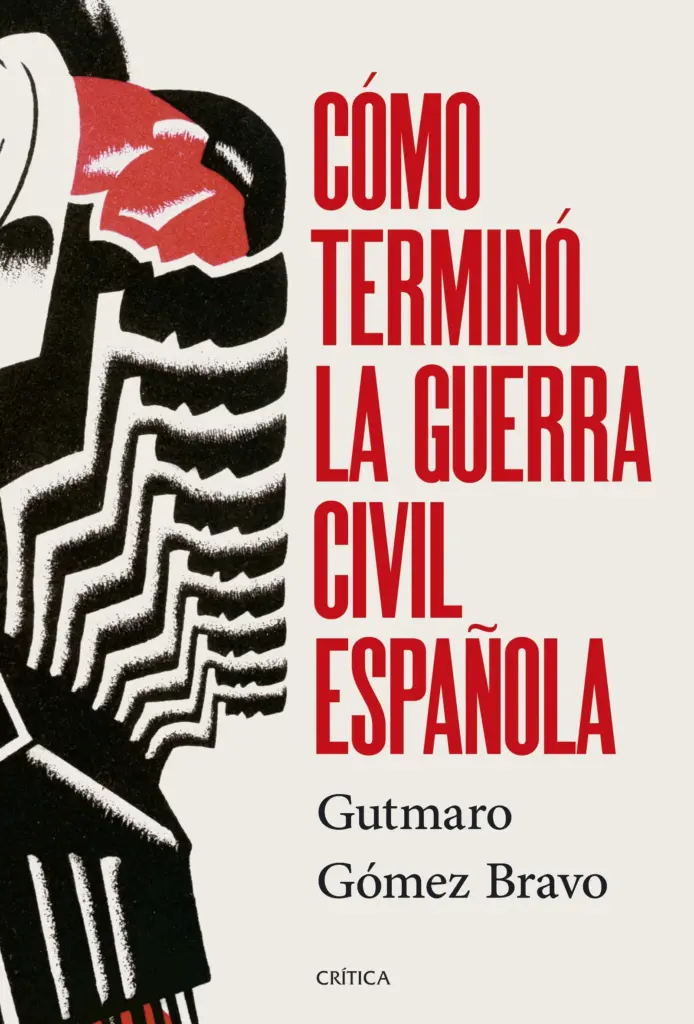
43. How the Spanish Civil War ended
Gutmaro Gómez Bravo
Crítica, 2026. 378 pages. 21.90 euros
Although it might be thought that everything is already known about the Civil War, this book shows that there are still mines of papers to explore. Gutmaro Gómez Bravo has found gold. His study proposes an alternative explanation about the end of the conflict based on documentation proving the efficiency of Francoist espionage during the final stretch of the conflict. There was no enemy communication they did not intercept; the fifth column in Madrid planned strategies to demoralize the population while, contacted with Burgos intelligence formed with the Nazis, studied mechanisms to divide the Republican army. By Jordi Amat.
> Review by Jordi Amat
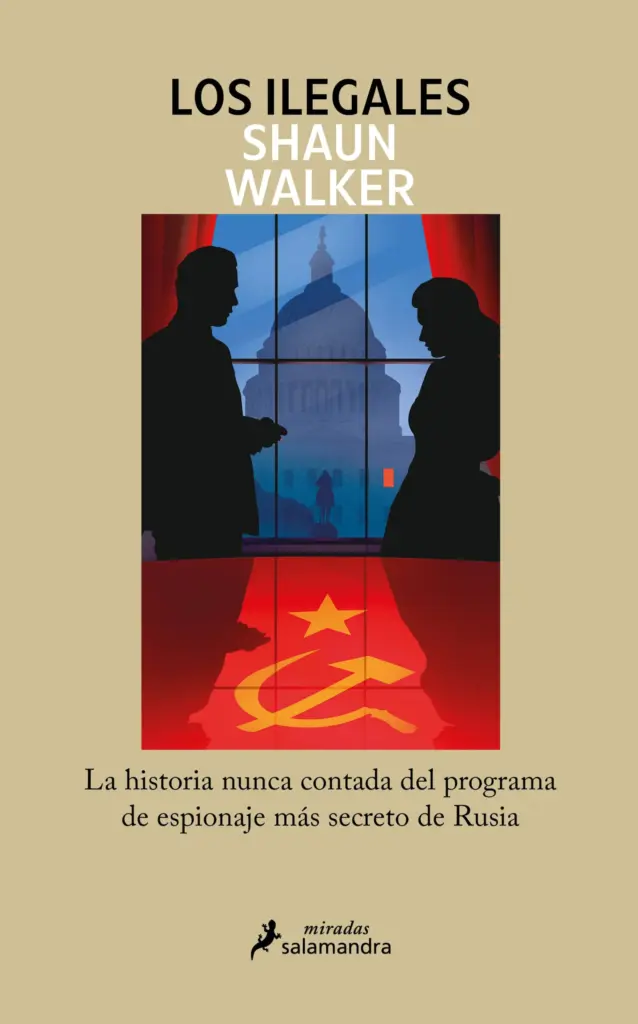
44. The illegals
Shaun Walker
Translation by Eduardo Adrián Hojman Altieri. Salamandra, 2026. 464 pages. 24 euros
In The illegals, Shaun Walker exposes the most secret program of Russian intelligence services. Exquisitely documented since the Soviet revolution, the book sketches characters that seem from a novel and have become pop icons in their country. Spies with fascinating lives capable of infiltrating another country under false identities, built in detail. Trained to erase all traces of their origin, including their accent and, if necessary, their family. Love, alcohol, loneliness, and Kremlin paranoia are sometimes more dangerous for these agents than the missions they are assigned. Those who survive return to Moscow as legends. By Gloria Rodríguez-Pina.
> Article by Gloria Rodríguez-Pina
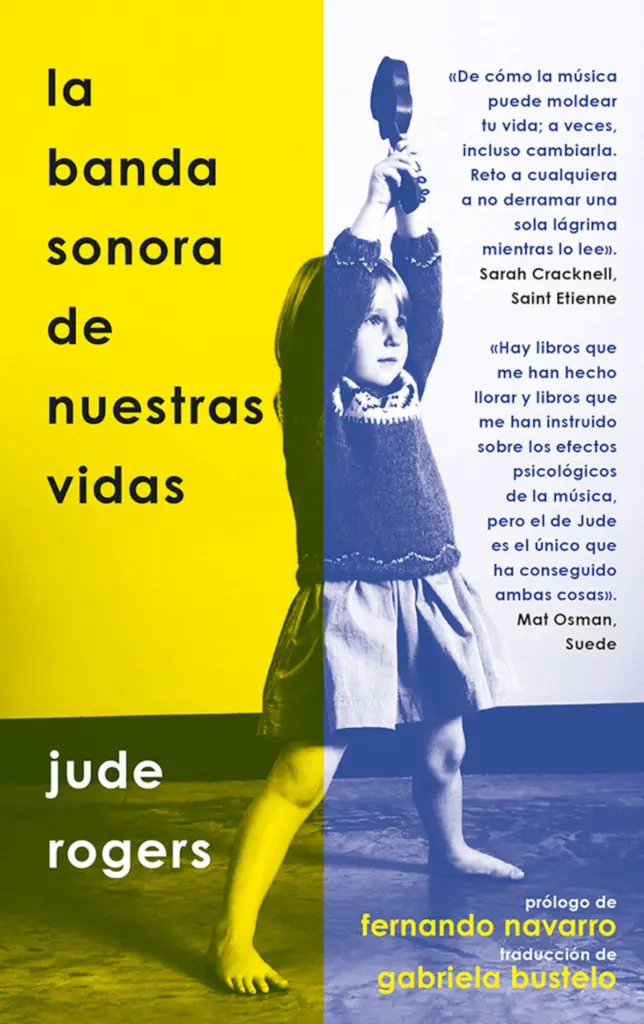
45. The soundtrack of our lives
Jude Rogers
Foreword by Fernando Navarro. Libros del Kultrum, 2026. 288 pages. 22 euros
Structured around the songs that have marked the author’s life, this sensitive and insightful essay channels a simple yet powerful idea: we are, in part, the music we listen to. With an intimate and emotional style, Rogers has crafted a memoir in which it is inevitable to see oneself reflected. From ABBA’s ‘Super Trouper’ to Prefab Sprout’s ‘I Trawl the Megahertz,’ the The Guardian music critic reproduces with sensitivity and knowledge a two-sided vinyl to talk about the evocative power of music and how it has been the best company from childhood to maturity. REM’s ‘Drive,’ The Flying Pickets’ ‘Only You’… Songs that shaped eras and decisive moments, some festive, others painful, births, farewells, like life itself. By Use Lahoz.
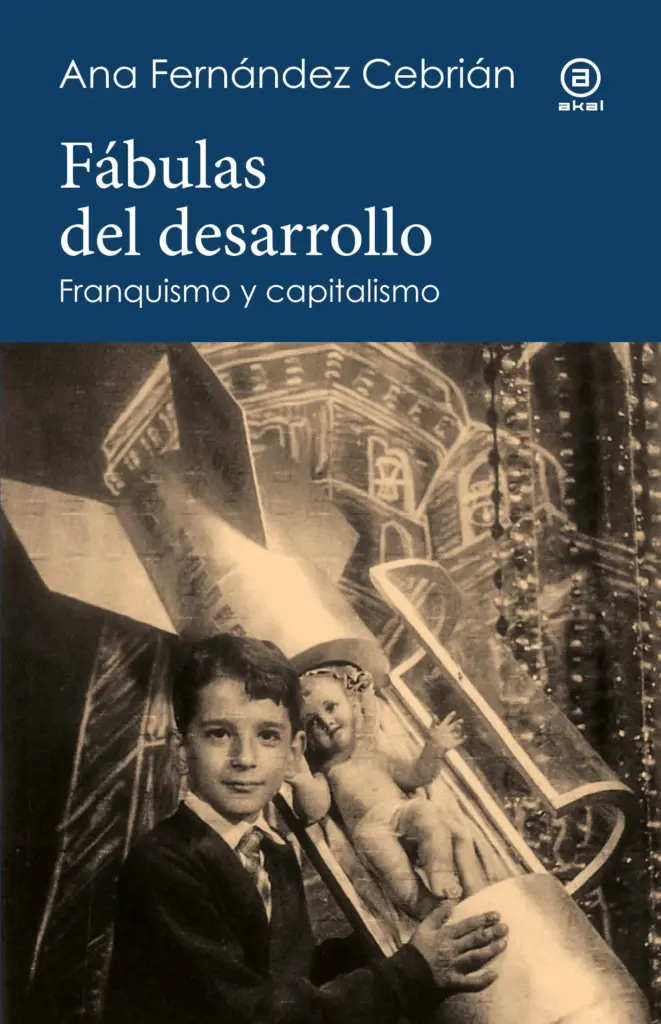
46. Fables of development
Ana Fernández-Cebrián
Akal, 2026. 248 pages. 22 euros
Ana Fernández-Cebrián signs one of the most influential studies of the year. Fables of development. Francoism and capitalism is an amazing, precise, and didactic text about a delusion: “The creation,” in the author’s words, “of a Hispanic Catholic capitalism supported by admiration for the United States.” Under that evanescence, an economic rescue barely perceptible for a Spain that, after the Civil War, was an underdeveloped country. An already essential title about the fictions — UFOs, God addressing the citizenry, lottery — that diverted the people’s attention from the authenticity of Franco’s economic miracle. By Andrea Toribio.
THEATER
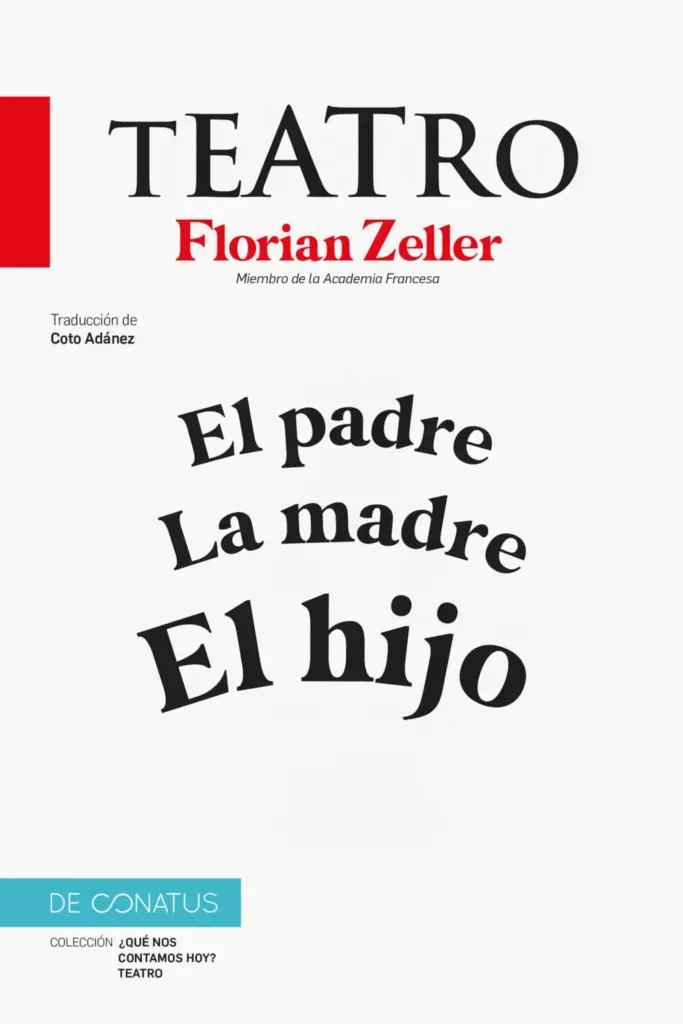
47. The father / The mother / The son
Florian Zeller
Translation by Coto Adánez. De Conatus, 2026. 240 pages. 24.90 euros
Among Anthony Hopkins’s many memorable performances is that of The Father, where the British actor composes a devastating portrait of a man with Alzheimer’s. The film is an adaptation of the French Florian Zeller’s play of the same name, directed by the author himself. De Conatus publishing house has just published the text in Spanish in a volume that also includes The Mother and The Son, forming one of the most performed trilogies in contemporary theater. Although their titles might suggest pieces centered on family ties, what Zeller actually does is deconstruct the minds of his protagonists, framed in the domestic sphere. By Raquel Vidales.
POETRY
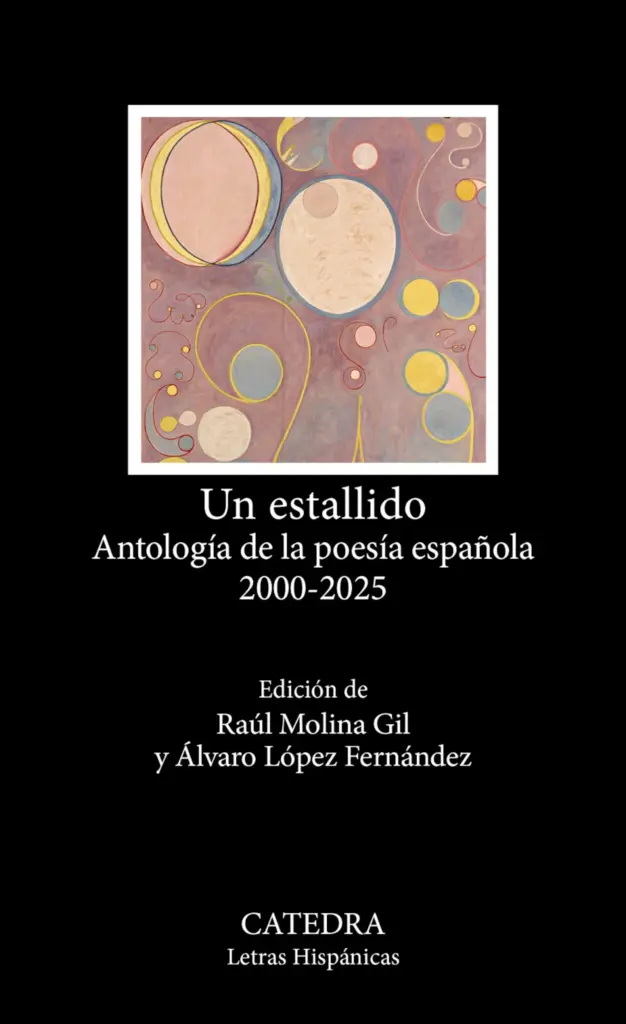
48. An outburst. Anthology of Spanish poetry 2000-2025
Various Authors
Edited by Raúl Molina Gil and Álvaro López Fernández. Cátedra, 2026. 472 pages. 19.95 euros
The sport of anthologies is always challenging, but screening young poets — under 35 — who have begun to emerge in the first quarter of the 21st century requires Prussian army discipline. That is what the two editors apply to make us understand the aesthetic species used by a good handful of poets — many of them women — studied together first and then presented individually. Five of them (mostly women) also appear in another anthology by Juan Marqués, Time is changing, more aimed at bookstore readers and less biased by academic analytical conventions: Luna Miguel, Rosa Berbel, Juan Gallego Benot, Laura Rodríguez Díaz, and María de la Cruz. Intimate gloom and ideological rages are distilled today with a different rhythm, without the prurience of inaccessibility having disappeared. By Jordi Gracia.
> Review by Jordi Gracia
COMIC
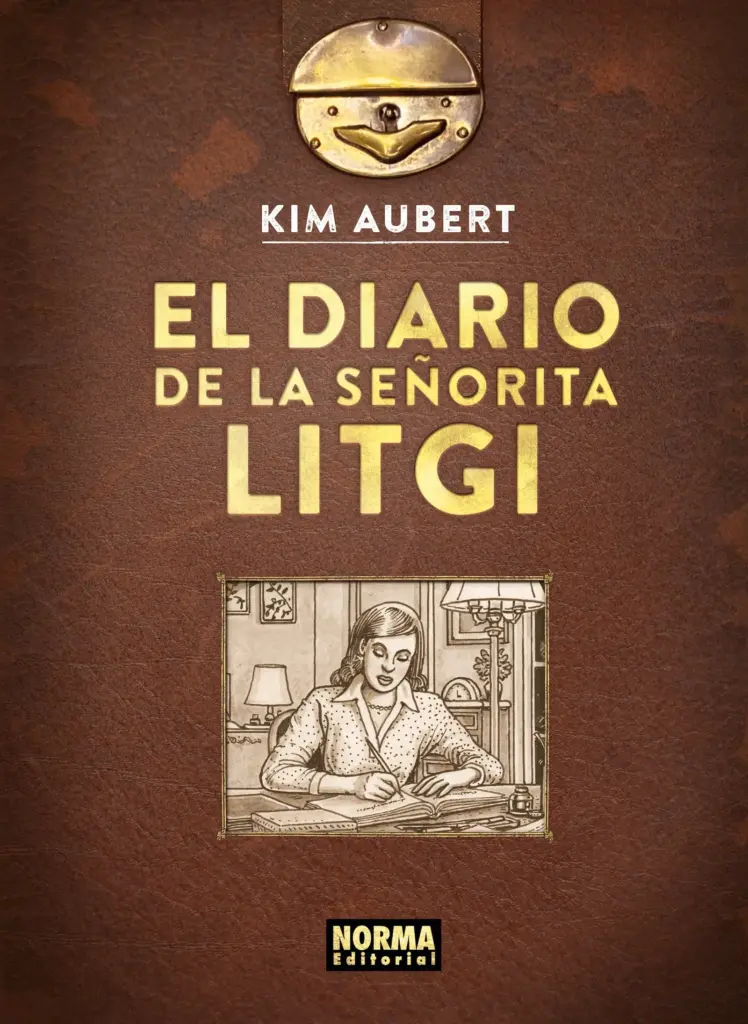
49. Miss Litgi’s diary
Kim Aubert
Norma Editorial, 2025. 128 pages. 24.95 euros
She, 19 years old, single, beautiful and intelligent. He, in his thirties, married, handsome, and with children. Two decades of an unequal and forbidden love hidden in the diary Mercè Litgi began writing in Barcelona at the end of the Civil War and that Kim Aubert found at a flea market and turned into a book. A story told in her words transcribed on one page and on the next, Kim’s vignettes. Reality and fiction intertwine until a magical ending where the author coincides with several people who knew the real Miss Litgi. Memory and present united by life’s whims. Pure serendipity. By Carmen Guri.
> Review by Álvaro Pons and Noelia Ibarra
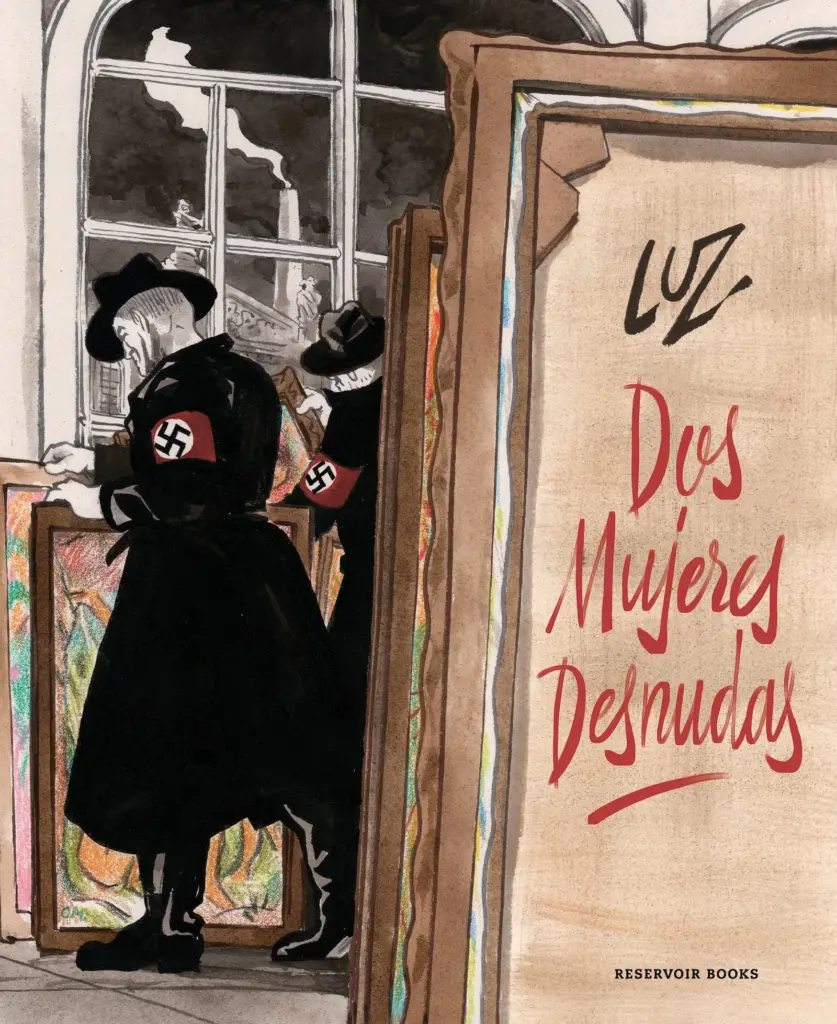
50. Two naked women
Luz
Translation by Carlos Mayor Ortega. Reservoir Gráfica, 2026. 200 pages. 23.65 euros
Survivor of the attack on Charlie Hebdo, Luz (pseudonym of Rénald Luzier) was the author of the historic magazine cover showing Muhammad in the January 14, 2015 issue. Iconoclastic, brave, original, extraordinary cartoonist, his comic Two naked women narrates the rise of Nazism through one of Otto Mueller’s most famous paintings (1874-1930), which gives the comic its title (a version of the same work can be seen at the Thyssen-Bornemisza Museum in Madrid). Luz rightly received the most important awards given in France to a graphic novel for this book, which leads us to reflect on how totalitarianisms destroy everything in their path, while we watch an exciting story. By Guillermo Altares.