









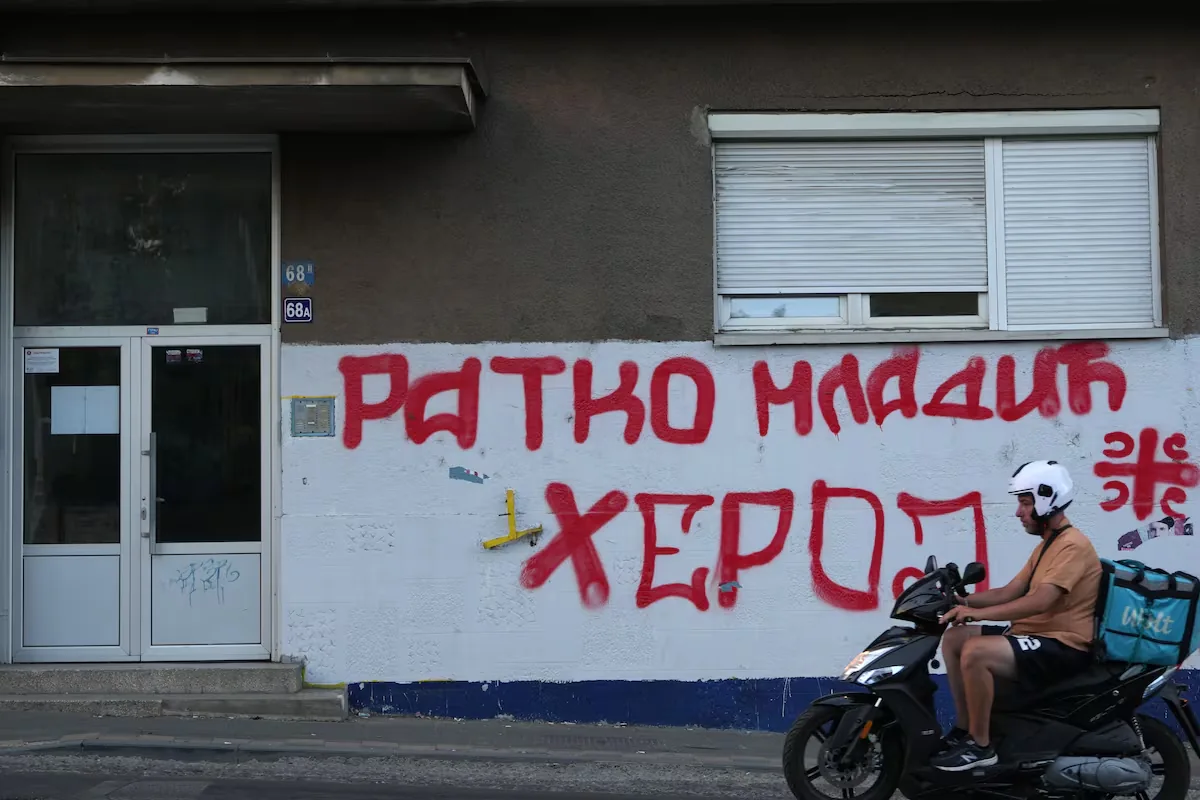
The death of the Bosnian Serb war criminal Ratko Mladic has been received in the Balkans with divided opinions, mostly opposing. From the Bosniak side in particular, with partial satisfaction at having seen the former commander-in-chief of the Army of the Republika Srpska live his last moments in prison and with the memory of the victims very present. The director of the Srebrenica Memorial Center, Emil Suljagic, a survivor of the Srebrenica genocide, stated shortly after the news became known: “He is dead and there is not much to say about it […] He does not bring back the dead. He does not erase the mass graves. He does not change the sentences. He does not turn a criminal into a historical figure.”
From the Serbian side, the statements have been aimed at expressing condolences to the family. The president of the National Assembly of the Republika Srpska (a Bosnian entity with a Serbian majority), Nenad Stevandic, pointed out that Mladic’s death was hastened due to the violation of his right to receive adequate medical treatment.
How Serbian society will digest the death of the military leader is a question with significant political impact at the regional level. From the end of the war in Bosnia and Herzegovina in 1996 until 2003, Mladic was protected by Serbian military authorities. In April 2002, Serbia approved a law of cooperation with the International Criminal Tribunal for the former Yugoslavia in The Hague. Accused of crimes against humanity and genocide, Mladic was forced to live in hiding.
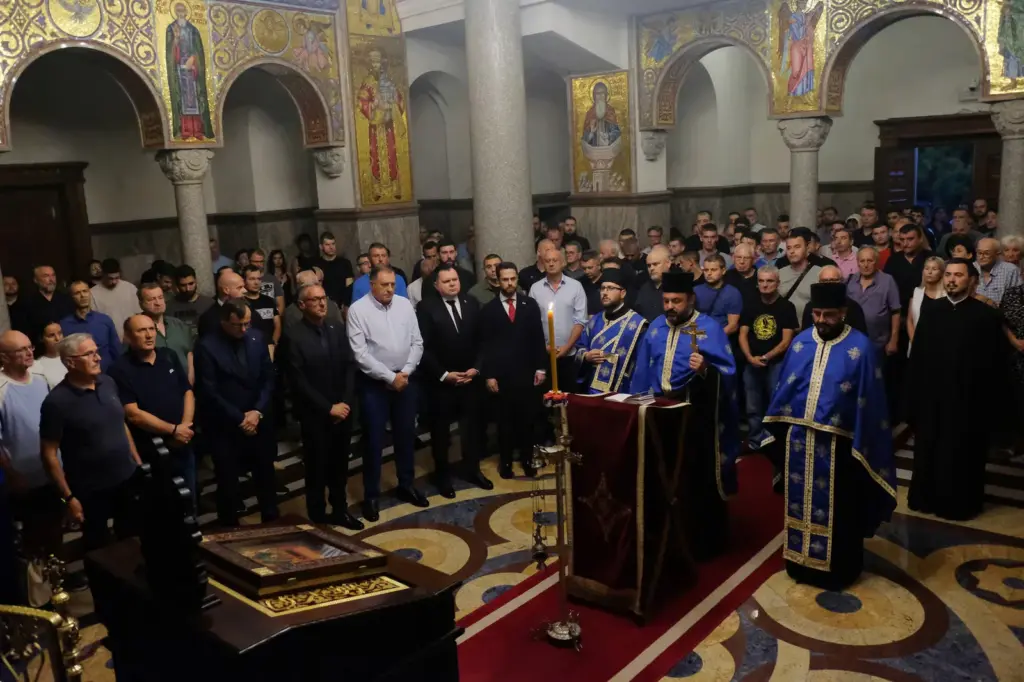
One of the most commented statistics until his arrest in 2011 was that around two-thirds of Serbs would not hand him over to justice. In a survey conducted by the National Council for Cooperation with the Hague Tribunal that year, it was established that around 40% of the local population considered him a hero.
The majority local opinion about the Hague Tribunal, located in a foreign country, is negative and, probably, this is the institution’s main failure after the convictions against Mladic and other Serbian defendants: the difficulties the tribunal has had in changing society’s opinion. As academic Marko Milanovic stated in a 2016 paper: “The tribunal failed to convince the target populations of its conclusions.”
The perception of Mladic has not changed and has even grown. The research agency House of Win conducted a survey among Serbs in 2022 where they were asked to choose whether Ratko Mladic was a hero or not. The result was clear: 76% chose the first option. Not surprisingly, in a 2023 study conducted by the NGO Inicijativa mladih za ljudska prava among Serbian citizens aged between 18 and 30, who had not lived through the war, one third asserted that Mladic was not responsible for the crimes for which he had been tried.
Read more Unemployment in Chile rises to 9.5%, its highest figure in five years
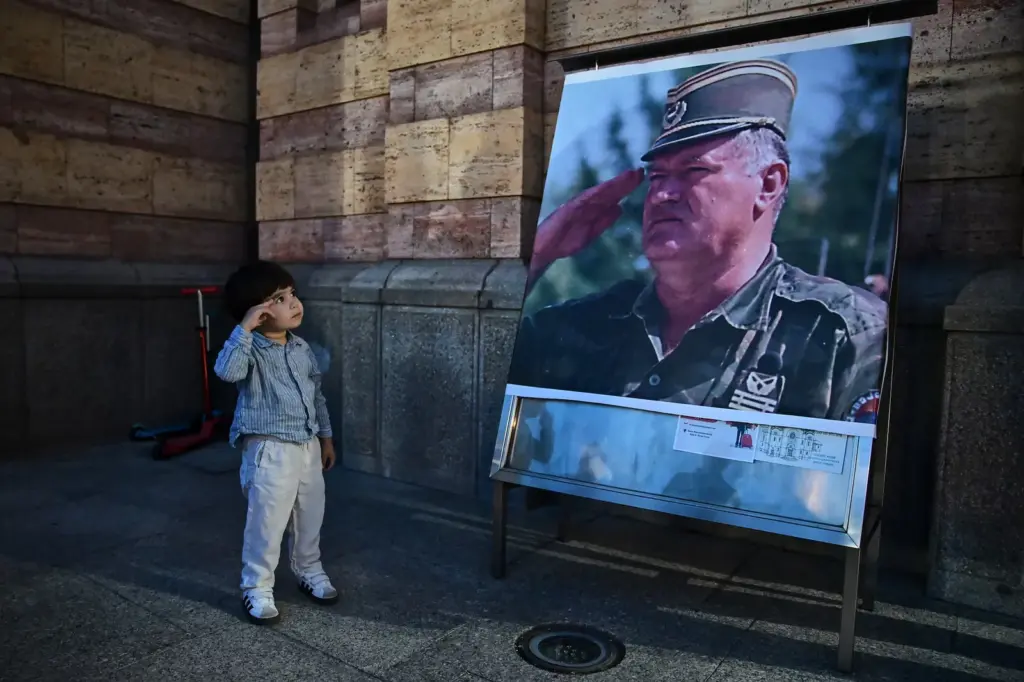
The fact that three decades after the siege of Sarajevo or the Srebrenica genocide the figure of the war criminal has been elevated among Serbian society is not only a transgenerational phenomenon but also structural. In 2011, Serbia’s Minister of Public Policy, Rasim Ljajic, implied that it was not personal veneration, but that society projected its social and economic frustrations through the commander, a symbol of antagonism against the biased view and the collectivization of guilt that existed against Serbs in Western media since the Yugoslav secession wars.
The answer is not simple and lies in a combination of elements, some uncomfortable for Serbs from Serbia, Bosnia and Herzegovina, Croatia, Kosovo, or the large diaspora. Recent surveys, especially among the new generation, show that half of the population is unaware of what happened during the Yugoslav fragmentation wars, and a quarter even admits to knowing nothing. It can be concluded that these are perceptions instigated by an atmospheric, institutional, educational, and media cocktail that turns Mladic into an object of political instrumentalization. From the victimhood discourse, with significant resonance among post-Yugoslav societies, to the search for messages of patriotic cohesion aimed at many voters, many of them young, or even to international national-populism. The Red Star football fans were among the first organizations to pay tribute to Mladic after his death.
Historian Dubravka Stojanovic in the essay Prošlost dolazi (The Past Arrives) refers to the concept of “victorious defeat,” under which, even in school textbooks, defeats are reconfigured as victories under the criterion that “not even losing weakens us, they are there only to make us stronger.” This leads to a distortion of reality, a selective interest in exculpatory events, and even blocking any exercise of self-criticism about Mladic’s trajectory, also in strictly military terms. The result legitimizes a resignation that only directs its criticism outward for campaigns that resulted in thousands of deaths and more than 600,000 Serbian refugees.
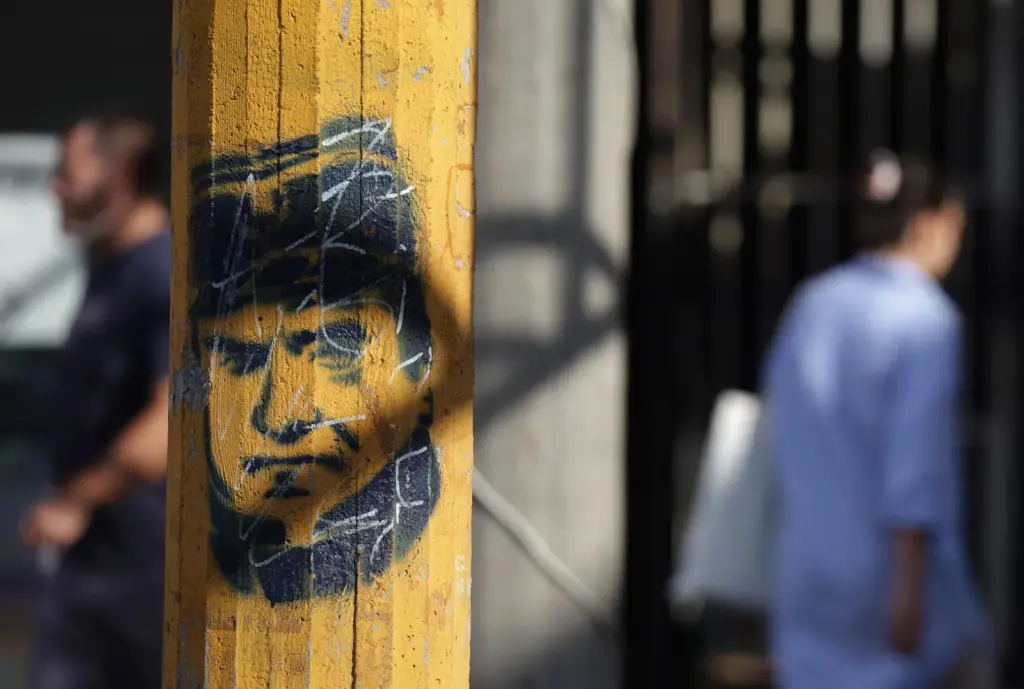
It would be a constructed process, but one that feeds back between society and the political class, especially in Bosnia and Herzegovina, where the war’s development was more severe and where the nationalist echo chamber is more intense. This is seen in the multitude of murals, souvenirs, and symbolism celebrating the commander, which has increased in the Bosnian entity of Republika Srpska in recent decades. The Bosnian Serb leader Milorad Dodik, in March 1996, in an interview with the media Slobodan Bosna, demanded that Mladic surrender to the Hague Tribunal. Thirty years later, after the general’s death became known, he declared: “A man who demonstrated his quality both human and military has died.” The mayor of Banja Luka (capital of the Bosnian Serb entity), Draško Stanivukovic, in opposition, has glorified the war criminal: “People do not forget those who fought for them.”
Within the Serbian political class and activism, there are critical voices about the military’s biography, especially among left-wing and green parties, but they are a minority in an ecosystem that either recognizes him or remains indifferent and silent due to collective reprisals. Serbia, which recognizes the Srebrenica massacre but refuses to officially label it genocide, faces the dilemma of whether to pay state honors to the commander or leave him forgotten in a dark chapter of its history. This dilemma is important regarding its relationship with its neighbors, with the victims, and eventually with EU diplomacy in its immediate future.
Read more Ceuta and the racist consent of the PP