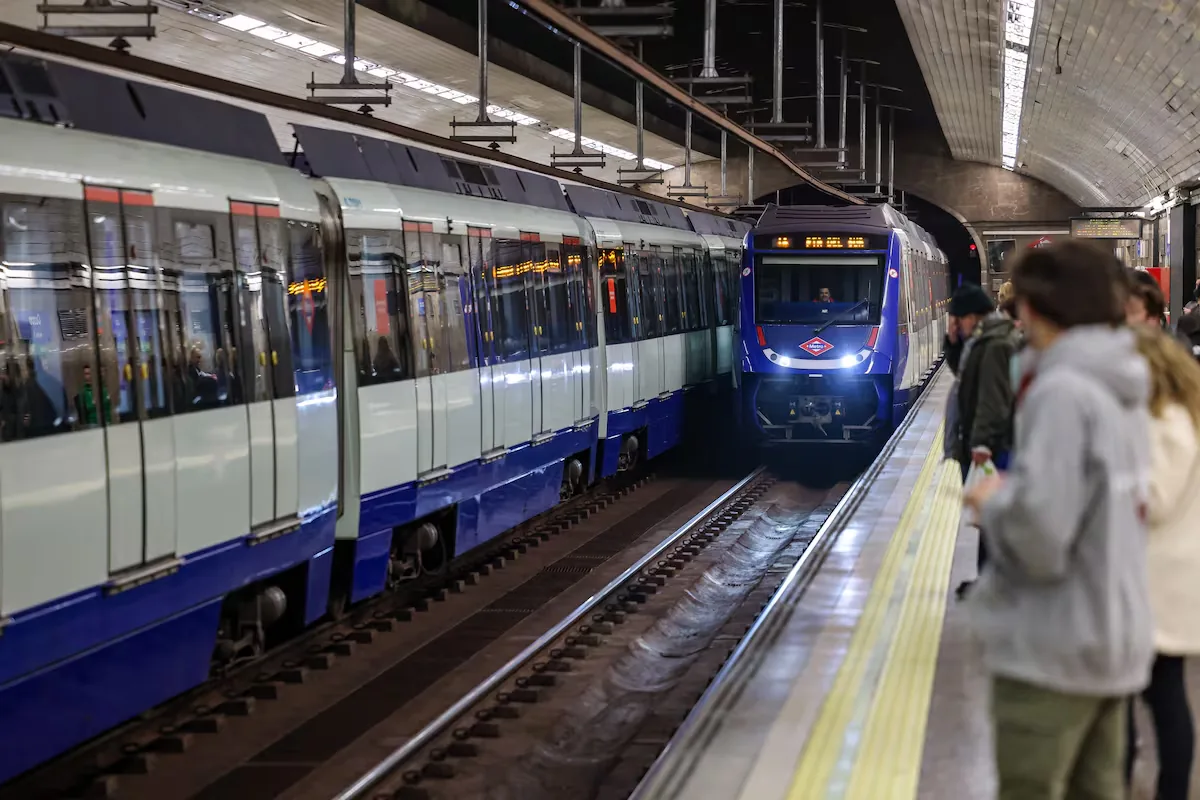









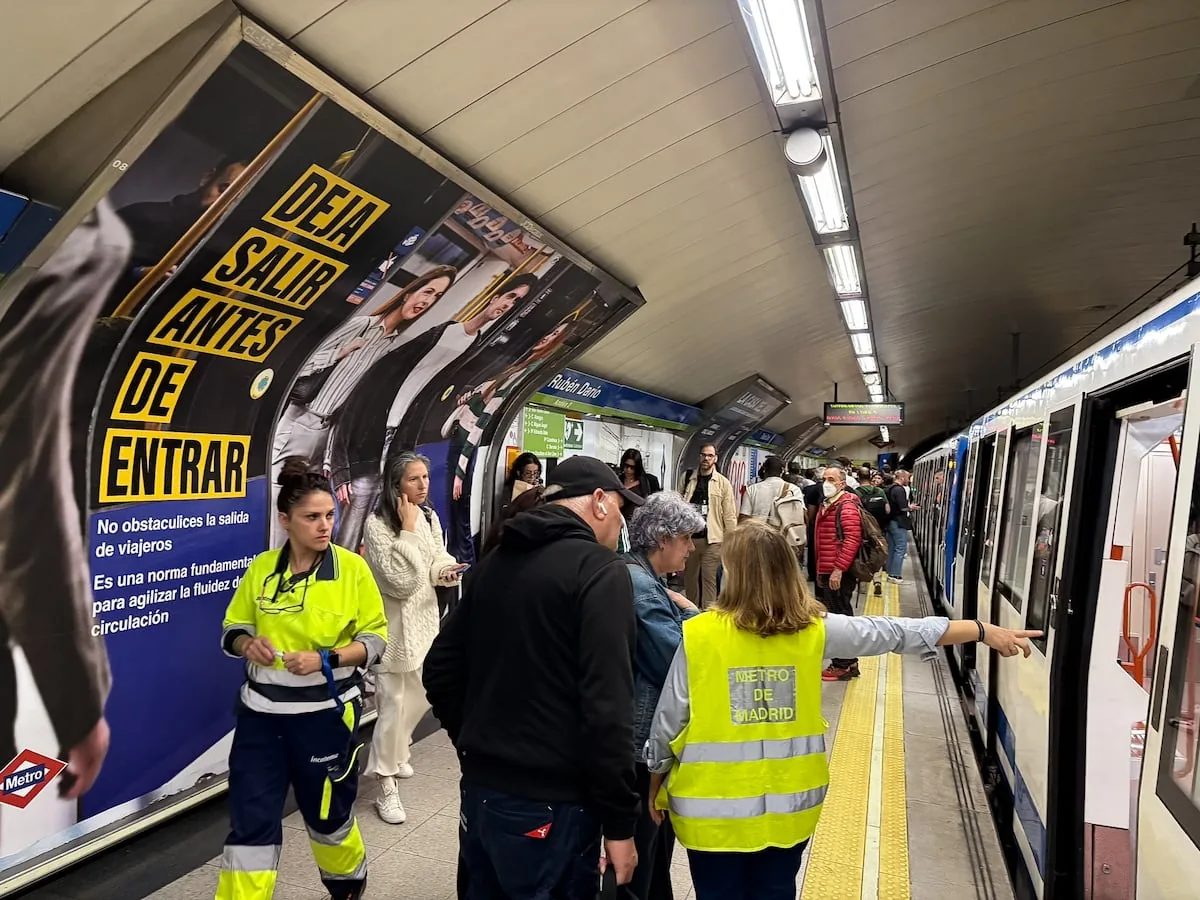
This morning, Madrid woke up in turmoil. A new incident in the capital’s metro caused thousands of people to be stranded on the platforms of up to 31 stations, affected by the suspension of service due to a gas leak in Ventas. The rupture of a pipe around 10:00, due to the works being carried out at this subway station, forced Metro Madrid to take measures “as a precaution.” Six hours later, around 16:00 this Tuesday, Line 5 service was restored, but it remained interrupted at six stations on Line 2. Line 6, known as Circular, was also affected for several hours. “We are facing the most serious incident that Metro de Madrid has suffered because the situation was not controlled in time and lines were affected one after another,” says María Acín, transport spokesperson for Más Madrid in the regional Assembly.
Although Metro Madrid has not confirmed to EL PAÍS whether this has been the worst incident recorded by the subway in recent years, both because of the time the lines were closed and the number of stations shut down, the incident will certainly be recorded among the most spectacular. “Like domino pieces, problems start in Ventas and have ended up affecting practically the entire network,” says Acín. Little is known about the events that caused the pipe to break, but firefighters had to intervene to prevent a disaster.
The City Council, which has referred to the words of Metro Madrid, has also not provided further details but has convened a meeting of the Integrated Security and Emergency Center (CISEM) at the Advanced Command Post “for the direction of the intervention” and has also activated the Complex Incident Procedure, according to Emergencias Madrid via its social networks. The mayor, José Luis Martínez Almeida, said at midday in a press conference after an event in Cibeles, when several lines were still closed, that it was “a complicated situation” and that “alternative” measures were being taken to help urban mobility.
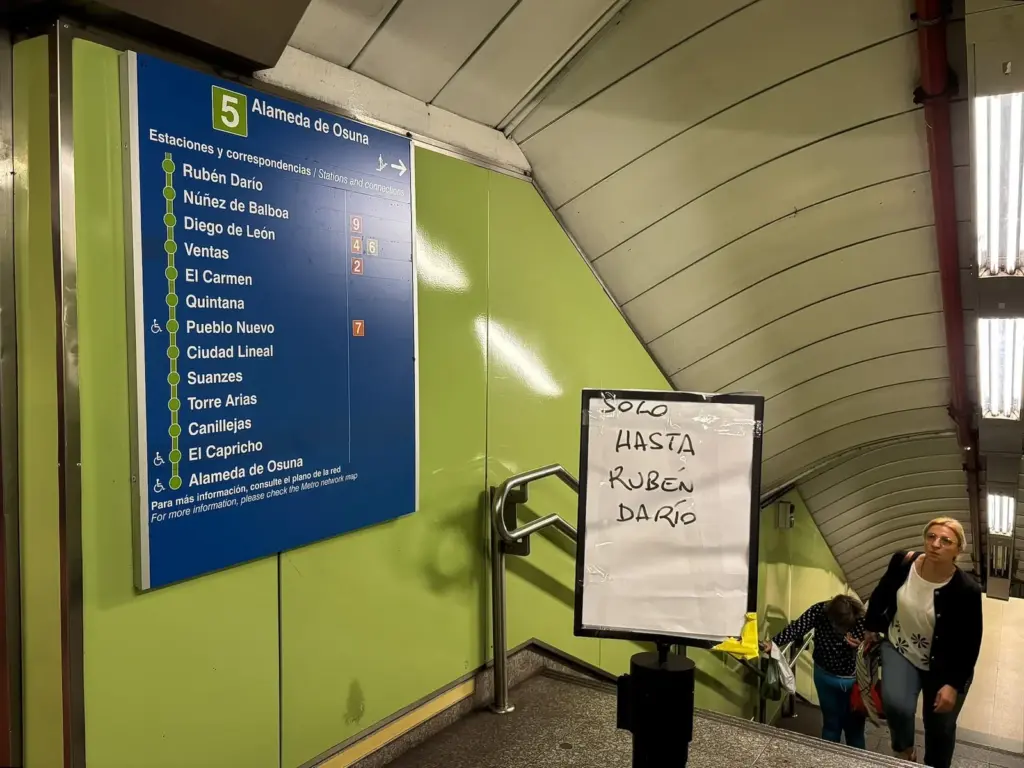
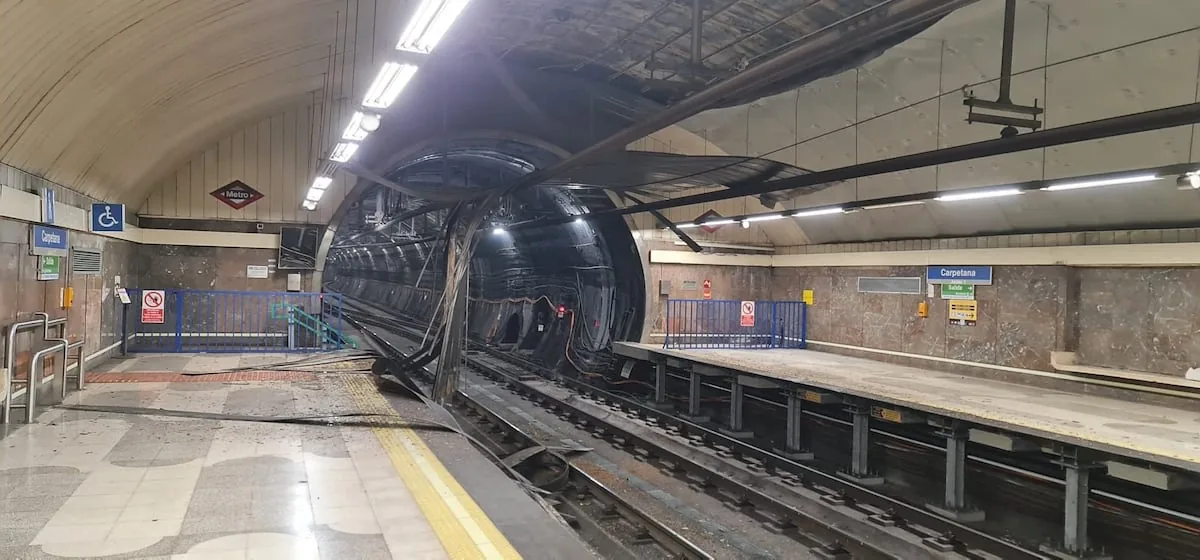
“We have already asked for explanations and requested the appearance of the Metro de Madrid manager, Ignacio Vázquez, to explain what happened. Remember that this is not an isolated case. The Ayuso government has decided not to invest in maintenance and we have had serious incidents for months,” points out the Más Madrid deputy. She recalls that recently, the ceilings of Carpetana station collapsed, Line 3 was cut off in the city center for a weekend because water entered the track, the derailment on Line 4, and the track break that occurred last week on Line 1.
Read more From university group to Spanish tech giant
The PSOE deputy, and member of the transport and infrastructure commission in the Madrid Assembly, Isabel Cadórniga, attributes the chaos to “lack of foresight, lack of planning, and lack of safety” at Metro de Madrid. “This accident could have had very, very serious consequences given the number of passengers using the metro at those hours,” she notes. “We have also been warning about the lack of foresight in safety and occupational risk prevention because there is no effective coordination between the contracting companies and the project management, which is unclear,” she adds.
The PSOE has also presented multiple initiatives in the commissions to open an internal investigation. “We want to know who the UTE or contractor was executing this work at the time of the accident, and what coordination existed with the gas distributor. We know there are no prior risk reports, and this is very serious,” she points out.
From the Comisiones Obreras union, Alfonso Blanco, spokesperson for Metros and Trams, says he has seen this situation “many times.” “Fifteen days ago it happened at depot 4, next to Wanda. There was a very strong gas smell due to pipe perforation, and 700 people had to be evacuated. At Marqués de Vadillo, due to flooding, it has been cut off as much as today,” he explains. Although, he says, it is not usual, major incidents “usually happen.” Blanco welcomes that, when in doubt about a punctured pipe, the subway is evacuated as much as possible to avoid greater damage. “Gas creates pockets. And if they have to cut the entire metro due to gas accumulation, they should cut it. Today there was a pipe perforation in Ventas, a work unrelated to Metro. Gas pockets formed in the tunnel because gas, in the end, stays in the dome, which is why evacuation was necessary,” he emphasizes.