The dream was always there. Studies with unicellular algae and bacteria related to the earliest forms of life have found genes that, in current animals, intervene and regulate sleep. A review by sleep scientists shows how this need is universal in the tree of life. But it also recalls the enormous diversity, both among different species and among human communities. Only with the arrival of industrialization and artificial light did the idea of eight hours become established. The work, published in Brain Medicine, ends by linking the appearance of sleep disorders with the edges of modern lifestyle.
Read more We tested the best gym towels
Sulfurimonas paralvinella is a bacterium widely studied in laboratories. For many who study it, it is a living fossil from when life appeared on Earth more than 3.5 billion years ago. Although S. paralvinella did not exist then, its lineage did. Neither its distant relatives nor the current bacterium sleep in the strict sense, but they alternate periods of activity and rest. And in that alternation, genes (such as orthologs) and metabolic pathways that are repeated in practically all living beings intervene. However, that permanence throughout evolution manifests itself in countless forms.
For the authors of this scientific review, the great diversity of sleep forms shows that, on a genetic basis, a series of selective pressures act that shape sleep. The studies they have reviewed lead them to conclude that “ecological pressures, metabolic needs, and predation risk are some of the main factors responsible for differences between species in their sleep strategies.” This explains why prey species, such as the ungulates of the African savannah, barely sleep a few hours and never consecutively, but in brief naps of a few minutes and standing. Meanwhile, lions, the main predator, can sleep up to 20 hours a day. Some species, such as many birds and cetaceans, have developed strategies that allow them to alternate wakefulness and sleep states in the two hemispheres of the brain.
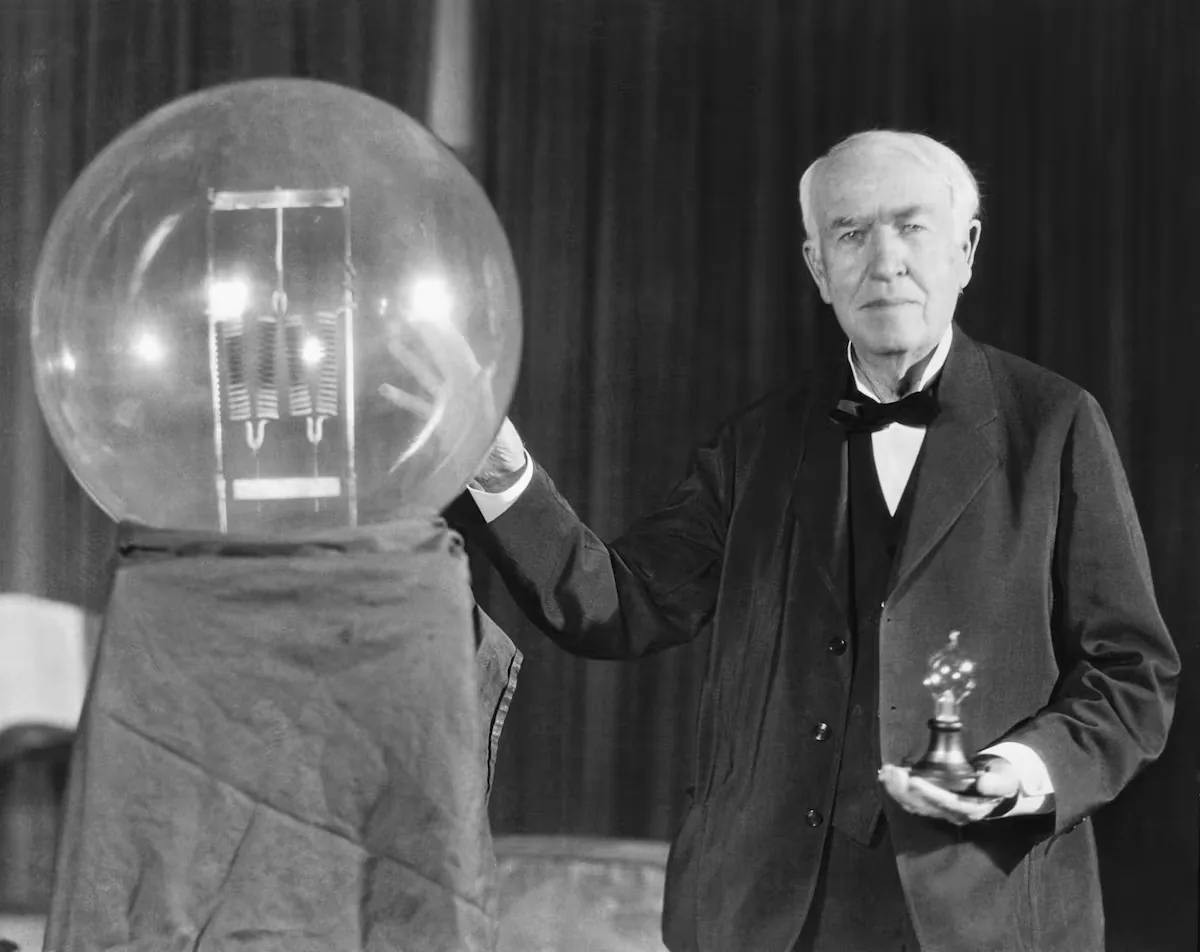
The environment has also shaped how humans sleep. From an ethnographic point of view, darkness has always been a powerful force. Like most animals, different human species sought refuge in caves, hideouts, or elevated points at nightfall. In the preindustrial era, the vast majority of humanity that could not afford sufficient lighting went to sleep at dusk and got up at dawn. The successive innovations of the 19th century that culminated with Thomas Alva Edison’s light bulb universalized artificial lighting, ending that natural rhythm.
The authors of the study compare what is known about the sleep patterns of three current preindustrial hunter-gatherer communities with those of humans in modern societies. The three populations in the comparison are the Hadza of Tanzania, the San of Namibia, and the Tsimane of Bolivia, which are among the most studied communities by ethnographers. Their way of sleeping closely follows the local light and dark cycle, and they sleep all at once: no evidence of segmented or biphasic patterns has been found in these groups.
Read more I have tested the best video doorbells to control who is ringing the doorbell from your mobile phone
The absence of segmented or biphasic sleep in the most studied traditional communities is relevant. Many sleep scholars, starting with American historian Arthur Roger Ekirch, have argued that humans in the past did not sleep through the night all at once. At the beginning of the century, Ekirch published his book At Day’s Close: Night in Times Past. It had a huge impact; he drew on many historical sources to argue that, at least in medieval and modern Europe, many who went to sleep at nightfall returned to wakefulness around midnight and for one or two hours, which they dedicated to prayer, eating, cleaning, or sex, before resuming sleep at dawn. Even in Don Quixote, there is mention of the two sleeps practiced by the knight Alonso Quijano, in contrast to Sancho’s, who sleeps from nightfall to dawn.
“Scientific literature continues to ask whether we sleep less than our ancestors, and we believe that is the wrong question,” says Seithikurippu Pandi-Perumal, first author of the review and researcher at the University of Chandigarh (India). “If we compare field data with historical records and genomics, what differentiates industrial sleep from preindustrial sleep is when it occurs and how regularly it repeats, not how many hours it occupies.” In fact, the Tsimane, Hadza, or San sleep between 6.4 and 7.1 hours a day.
The changes first produced by whale oil and then Edison and his light bulbs, the changes driven by accelerated urbanization and industrialization, are summarized in four aspects highlighted by the authors in their conclusions: Sleep onset has been delayed, decoupling it from the sun-moon cycle. The daily routine was lost in different ways, with the division of the day into three eight-hour parts or the week and weekend, and adaptation to natural light has ended up weakening. The fourth aspect is closely related to the previous three: diagnosable sleep disorders have become very common. However, they assure, the total number of hours of sleep, the only indicator that predominates in public debate and clinical admission forms, is the one that has changed the least.