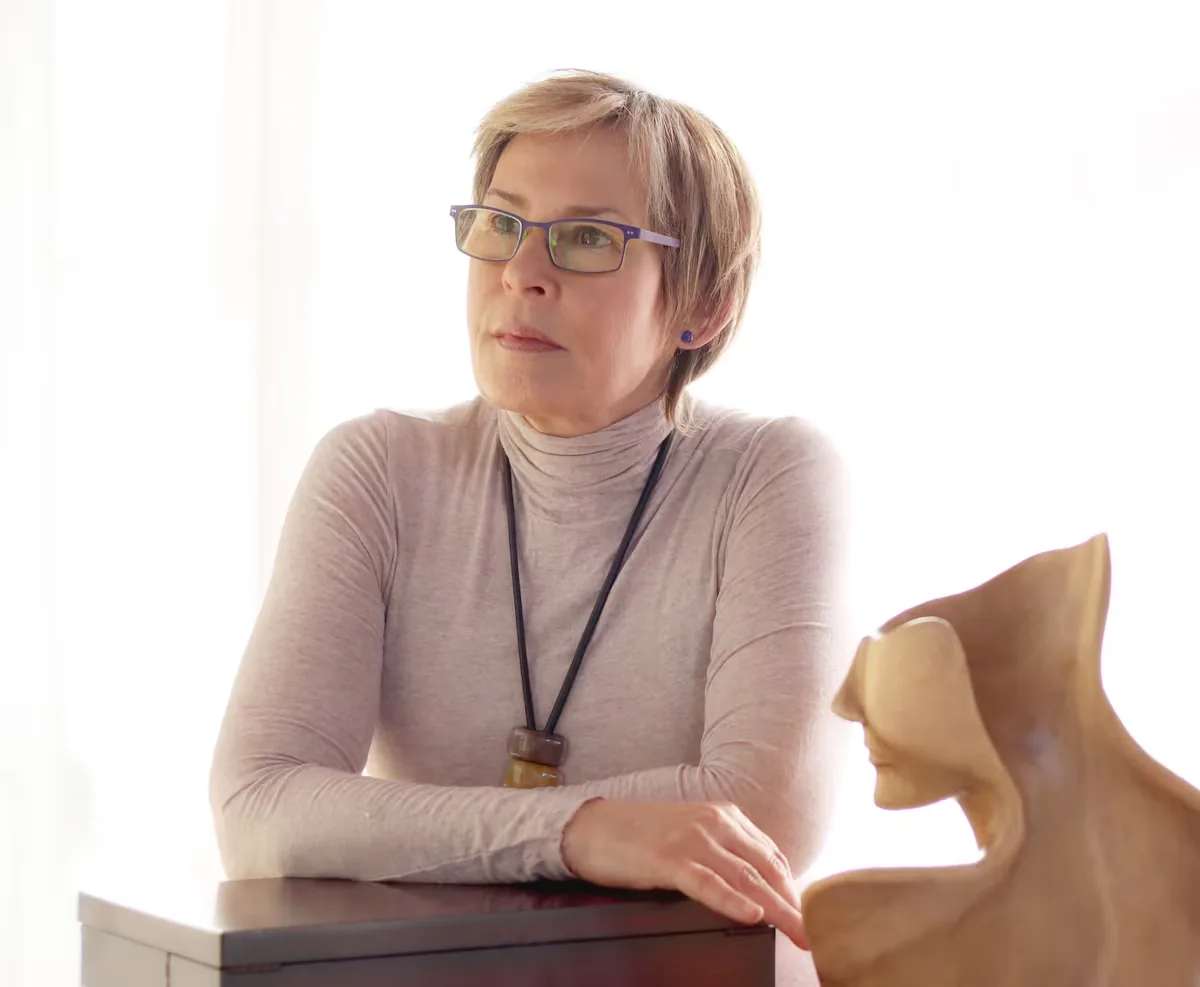
There is a multi-century ignorance in Spain —and encyclopedic, to use an oxymoron— about our Muslim and Jewish philosophers. As the Cordoban writer and intellectual Juan Valera stated, “it would seem that when we expelled them, we wanted to expel them forever until erasing their memory from among us.” One of these Muslim philosophers, perhaps the most distinguished, is the Cordoban Averroes (1126-1197), whose intellectual assessment has ranged from enthusiastic reception to sectarian rejection. Andrés Martínez Lorca, emeritus professor of Medieval Philosophy at UNED, dedicates this lucid essay to him, written with narrative mastery, philosophical rigor, and deep historical knowledge on the occasion of the 900th anniversary of his birth.
He places him in his historical moment, in 12th-century al-Andalus during the rule of the Almohads, who achieved the symbiosis between al-Andalus and Islam, and analyzes the three fields in which the Cordoban thinker shone with his own light and continues to illuminate the darkness of the present: law, medicine, and philosophy. In law, he stood out as chief judge in Seville and Córdoba, demonstrating legal competence and moral integrity. His work Bidaya exerted great influence in the Islamic world.
Averroes defended women’s rights: their equality with men, the rejection of polygamy, the right to be judges, the rejection of the dowry that turned them into slaves…
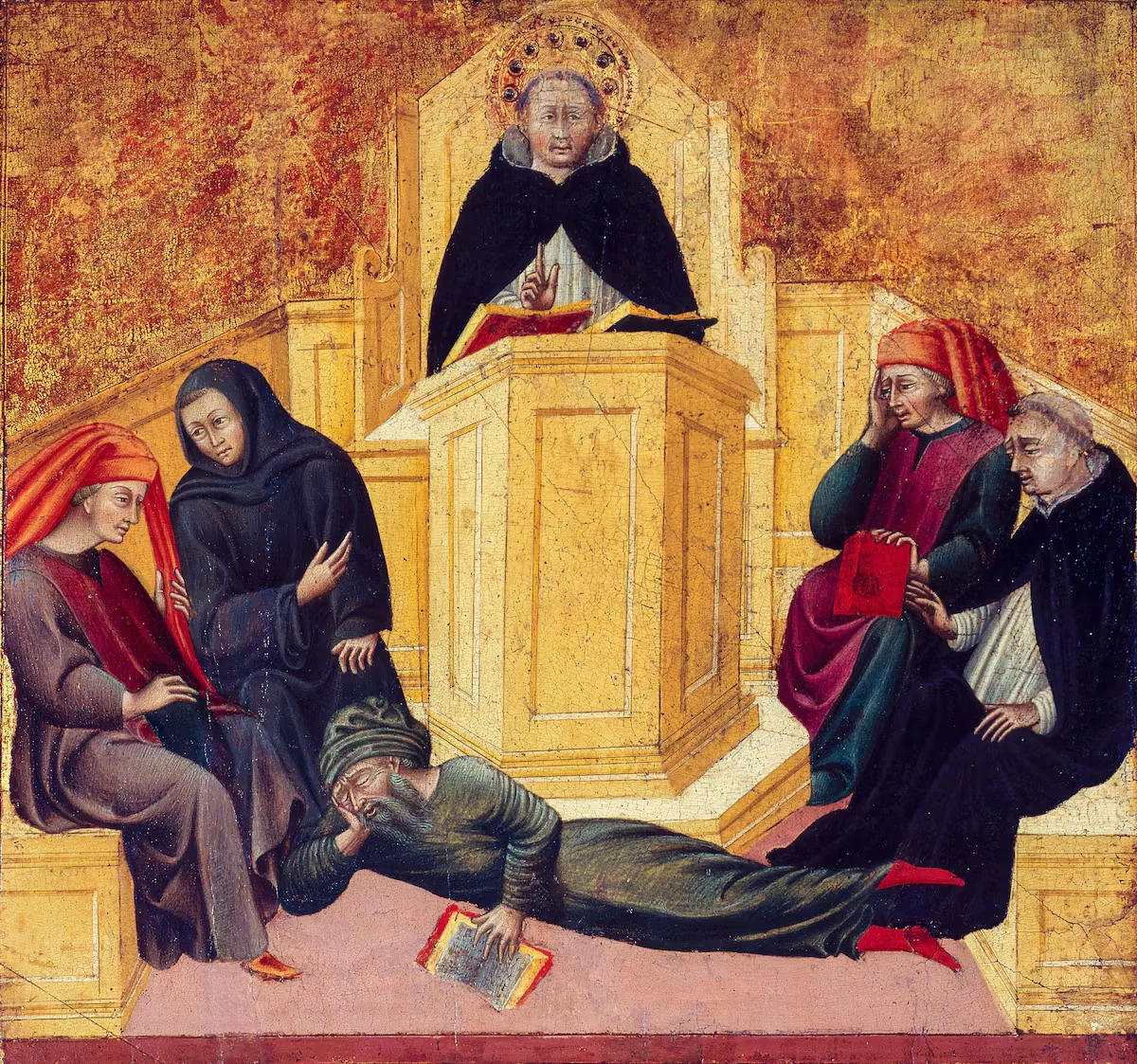
Martínez Lorca highlights Averroes’ defense of women’s rights: their equality with men, the rejection of polygamy, the right to be judges, the rejection of the dowry that turned them into slaves, and so on. The Cordoban thinker denounced the discrimination against women and their confinement to the domestic space. Such an egalitarian attitude contrasted with the prejudices of the time and would later clash with the discriminatory ideology of Thomas Aquinas, who described women as “imperfect males.”
The second field in which he worked was medicine, which he practiced as a court physician. His main and most influential work in this field is Kulliyyat, whose medical theory was based on “Arabized Galenism.”
Read more The increase in diesel prices forces the Government to raise the tax cut to 20 cents in September
But where Averroes demonstrated the greatest competence and originality was in philosophy, to the point of marking a new direction in medieval and Renaissance European thought. As his main contribution in this field, Martínez Lorca highlights his humanist and rationalist approach and the centrality he gives to Aristotle. Averroes places the Greek philosopher at the center of medieval philosophy because he considers it “the least subject to doubts, the best adapted and most in accordance with reality, and the freest of contradictions.” Aristotle’s influence was felt in Averroes’ thought in specific points, such as the autonomy of philosophy, the naturalistic basis, philosophical rationalism, the superiority of the intellectual life in the ethical plane, and the propaedeutic character of logic for scientific knowledge. This does not mean servile submission, since the Cordoban philosopher had his own thought, went beyond Aristotle, and sometimes broke with Aristotelianism.
Martínez Lorca recognizes Averroes’ important contribution to medieval thought in the distinction between philosophy and religions. Religions address the general populace and aim at achieving a virtuous life. Philosophy addresses a select part of society and requires argumentation, while also being considered necessary in Islam. He shows respect for religious beliefs but is very critical of theological dogmatism. Important elements of modernity are evident here. Averroes was the recipient of Aristotelian ethics in the Middle Ages. He divides virtues into moral and intellectual, emphasizes the social level of ethics, and links ethics and politics. He places the collective as the primary civil value, solidly grounds social cohesion, sets limits on private property, and is critical of the despotism of rulers.
From a creative hermeneutics, beyond simple disciple commentary, Martínez Lorca affirms that Averroes activated a first Renaissance, illuminated medieval Europe, and influenced the construction of modern Europe. With him, the brilliant Arab cycle of Arabizing philosophers is completed. This book contributes to recovering his living thought as a ferment of intellectual and social renewal today on such a notable anniversary as the 900th anniversary of his birth after centuries of irrelevance and persecution due to dogmatic, anti-Muslim, and anti-Arab Catholicism.
Read more Galicia seeks the secret of its extreme longevity
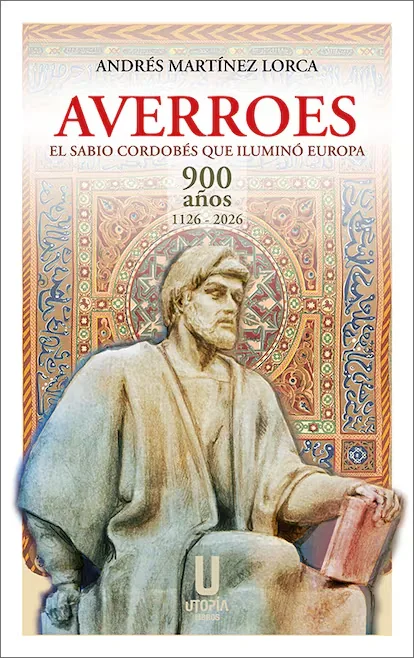
Averroes. The Cordoban sage who illuminated Europe
Utopía, 2026
176 pages. 14.25 euros