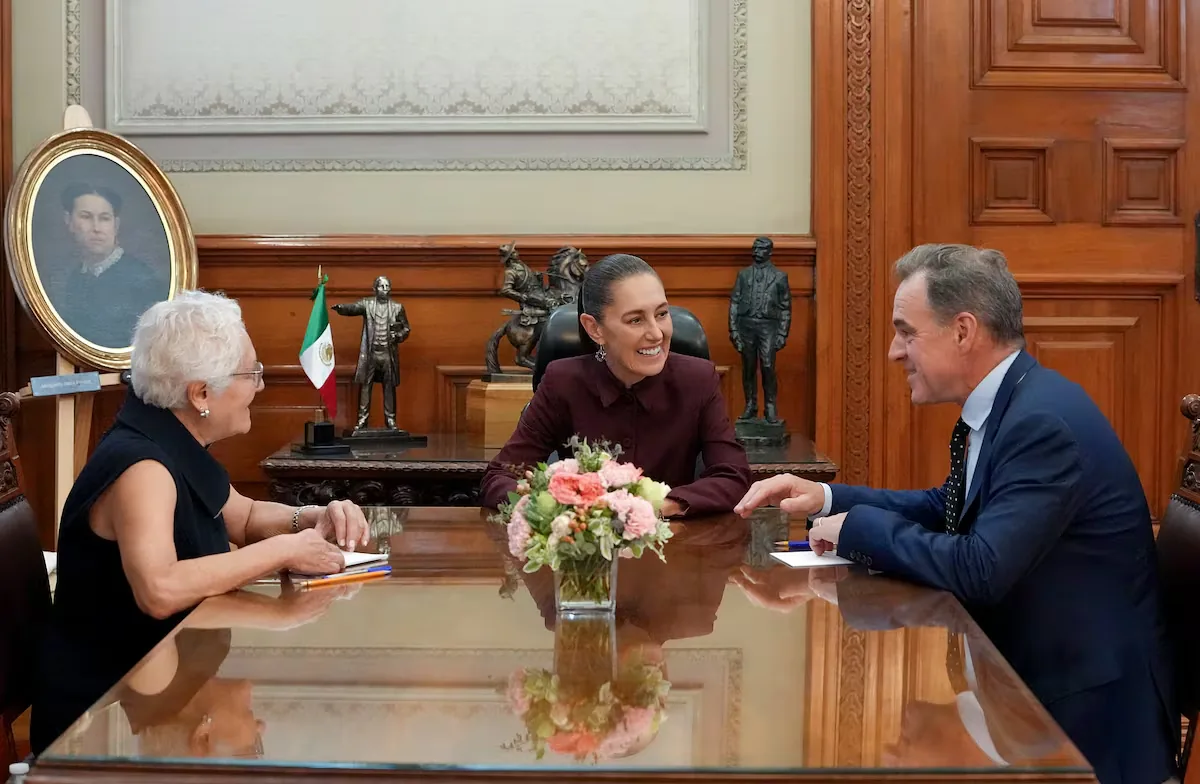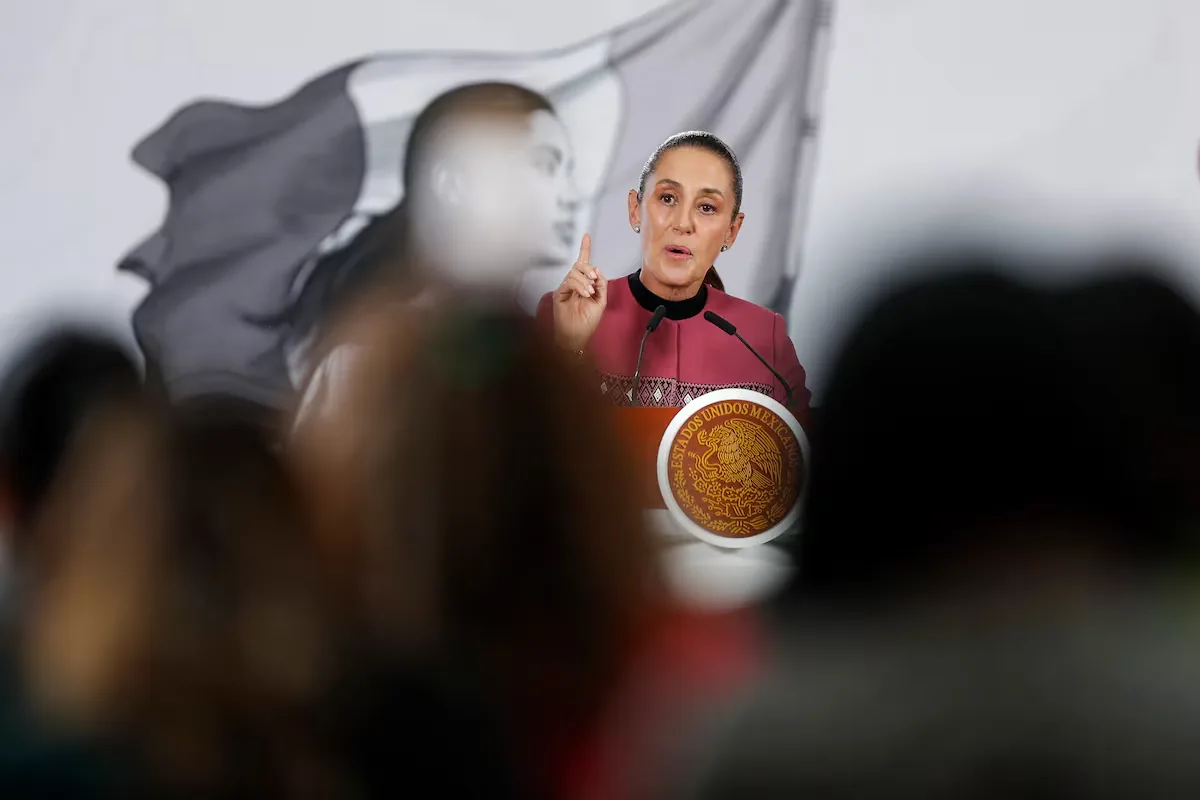







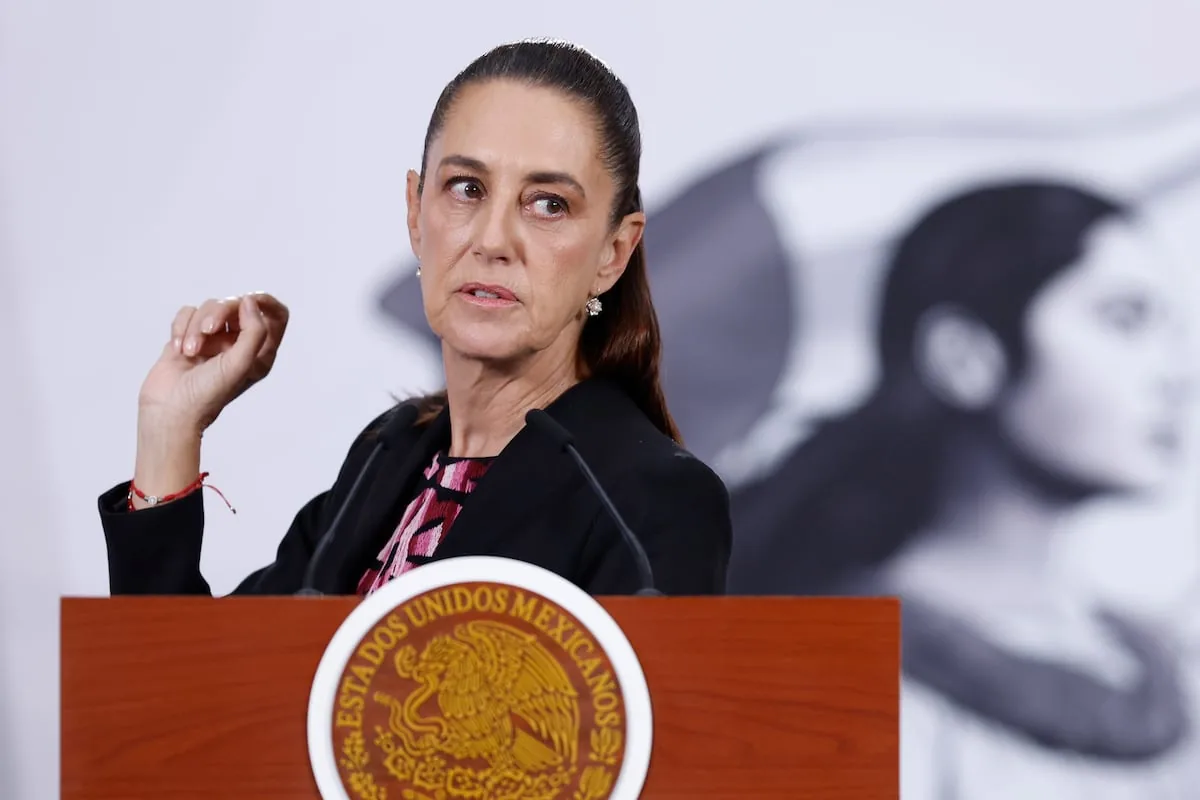
The president of Mexico does not go unnoticed by Time magazine. Almost a year and a half after Claudia Sheinbaum began her six-year term — the first by a woman in the country’s history — the publication has granted her a place on its list of the 100 most influential people in the world for the second consecutive year. Also featured are the first woman to hold the position of Prime Minister of Japan, Sanae Takaichi; Peruvian activist Mari Luz Canaquiri Murayari; and the president of the National Center for Migrant Rights and the Migrant Justice Fund, Kica Matos, of Puerto Rican origin. Some Latin-origin figures who have also made the list include actors Benicio del Toro and Wagner Moura, and singer Rauw Alejandro. Heavyweights like Ralph Lauren, Ben Stiller, Anok Yai, Kate Hudson, Zohran Mamdani, and Benjamin Netanyahu, to name a few, have also been considered.
Each person on the list has a description highlighting what made them candidates. The writers of these profiles are varied. For example, the governor of Tokyo, Yuriko Koike (who writes about Sanae Takaichi); former U.S. Vice President Kamala Harris (Mashama Bailey); Vogue magazine editor-in-chief Anna Wintour (Victoria Beckham); singer Taylor Swift (Dakota Johnson); and model and entrepreneur Paris Hilton (Lando Norris).
“Claudia Sheinbaum is one of the most popular leaders in the region,” writes Ioan Grillo in the brief profile of the president. Grillo is an English journalist who has focused his work on crime, drugs, and drug traffickers in Latin America since 2001. Grillo says Sheinbaum’s popularity lies in how the president has handled the pressure Donald Trump exerted on her since the Republican took office.
“Trump, then president-elect of the United States, had threatened to impose tariffs on Mexico and launch military attacks. Violent drug traffickers controlled fentanyl trafficking and human trafficking across the Rio Grande [Río Bravo]. And her internal critics claimed she would be overshadowed by her combative predecessor, Andrés Manuel López Obrador. But Sheinbaum’s response to this onslaught was a lesson in diplomacy,” it reads.
Grillo highlights another key moment in this year and a half: the Mexican government’s blow to the Jalisco New Generation Cartel (CJNG). Nemesio Oseguera Cervantes, El Mencho, leader of Mexico’s bloodiest criminal organization, was killed on February 22, 2026, in an operation that initially sought to capture the capo alive. Oseguera’s death triggered a wave of violence in about twenty states, with road blockades, vehicles set on fire, and 62 deaths. As a consequence of the crisis experienced in the hours following the capture, several cultural events (such as the Kali Uchis concert, scheduled for the night of Sunday, February 22 at the Telmex Auditorium in Zapopan, Jalisco) and sports events (such as the Diving World Cup, scheduled for March 5 and 8) were canceled.
Read more Vice Admiral Farías Laguna sends a letter to Sheinbaum to intervene in his case for fuel theft
“[The capture of El Mencho] helped prevent a more aggressive U.S. intervention. She spoke calmly in defense of Mexican sovereignty, while avoiding confrontation,” Grillo concludes.
Throughout history, the magazine has given space to 11 Mexican presidents. Before Sheinbaum, Time dedicated an issue to PRI member Enrique Peña Nieto (2012-2018), who posed for the cover with the controversial slogan Saving Mexico in 2014, following the approval of a series of reforms. In 1982, the space was for Miguel de la Madrid, who opted for “austerity, efficiency, and above all, honesty.” The president’s phrase, “We are in an emergency,” accompanied the portrait. The rest of the presidents are José López Portillo, Adolfo López Mateos, Adolfo Ruíz Cortines, Miguel Alemán Valdés, Lázaro Cárdenas, Plutarco Elías Calles, Pascual Ortiz Rubio, and Manuel Ávila Camacho.
Subscribe to EL PAÍS México’s newsletter and to the WhatsApp channel and receive all the key news updates about this country.