








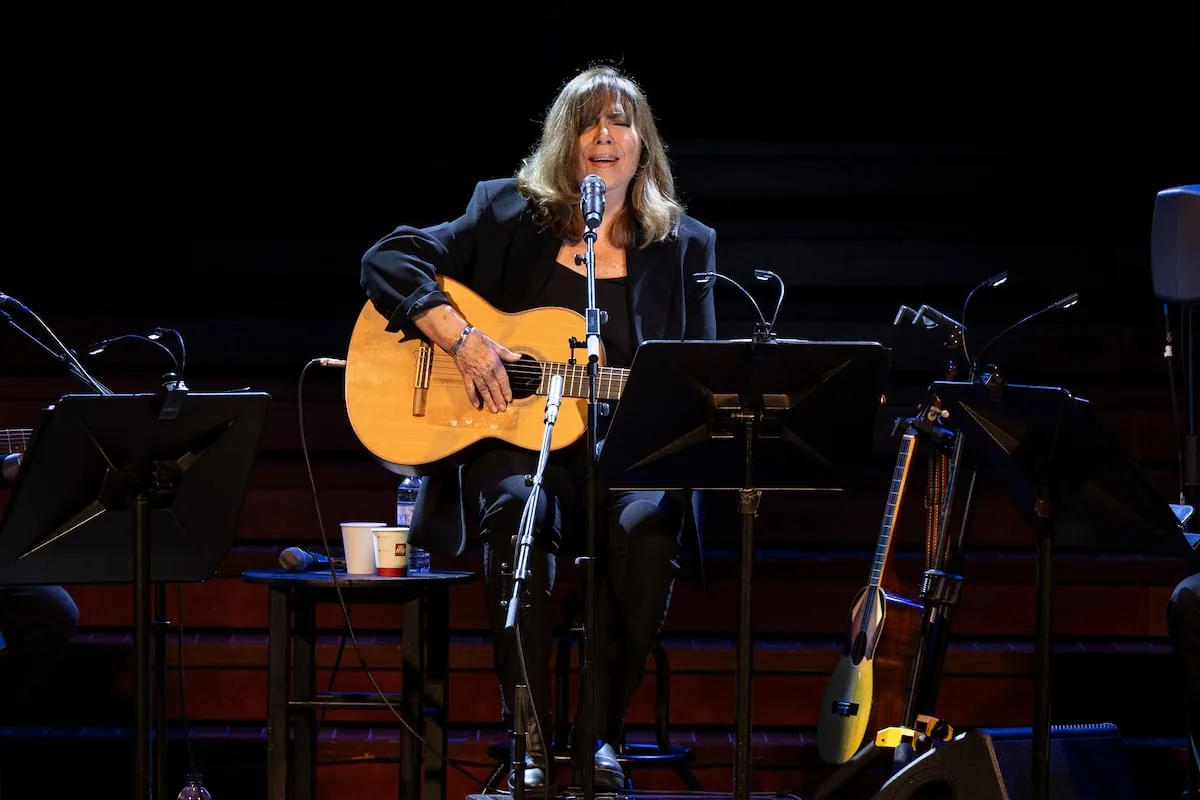
If time is the Mediterranean and the boat its voice, Maria del Mar Bonet sails it with calm, pause, and tranquility. Unaffected by ups and downs and noise, leaving pools of still water and always maintaining her own course, the Mallorcan singer has left behind 60 years of journeys that she is now beginning to celebrate. The Palau de la Música was the first port of this cruise, which soon, in October, will return her to her meaningful Olympia in Paris. But it is not time to look back for Maria del Mar, who with a new album revives a magnificent repertoire, shows a splendid state with a voice that gains body and proves that looking back, no matter how much memory and achievement there is, does not exempt the gaze forward. She demonstrated this exquisitely in the modernist venue.
Read more Scratches on Mercedes: pole for Russell in Canada, after clashing closely with Antonelli
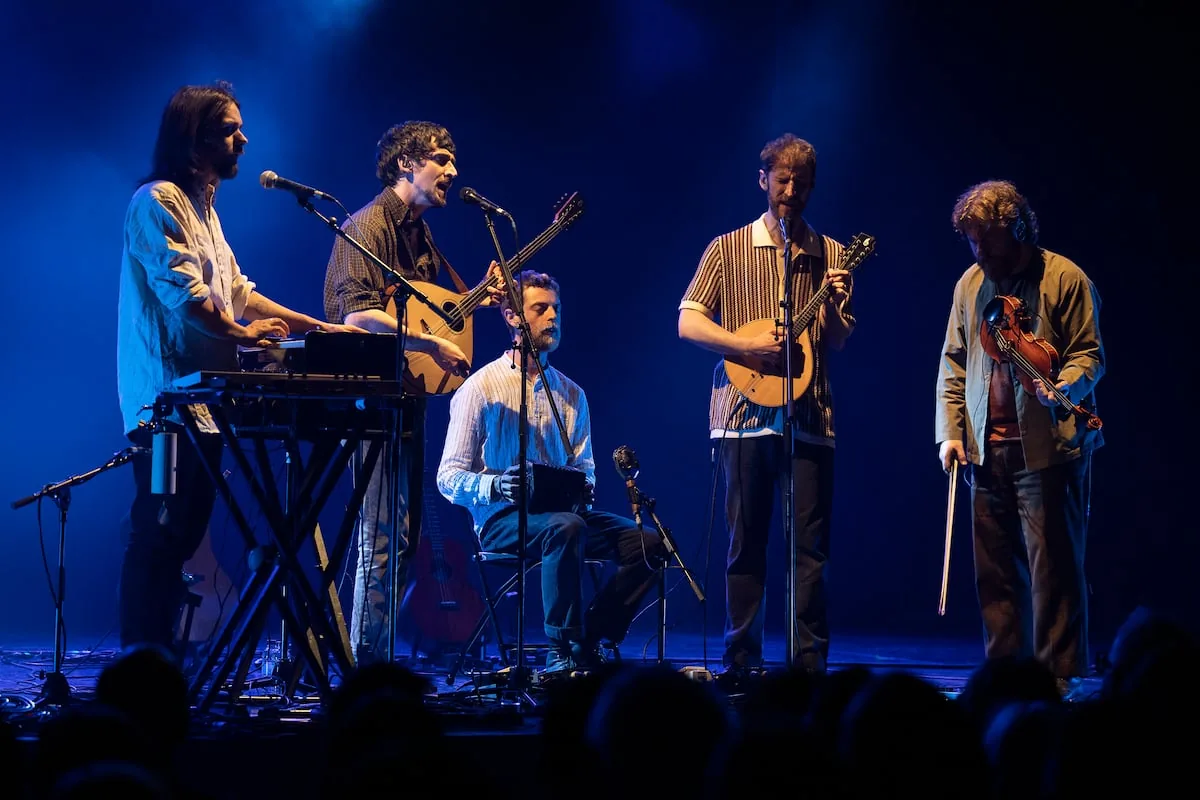
As she herself said at the start of the concert, “the Palau is a garden of light and flowers,” even more illuminated by the sunset filtering through the glass windows than by the artificial stage light. It was a declining accompaniment that gave an even more beautiful setting to an outstanding concert, with a quintet predominantly of acoustic strings in which she positioned herself as part of it, without taking the foreground, an implicit way of signifying the importance of the formation. She began with an old and beautiful song like Nina, ninona, marked by double bass –Marko Lohikari– and bongos –José Llorach–, which, as she said, she sang along with the next piece, Abril, with its memory in the Carnation Revolution, and with Cançó de la bona mort, in the Parisian hall that brings her so many memories, although it was at the Palau where she performed it for the first time. From the beginning, the nuanced strings, with lute –Toni Pastor–, acoustic guitar –Marc Grasas–, violin –Benjamí Salom– double bass and a caressed and subtle percussion marked the compositions, images of a Mediterranean that sounded like wood and plucked and bowed strings. The rhythm gained more body with La dansa de la primavera and the festive airs of Des de Mallorca a l’Alguer led her to perform it standing, just before the beautiful folk conciseness of Me n’aniré de casa.
From this point on, the concert found the new Maria del Mar Bonet, from her excellent new album L’aigua no cansa, a renewal of her pact with beauty and with this contradictory world where water can be a source of eternally renewed life and also of death, as she sang in S’aigo no, amid the applause that her denunciations of the incompetence of some Valencian authorities during the floods awakened, denunciations sung by her almost with fury over the tangible sonority of the double bass. The entire new album passed through the stage, like paint and hull of her ever-present vessel, with moments like that delightful and slightly Arabesque Blaus i blaus with its demanding chorus, the clapping and percussion woven together with the voice L’aigua no cansa, the excellent version of a recovered classic, Sa ximbomba, that Night which poetically addresses sleep or the popular sarcasm of the Cançó dels disbarats in its lively proximity to the tarantella.
Read more United States conducts a military evacuation drill in Caracas
With the core of the concert already shown, the musicians left the stage and Maria del Mar reappeared only with her pianist Gori Matas to perform Lluna de pau, a beautiful song about something as ugly and inhuman as wars. The deep soulful voice of the Mallorcan, now almost in celebration, still gave five more songs, among which were Què volen aquesta gent and La balanguera, a way of saying that the past should not abandon us no matter how much the present renews us. And in that present lives Maria del Mar Bonet, a star that could have lit up the Palau even without lights.
Read more The Iran national football team will be based in Tijuana during the World Cup