“The politician must support bullfighting because it is their legal obligation; bullfighting should not depend on tastes or political parties. Period.”
Read more From Nicole Kidman to Chloé Zhao: death doulas reach pop culture
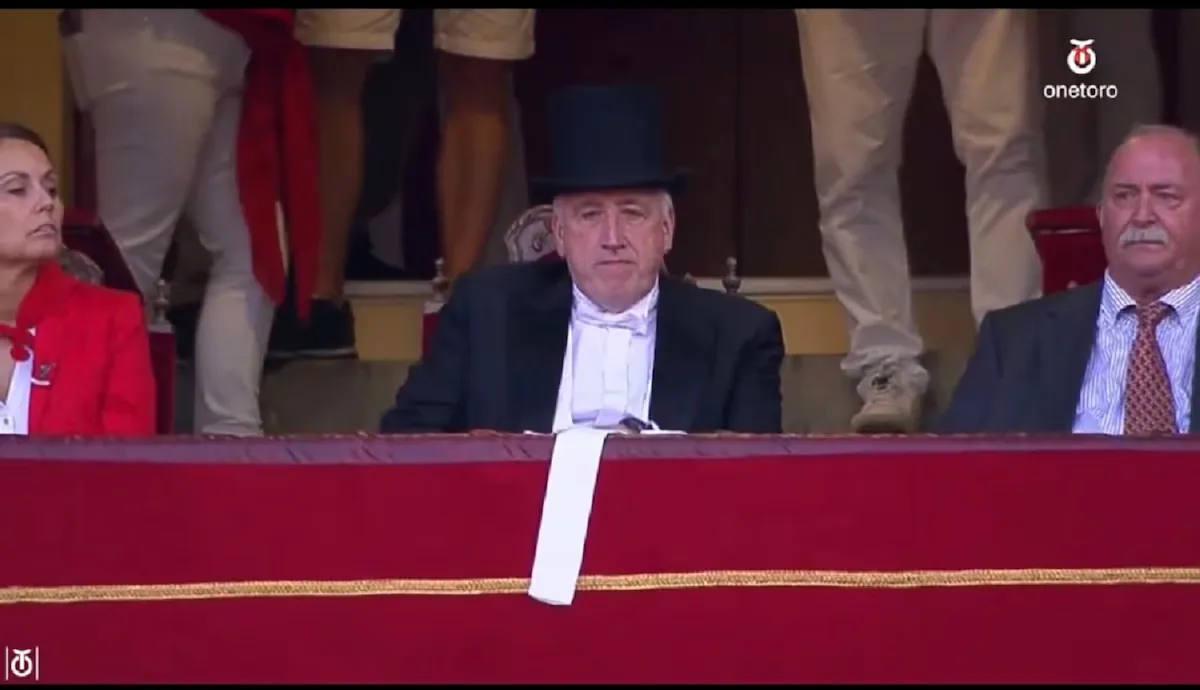
So conclusively expresses Borja Ortiz, 38 years old, first deputy mayor of the Málaga town hall of Rincón de la Victoria and director of the Bullfighting Affairs Unit of the Provincial Council.
And he adds: “We should not receive financial compensation for promoting bullfighting, just as we do not receive it when the David Cup or any other show is held in Málaga; on the contrary, it costs money. Our goal should not be to seek monetary profitability, but to work so that the best events are held in this province.”
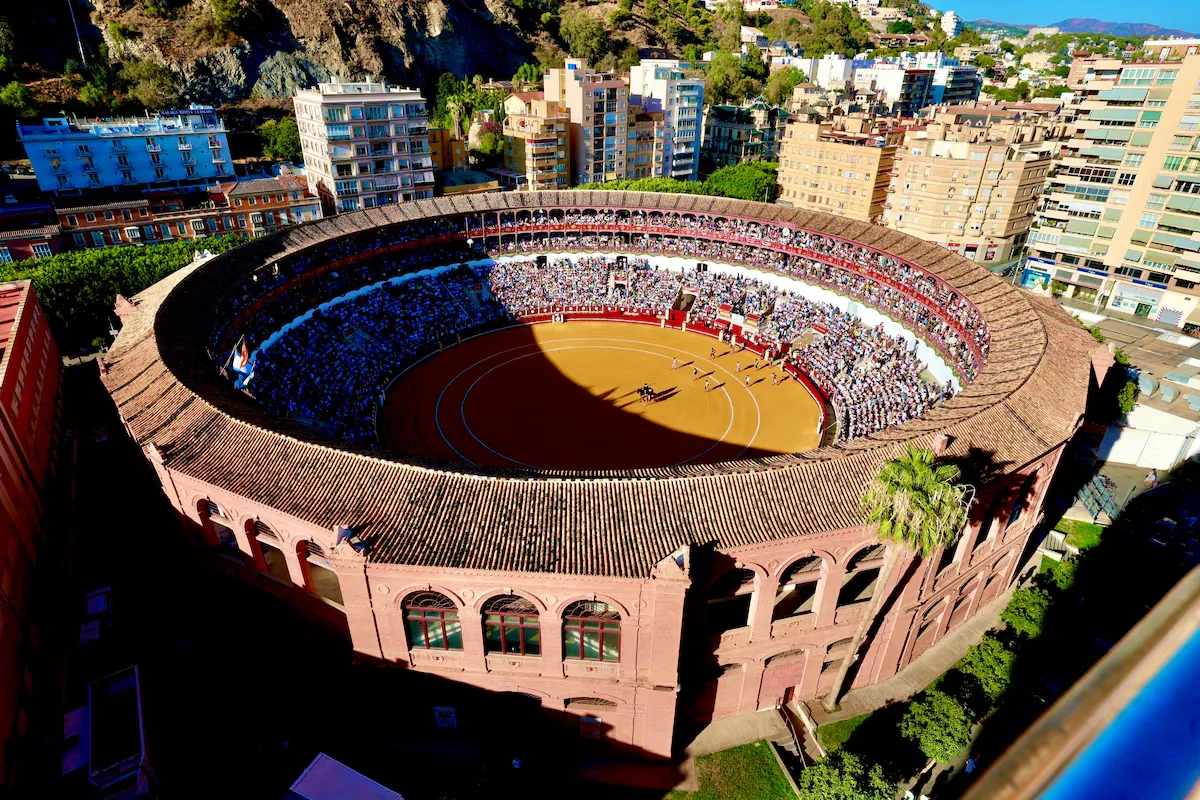
Ortiz’s words are related to the decision of the provincial body, owner of the La Malagueta bullring, to establish a zero fee in the tender (contract) that contains the conditions for a company to manage the bullfighting season. In this case, the contest was won by Tauroemoción, led by bullfighter Alberto García, who for the next five years will not pay any amount to the Provincial Council, although he must contribute to the maintenance of the bullfighting schools in the province.
Without a doubt, this is a pioneering and innovative initiative regarding the management of publicly owned bullrings and which, in the case of Málaga, is explained, in Ortiz’s words, because in 2025 the ticket prices remained the same as in 2006, when a fee of 500,000 euros was paid. The rental price was reduced in each new tender to maintain the ticket price until a point was reached where the rise in the cost of living forced an alternative to be sought.
The current contract for the management of La Malagueta includes a zero fee for the company Tauroemoción, winner of the contest for five years
“We then considered the obviousness of raising ticket prices given that costs had increased by 30 percent in the last five years,” Ortiz continues; “and then we thought of partially copying the model of the Las Ventas tender: freeing the price of single tickets in exchange for not affecting season ticket holders, for which the fee to the entrepreneur was reduced to zero, who is only obliged to collaborate with the bullfighting schools.”
According to the bullfighting official of the Málaga Provincial Council, chaired by the Popular Party’s Francisco Salado, this initiative allows maintaining and increasing the bond with season ticket holders, announcing more attractive posters, and that the occasional spectator who wants to attend a luxury event pays its real price.
But this scenario is part, according to Ortiz himself, of the traditional commitment of the Málaga provincial institution to the bullfighting festival, already existing before the absolute majority of the Popular Party, achieved in May 2023.
“Since then, the commitment to the bullfighting festival has increased enormously, and proof of this is the investment of 5.3 million euros made in 2018 in the rehabilitation works of the arena,” the bullfighting official proudly emphasizes.
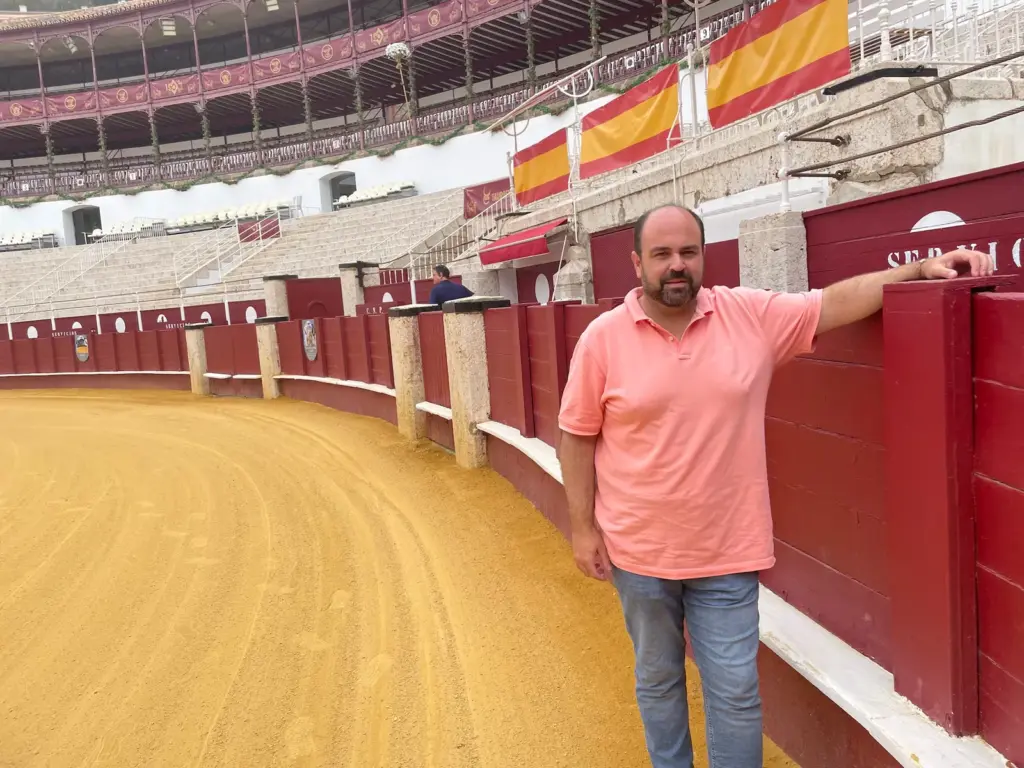
He also adds two objectives that he considers fundamental in the current corporation’s program: to turn La Malagueta into a cultural space with its own life throughout the year and to raise the prestige of the bullring according to its first-class category.
Read more A «spaceship» in the middle of Manhattan: can New York’s most unique building be saved?
First, he highlights the creation of the Bullfighting Immersive Experiences Center (CEIT), “the first of its kind in the world,” says Borja Ortiz, “in which a tourist visit is taken to another level and the bull is shown in a completely different way.”
“With the use of new video technologies, games, and artificial intelligence,” he continues, “the bullring is shown with sensory, olfactory, sound, and visual experiences with the intention of educating the visitor about the world of the bull and allowing them to get an idea of what a bullfight in this ring is like.”
The CEIT was inaugurated in 2025 and already had almost 80,000 visits, and this year it expects to exceed 100,000. “95 percent of those who come are foreigners,” Ortiz clarifies, “but a Spanish fan is equally or even more impressed.”
“The politician must support bullfighting because it is their legal obligation; bullfighting should not depend on tastes or political parties. Period.”
Regarding the prestige of La Malagueta nationally, he acknowledges it is a more subjective criterion, but Borja Ortiz seems clear about it.
“Each bullring is different and has its particularities, and we cannot compare ourselves with Seville or Madrid. We have been looking for the Málaga bull for 20 years, and it seems we have found it according to the criteria of the governing teams; it has been achieved that bullfighters come with more enthusiasm, and that the bull is less demanding but moves more, so that there are more fair artistic results without falling into populism.”
He admits, however, that Málaga is a bullfighter’s bullring. “And we cannot stop being so nor pretend another concept, but I believe the fans have gained in respect and demand, and the category of the bullring has been recognized for a few years now, considering that this is a long and slow path. Added to this is that Málaga is a rising city, and I cannot help but recognize that the decline of other important fairs facilitates that we are the reference point of the August bullfighting season. For all these reasons, I can affirm that Málaga is today the third bullring in Spain.”
Ortiz finally recalls that La Malagueta is celebrating its first 150 years in 2026 since it was inaugurated on June 11, 1876, by bullfighters Manuel Domínguez Desperdicios, Antonio Carmona El Gordito, and Rafael Molina Lagartijo, who fought bulls from Murube.
“The best have passed through here since that first day, the best livestock, the best bullfighters, and great bullfights,” Ortiz concludes, “among which I would highlight as the most important the mano a mano that on August 14, 1959, starred Luis Miguel Dominguín and Antonio Ordóñez, and which the writer Ernest Hemingway so passionately reflected in his book The Dangerous Summer.”
Read more Saga or ‘nepobabies’? The new generation of artists living with their parents’ legacy