


Political Science at a public university, Carlos III University of Getafe (Madrid). That is the university degree that the Princess of Asturias, Leonor de Borbón, will pursue, as reported this Monday by the Royal Household. After weighing different alternatives, including a double degree or the design of an ad hoc career, the King and Queen and their firstborn have decided that the heir to the Crown will pursue a four-year degree “at one of Spain’s most prestigious public universities,” according to sources from La Zarzuela. The curriculum includes political, legal, economic, and sociological topics that should serve her in the future to exercise her responsibilities as Head of State.
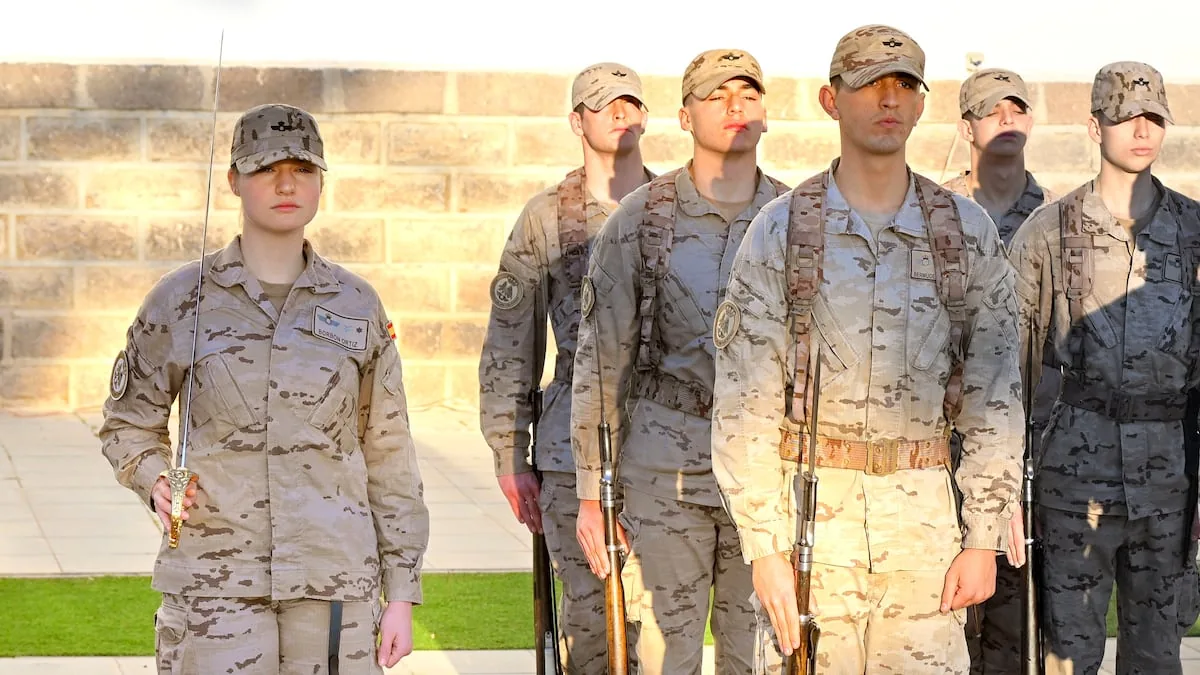
After finishing three years of military training on July 15 ―which has successively taken her to the General Military Academy of Zaragoza, the Naval School of Marín, and the General Air Academy of San Javier―, the question remained as to how Leonor de Borbón would complete her education starting in September, less than two months before she turns 21. The King and Queen had expressed their wish for her to do so in Spain ―after having completed her international baccalaureate at UWC Atlantic College in Wales, like her younger sister, Infanta Sofía― and for it to be at a public university, like her father Felipe VI, who graduated in Law from the Autonomous University of Madrid, becoming the first king of Spain with a university degree. Until now, however, it was not known that the chosen center was Carlos III University and that the Princess of Asturias would pursue a full four-year degree. The goal is for her to integrate into the university community and have a degree comparable to that of her peers.
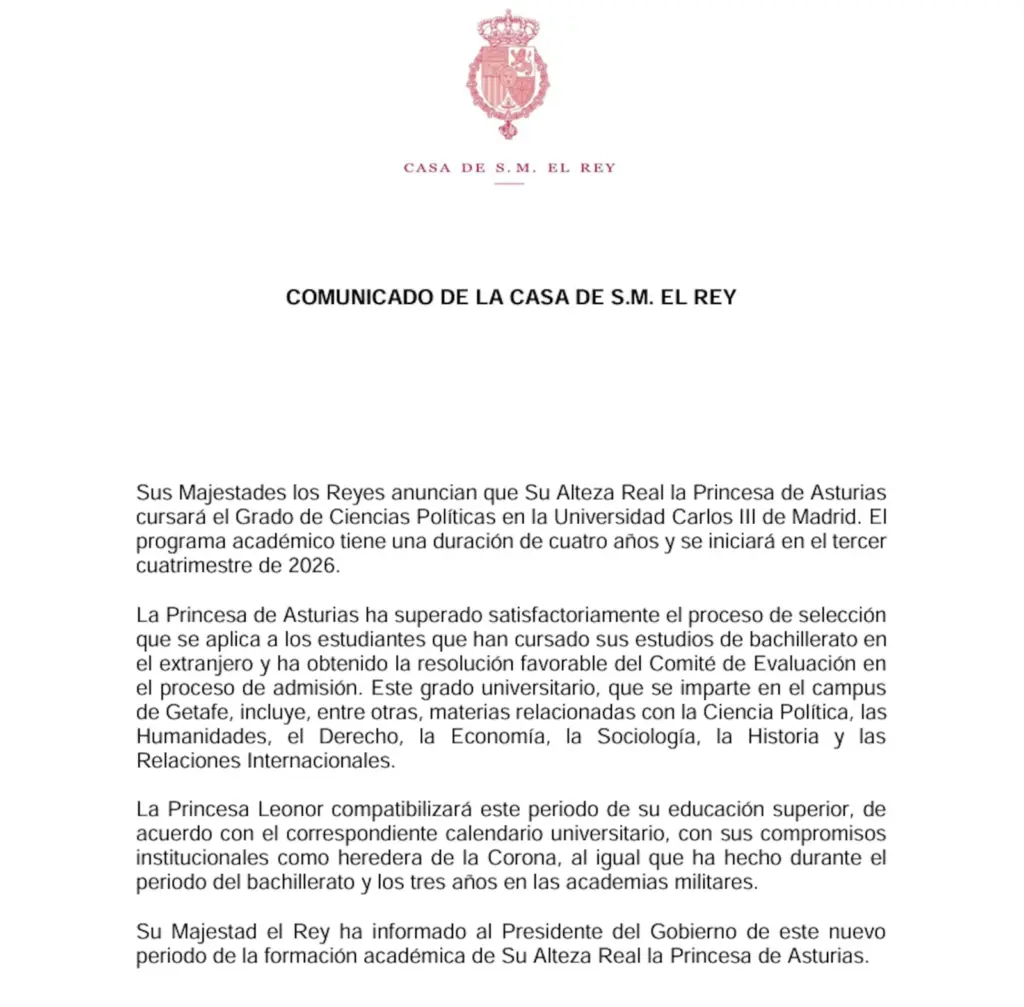
“Their Majesties the King and Queen announce that Her Royal Highness the Princess of Asturias will pursue a Degree in Political Science at Carlos III University of Madrid,” states the brief communiqué from La Zarzuela. “The academic program has a duration of four years and will begin in the third trimester of 2026. The Princess of Asturias has successfully passed the selection process applied to students who have completed their baccalaureate studies abroad and has obtained a favorable resolution from the Evaluation Committee in the admission process. This university degree, which is taught on the Getafe campus, includes, among others, subjects related to Political Science, Humanities, Law, Economics, Sociology, History, and International Relations. Princess Leonor will combine this period of her higher education, according to the corresponding university calendar, with her institutional commitments as heir to the Crown, just as she has done during her baccalaureate period and the three years in military academies. His Majesty the King has informed the President of the Government of this new period of academic training for Her Royal Highness the Princess of Asturias,” the communiqué concludes.
Leonor de Borbón has already been admitted to Carlos III through a procedure called Early Admission. It is reserved for students who have completed their baccalaureate abroad, who are exempt from taking the PAU (University Access Test), the former EBAU, which students who have studied in Spain must pass in June. This latter test, explain the consulted sources, is based on the Spanish baccalaureate program, so those who have studied outside Spain would be at a disadvantage. Instead, they are required to have a good academic record, as the evaluation of the application is based on the grades obtained. The quota of students who access through this procedure is 8% of the total. In addition to Carlos III, other Madrid universities such as Complutense and Autónoma have the same access system.
The processing of Leonor de Borbón’s university admission has been handled with great secrecy to avoid leaks, to the point that it was the rector himself, Ángel Arias Hernández, who personally delivered the application to the admission committee meeting. Unlike the Princess of Asturias’s military career, which was jointly designed by the Royal Household and the Ministry of Defense, her university education has been a decision of the King and Queen and Leonor herself, who had the final say. The Government, according to the same sources, was informed before it was made public.
The Princess of Asturias is expected to follow the same program as her classmates, although she might receive additional support in some subjects, such as the study of the Constitution, given its importance for her future role. She will combine her university studies with her institutional agenda, though limiting her participation in public events to interfere as little as possible with her university education, as has been done so far with her military training. The challenge for the Royal Household is how to foster her integration into social and academic life while preserving her privacy, which has already caused some headaches during her time at military training centers, despite these being subject to boarding school and military discipline, which facilitated control.
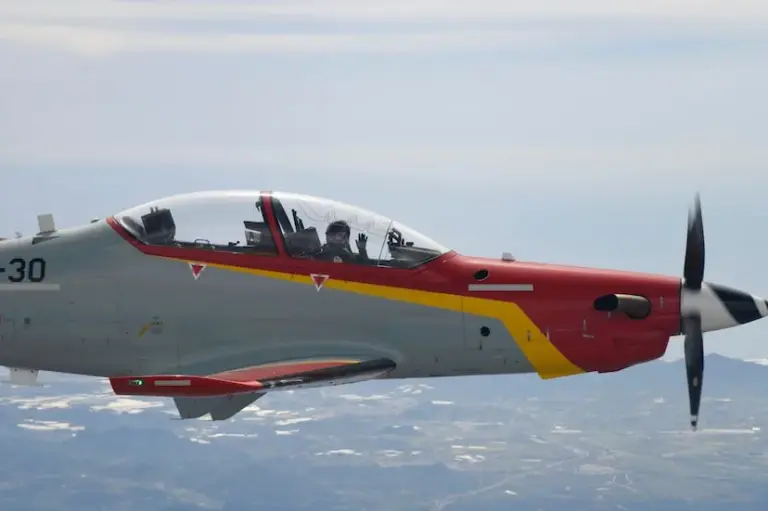
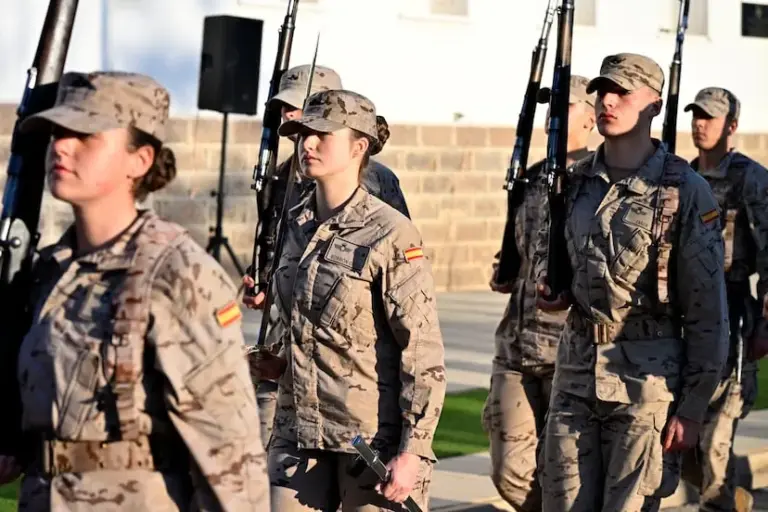
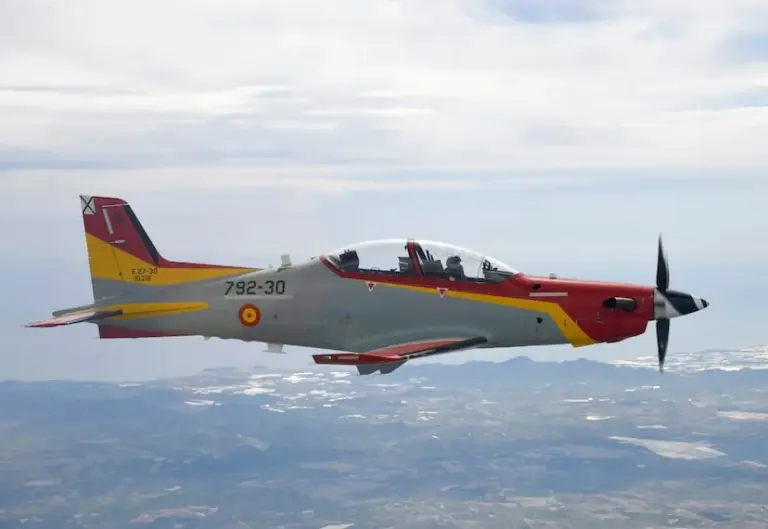
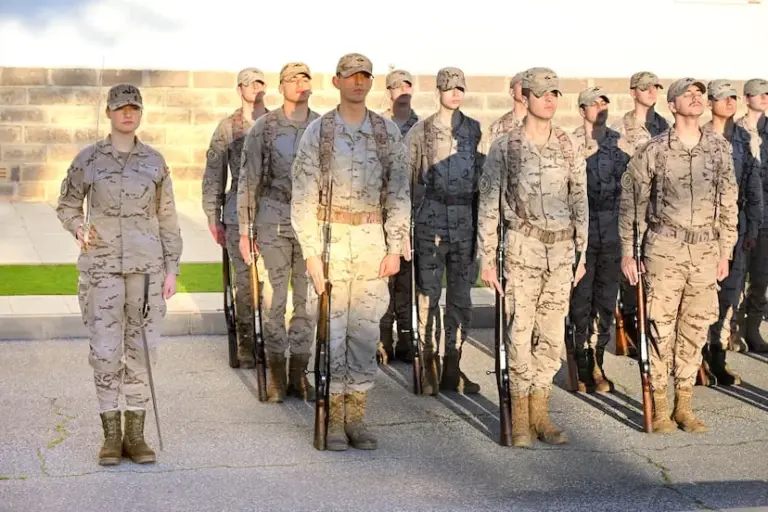
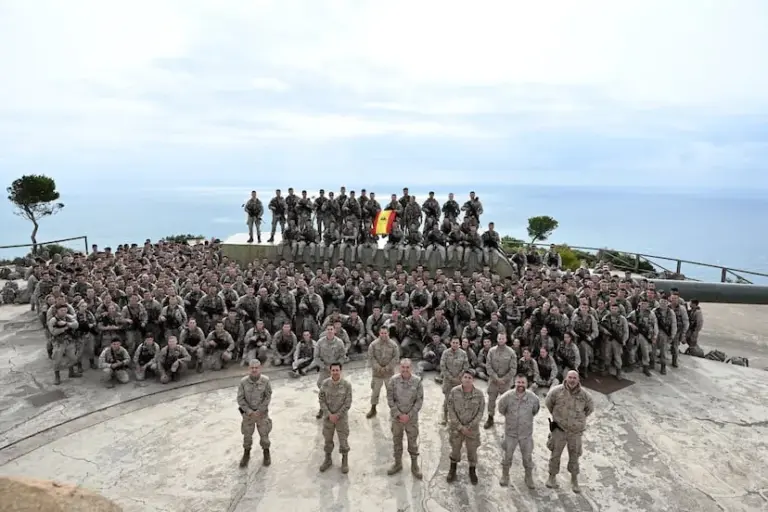
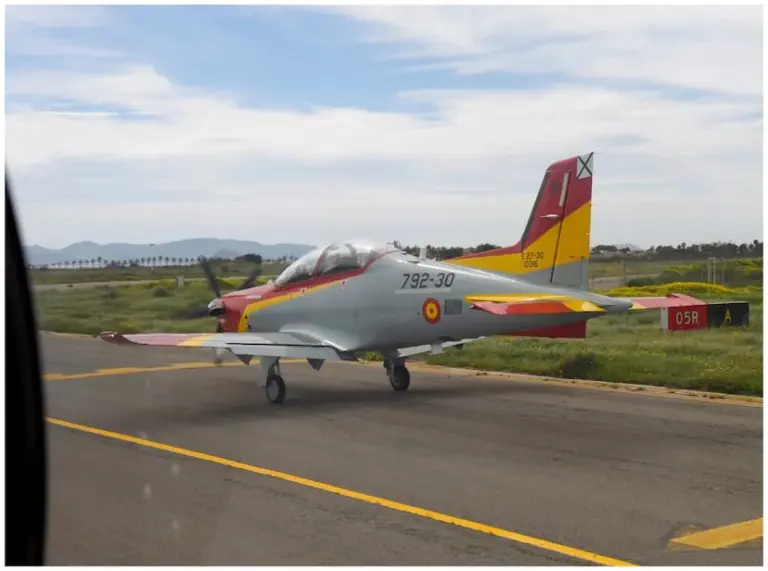
Once she completes her Political Science studies, Leonor de Borbón will have a university degree, in addition to the ranks of lieutenant in the Army and Air Force and ensign in the Navy, which she will receive in July 2027 along with the three promotions of officers with whom she has coincided in the respective military academies. Subsequently, she could pursue a master’s degree, just like her father, who studied International Relations at Georgetown University in Washington (USA).
Subjects and Faculty
Carlos III University, founded in 1989 by former Congress president Gregorio Peces-Barba, offers the Political Science degree at the Faculty of Social and Legal Sciences on the Getafe campus. The degree, which offers 30 places, is overseen by Vice-Dean Gema García Albacete. The teaching staff includes some well-known names, such as political scientist and analyst Pablo Simón, author, among other works, of El príncipe moderno. Democracia, política y poder (The Modern Prince. Democracy, Politics and Power), an essay inspired by Niccolò Machiavelli’s classic; sociologist and philosopher Ignacio Sánchez-Cuenca, a columnist for EL PAÍS like the former; or political scientist Silvia Claveria Alias, author of El feminismo lo cambia todo: Un relato sobre la lucha contra el patriarcado (para curiosos) (Feminism Changes Everything: A Story about the Fight Against Patriarchy (for the Curious)), among other titles. Some of the professors have played an active role in Spanish politics, such as Ángel Garrido, regional minister of the Community of Madrid for the PP and regional president of Madrid (May 2018-April 2019); Jorge Lago, founder of Podemos; or Pablo Gómez Perpinyá, senator (2021-23) and deputy of the regional Assembly for Más Madrid until January of this year.
The degree, with 240 credits (20% of which are electives), includes subjects such as Digital Competencies, Political Theory, Constitutional Law, Administrative Law, European Politics, Spanish Politics, or Electoral Analysis. Among the electives are Fundamental Rights and their Guarantees; Climate Change and Social Transformation; Immigration, Multiculturalism and Human Rights; or Politics and Gender. Before finishing the degree, it is necessary to accredit an intermediate-high level of English, which the Princess of Asturias already possesses.
Read more Support for the doctors’ strike continues to fall, and unions call for Pedro Sánchez’s intervention