









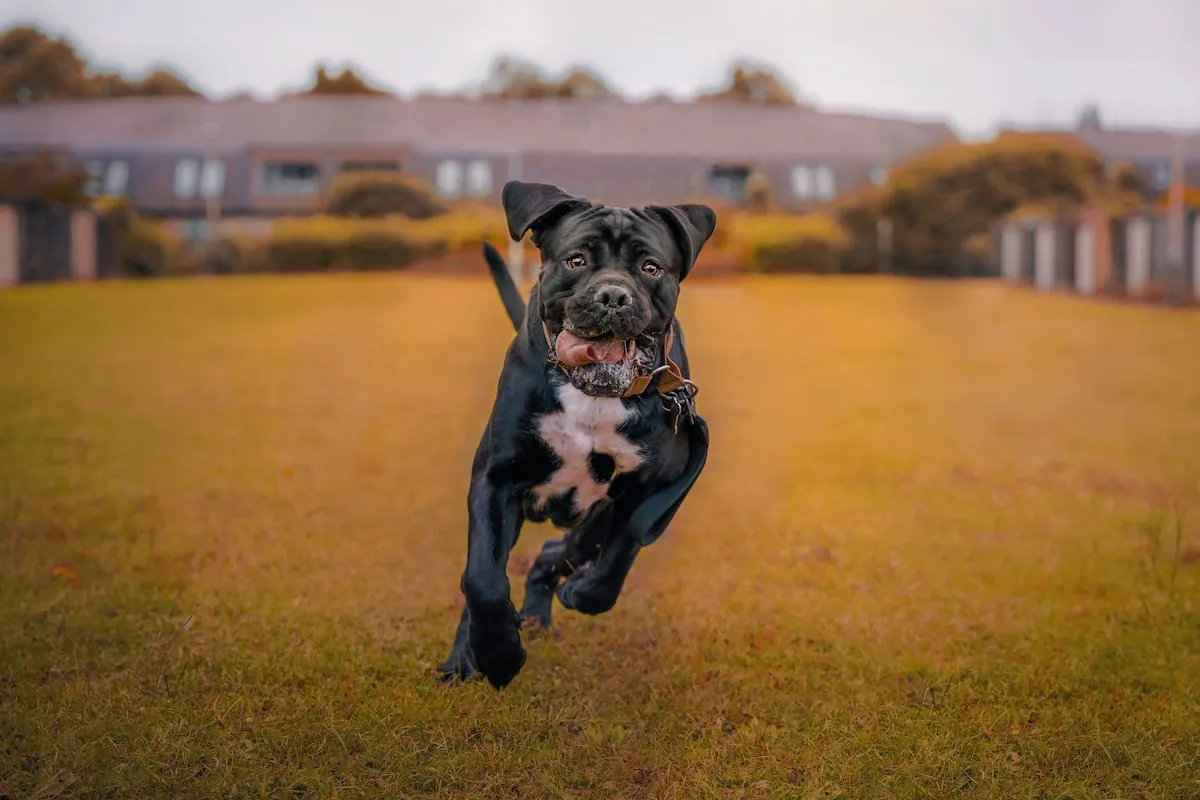
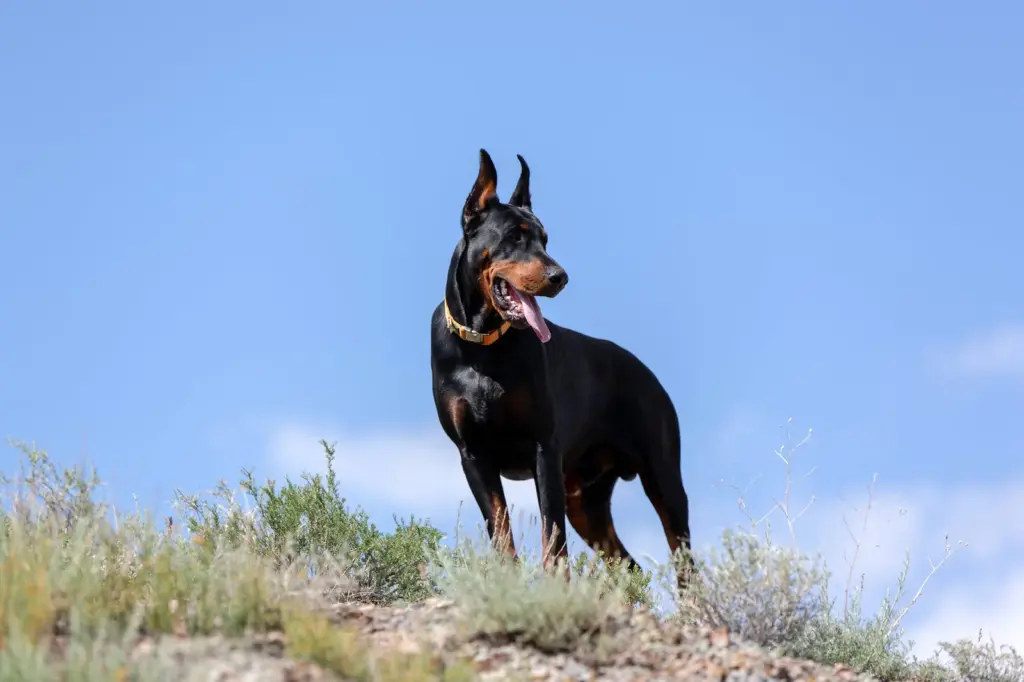
Even if you’re not afraid of dogs, a Cane Corso is likely to be a bit intimidating. Its 45 kilos guarantee unusual strength and robustness for the average animal. Even a casual brush or it putting its paws on your body to greet you could knock someone over. In that line of physical attributes are other breeds such as German Shepherds, Belgian Malinois, Caucasian Shepherds, or Dobermans. They are not considered potentially dangerous breeds (PPP), but experts do consider them trainable to be guard dogs; for our home, a farm, or a plot of land.
Read more ‘Ahead of the show’: Marc Giró, the pre-fascists and a bit of the usual
Owning this type of dog has become a trend. Footballer Marcus Rashford, fighter Franco Tenaglia, the influencer Kayla Itsines, basketball player Mirza Teletovic, model Katie Price, or singer Nyno Vargas show these types of dogs on their social media and walks. Many decided after robberies or other threats to their safety. “The profile of the person is wealthy, lives with family, and in a large house. Now I’m seeing higher demand,” says Juanma Morato, owner of X-Man, a Catalan company dedicated to breeding and training guard dogs for over 20 years. “The Cane Corso is already fierce by nature. It’s in its own DNA,” says the person who accustoms them to living with families.
The data supports the thesis. There has been a generalized —but slight— increase in the guard dog business in Spain in recent years. Two breeds stand out from the rest: Cane Corso and Doberman, according to data provided by the Royal Canine Society of Spain to EL PAÍS. The reason? “The increase in crime is concerning,” Morato replies on the other end of the phone. “In addition to well-known people, there are more interested middle-class individuals,” he reveals. Buying one of his trained Cane Corsos ranges between 6,500 euros and 15,500 euros, depending on the training time and pedigree.
Following the , general crime has increased from 2024 to 2025, but especially crimes related to cybercrime. Thefts, burglaries, and conventional crime in general have decreased. When presented with this data, Morato responds: “I don’t care what the Government tells me, I know insecurity is increasing. People are very scared.”
“We have a type of client who has reported abuse or some type of aggression,” comments Marga Dernoncourt from administration and marketing of Los Guardianes, a dog training school in Madrid specializing in Malinois shepherds. “They feel safer and more protected with the dog on the street. It’s enough for it to bark,” she explains. The trainer also emphasizes throughout the conversation that the guard dog should act as a warning, not an attack. “We train in obedience and socialization, but we also work with the owners, so they know how to use the guidelines. It’s like getting a driver’s license,” she explains. Her guard dogs range from 2,000 to 5,000 euros, depending on the intensity of the training.
Behind the belief that society is more insecure, there may be a certain bias. “The increase in the acquisition of guard dogs would be another sign of the state of social insecurity in which we live. Just as with anti-squatter alarms or the massive consumption of true crime on television platforms,” assesses Luis García Tojar, Professor of Sociology and Communication at UCM.
Official data on conventional crime has been slowly but steadily falling in Spain for some time. “We perceive our environment as more dangerous than it really is. Or to be more precise, we look for danger where it isn’t,” Tojar assesses. Why is the feeling of insecurity more acute? “Media overexposure to crime news, the security industry —such as burglar alarms— and the weakening of collective protection networks among communities,” he replies. And in the face of that, a guard dog offers a sense of control.
Read more Rich forever and stagnant poor: income mobility in Spain gets stuck at the extremes
They are not PPP, but you have to be alert
These breeds are not on the BOE list of potentially dangerous dogs, but they do meet the physical characteristics necessary to be considered breeds to be alert about. While developing a more or less aggressive character will depend on their owner and good training, as with PPPs, it is recommended to use a leash, muzzle, take out civil liability insurance, and never walk more than one dog of this category at a time.
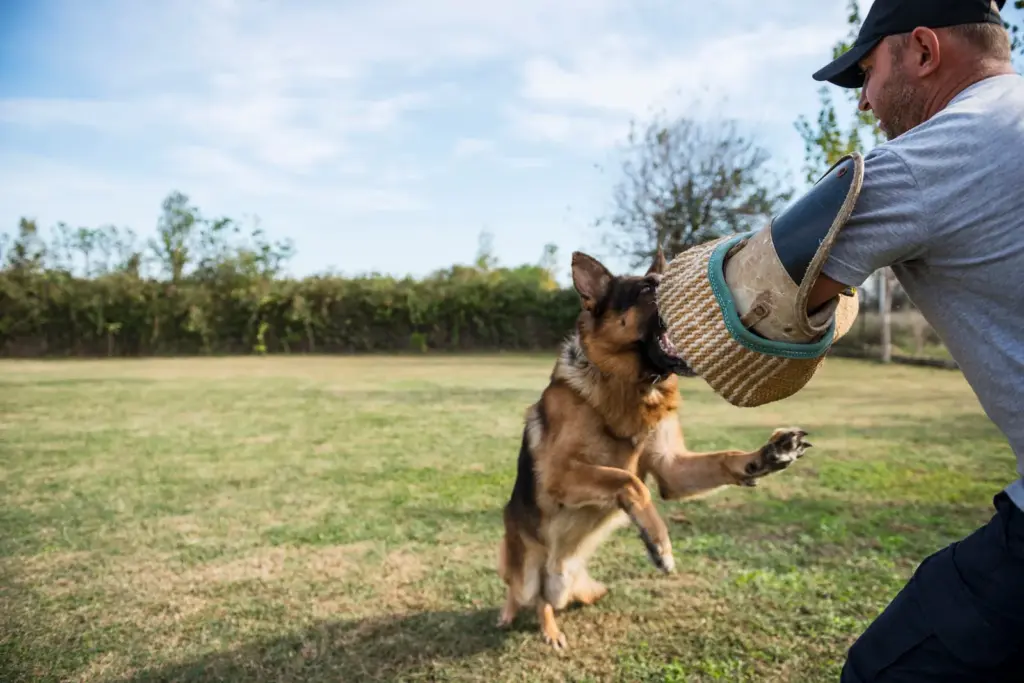
They don’t need permits or psychotechnical exams. They are legally ambiguous breeds: they are stronger than average and are used as working dogs to protect facilities, but under the law, they are exactly the same as any other dog. And the danger in daily life is real. If they are not well trained and the owner does not treat them as they should, they can attack a delivery person or a visitor. “The owner’s responsibility is vital with these breeds,” warns Dernoncourt. “I have even refused Malinois sales if I saw that the client was not prepared for the breed,” she adds. She, she says, always asks beforehand about the need for the dog. But whether someone has legitimate reasons to acquire one of these guard dogs remains, to a large extent, at the discretion of individual breeders and trainers.
Dernoncourt recommends applying a civil liability insurance policy to these dogs, “the most specific one possible,” she clarifies. Standard home and pet policies often exclude dogs trained to bite, exposing owners to financial and legal costs if that happens. “Even if you have insurance, you have to put a sign outside the house every 10 meters warning: ‘Entry at your own risk, beware of the dog,’ and you must alert a delivery person if they are going to enter,” she explains.
View this post on Instagram
“Do you want a socialization dog, a working or guard dog, or a family dog?” Dernoncourt questions. “The dog has to get along very well with the people in the house, but with outsiders, it’s better to have it in another room. If you want a sociable pet, you have to do another type of training,” she warns. She teaches them to bark with a password, not to attack, but insists on the owner’s commitment: “There has to be good advice behind it. All breeds are trainable, but you have to work with it and know what you’re buying. What I don’t want is for them to be returned later or, worse: sacrificed.” Morato agrees: “A Cane Corso is not a breed for just anyone. It requires a lot of effort and you have to be careful. It’s very important to socialize them from a young age.”
It is not advisable to have any of these breeds as a first pet. “They are not easy to handle and can be irresponsible and dangerous if they fall into the wrong hands. They should not be used for illicit purposes,” warns Claudia Blanco, from the National Association of Friends of Animals. “That’s why we teach the dog to alert to notify emergency services, not to attack first,” Dernoncourt clarifies.