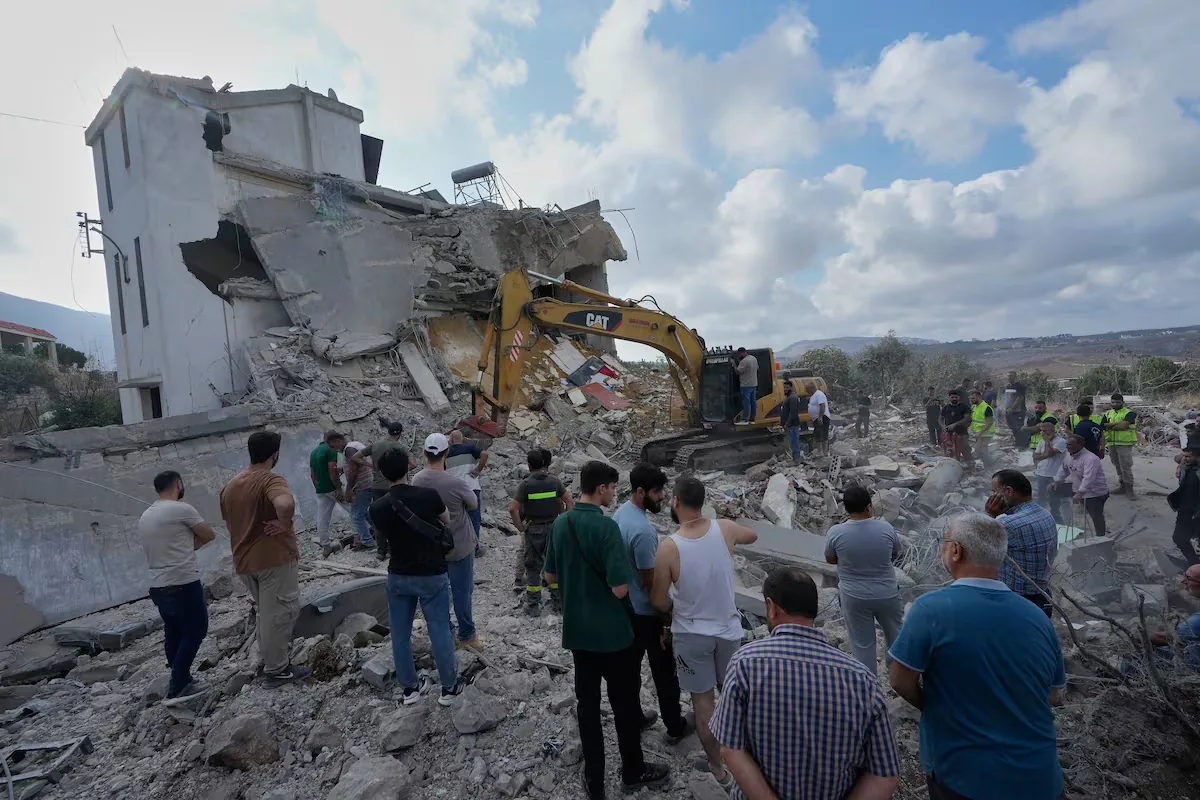
At least four people died this Sunday in Israeli bombings in southern Lebanon, despite the fragile truce in effect since March, the Ministry of Health in Beirut reported. According to the Israeli army, the attacks were in response to drones sent hours earlier by the pro-Iranian militia Hezbollah against its soldiers.
Read more “And never returned”: the mothers who blindly search for the disappeared of El Salvador
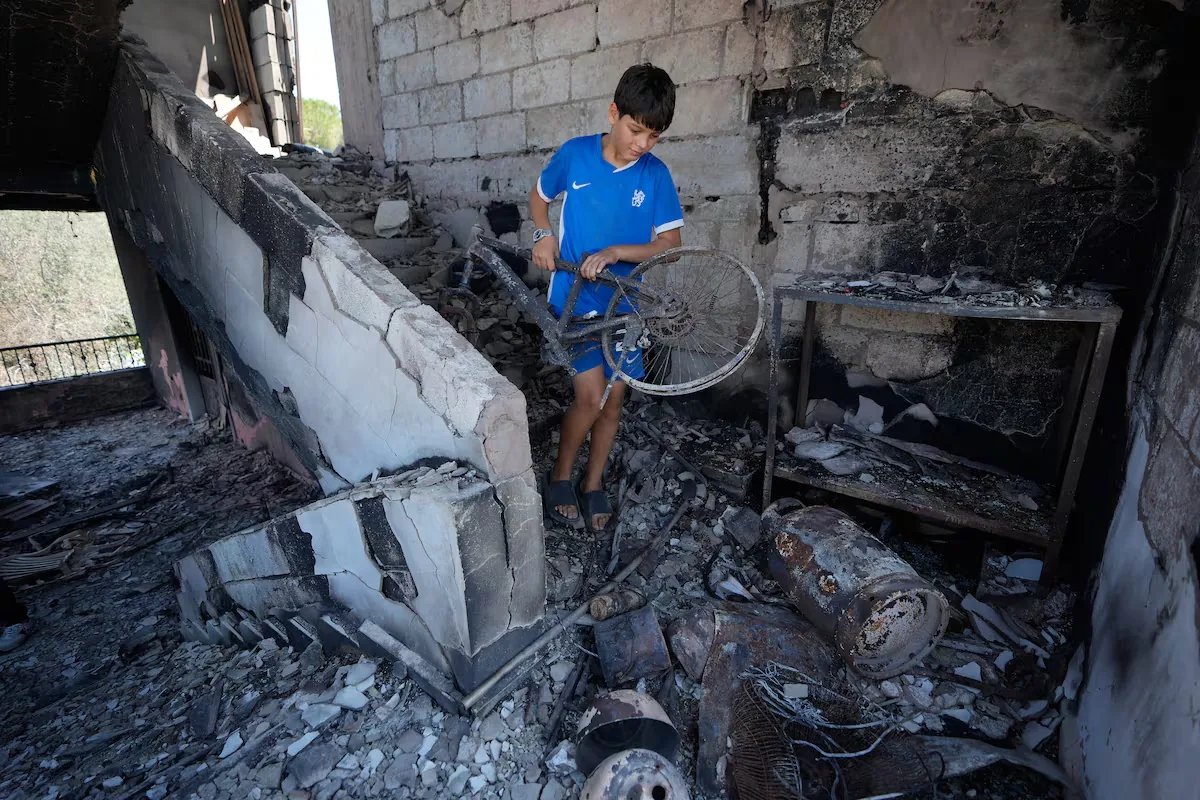
Two men died at the border of the area occupied by Israeli troops and two women in the village of Arab Salim, where the Israeli army issued an evacuation order early in the morning for the areas surrounding a building it was going to bomb, arguing that it was used by Hezbollah. In addition, at least six people were injured in these attacks, Reuters reports, citing sources from the Lebanese ministry.
“Hezbollah terrorists launched two drones against soldiers operating in the security zone of southern Lebanon,” the Israeli army said in a message on its social networks, explaining that the military shot down one of the drones. “In response, the IDF (Israel Defense Forces) are carrying out attacks in southern Lebanon,” the message adds.
The army reiterated that its forces will continue operating in the Lebanese area “to eliminate any threat against Israeli civilians and military personnel,” EFE reports.
Read more Love as public policy
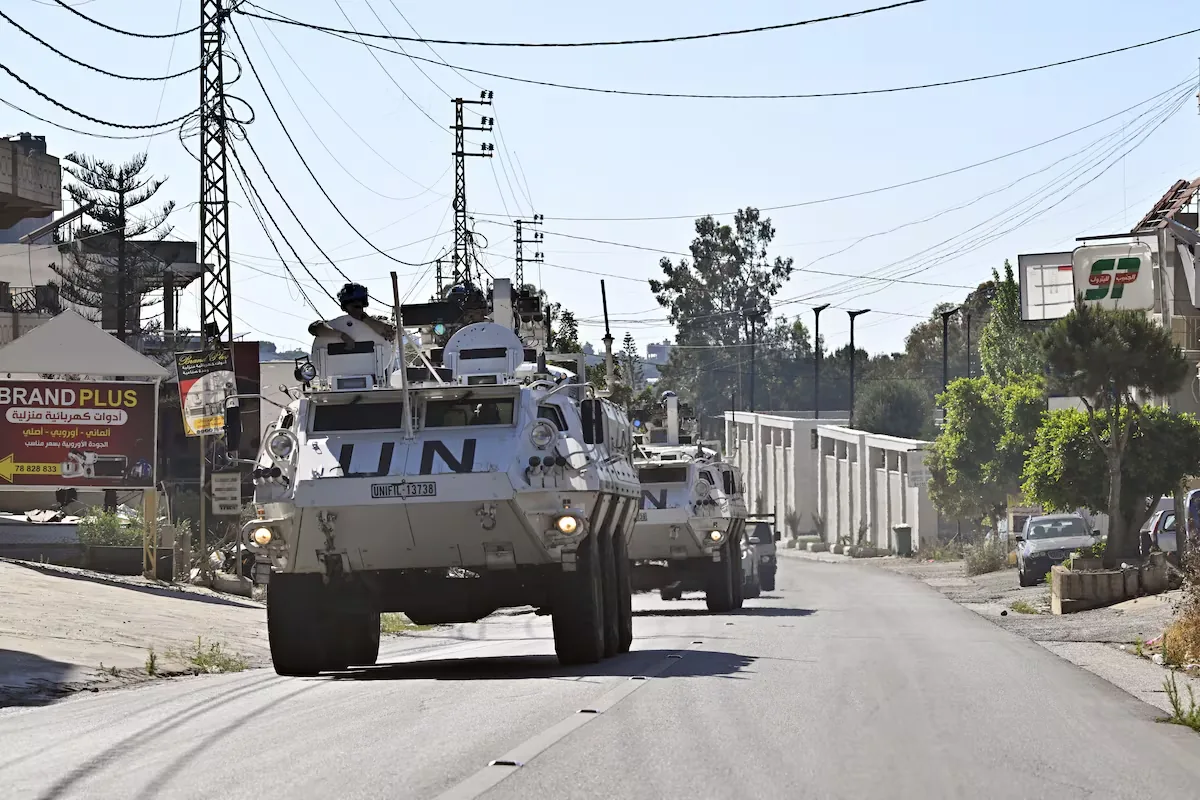
The Lebanese militia has not commented on the matter so far. Attacks in this region continue despite the truce reached in April and the agreement sponsored by the United States in June. The pact seeks the disarmament of Hezbollah and the complete Israeli withdrawal through parallel progress by both parties in “pilot zones,” which the Lebanese army must clear of weapons and militiamen.
According to figures from the Lebanese Ministry of Health published last Friday, Israeli attacks have resulted in 4,353 deaths and more than 12,000 injuries since March 2.
Additionally, according to the International Organization for Migration (IOM), more than 300,000 people remain forcibly displaced, as Israel continues to occupy 620 square kilometers (6% of Lebanon) in the border area.
Read more In Panama, there is plenty of water, but it is missing from the taps