





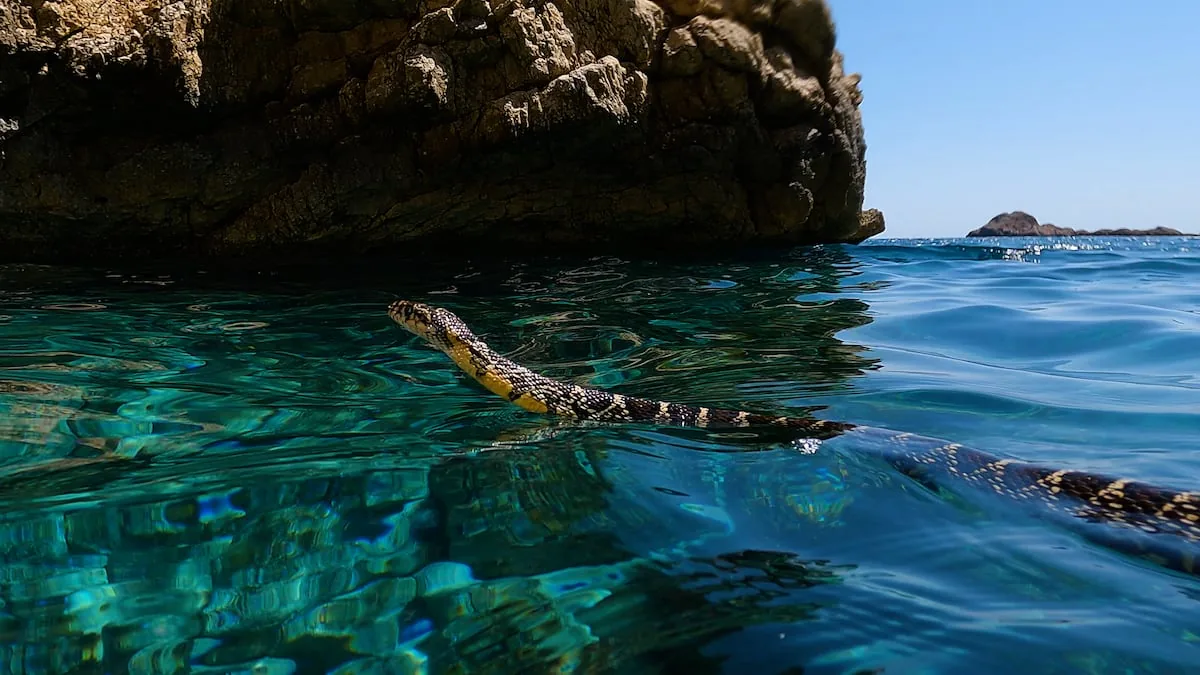
At first, it sounded implausible: terrestrial snakes suddenly jumping into the sea by themselves in Ibiza to seek out islets where they hunt. However, there was increasing evidence through testimonies from fishermen, local residents, tourists… Now, a team from the Center for Ecological Research and Forestry Applications (CREAF) has scientifically documented this behavior for the first time in the journal Ecology, providing a recording of a snake arriving by sea to the islet of Santa Eulària, 430 meters east of the coast of Ibiza.
Read more Trump to Xi, about the war in Iran: “We feel the same, right? We want this to end”
These sea crossings by horseshoe snakes (Hemorrhois hippocrepis) are as astonishing as they are disturbing, as they spell doom for another reptile of exceptional value: the Pityusic lizards (Podarcis pityusensis). This other species, considered a very special case due to its enormous color diversity depending on its distribution, only lives in this area of Ibiza, Formentera, and nearly forty surrounding islets worldwide. Represented in many forms in souvenir shops as a cultural icon of the islands, these lizards have gone from having very abundant populations to being wiped out from much of their habitat by the invasive snakes. According to CREAF scientists, their extinction has already been confirmed on 10 islets, including Santa Eulària, the place where they recorded a snake arriving by sea in 2024. “Each islet has an evolutionarily unique lineage of lizard, but many of them have already disappeared, lost forever,” emphasizes Oriol Lapiedra, CREAF researcher and study author, who has been monitoring this invasion for six years.
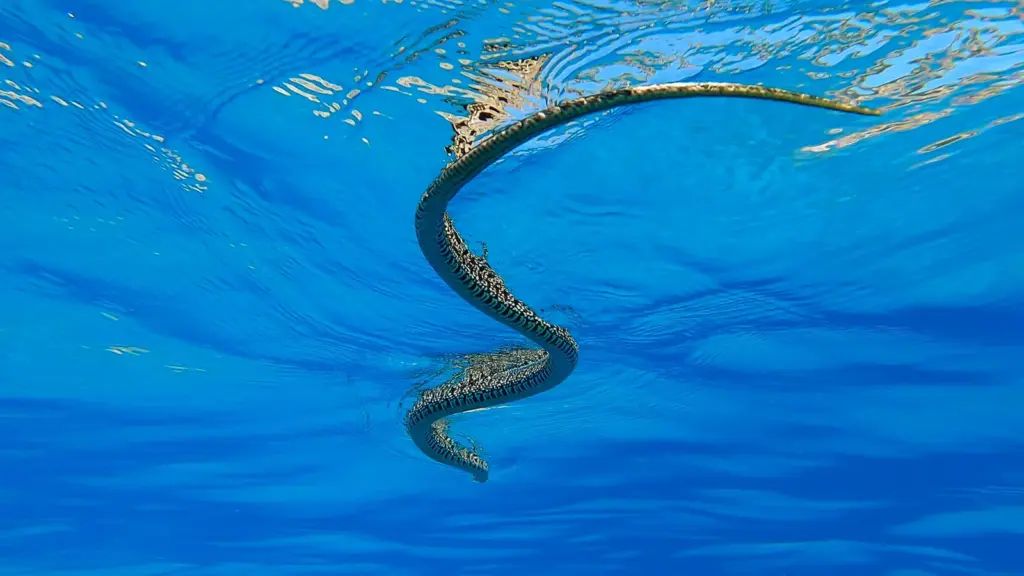
For this scientist, beyond how incredible it is that the snakes swim “actively” to reach other islets, the question is why a terrestrial animal throws itself into the sea and moves away from the coast. As he explains, “something unique about this research is that we know very well where and when it all started, which allows us to study the dynamics of invasive species, in this case, a superpredator.” “And we are seeing it in real time.”
The first observations of horseshoe snakes in Ibiza date back to 2003, in nurseries that brought olive trees from outside the Balearic Islands. The snakes are native to the Iberian Peninsula and North Africa, where they do not cause such a negative impact and where swimming has never been reported. The problem arises when they arrive in an ecosystem without predators, with an abundance of lizards that are not used to having to escape.
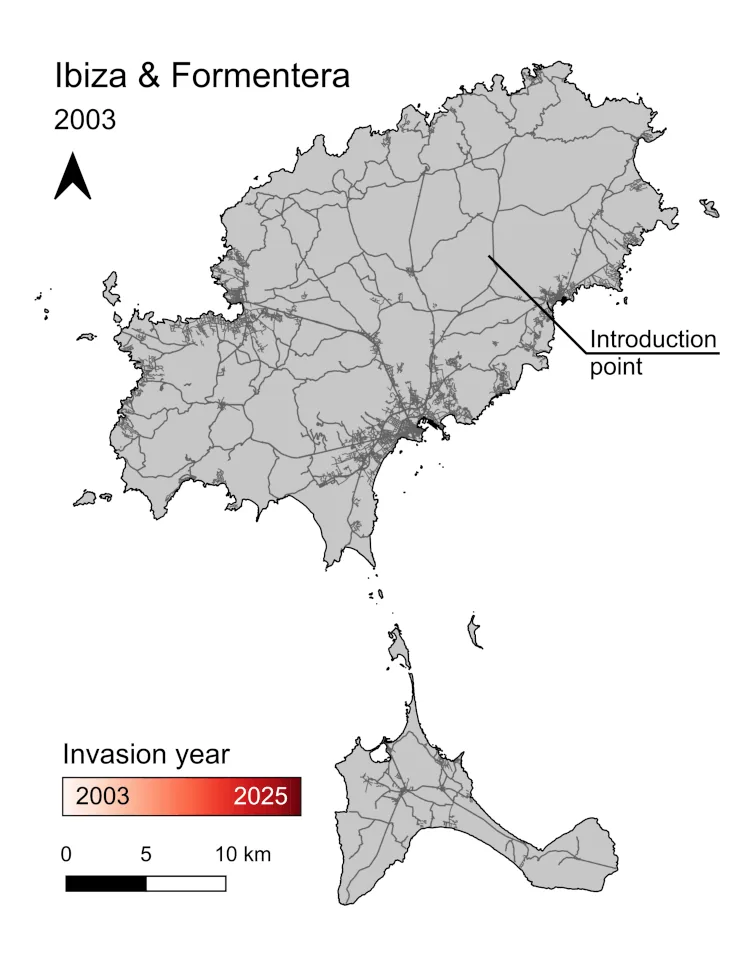
In another yet unpublished work, CREAF researchers conclude that the snakes’ leap into the sea is related to how they colonize the territory. “At first, with no other predators, the snakes find a completely free buffet, they can grow a lot, and a pattern like an invasion front is generated, like in wars,” Lapiedra details. “They sweep everything, advancing as they finish the food, until they reach the sea. It is then that they reach a point where, driven by hunger, some snakes jump into the water and go looking for the islets,” he comments. “Obviously, they are a minority, but it is not anecdotal, it is not just one that has swum once to an islet; as far as we know, so far they have colonized between 12 and 15 islets and probably repeatedly.”
Read more Taiwan, the island that threatens to spark a crisis between Xi and Trump
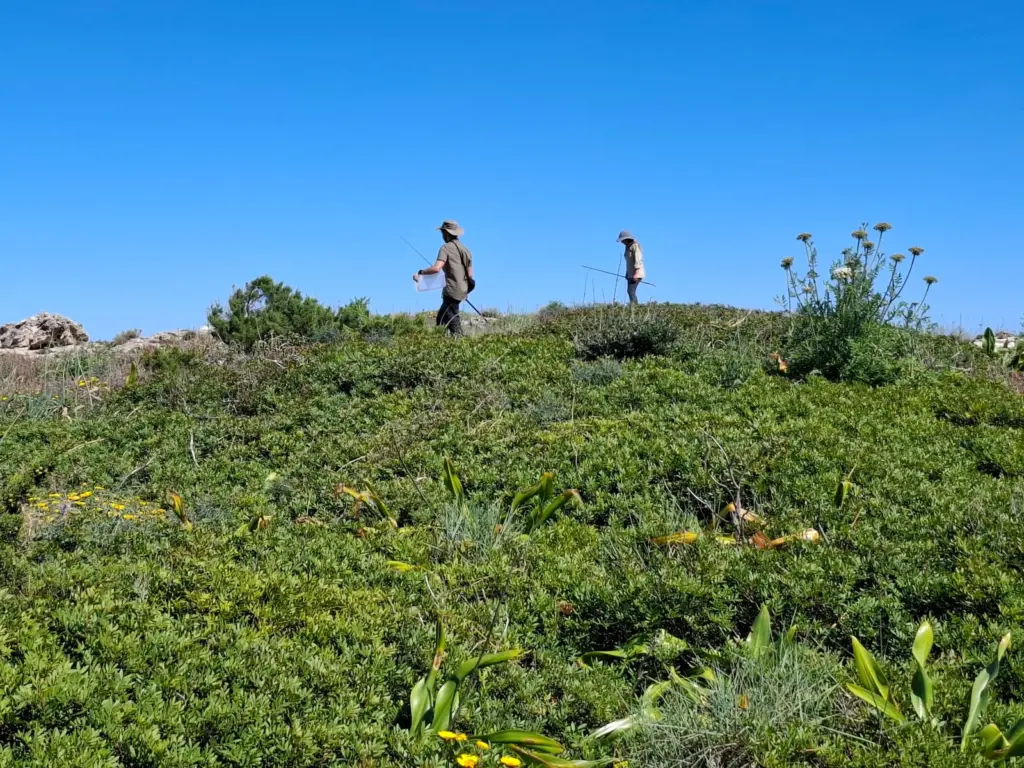
Despite intense efforts to control this superpredator, with the removal of more than 12,000 snakes since 2016, it is estimated that they are already present in 90% of Ibiza and continue colonizing islets. The invasion is not only not stopping but intensifying. “We have confirmed that the wave is growing, as the snakes multiply, which means that for populations colonized more recently, the wave impacting them is bigger,” details the CREAF researcher. “At the beginning of the expansion, when a snake reached an area of Ibiza, the lizards took eight to ten years to disappear, but now when it reaches a point at the other end of the island, the time for complete eradication is two to three years.”
The way to know if the snakes have reached an islet is by placing traps. Once they arrive for the first time at one of these rocky areas, it is difficult to protect the lizards. Therefore, specimens are being captured against the clock to be safeguarded at the Barcelona zoo, awaiting the definition of a longer-term strategy. As Lapiedra explains, who is helping to set priorities in captures, there are already specimens (three males and three females) from two populations of Ibiza, one from Formentera, and five from islets at the Barcelona facilities. “This is like Noah’s ark,” emphasizes the researcher. “Beyond the scientific, personally, it is hard to decide when to take some specimens, knowing that the rest are doomed.”
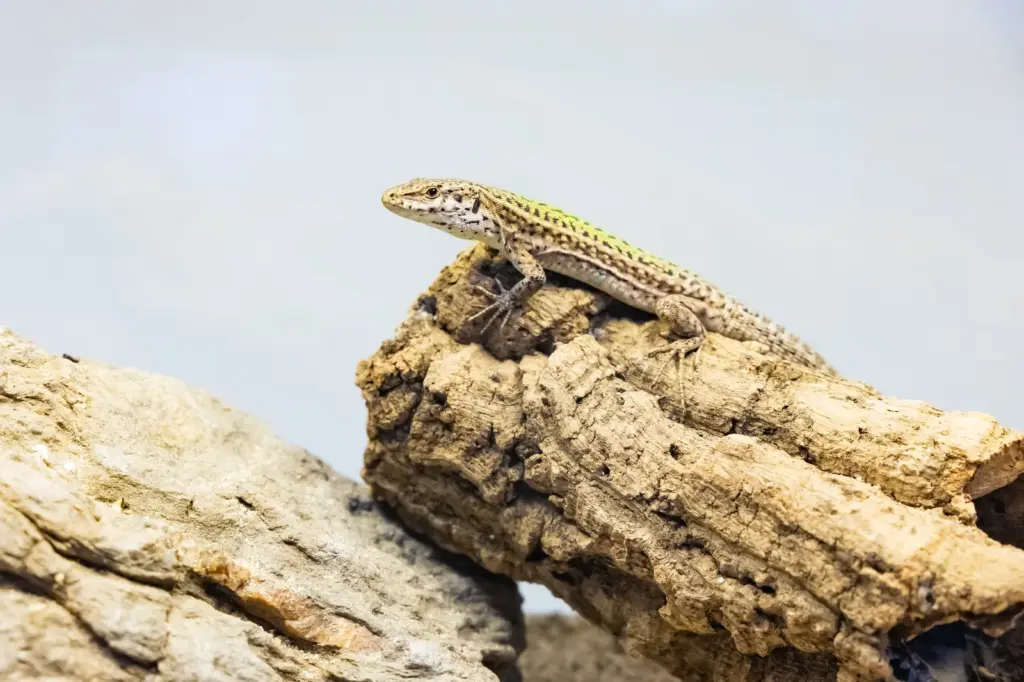
From an ecological point of view, the disappearance of the lizards entails a great impact. “An ecosystem is like a house of cards, if you remove one from the top the structure holds, but if you remove a central piece, as is the case with the lizard, there is a higher chance it will collapse,” details the CREAF researcher. He emphasizes that since this species was the only terrestrial vertebrate on the islands for a long time, its role in the house of cards is especially important. The lizards help control insects but also contribute to pollination and seed dispersal, influencing the ecosystem’s dynamics. “Something seemingly insignificant like a lizard, besides being a cultural icon, has very powerful consequences for the biological community and can have economic effects, for example, in areas like agriculture, due to the appearance of pests,” he underlines.
News about the invasive snakes can also have other unexpected effects. As the scientist stresses, these snakes are not venomous nor dangerous to humans. However, as he explains, very alarmist articles have been published in the British press about the snake invasion, and there have been reports of horrified vacationers considering canceling their holidays. “It is hard to know if tourists have stopped coming to the islands, but many people are afraid of snakes,” he comments.