






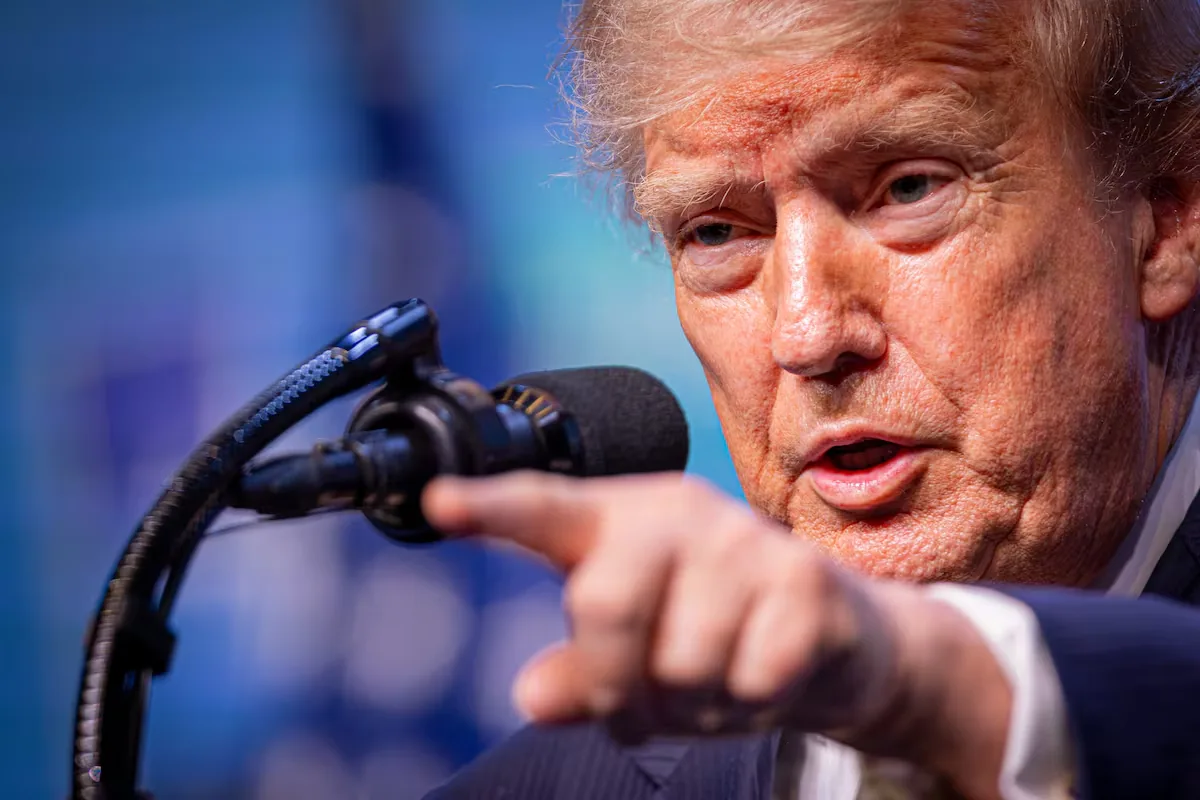
United States President Donald Trump stated on Monday that his country will “probably” become the guardian of the Strait of Hormuz, a bottleneck in the Persian Gulf through which one-fifth of global hydrocarbon trade passes and which has been intermittently blocked since the beginning of the war in Iran, at the end of February.
Read more The EU places the Kremlin’s intelligence services behind multiple cyberattacks in Europe
“We are going to keep [open] the strait and probably manage it. We will become the guardians of the strait. Maybe we will call ourselves the ‘guardian angels of the strait.’ And we should charge for it,” Trump said in a brief phone interview on Fox News’ morning program, Fox & Friends, one of his favorite forums, due to the kindness of its hosts towards him.
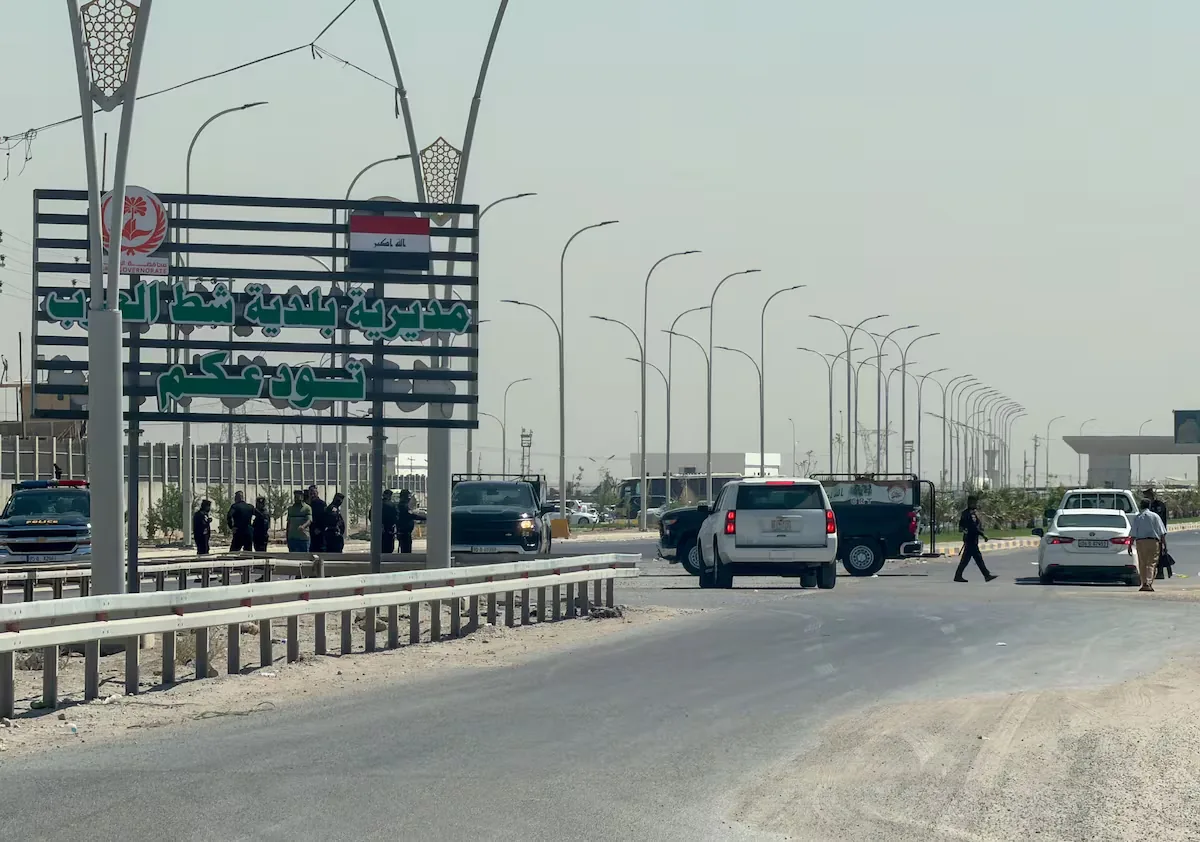
Control of this maritime route remains one of the main points of friction between both sides as the war, with its truces and ceasefires, approaches its sixth month. Iran was the first to impose a de facto blockade on the strait. To this, the blockage imposed by the United States in early April was added.
The future of Hormuz is key in the talks to reach a peace agreement, which last week derailed again with three new waves of cross-attacks between the enemies. Its blockade has driven up oil prices, also raising gasoline costs in the United States. It also threatens to worsen inflation worldwide.
“We are going to watch it. We are going to charge for watching it: a lot of money,” Trump assured the conservative network’s hosts, in one of his usual arguments that he does not support with evidence or concrete plans. It was also unclear to which “other nations,” “very rich,” he was referring when he proposed receiving “compensation” from them. “They are on our side and you can’t expect us to do that for free.”
Dozens of messages
The President of the United States soon began sending dozens of messages on his Truth Social account. His output was a mix of excerpts from interviews with like-minded figures, such as Bill O’Reilly or Jack Posobiec, flattering towards him; news from weeks ago about his rallies or arrests of undocumented immigrants; attacks on Democrats like the two Senate candidates James Talarico (Texas) and Jon Ossof (Georgia); and even a racist study that would supposedly show that he would have won in every district in the country except one if only those with “American ancestry,” whatever that means, had voted.
Read more The heatwaves in May and June caused more than 2,700 deaths in the United Kingdom
On Sunday, Trump made another television appearance to pay tribute to his ally Lindsey Graham, senator from South Carolina, who died suddenly on Saturday. Hours before his death, the Republican announced the closure of Hormuz, in light of what he considered an “unauthorized transit” through those waters.
The Iranian regime responded on Sunday by maintaining its blockade, which they will only lift once “stability and calm” are restored. On Monday, Trump again promised to “hit Tehran very hard” if they continue breaking the “closed deals.”
The Iranian Revolutionary Guard stated on Monday, in a statement reproduced by Reuters, that the only way to restore normal maritime traffic through the strait is to end U.S. military interventions. “Continued interference could lead to more serious incidents in the global oil and gas sector,” Tehran threatened.
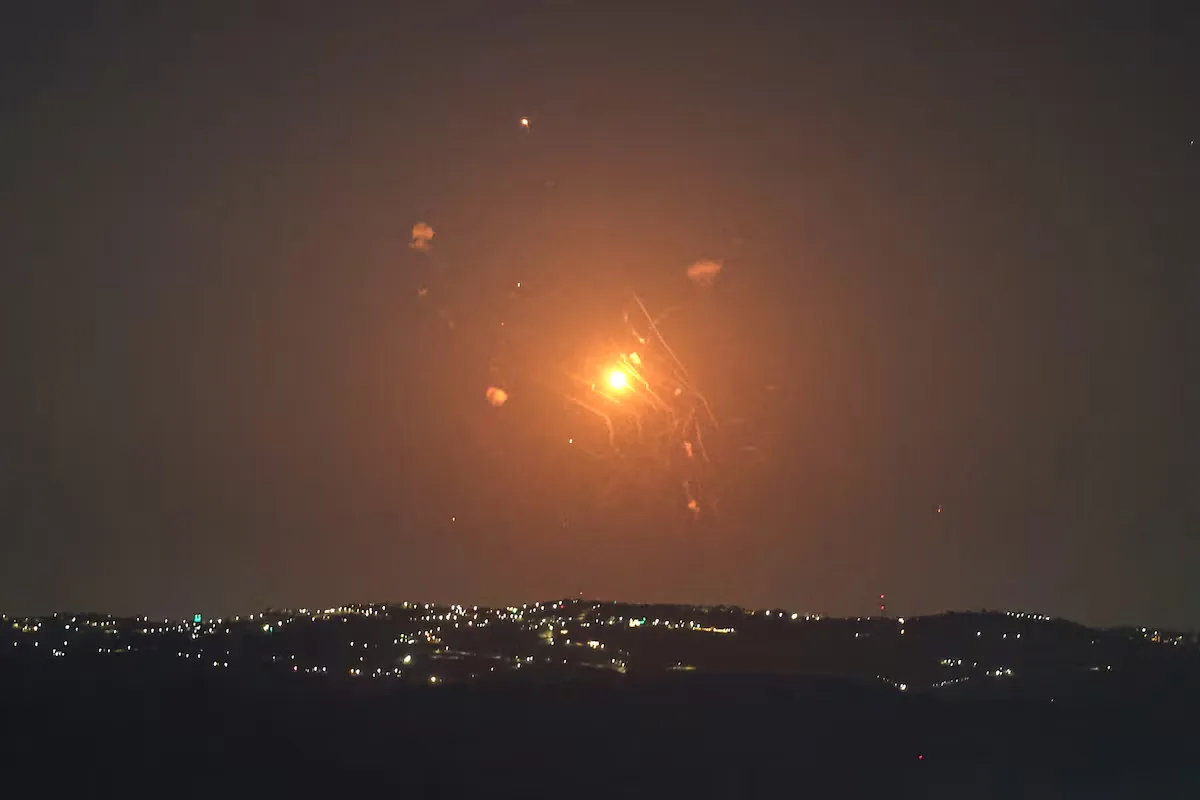
The exchange of accusations and cross strikes leaves a difficult-to-define situation: an escalation that closely resembles a war but which the parties do not recognize as such. The missile and drone attacks over the weekend have pushed oil prices up, which had fallen in the previous days.
Meanwhile, the future of the pact signed between Washington and Tehran last month remains uncertain. That preliminary agreement theoretically brought an end to hostilities and the reopening of Hormuz so that the parties could have 60 days to negotiate a definitive peace framework.