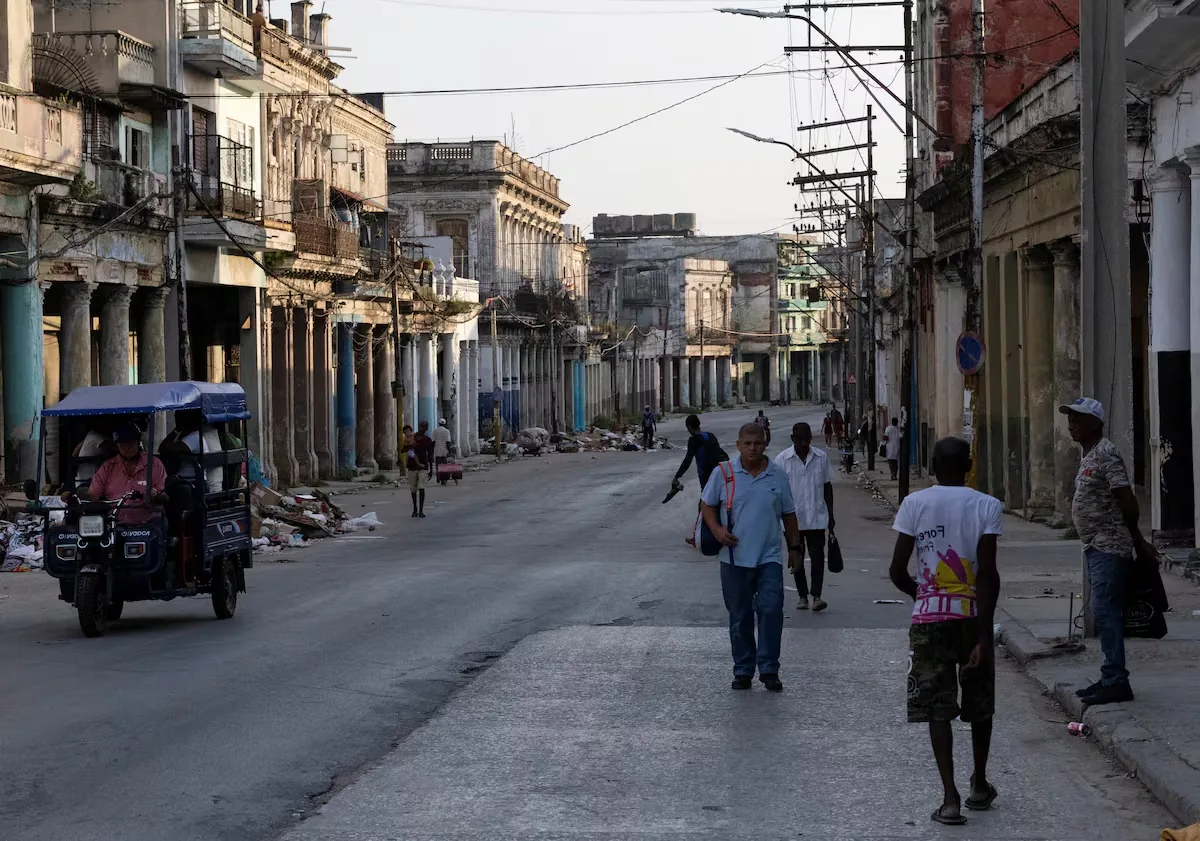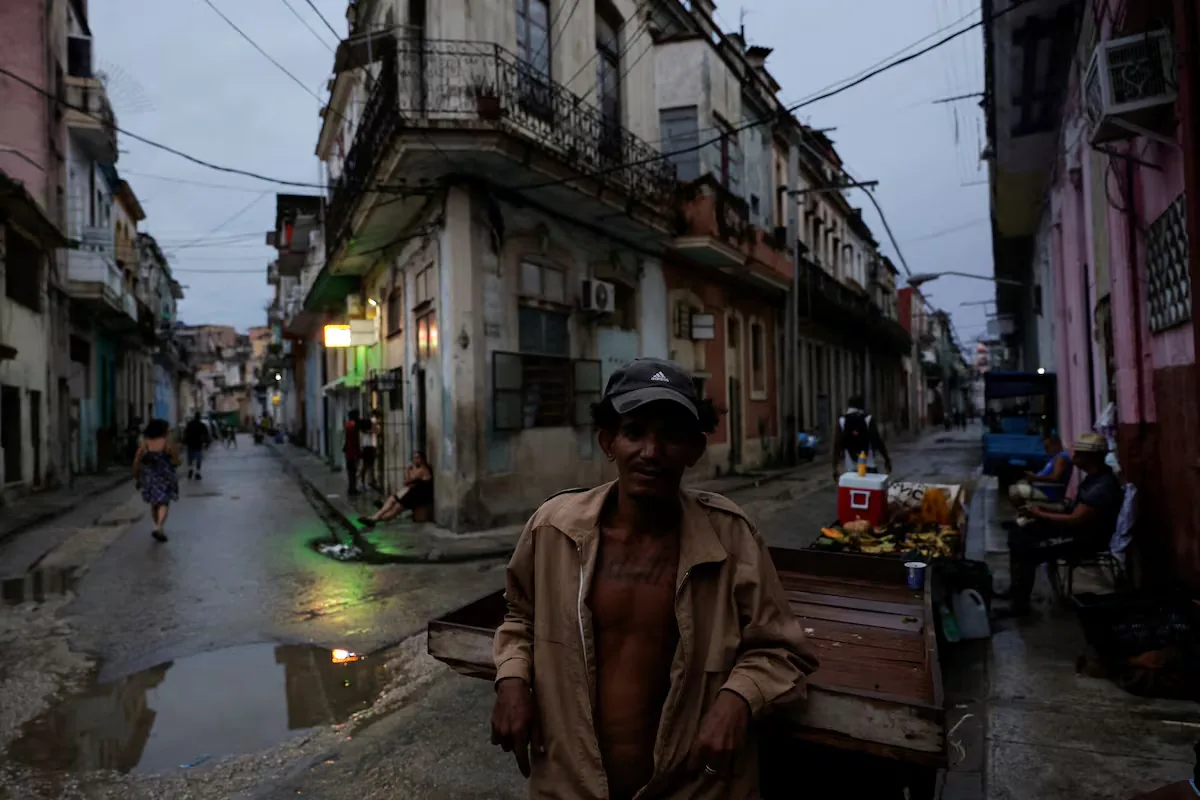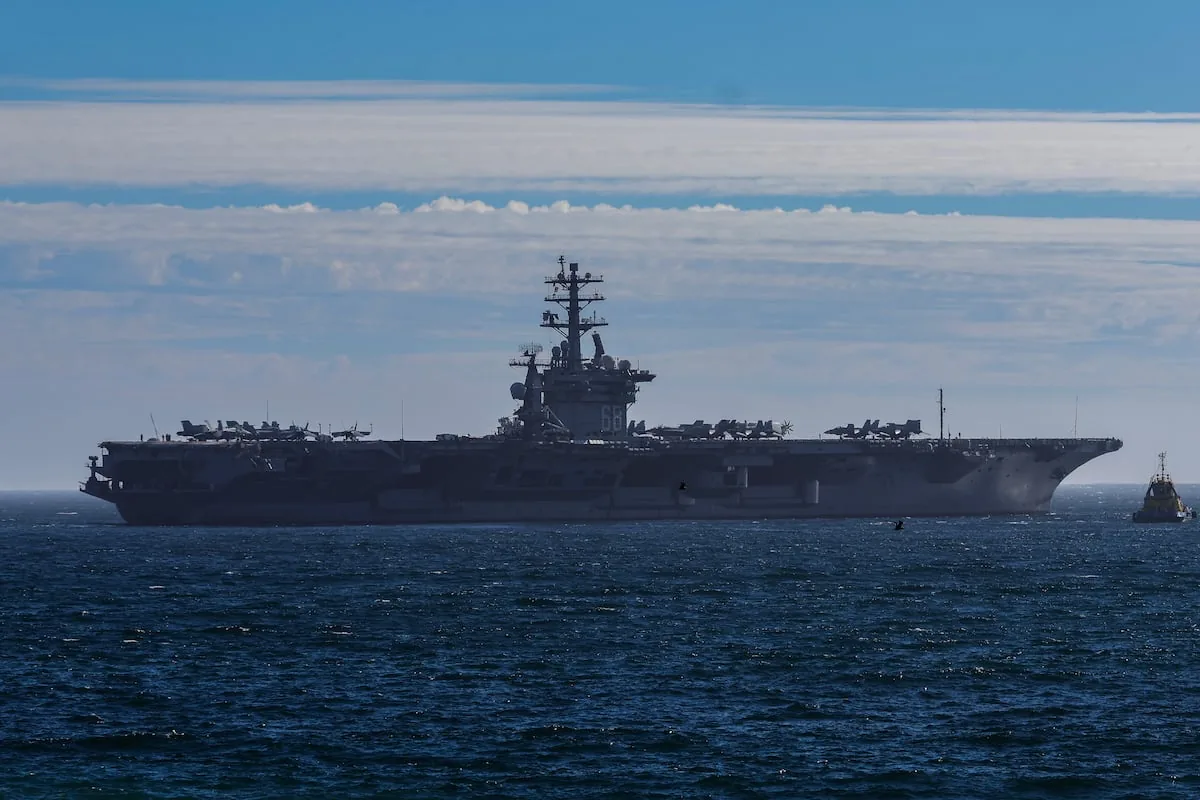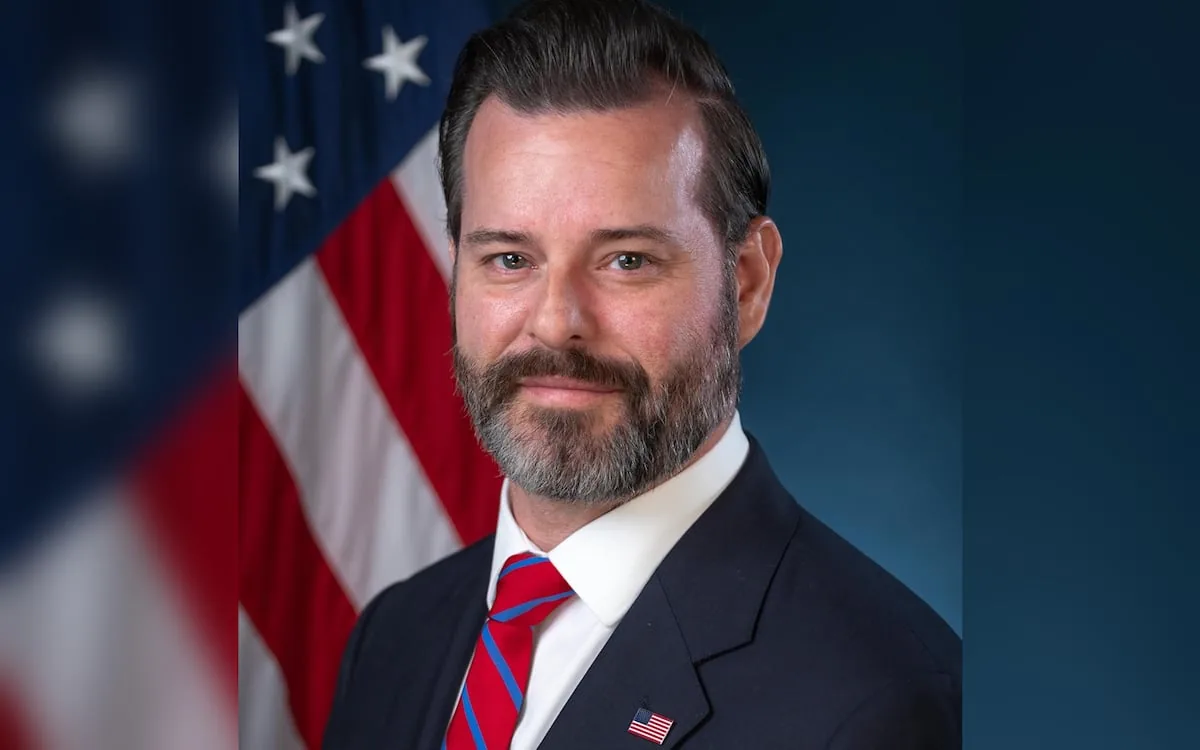








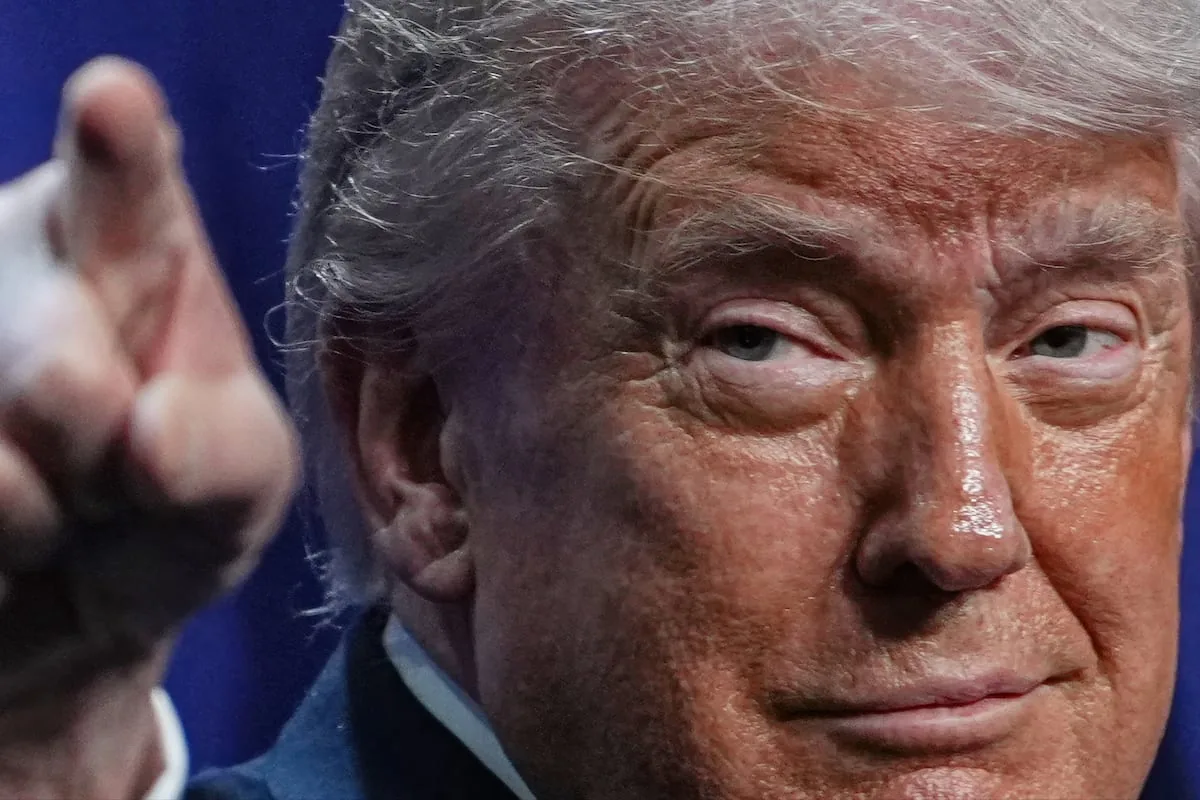
The President of the United States, Donald Trump, has raised the tone of threats to Havana and said that his country “will take Cuba almost immediately,” during an event in Florida this Friday. “When I return from Iran, maybe we will make the aircraft carrier SS Lincoln disembark and then they will surrender,” he said in reference to the Castro regime. His statements once again put the future of the island in the presidential crosshairs.
In his comments at a private dinner of the Forum Club in the town of West Palm Beach, Trump clarified that this supposed “taking of Cuba” will not happen until he has claimed victory in Iran and reached an agreement to end the war. “We will finish this one first, I like to finish jobs,” he stated.
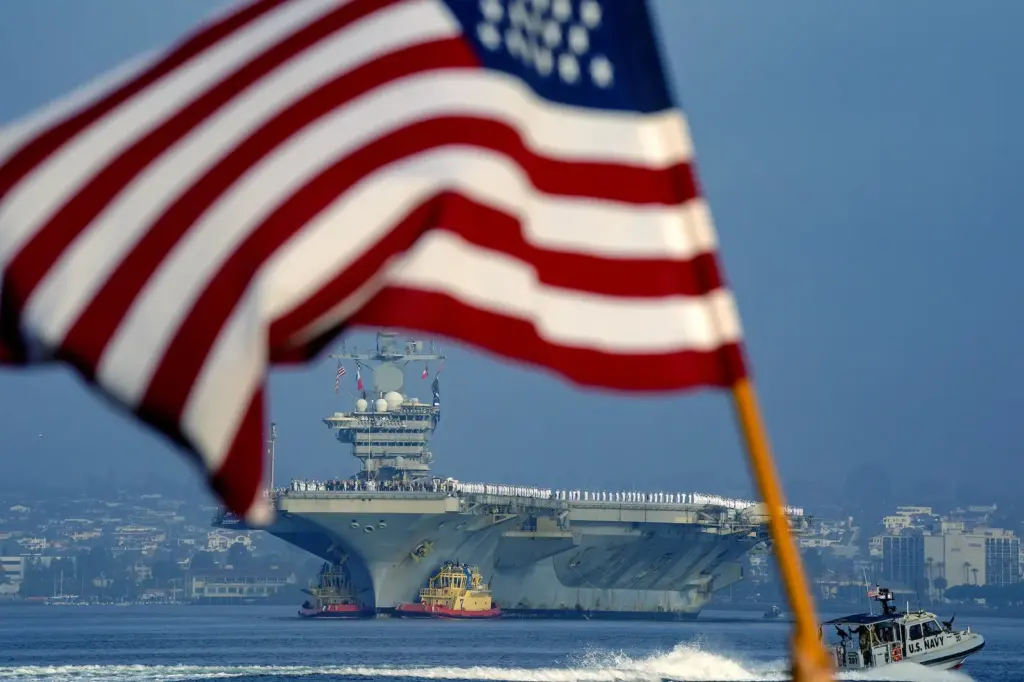
“Upon our return, what we will do when we come back from Iran is send one of our aircraft carriers, perhaps the Abraham Lincoln, the largest in the world [president’s error: the largest is the Gerald Ford], we will make it approach, stop 100 meters from the shore and they (the Cuban regime) will respond, thank you very much, we surrender,” he boasted in a speech during the dinner.
The Republican’s comments come hours after the White House published an executive order in which Trump toughens and expands from this very Friday the already very harsh sanctions that his country imposes against the Cuban Government. Now, these types of measures will be directed against “foreign or American” persons who engage in activities that generate foreign currency income for the island.
The new measure complements the energy embargo that Washington has imposed on Havana since January 29, also through an executive order and through the threat of secondary tariffs and sanctions.
“The policies, practices, and actions of the Government of Cuba (…) continue to constitute an unusual and extraordinary threat, originating totally or substantially outside the United States, to the national security and foreign policy of the United States,” states the executive order signed by the president. “They are not only designed to harm the United States, but also are repugnant to the moral and political values of free and democratic societies,” the document says.
The announcement was made as Trump traveled to Florida, where the Cuban-American community has a strong presence and significant political influence, to participate in an event promoting his economic policy for retirees in the town of The Villages.
The new measures, which do not mention any particular person, focus on the basic sectors of the Cuban economy, especially mining, financial services, energy, and defense. Any person or company that engages in activities in these sectors or does business with the Cuban regime will suffer the total blocking of their assets in the United States. And if a bank from another country facilitates a “significant transaction” to any of those affected, it will face the freezing of its accounts on Wall Street or the prohibition to operate in dollars, among other punishments.
The executive order goes much further than before. It not only punishes members of the Cuban Government but also businessmen, officials, or individuals at any level who participate in the sanctioned activities: it is a measure that potentially extends penalties to a good percentage of the Cuban population. The relatives of those punished will also be affected.
Those included under these criteria will also not be able to travel to the United States, unless Secretary of State Marco Rubio rules that their presence would be necessary for Washington’s national interests.
The sanctions will take effect immediately, “due to the ability to transfer funds or assets instantly, which according to the Trump Administration would allow evasion if there had been prior notification.
The measures have been announced in parallel with a new round of U.S. sanctions against Iran, as Tehran has presented its third proposal to end the war, and against trade between the theocratic regime and China.
On several occasions, Trump had already suggested that once the war in Iran — for which no end is yet in sight — is concluded, he will turn his attention to Cuba, whose regime he has repeatedly assured is economically in its last days and about to fall. The U.S. Government maintains contacts with representatives of Havana and has on several occasions hinted, with Marco Rubio — son of Cuban immigrants — at the forefront, that it is considering a regime change on the island.
The executive order sparked joy among several Cuban-origin Republican congress members in Florida. Legislator María Elvira Salazar wrote on the social network X: “I praise the Trump Administration for taking decisive action and expanding sanctions against this dictatorship. The era of appeasement policy is over: we will not allow a regime aligned with our enemies to operate just 150 kilometers from our shores.”