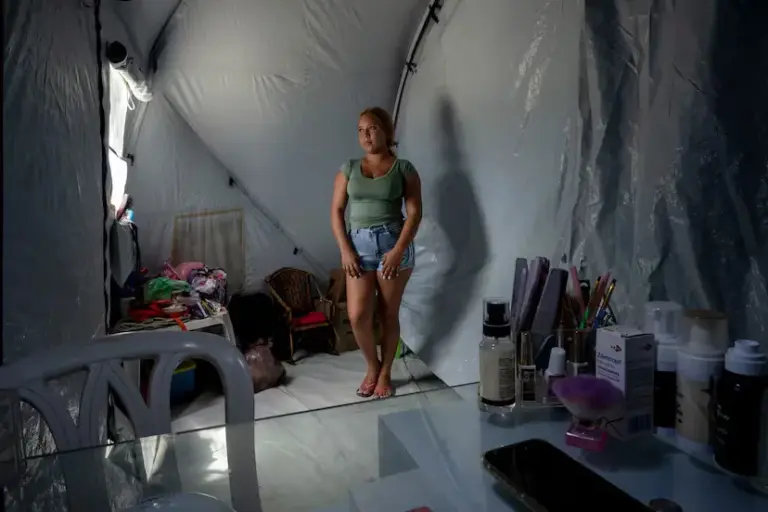
Two weeks after losing her home and hair salon, Alejandra returned to work. She did not do it in a rebuilt location, but under a tent set up in Playa Verde, in Catia La Mar, the epicenter of the second earthquake that struck La Guaira last June. There she set up a small manicure and pedicure stand to serve her neighbors. “I set up my tent to offer my services to the community. With work, we can recover, and we can also help the community in this very difficult moment,” she says.
Read more The Bluetooth label maker that will save your back-to-school: put a name on everything in seconds
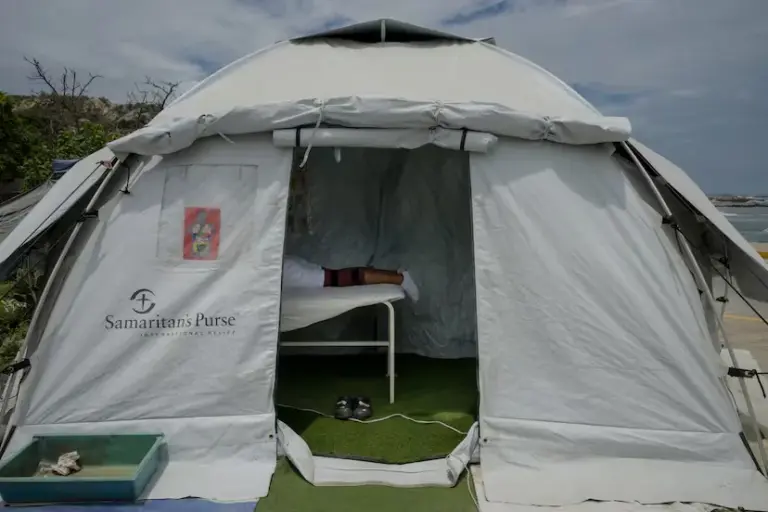
Alejandra offers her services at low prices and, when she can, for free. A few meters away, her cousin, Jhonny Moisés Acosta, provides physiotherapy on a collaborative basis. Both were able to set up their stations thanks to donations of tables, lights, work materials, a stretcher, and two tents.
Alejandra and her cousin’s tent is a small image of a huge problem. Two months after the double earthquake, La Guaira is trying to restart an economy that still operates far below its capacity. Tourism has practically stopped, thousands of businesses remain closed, and many of the establishments that have reopened do so around the needs created by the emergency.
On July 23, the governor, Alejandro Terán, reported that a first census said that only 1,752 businesses are operating out of the nearly 7,000 that existed before the earthquake. The projections are also severe: economist Asdrúbal Oliveros estimates that economic activity could contract between 55% and 70% during the third quarter of 2026 compared to 2025.
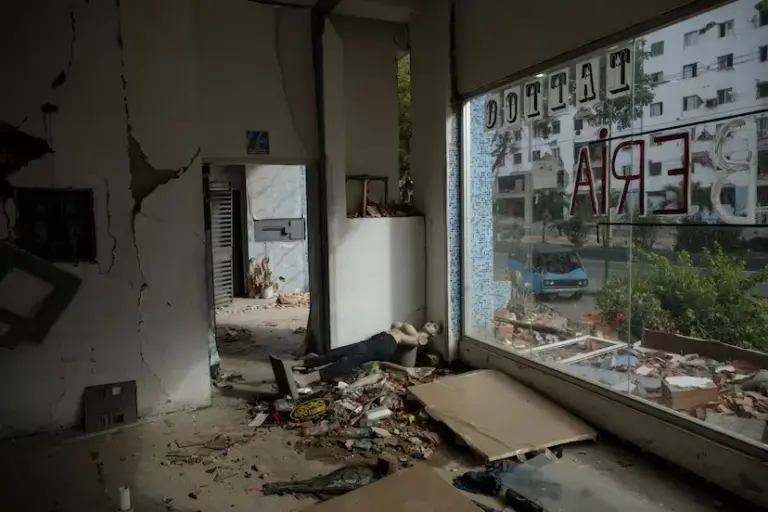
The impact has a dimension difficult to imagine: direct damages in La Guaira are estimated at 4.982 billion dollars, according to the World Bank. Behind those figures are people like Alejandra, who are trying to produce again.
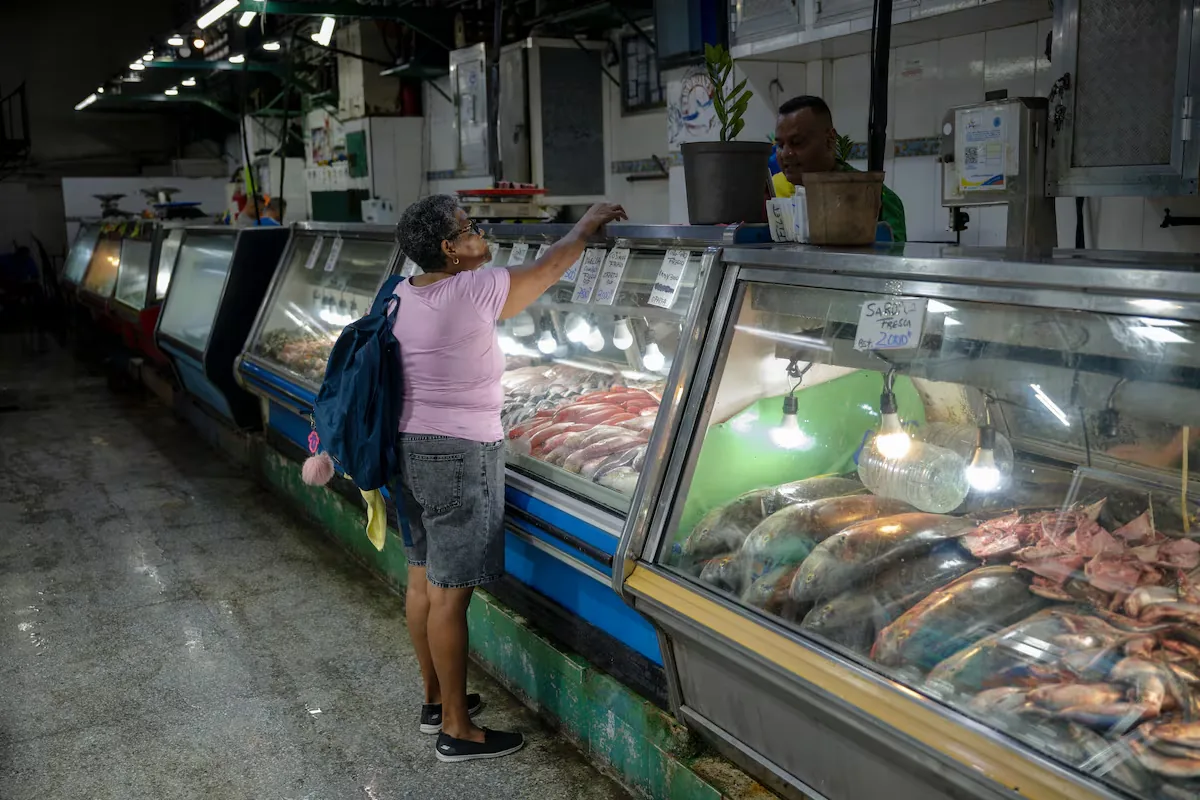
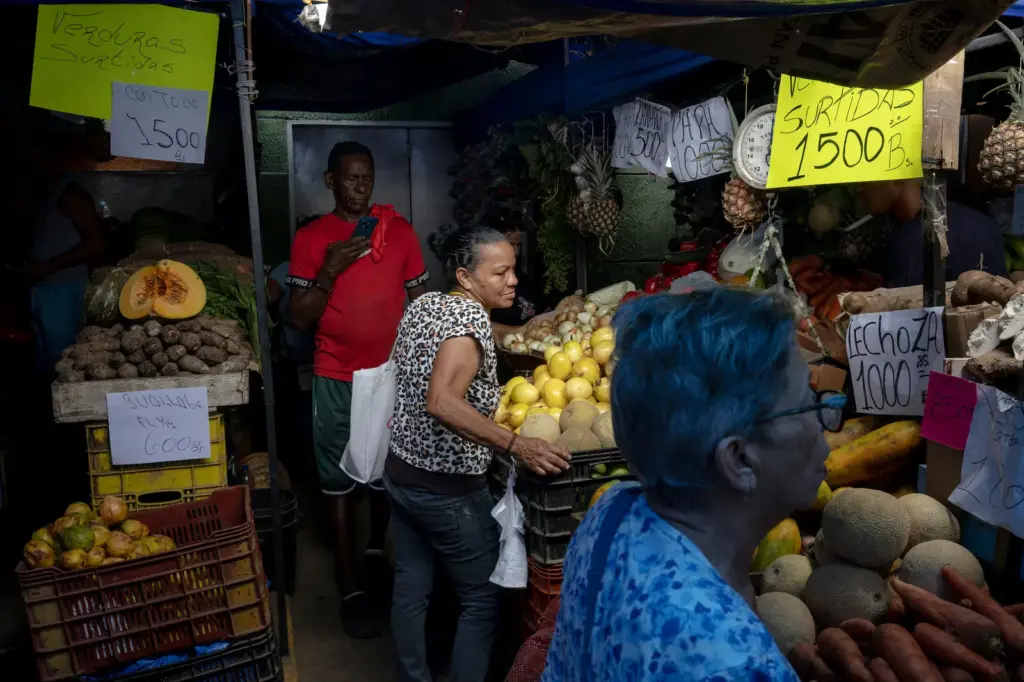
Something similar happens in the El Mosquero Market, in Maiquetía. The noise of knives on the boards, the water running on the floor, the vendors announcing fresh fish and seafood, and the cats moving among the boxes give the market an appearance of normality. But just looking at the empty stands makes it clear that this normality does not exist.
Activity returned just two weeks after the earthquakes. However, six stands never reopened. “Those who worked there unfortunately died. Some lived in the OPPPEs that collapsed,” says Daniel Arvel, one of the workers.
The merchants who did return also carry losses. Some lost their homes; others, family or friends. Even so, every morning they return to clean, cut, weigh, and sell. The market operates, but with fewer workers and many fewer customers.
A survey by the La Guaira Chamber of Commerce found an 80% drop in income in the productive sector after the earthquakes. Sales, merchants confirm, have dropped drastically. To the economic consequences of the earthquake was added another blow: false rumors on social media claimed that the fish was contaminated. Many customers stopped buying.
The result is a paradox repeated throughout La Guaira: businesses can reopen long before the economy that supported them returns. There are stands with merchandise but no customers; workers who returned but still have no home; and establishments that operate thanks to an emergency that will someday have to end.
A new clientele
For decades, La Guaira lived to the rhythm of tourists who came down from Caracas on weekends. More than 15,000 people worked in activities linked to tourism, but after the earthquakes that flow practically disappeared. With the beaches in the most affected areas, such as Macuto and Caraballeda, still restricted, the businesses that managed to survive have had to learn to work with a different clientele.
At the Los Mou empanada shop, that transformation happens in front of the counter. Dozens of police officers pass by the place every day while working on traffic control and demolitions of affected buildings. Henry Jiménez, its owner, was closed for five weeks. When he finally raised the shutter, he did so with a simple idea: that his customers knew the business was still there. “We remain open so that customers can see that Los Mou is back,” he says.
He now works alongside his sister and sells much less than before. But the business found a new demand amid the emergency. “The clientele now are the officials, rescuers, family members still looking for their people. Sales have decreased, but there are still people who need the support of services,” he explains.
A few kilometers away, in front of the OPPPEs of Caraballeda, one of the most affected areas, Abel Salcedo opened his grocery store fifteen days after the earthquake. The quake destroyed much of his merchandise: “All the bottles of alcohol broke.”
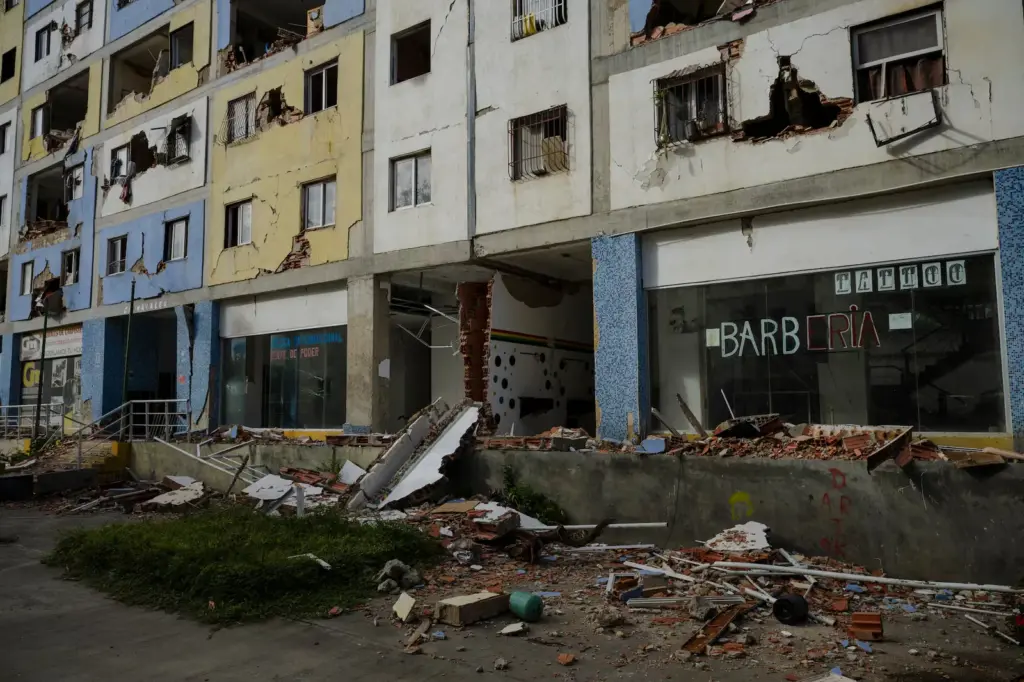
Today, police, military, and rescuers make up a good part of his clientele. Their presence has even had an unexpected effect: it has also helped protect the few businesses that remain open. “That has helped us against looting. The military and police in the area are attentive to guarding the business because it is useful for them to have the grocery store operating,” he says.
But for Salcedo, the deepest loss was another: “Most of our customers lived in the OPPPEs, almost all collapsed, so we lost customers we saw every day.”
It is a phrase that sums up how the earthquake altered something more than buildings and businesses: it changed the people who sustained the everyday economy of the neighborhoods. Merchants not only lost merchandise; they lost neighbors, customers, and part of the community that gave meaning to their businesses.
Read more The best-selling dumbbells on Amazon for home workouts
In Camurí Chico, Pollos Jack decided to open practically immediately. The day after the earthquake, its workers found the refrigerators damaged and food that could spoil. They decided to distribute it among the affected people. Since then, the restaurant has kept its doors open for those who come to the area to work on rescue and recovery efforts.
“Our work has been service to the community. From the beginning, many people have been working on tasks related to the earthquake, and for them, we opened the doors every day,” explains one of its workers.
In La Guaira, the economy still moves, but around a reality that no one would want to last: a city where tourists were temporarily replaced by those who came to face its consequences.
Among ruins and repairs
On La Playa Avenue in Caraballeda, a business literally rises among the rubble. Around it, all the buildings collapsed. The Alejandrina Café, however, resisted: it suffered moderate damage inside, but its structure remained standing.
Its owner, Carlos Franco, has lived and worked in La Guaira for 56 years. For decades he turned a small space in the Costa del Sol Shopping Center into a well-known business, with three areas and two work shifts. Years later, he was able to open a new location, with a terrace and separate spaces and hours ranging from breakfast to early morning. “We had live music, served from breakfast to drinks at night with live music,” he recalls.
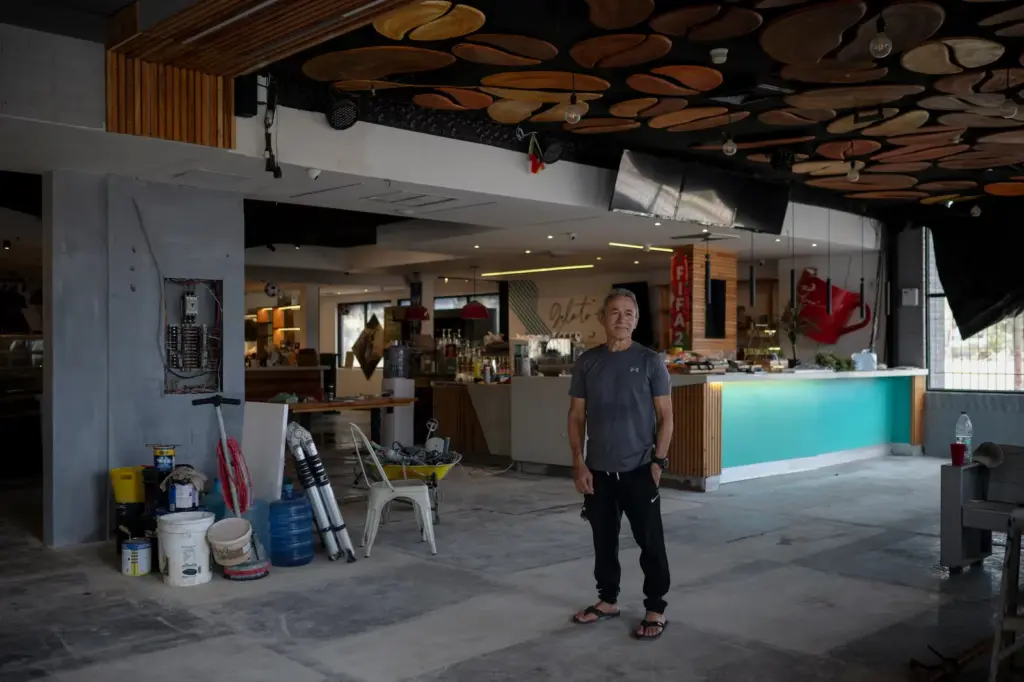
Of his 65 workers, Franco estimates that only about 15 will be able to return. Many lost their homes, family, or friends. He himself lost his home. Even so, he is working on repairs and hopes to reopen in about 20 days.
This contraction is not unique to his business: a survey conducted by the La Guaira Chamber of Commerce indicates that 84% of the Coast cannot guarantee the preservation of jobs and that more than 30% anticipate inevitable layoffs.
Rebuilding Alejandrina Café involves much more than repairing walls and equipment. It also means recovering the surrounding environment. Franco says he has had positive conversations with the La Guaira Government, although there are still no concrete advances in the recovery of nearby public spaces. “These are difficult times and priorities right now are different.”
The regional government has promised funding for business recovery. Governor José Alejandro Terán announced a package of 20.5 million dollars for 2,300 formal businesses, entrepreneurs, and small and medium-sized enterprises in La Guaira, as part of the Venezuela Renace Plan. He has also promised that the tourist infrastructure of the beaches will be rebuilt and improved. But between the announcements and reopening, there is a distance that merchants know well.
Available data show that economic recovery will be gradual. José Gregorio Rodríguez, president of Consecomercio, points out that more than 30% of economic activity has already been restored. Of approximately 600 identified businesses, 60% suffered some level of damage and 16 registered total destruction. These figures do not take into account spaces like shopping centers such as Costa del Sol, which had more than 60 active stores at the time of the earthquake in infrastructure classified as high risk and possible demolition.
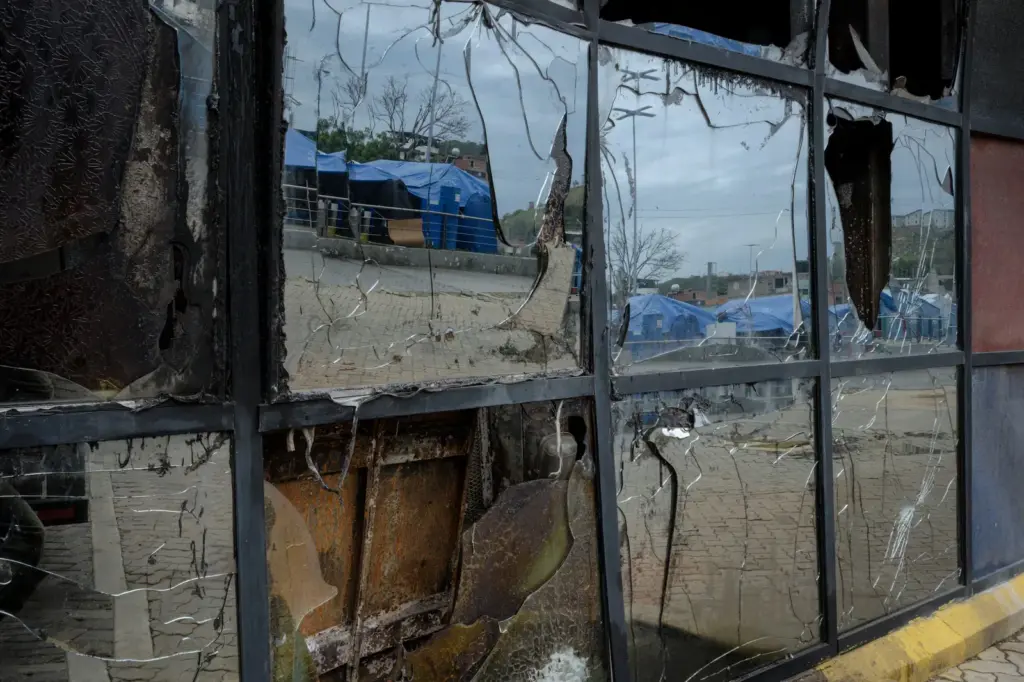
In the La Guaira Community Market, that recovery occurs under patches of humanitarian tents. The earthquake damaged the market and later a fire destroyed much of the merchants’ equipment. José Graterol now sells cold cuts from one of the improvised spaces, but estimates that rebuilding his stand will take years.
“A cold cuts refrigerator costs 7,500 dollars. A good slicer costs 2,500. That’s why it’s so important to reactivate the economy quickly, because the recovery itself will take a long time. Today we work with what we can, so tomorrow we can expand our capacity again,” he explains.
A survey by Ecosistema shows the magnitude of that effort: the surveyed businesses report operating at 40% of their capacity; more than 70% operate at less than half.
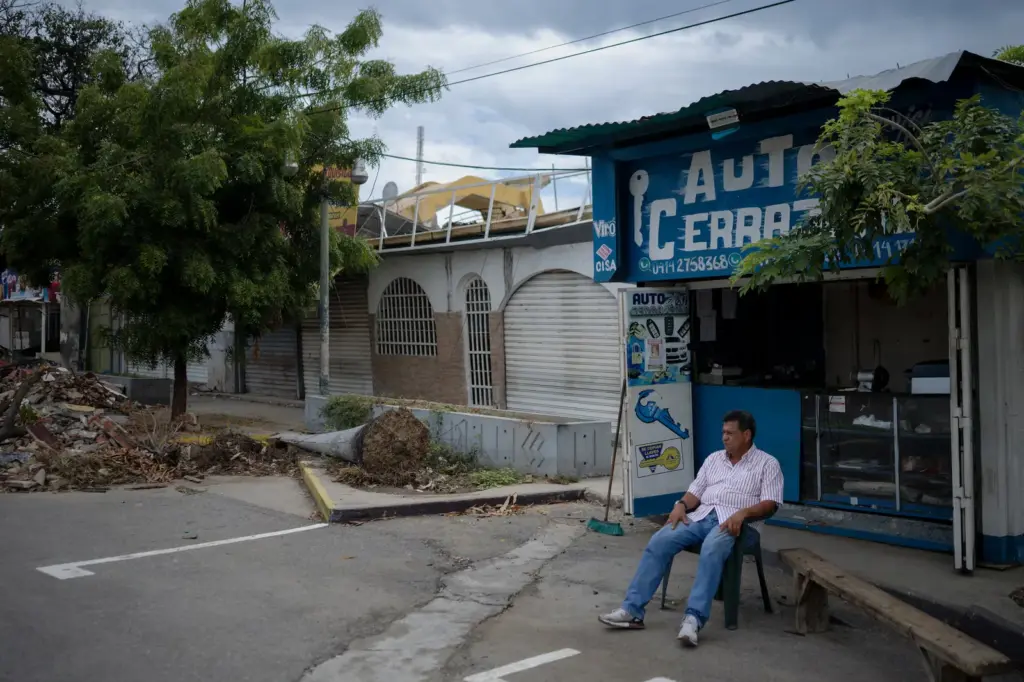
Across from Alejandrina Café, on an avenue where almost everything was destroyed, only one other business keeps its doors open: a self-locksmith run by Hover Cardona. Born in Pereira, Colombia, Cardona has been in La Guaira for more than 30 years. He also knows firsthand the fragility of cities: his hometown suffered a devastating earthquake last August 10: “Wherever you are, something can happen. And whatever situation we are in, it is important to keep going, open the doors, and put your place to work,” he says.
In a city where so many doors closed suddenly, keeping one open has a meaning that goes beyond a business. That is why Alejandra’s tents, the open stands of El Mosquero, and the businesses trying to raise their shutters are not yet signs of economic recovery. They are something more incipient: signs that, even after losing almost everything, there are people still willing to bet on the return of La Guaira.
Read more The invention of the light bulb ushered in sleep disorders, but it does not make us sleep less