







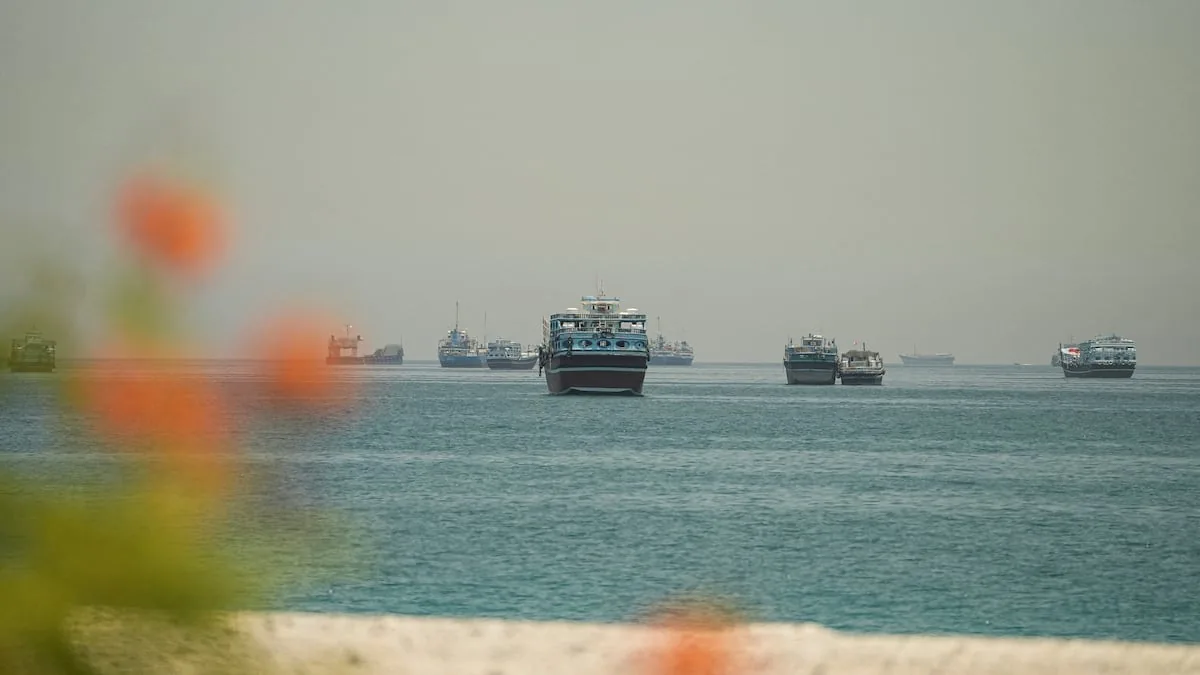
In the midst of peace negotiations with Iran, the United States reported late Monday that its military has carried out attacks against targets in southern Iran “in self-defense.” This incident does not mean that the ceasefire currently in effect has ended, according to government sources speaking to Fox News.
Read more Shoemaker faces years-long investigation with ramifications in Venezuela and China
“U.S. forces conducted self-defense attacks in southern Iran to protect our troops from threats by Iranian forces,” said Captain Tim Hawkins, spokesperson for the Central Command of the Armed Forces. “The targets included missile launch sites and Iranian vessels attempting to place mines. We continue to defend our forces while exercising restraint during the ongoing ceasefire,” he added.
This operation comes shortly after Iranian negotiators traveled to Qatar to continue talks aimed at agreeing to an end to the war that began three months ago. The attacks occurred near Bandar Abbas, according to the U.S. military spokesperson. This southern city has a large naval base near the Strait of Hormuz.
A senior U.S. government official cited by Fox News stated that upon spotting two vessels placing mines in the Strait of Hormuz, the armed forces neutralized them. Supposedly, those vessels belonged to the Iranian Revolutionary Guard. “They were defensive attacks,” the official declared.
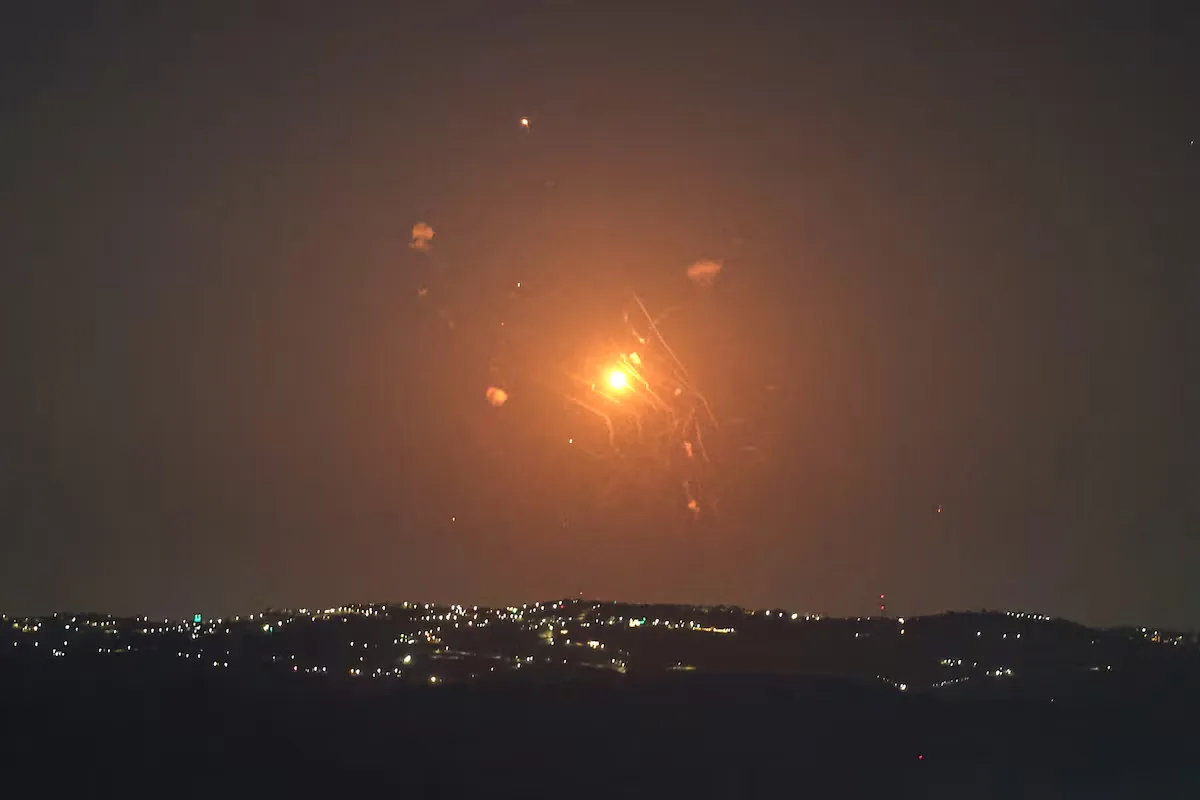
These events occurred after explosions were heard in various areas along the Strait of Hormuz, one of them in Bandar Abbas. Additionally, some sources say there were more explosions near Sirik and Jask, close to this strategic maritime route. The senior official confirmed that Washington’s attacks had ended “for the moment.”
Read more Chess analysis | Firouzja entangles Carlsen
The new U.S. attack comes at the worst possible time for Donald Trump, as the President of the United States tries to forge a complicated agreement to end three months of war and allow the reopening of the strategic Strait of Hormuz, through which 20% of the world’s oil passes and whose blockade threatens to cause a global recession.
There are still loose ends to close in a deal where Iranian negotiators do not seem to be in as much of a hurry as the Americans. The greatest benefit Washington would obtain would be the reopening of the Strait of Hormuz. Tehran, in exchange, would achieve the end of sanctions and the unblocking of assets that have been frozen. Negotiations on its nuclear program would be postponed to a second phase, which according to some sources could last 60 days during which the ceasefire would be extended.
On Monday, Trump put a new condition on the table. The President of the United States is trying to push Arab and Muslim countries, very interested in the agreement going forward, to establish diplomatic relations with Israel. The Republican thus seeks to give some good news to his ally Benjamin Netanyahu, who views the possible deal with Iran with great distrust. In this context, Trump has requested Saudi Arabia, Qatar, Pakistan, Turkey, Egypt, and Jordan to join the so-called Abraham Accords to normalize their relations with Israel. According to information that has emerged, Pakistan has rejected the proposal. None of the other countries have publicly responded, although it is unlikely they will take that step in the short term.