








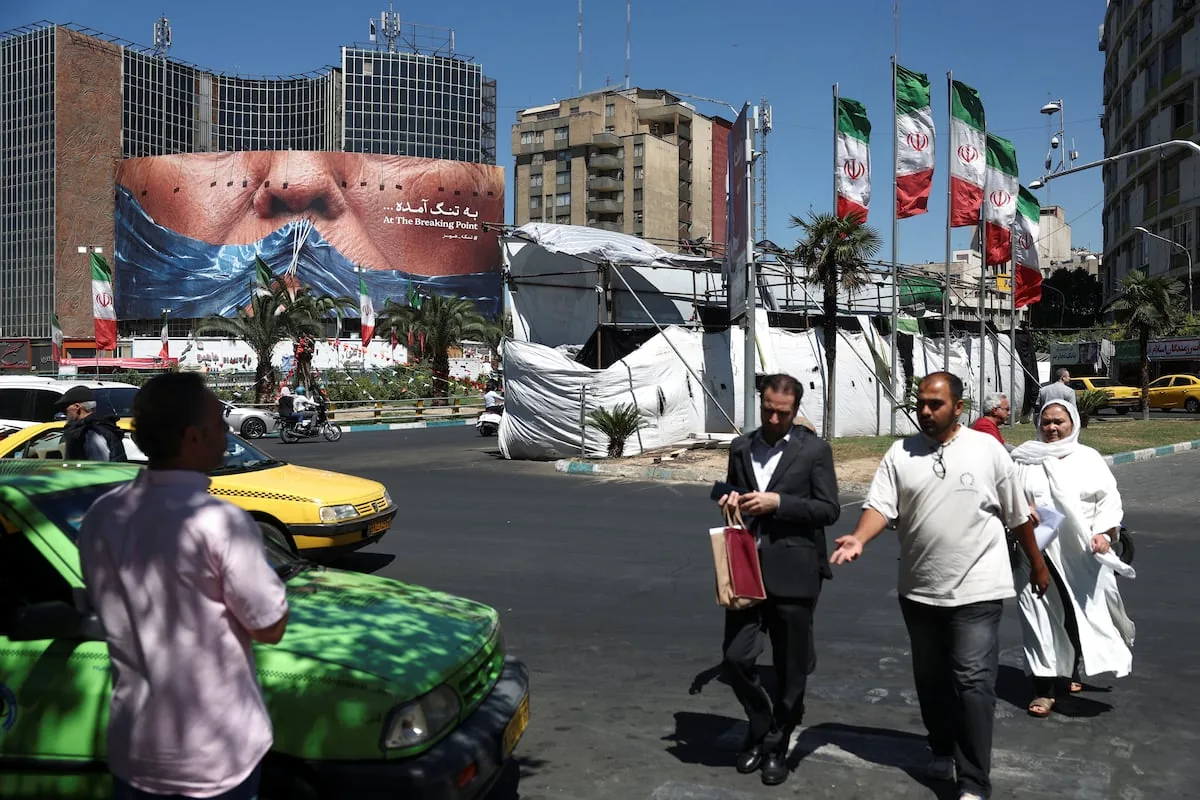
When the United States and Iran negotiated the 2015 nuclear deal, they did so amid sanctions, threats, and distrust. But there were two fundamental differences with the present: there was no open war and Hormuz was not the immediate focus of the negotiation. That diplomacy was able to organize itself around the main file of the nuclear program. Today, however, negotiations take place after weeks of war, with several fronts open and Hormuz transformed into an inseparable card from the rest.
Read more I try the best boxing machines and tell you which one is up to the mark
Recent talks reinforce that reading. If a memorandum or provisional agreement is reached, it will not only be because Iran has yielded to U.S. and Israeli military pressure. It will be because Tehran has managed to integrate the reopening of the strait, mine removal, transit fees, oil sales, frozen funds, sanctions, enriched uranium, and Lebanon into the negotiating framework. Therein lies Iran’s unexpected advantage. The war grants the United States obvious military superiority, but introduces a new diplomatic problem. It is no longer enough to discuss centrifuges, enrichment levels, or inspections. Any sustainable agreement must also address navigation security, Iranian access to exports, and guarantees that the ceasefire will not be just a pause before new attacks.
The discussion about a possible extension of the ceasefire shows that logic. For Washington, that period should serve to reopen Hormuz, channel the nuclear file, and present a defensible outcome. For Tehran, the sequence matters as much as the content: first guarantees against new military operations; then economic relief; then nuclear negotiation; and only then concessions on uranium, inspections, or long-term limits. Whoever controls the sequence controls part of the outcome. Current diplomacy no longer seems blocked, but organized around a fragile and reversible truce. Optimistic statements coexist with contradictions, accusations of obstruction, doubts about frozen funds, disagreements over Lebanon, and military operations justified as defensive. The ceasefire is not yet the end of the war; it is the continuation of the dispute by other means.
This does not mean that Iran is winning. Its economy is exhausted, its military infrastructure has been severely hit, and its conventional margin against the United States and Israel remains limited. But its strategy was never to win a conventional war but to avoid a strategic defeat, survive the pressure, and turn vulnerabilities into negotiating tools. Resisting does not mean imposing militarily, but preventing the adversary from dictating the terms of the end, and Iran is achieving that.
The dilemma for Washington is that the broader the negotiation becomes, the harder it is to sell it as Iranian surrender. If the agreement includes the gradual reopening of Hormuz, oil relief, unlocked assets, and new nuclear talks, the United States can present progress, but not a clean victory. And if enriched uranium, Israel’s role in Lebanon, and guarantees against future aggressions remain pending, the outcome will look more like a managed truce than a definitive solution. That truce may suit both, but for different reasons. For the United States, it allows reducing regional risk and stabilizing energy markets. For Iran, it allows buying time, preserving negotiating capacity, and demonstrating that it has not been forced to accept a comprehensive capitulation. For Trump, the challenge will be to present an incomplete agreement as a triumph. For Tehran, to prevent the reopening of Hormuz and economic relief from becoming concessions without sufficient guarantees.
The old nuclear deal was born from managed tension. The next one, if it comes, will be born from a war that has already mixed too many files. That mix is dangerous for everyone, but explains why Iran, even when hit, retains room to maneuver. The truce does not eliminate its unexpected advantage; it confirms it.
Read more Catalan teachers begin the third week of educational strike, while negotiations progress