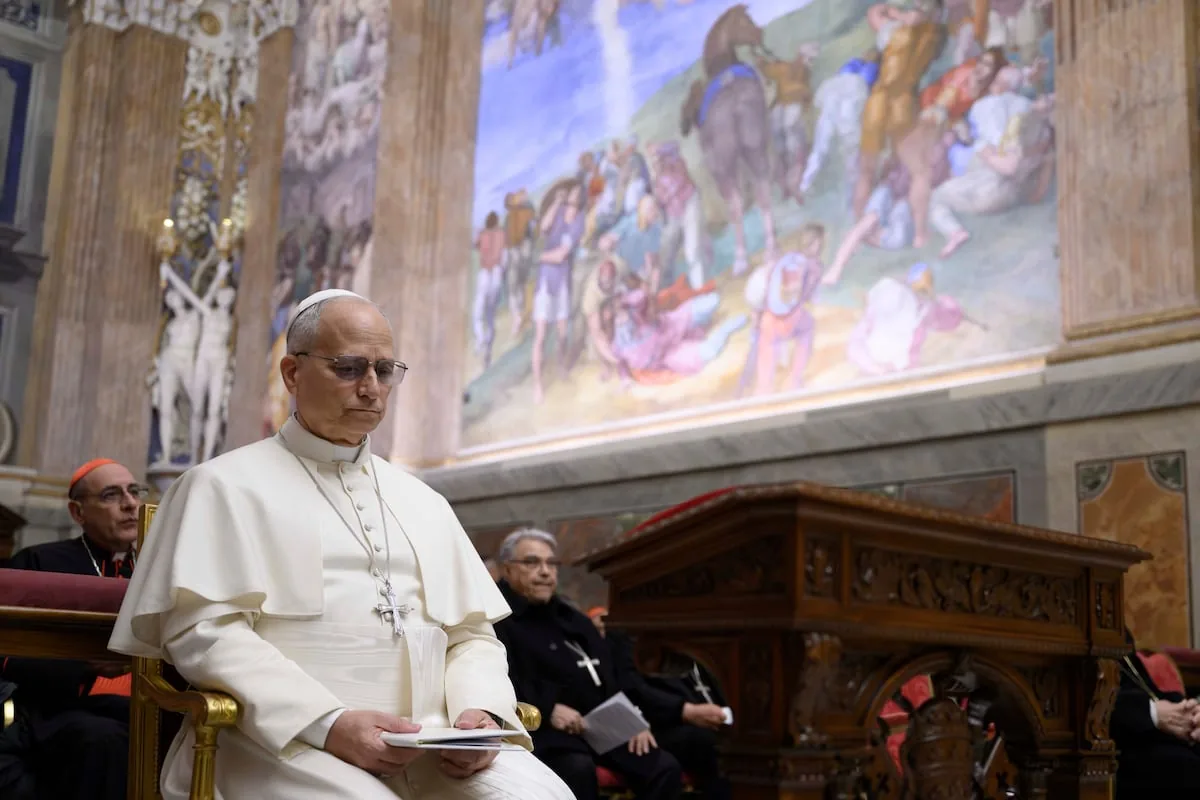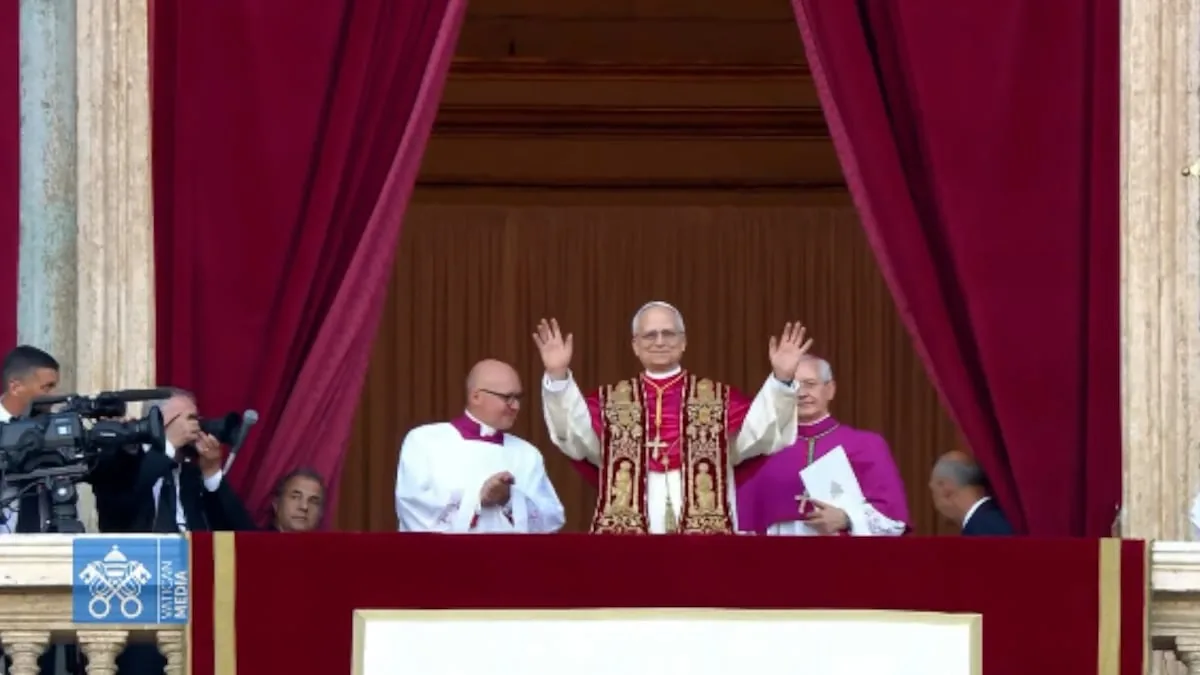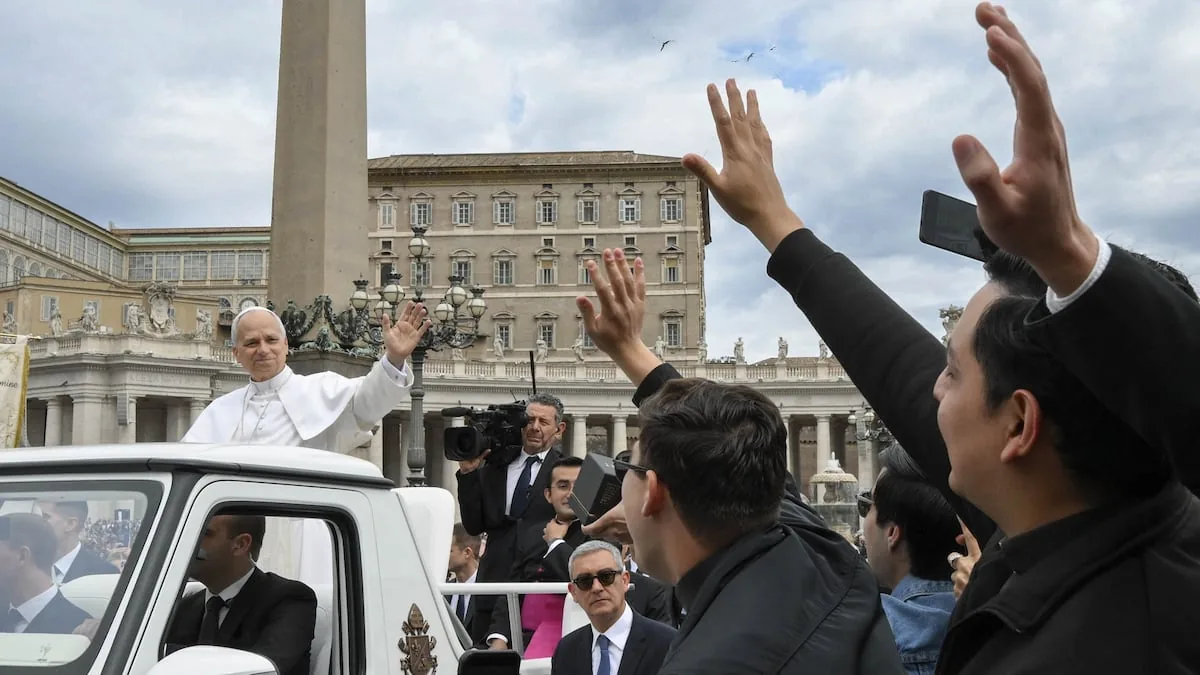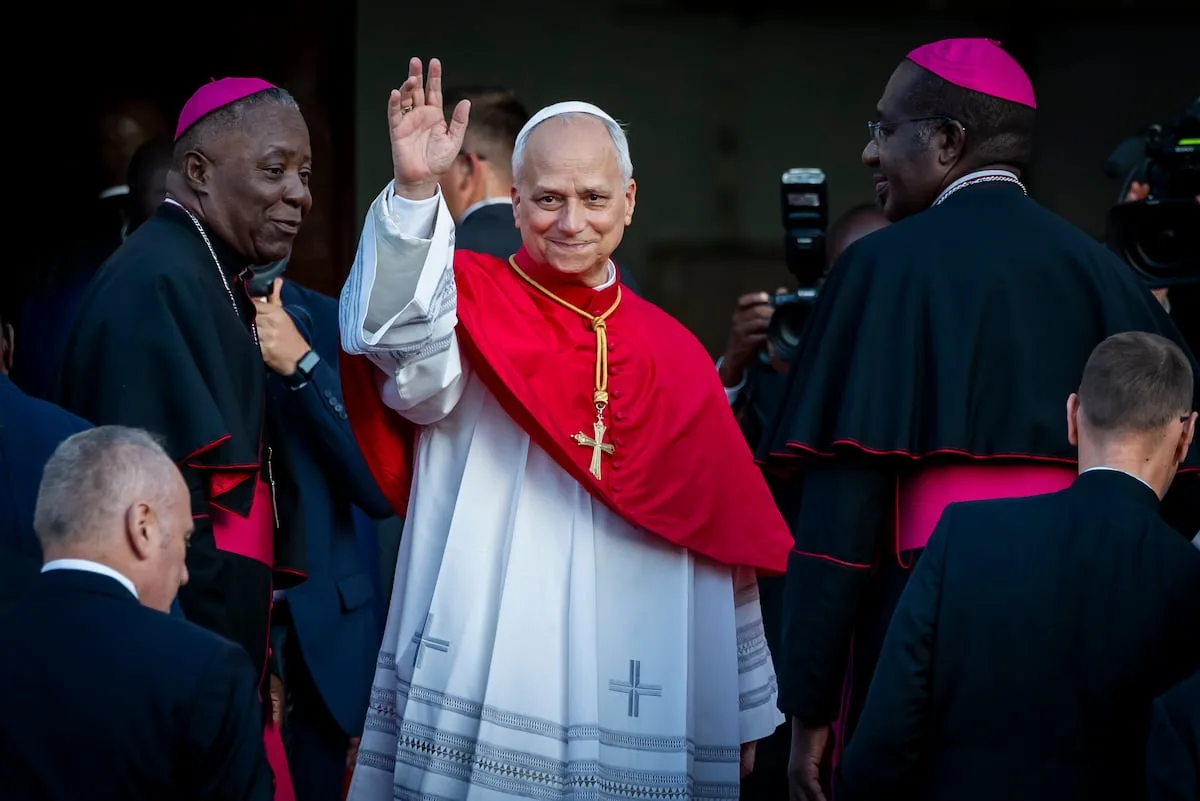




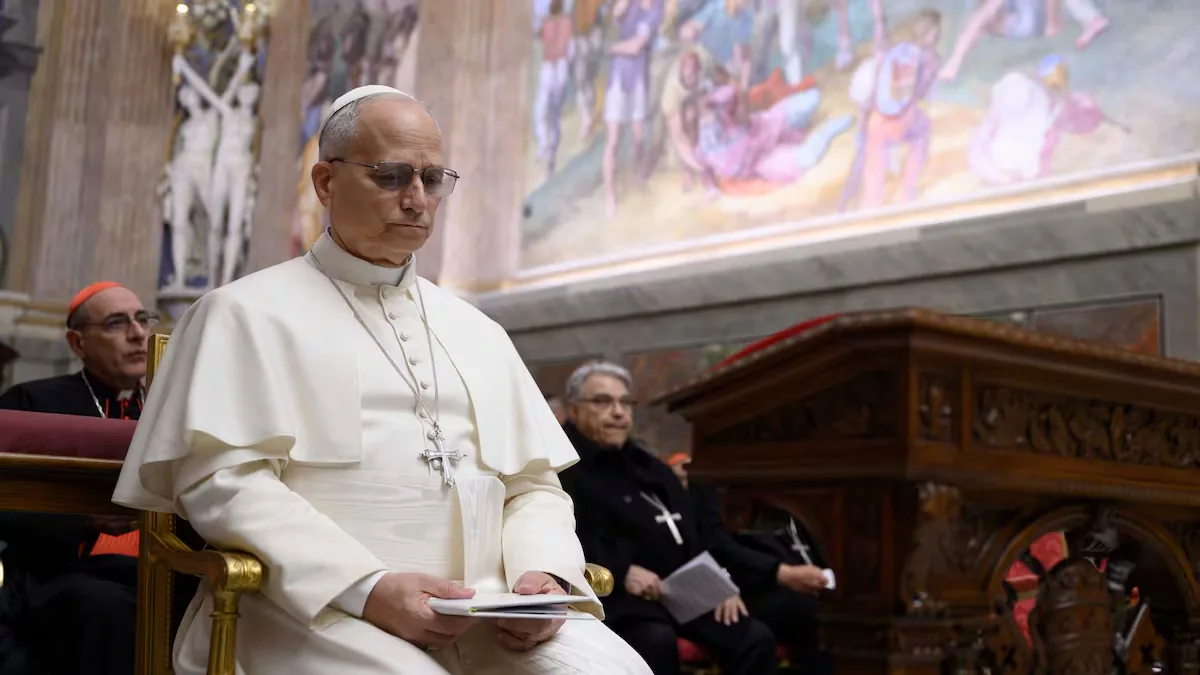
Pope Leo XIV has once again surprised this week with his encyclical Magnífica Humanitas and I say once again because, in times of uncertainty and despair worldwide, since the beginning of this pontificate the highest leader of the Catholic Church has become the main opponent of wars, suffering in the world, and has strongly denounced the abuse of power that threatens to bring crises to various places on the planet. Thus, he rescues the work of a church that spiritually guides and directs, supported by fundamental values of humanity, and this is a note of hope, beyond whether one professes the Catholic religion or not. The text has caused an impact and, of course, since we are precisely at a global crossroads where the alternatives are often bleak.
Read more Supporters back Claudia Sheinbaum in the celebration of her second year in office
In this regard, it is worth emphasizing two central elements of the text that, in an interconnected way, are a call to alert about a world order that requires attention. It is about the call to recover the value of diplomacy and dialogue as tools to achieve peace, while warning about the danger of artificial intelligence and technocracy which, without proper governance, can bring unforeseen dangers to humanity.
There is no doubt that the Pontiff has been a relevant actor in challenging political leaders who have sought to bypass the rules of the international concert to pursue their own goals, denouncing, a few weeks ago, “the world is being destroyed by a handful of tyrants.” Beyond exactly whom this reference corresponded to (which marked a strong exchange with President Trump), the encyclical returns to the concern about the course the world is taking “In the face of impulsive communications, aggressive rhetoric, and power logics that mark our time” (probably several confessed Catholics and public actors in Chile and the world should heed this call) it reiterates the need to turn to dialogue and to rescue the value of the multilateral system, with a specific reference to the important role played by the United Nations.
Rescuing the international system from these pernicious dynamics is returning to the origins of an international system based on rules and relegating the logic of the strongest who amplifies their message through the optimal vehicle offered by technologies and the alliance with global technocracy.
But the encyclical is also emphatic in presenting the new dimensions of this challenge, it is about cyberspace and artificial intelligence, to which it devotes special attention. The connection of this warning with the dynamics observed in the world today is interesting, because it is undeniable that global geopolitics is being seriously affected by that dimension of cyberspace which today lacks clear governance and where state legislation has proven insufficient, generating fertile ground for manipulation and disinformation. Although in the West it is not the only cause of the sustained deterioration of democracy worldwide, the fact is that the use of technologies in bad hands and without control has generated a permanent erosion of democratic regimes.
Read more Two women lose their lives saving a three-year-old child at a dam in Palencia
Of course, it is not about having a position against technology or the benefits that artificial intelligence can have to facilitate people’s daily lives, but the encyclical is also a call to raise the voice strongly to warn of the dangers “technological innovations – including artificial intelligence – are not neutral, they can increase participation and justice, or widen inequalities, control, and exclusion.” And the evidence supports this warning, a recent study by IDEA International shows how violence on social networks has been increasing and disproportionately affects women (with a specific mention, moreover, to the effect this has on women in politics, who are thrown out of the system by these attacks) as well as the hyperconnectivity of young people which generates serious mental health problems such as addiction or anxiety. All this, of course, without counting the gaps or biases that technologies without supervision, regulation, or conscious use generate in the population.
The solutions to these pressing problems of humanity do not come only from states and their capacity to generate adequate public policies (we have already seen, for example, the insufficiency of regulation that limits young people’s access to applications), but also from the capacity of the international system to agree to avoid the concentration of power of these large tech companies, to generate cooperation to optimize the use of new tools, protect people’s rights also in cyberspace, and enhance their value and usefulness in the service of all and not just a few.
It makes sense then to think that, although we are increasingly connected, we are also increasingly alone. But not only that, if there is something that distinguishes human beings from other species it is their gregarious instinct, their capacity to generate critical thinking, and their rationality to generate ethical behaviors, based on their own learning and discernment. An alienated world condemns itself to advance in technological capacity and regress in humanity and it is precisely there where the papal challenge takes full meaning.
Read more Sheinbaum commemorates her electoral victory with a demonstration of political muscle