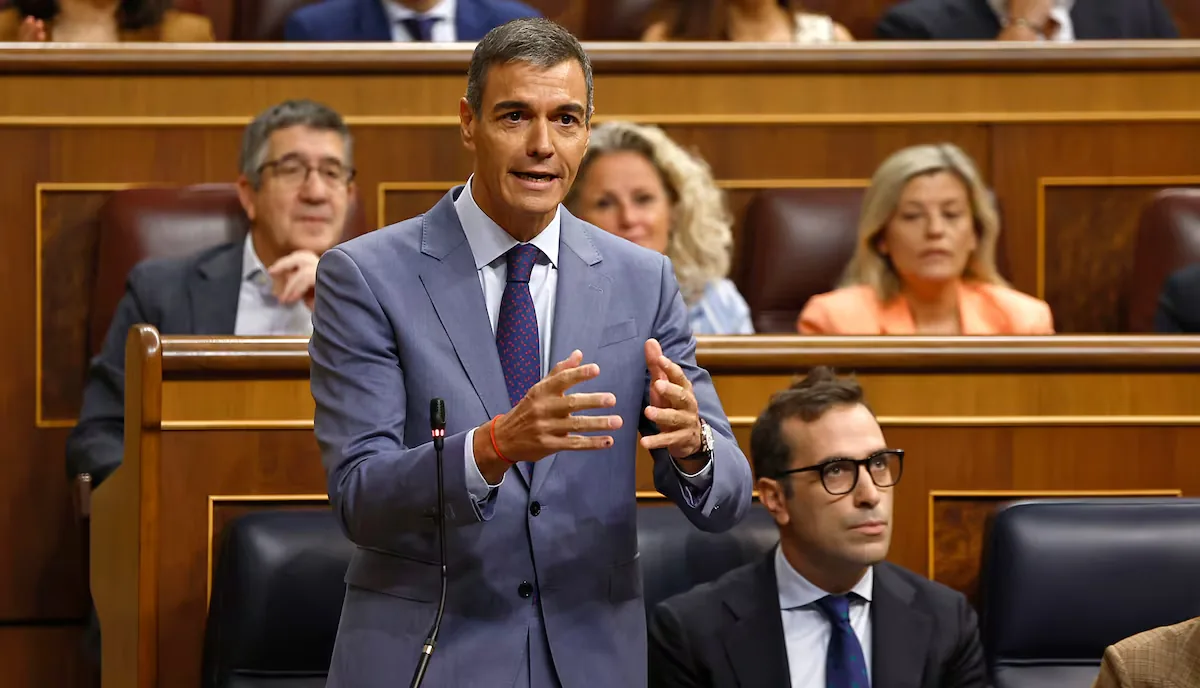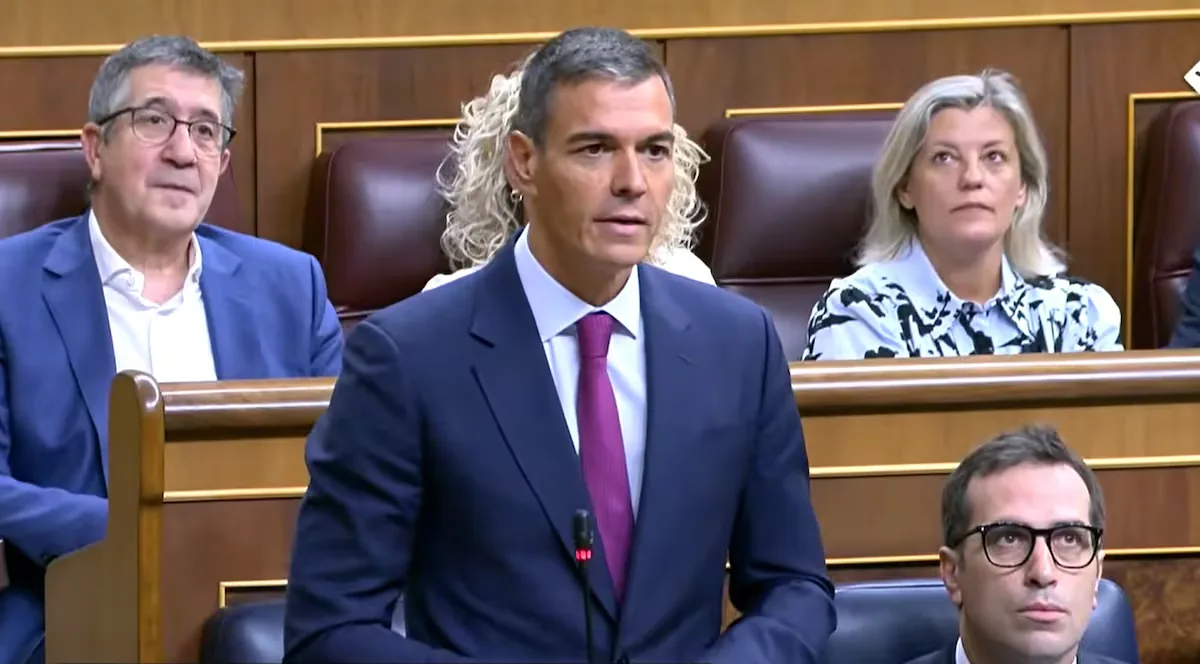








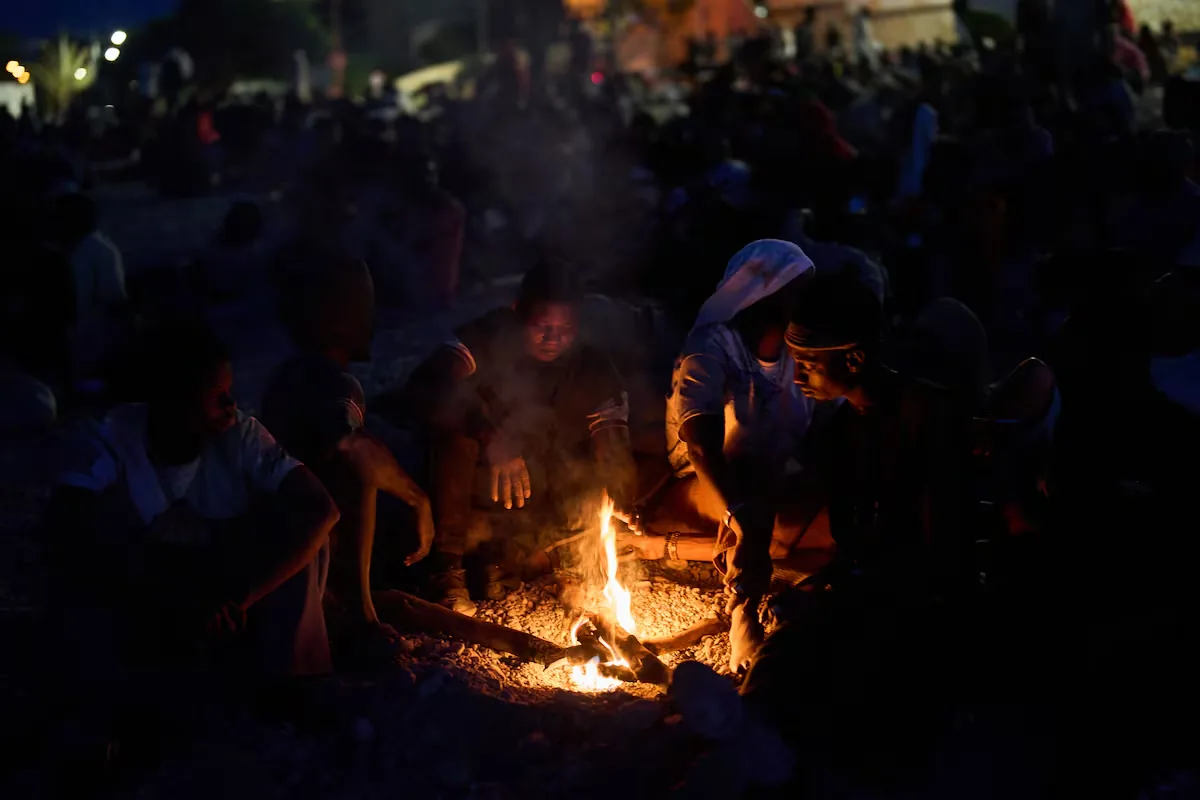
Foreign Minister José Manuel Albares has assured that Spain will “demand” “solidarity” from European partners this Tuesday at the meeting of the 27 EU Interior Ministers and the European Commission. “Ceuta and Melilla are two Spanish cities, but they are also two European cities and an external border of the European Union,” he said in an interview with TVE. Albares reiterated that Morocco has collaborated to resolve the crisis “from the very beginning.” The authorities in Ceuta continue to take measures to restore normality after the massive entry of immigrants last Thursday. The Moroccan government acknowledged last night that at least 11 people have died on its coasts during the irregular entry last Thursday of several tens of thousands of immigrants into Ceuta. Spanish authorities have estimated that more than 50,000 migrants arrived in the autonomous city, while Morocco lowers the figure to 40,000. There are also different official figures regarding the deceased: the latest count from the central government raises the number to 72, while Ceuta authorities place the number of bodies recovered from the water and already transferred to their morgue at 88.
Read more The sargassum map in Mexico: Caribbean beaches have received 27 times more tons than usual
EL PAÍS offers the latest on the migration crisis free of charge. If you want to support our journalism, subscribe.
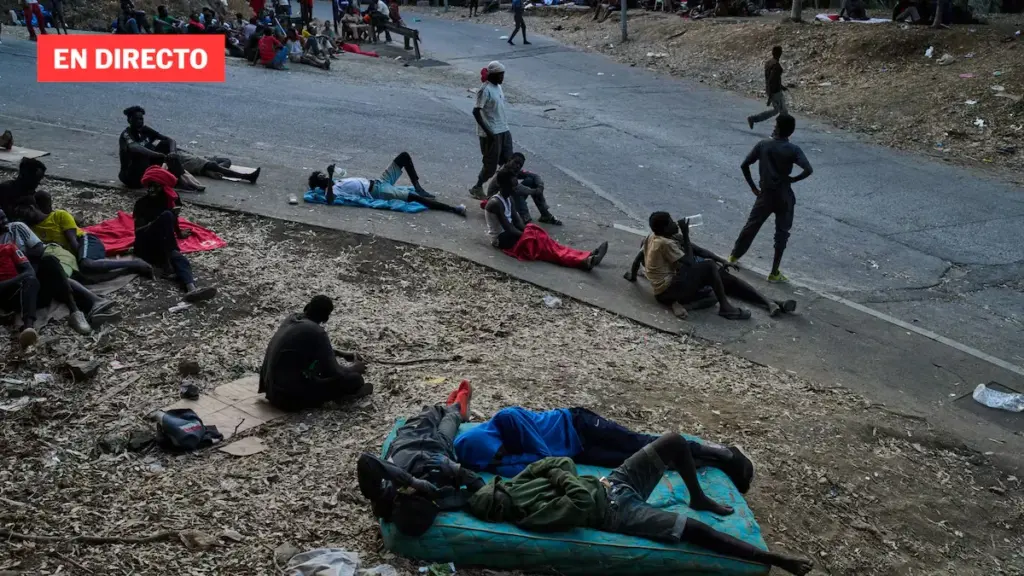

Albares considers misinformation the “key element” for the migration crisis in Ceuta
Foreign Minister José Manuel Albares considers that misinformation was the “key element” that triggered last Thursday’s massive entry of migrants into the autonomous city of Ceuta, so he stated that one of the tasks to undertake to prevent scenes like those experienced last week from repeating is to “monitor social networks” through which migrants get information. In an interview on TVE, asked about the floating barrier that the government began installing over the weekend to extend the breakwater that serves as the border between Morocco and Ceuta, Albares said that the breakwater must be “reinforced” and the “entry mechanism” in the autonomous city “adapted to the Supreme Court ruling” that recently established that hot border returns of people entering by swimming cannot be made because there is no physical barrier. Thus, Albares says, it will be allowed “to continue functioning in returns as it was done to full satisfaction before the ruling.”
Moreover, Albares stated that “social networks must be monitored and misinformation combated, which has been the key element to trigger this unprecedented movement.” He also called to monitor the “reaction on social networks of the reactionary international” to combat it. He also called to “keep diplomatic channels open with Morocco, which have allowed the rapid return of the vast majority of migrants and even the last one will return.” Finally, he called to work with the EU so that “Europe supports and helps Spain in the enormous specificity of the only land border Europe has with Africa, which is the most unequal border on the planet and that must be managed with Morocco and with the solidarity of Europe.”
Albares: “We will demand solidarity from all European Union states”
Foreign Minister José Manuel Albares has assured that Spain will “demand” “solidarity” from European partners this Tuesday at the meeting of the 27 EU Interior Ministers and the European Commission. “Ceuta and Melilla are two Spanish cities, but they are also two European cities and an external border of the European Union. And it is a very special border of the European Union because they are the only two European and Spanish cities that have a land border with Africa,” he said in an interview with TVE. “Spain is currently the Mediterranean route with the lowest number of irregular entries through any of the routes, but especially through Ceuta and Melilla,” he added.
Albares reiterated that Morocco has collaborated to resolve the crisis: “From the very beginning, Morocco offered its collaboration to try to prevent that flow of people and, above all, so that they returned immediately, as is happening. The vast majority of those who entered are already back in Morocco and it continues to offer that collaboration so that even the last person who entered Ceuta returns to Morocco.”
MIGRATION CRISIS
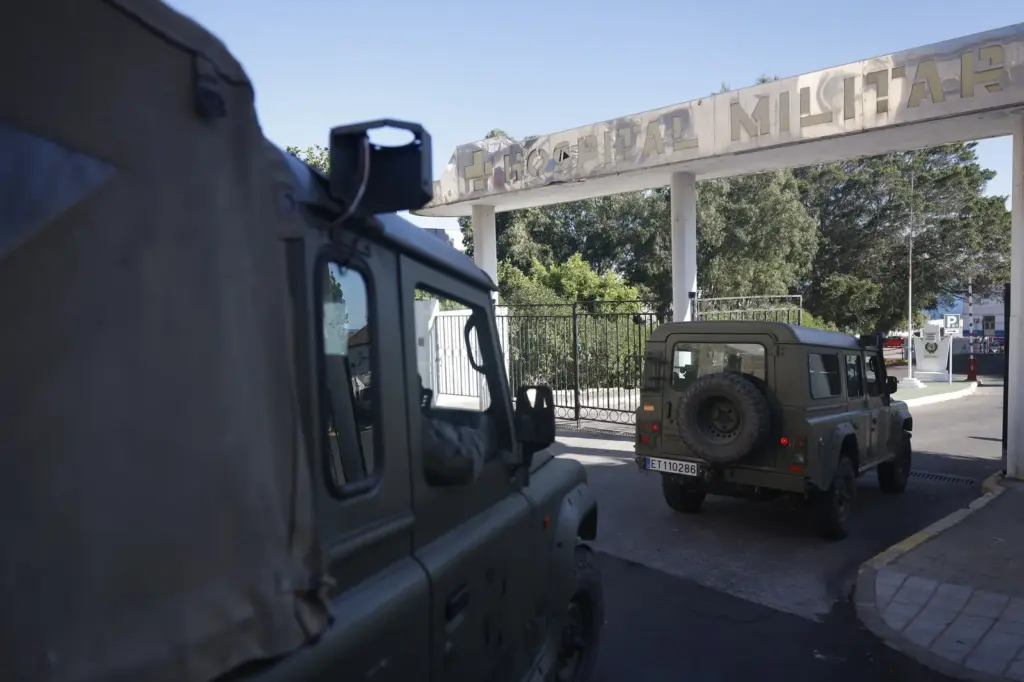
The deceased at the border continue to fill the large improvised morgue in Ceuta
The provisional morgue installed in the former military hospital of Ceuta after the massive entry of immigrants last Thursday, already equipped to house up to 200 bodies, continues to receive the bodies of those who lost their lives crossing the border breakwater or swimming around it. The government raised the number of victims to 72 this Sunday, but the autonomous city’s government, led by the Popular Party’s Juan Vivas, has counted the loss of 88 people. On the Moroccan side of the border, 11 deceased have been recovered, according to the neighboring country’s Ministry of the Interior. Ten of them drowned, and no details have been given about the other.
You can read the full information here
Ceuta crisis
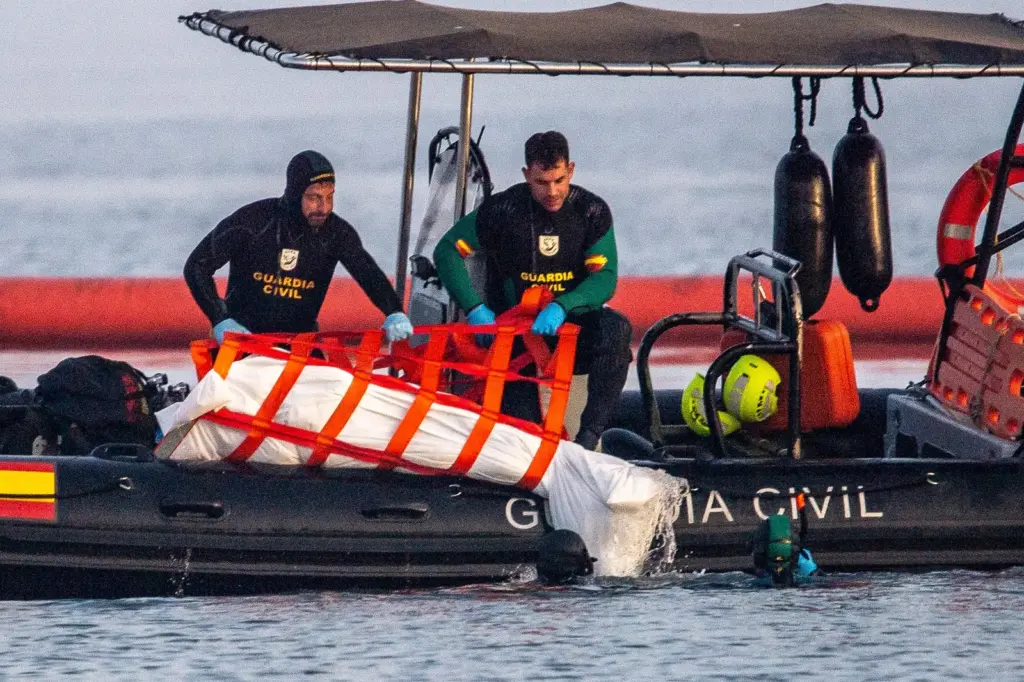
Morocco admits 11 dead on its territory after the avalanche in Ceuta and presents itself as a “reliable and responsible” partner
Read more Two rights for a single Government: the cabinet that Abelardo De la Espriella is assembling
Three days after the incursion of tens of thousands of young irregular migrants into Ceuta before the impassive gaze of Moroccan security forces, the Rabat authorities broke their silence this Sunday. In a statement sent late, the Moroccan government reported that it has recovered 11 bodies in its waters after the border episode, which add to the 88 dead accumulated in the improvised morgue of the former military hospital of the Spanish autonomous city.
You can read the full information here

Ceuta crisis
The EU faces the damage assessment of the Ceuta crisis
In the harsh exchange of two texts about the Ceuta migration crisis between the Spanish Prime Minister, Pedro Sánchez, on one side, and the group of 22 prime ministers of member states, led by Italy and Denmark, there was at least one common point: to demand as soon as possible a meeting of the 27 EU Interior Ministers and the European Commission. It will be held on Tuesday. And there the first damage assessment of a crisis that has shown how toxic and divisive the migration debate is in the Union can be made.
You can read the full information here
Ceuta crisis
Construction fences to close streets and patrols to chase away migrants who resist leaving Ceuta: “There are still some left”
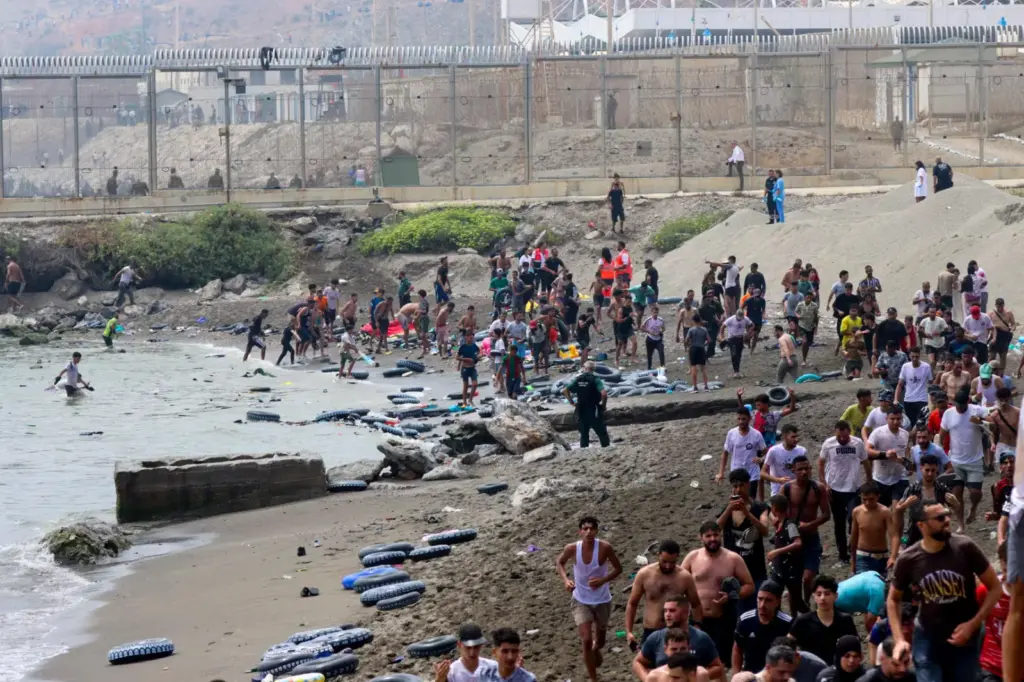
On Saturday at noon, when the vast majority of those who accessed the city en masse through the breakwater of the El Tarajal border post had returned on foot to Morocco, shepherded by the Army, they maintained their security belt. Migrants were barely seen in the city center, but there were still various groups of young people — “several thousand,” according to the autonomous city government — walking through residential neighborhoods, dozing in the shadows, or trying to buy some water, tobacco, or something to eat.
You can read the full information here
Ceuta crisis
Intelligence services conclude that Rabat allowed and used the human wave over Ceuta, but did not plan it
The incursion of tens of thousands of Moroccan immigrants into Ceuta, which has left nearly a hundred drowned trying to swim across the border and has deeply destabilized coexistence in the Spanish city in North Africa, was not planned by Moroccan authorities. However, they not only did not stop the human tide heading to Tarajal, but they allowed it to pass and have taken political advantage of the international impact of the event. That is the conclusion reached by Spanish intelligence services after analyzing a crisis that caught a government focused on forest fires and confident in its southern neighbor by surprise.
You can read the full information here
Ceuta crisis
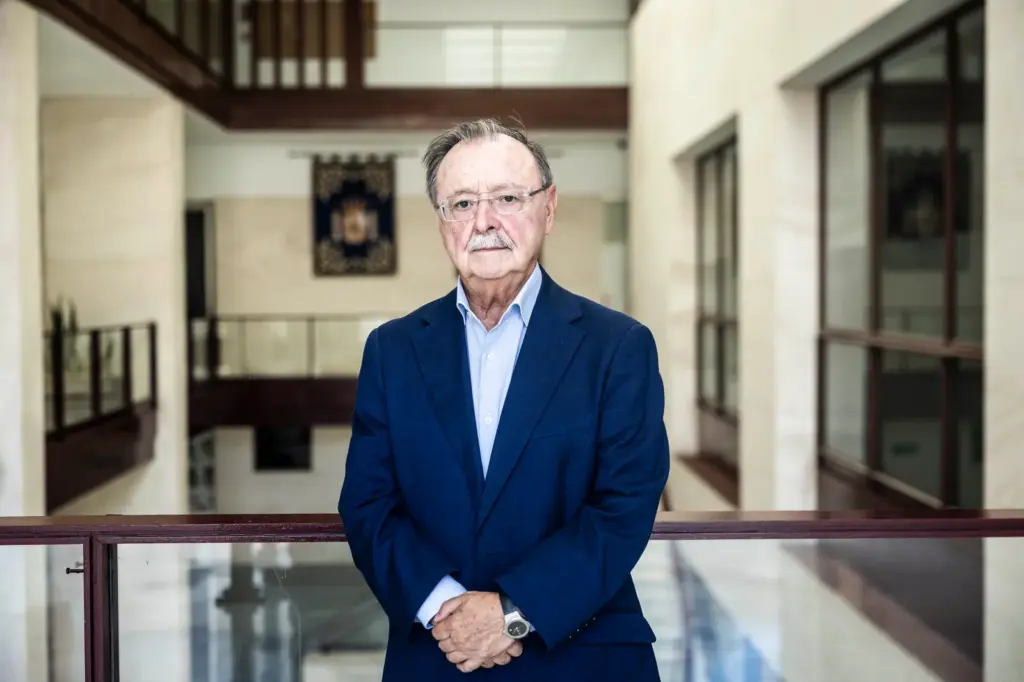
Juan Jesús Vivas, president of Ceuta: “Morocco has shown it is not reliable, respect must be demanded”
Ceuta is a city “that does not lose composure even with its soul on edge,” says its president, the Popular Party’s Juan Jesús Vivas (Ceuta, 73 years old), who has been in power for more than 25 years and today shows himself “outraged by what happened.”
You can read the full interview here
Good morning. The authorities in Ceuta continue to take measures to restore normality after the massive entry of immigrants last Thursday, which leaves a provisional toll of 72 dead, while the Security Forces and the Army maintain a surveillance device in the streets to facilitate the return of those who still remain in the city. In Melilla, after a weekend in which the land border has gradually and limitedly resumed transit for travelers of the Operation Paso del Estrecho, the autonomous city remains pending the continued reduction of migratory pressure to return to normality in the only ‘bridge’ that connects the city with its Moroccan surroundings.