Global oil stocks are running low. The blockade of the Strait of Hormuz and the lack of an agreement between the United States and Iran to end the war in the Middle East are draining crude inventories. According to the latest report from the International Energy Agency (IEA), oil stocks have decreased by 410 million between the end of February and July, which represents 5% compared to pre-war levels, equivalent to emptying 2.7 million barrels per day. This is the first time that crude inventories have fallen below 7.9 billion barrels since April 2025. “The buffers that were available are rapidly depleting,” warns the agency.
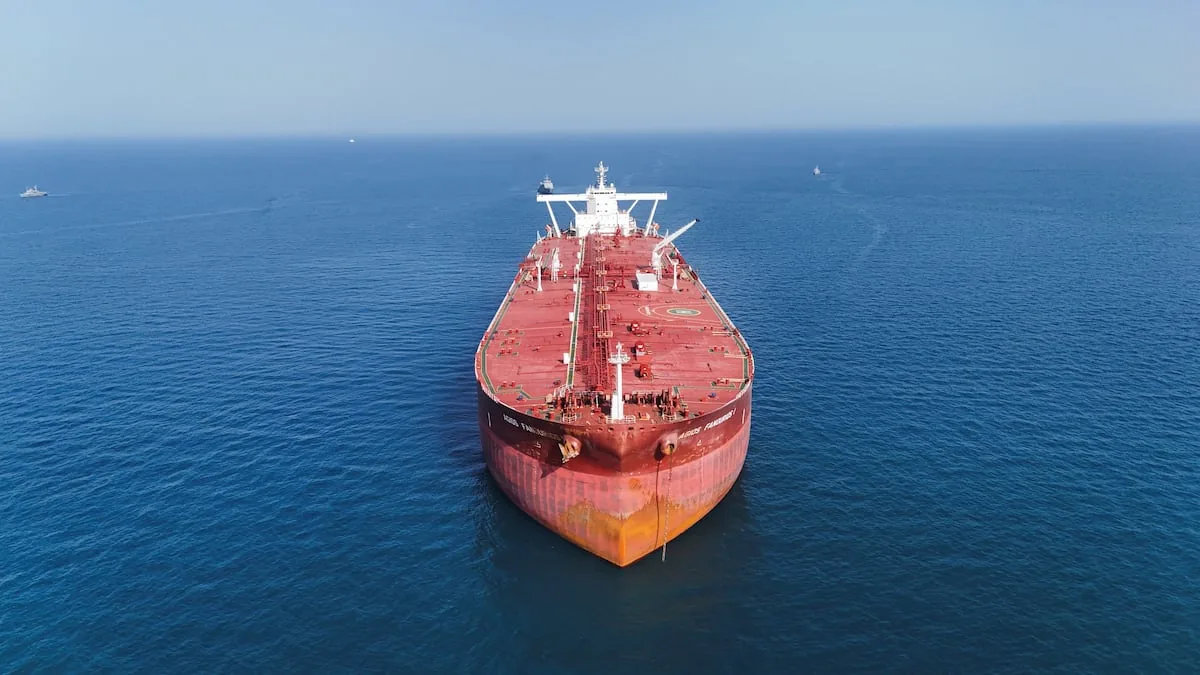
The data shows that Gulf countries are producing more oil, but it is not enough to replenish stocks and, moreover, much of the crude cannot leave the region. In July, production increased by 2.5 million barrels per day, but it was still well below pre-war levels. At the same time, exports fell sharply due to difficulties crossing the Strait of Hormuz. Shipments, which reached around 20 million barrels per day at the beginning of July, dropped to about 12 million by the end of the month. This bottleneck in one of the world’s main oil arteries is forcing the market to increasingly draw on stored oil.
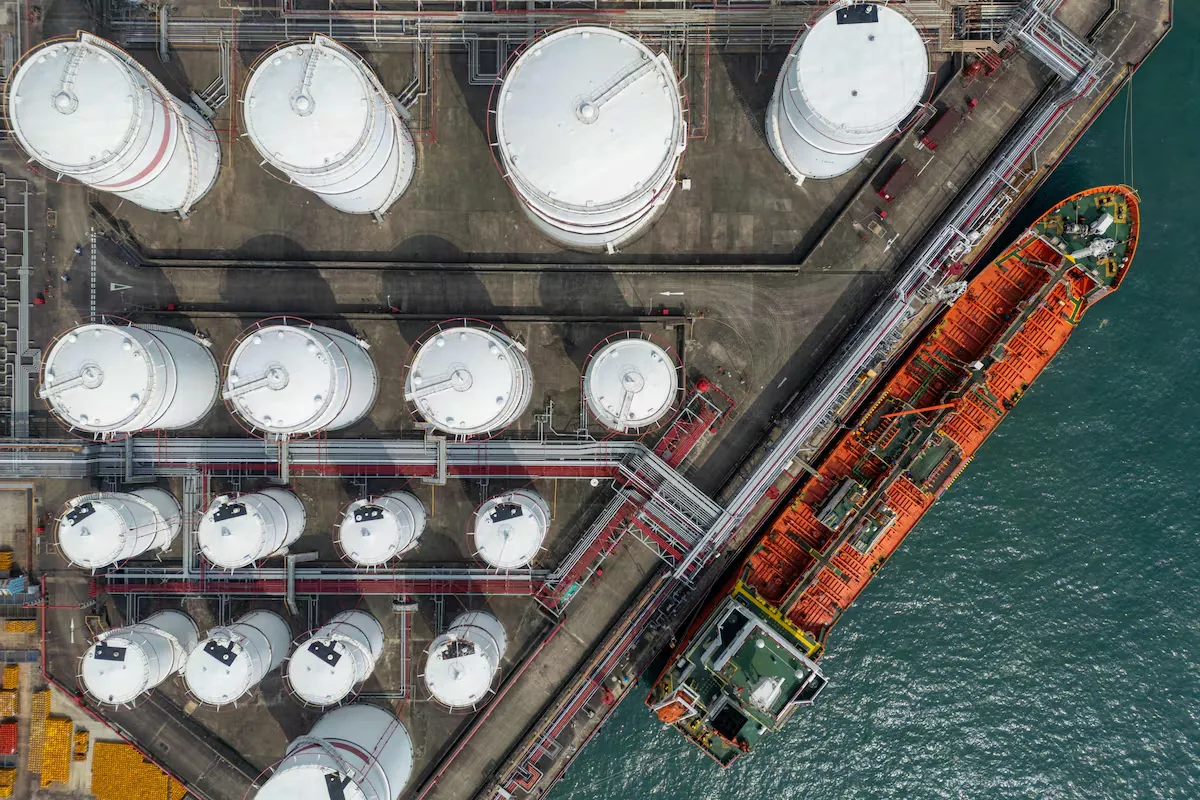
In fact, the IEA warns that the tension is also beginning to affect strategic reserves. These are crude storage facilities held by all IEA member countries. They were designed as a buffer to protect economies against severe supply disruptions and to prevent an international crisis from paralyzing transportation, industry, and energy generation. They are designed to ensure that countries have at least 90 days of net crude imports. Since the start of the conflict, members have released 300 of the 400 million barrels committed to alleviating the oil shortage. The IEA has always insisted that this is a temporary measure to cushion prices and allow the reorganization of supply logistics, but it cannot replace supply for an extended period. The problem is that as long as Hormuz does not return to normal maritime transit, the market will continue to rely on these reserves to cover part of the gap left in the market.
The agency details that the oil shortage is already evident in some refined product centers. One of the major problems with the lack of crude availability is not so much the oil itself, but the derivatives, such as diesel, gasoline, or kerosene, which are the ones actually used in industry. Beyond the time needed to have crude available, there is a need for margin to refine it and produce these fuels. In this regard, the IEA points out that the Hormuz crisis is already the largest disruption of global oil supply recorded and has exposed the vulnerabilities of importing countries.
Read more WHO criticizes the new policy of reducing childhood vaccination in the United States
The situation has led 12 countries to consider expanding their storage capacity or new strategic reserves. Each IEA member country maintains its own strategic reserves according to its needs and capacity. According to the latest data, updated to May 2026, Spain has reserves to last 112 days.
Looking ahead to the coming months, the agency assumes a de-escalation scenario in which crude flows gradually recover. If this scenario is fulfilled, the market would return to a surplus situation in the last part of 2026, and in 2027 there would be an oversupply that would allow countries to rebuild their crude reserves. However, this remains a hypothesis. The IEA itself warns that if production in the Gulf remains at current levels, the market would lose another 610 million barrels of expected supply by the end of the year.
Read more La UC y el milagro que no buscó