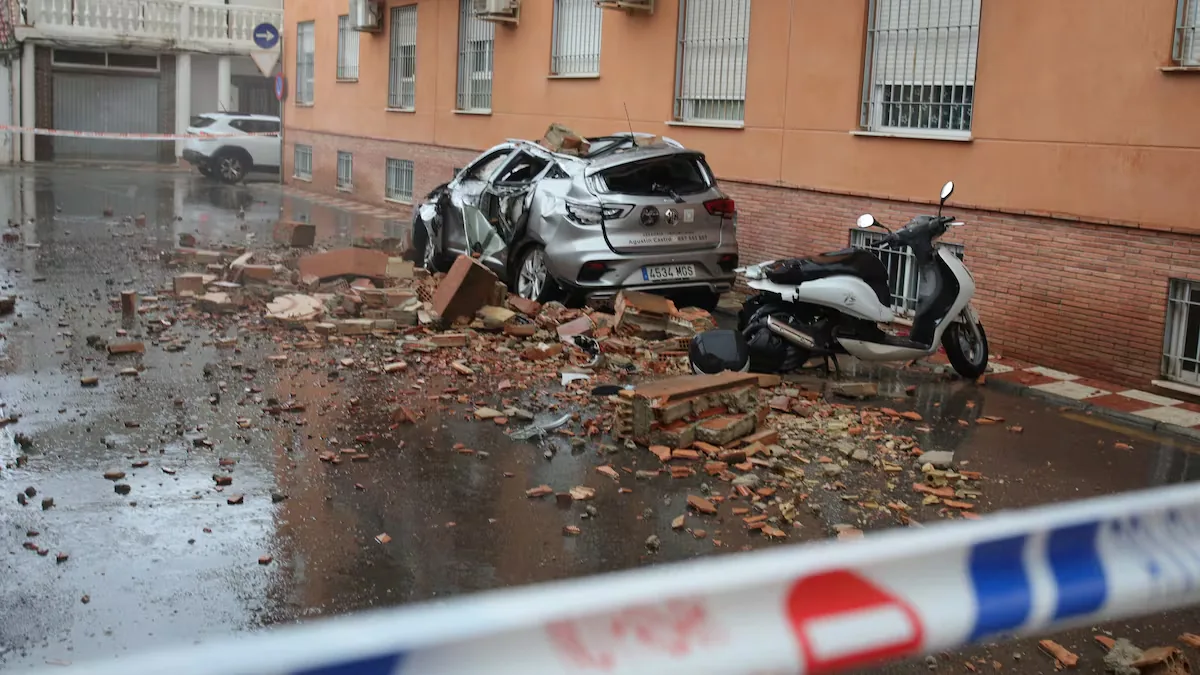
Fermín Rodríguez, 39 years old, woke up at 1:04 this Saturday when the bed he shares with his wife started to shake. Without time to react, they heard plates, pictures, and objects from the shelves falling to the floor. “And when we turned on the light, we saw cracks in the walls,” explains this man from Granada. “We felt fear, a lot of fear.” Like them, thousands of people who felt the magnitude 5.0 earthquake that shook the province of Granada early this morning and was felt throughout almost all of Andalusia. The tremor had its epicenter in Alhendín, a municipality in the metropolitan area of the Granada capital. It caused material damage to numerous buildings, such as fallen cornices, rubble, or walls, but there are no reports of victims, according to the Junta de Andalucía. The Minister of the Presidency, Antonio Sanz, has activated the Emergency Plan for Seismic Risk in Andalusia, in emergency phase, operational situation 1. The Advisory Committee for Seismic Risks of the Junta is currently meeting to assess the situation.
Read more An ordinary day for a woman in Afghanistan: “I have lost my place in society”
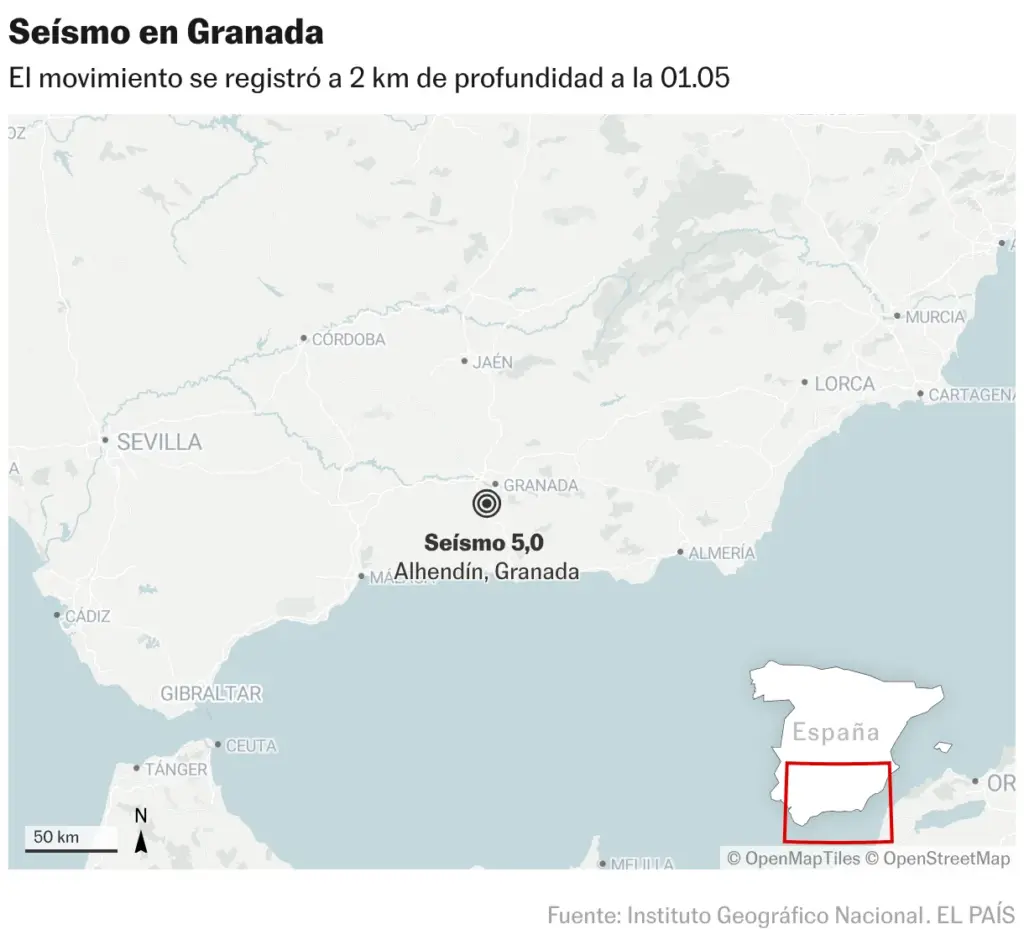
The seismic movement lasted up to six seconds and shook all of Granada, although according to the National Geographic Institute (IGN) it was felt strongly in the nearby provinces of Málaga, Jaén, and Almería, as well as in Seville, Murcia, Cáceres, Ciudad Real, Albacete, Madrid, and Toledo. It happened at 1:04 and woke up half the city. “Everything moved and things fell off the shelves. And there was a loud noise,” recounts Josefa Crespo, 64 years old and a civil servant at La Alhambra. “It was overwhelming,” adds Mariló Vílchez, a resident of La Zubia in a house with an anti-seismic structure. “Normally we don’t notice earthquakes, but this time the whole house vibrated,” she emphasizes. “And you feel completely at the mercy of something you cannot control. It was terrifying,” stresses the person who says she has been listening all morning to stories from friends “with massive damage.” “It was just a scare, luckily. But it was intense. I don’t remember feeling one so strong,” insists Cristóbal Gallardo, owner of the restaurant El Mercader. This is confirmed by José Morales, a seismologist at the Andalusian Institute of Geophysics, who felt it in La Herradura, on the Tropical Coast, and says there are not many recent previous examples of this magnitude. “And there have been very strong accelerations, which had not been recorded before except for exceptions like the Lorca earthquake,” he points out.
View this post on Instagram
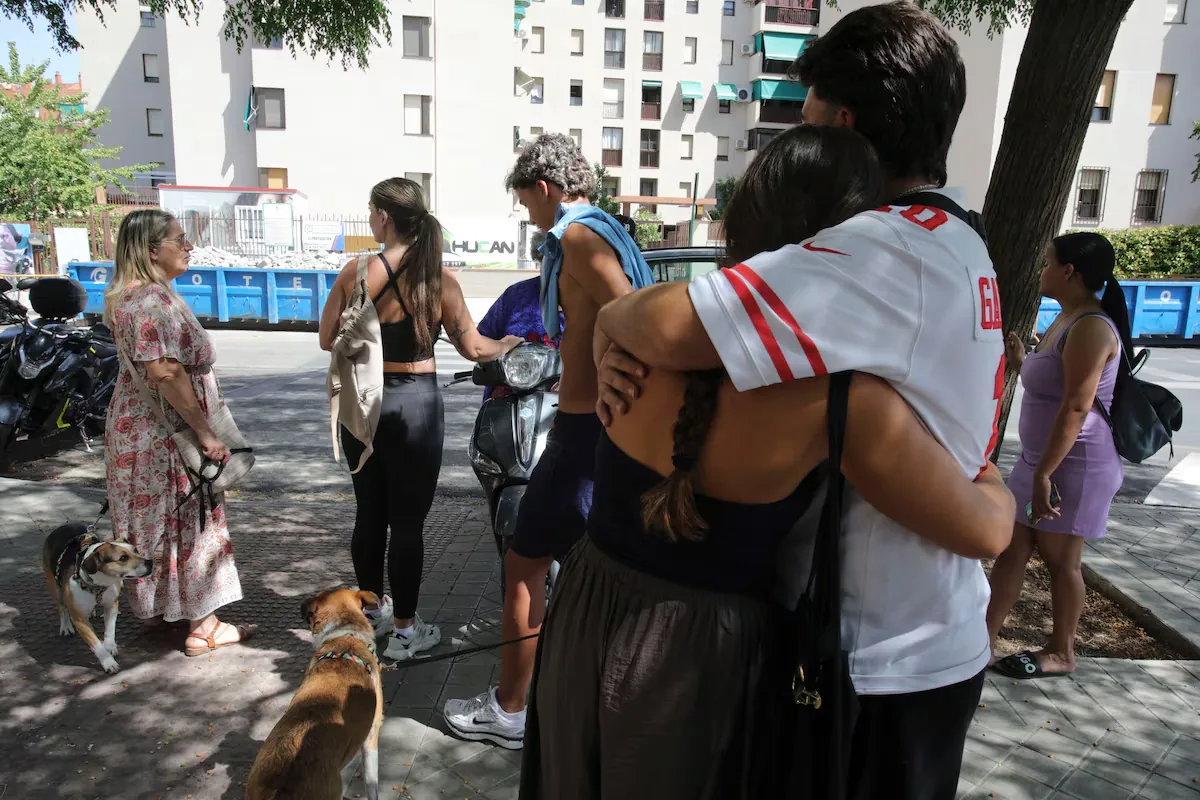
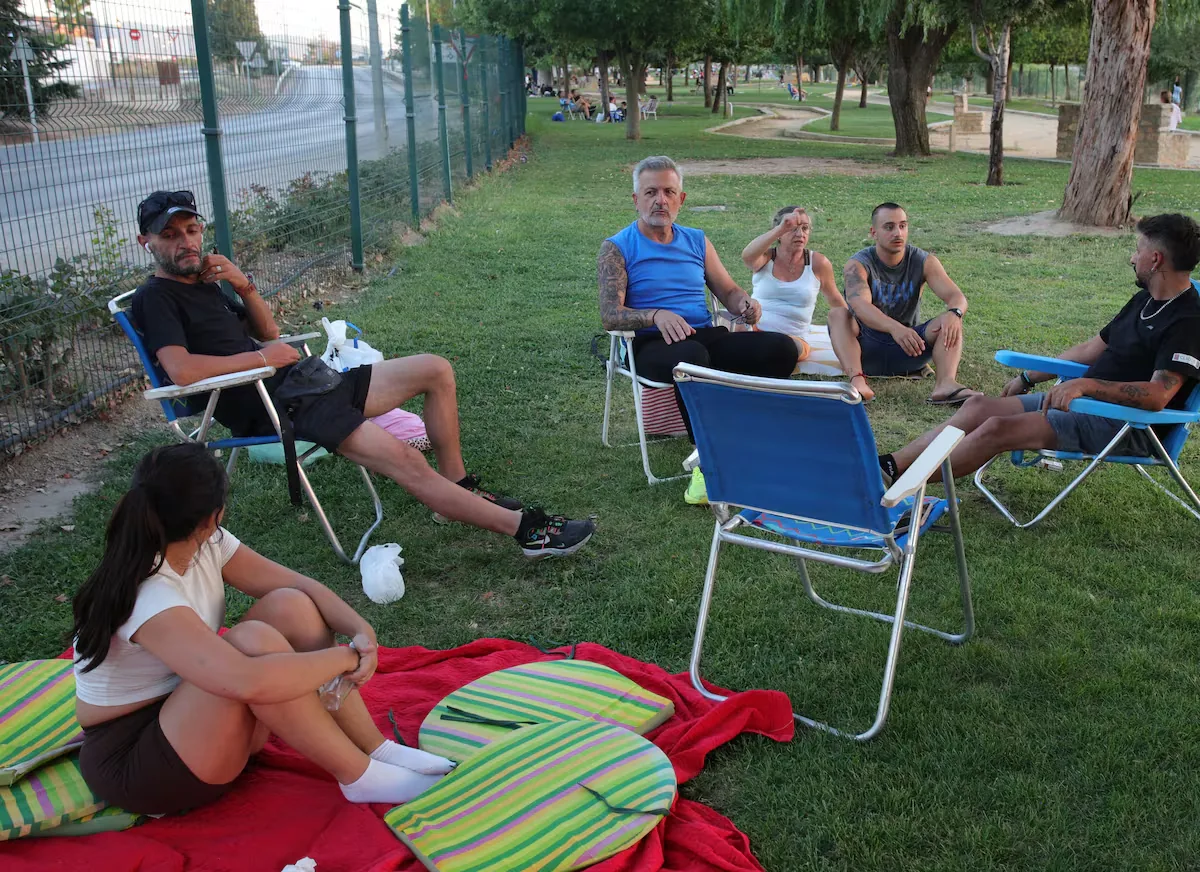
Shortly after the tremor, hundreds of people went out to the streets nervous and scared, checking for damage and staying awake all night in squares, parks, and open spaces. “We haven’t been able to sleep because of the aftershocks, because each one activated you and you thought it could be another strong earthquake,” Fermín Rodríguez highlights again by phone. And there have been many because one occurs every 15 or 20 minutes. The IGN has recorded nearly fifty in metropolitan towns such as Ogíjares, La Zubia, Dílar, Armilla, Alhendín, or Gójar, where one of the tremors was 3.3 and was felt throughout the Granada belt. The 112 Andalusia Emergency Service has received up to 200 calls throughout the night. And social media has been filling up with messages from frightened people and videos of what happened. “What a night of terror in Granada,” said David Salmerón on the social network X, who also pointed out the strong storm affecting the entire metropolitan area since early morning with heavy electrical activity that is even leaving snow above 3,000 meters altitude in Sierra Nevada.
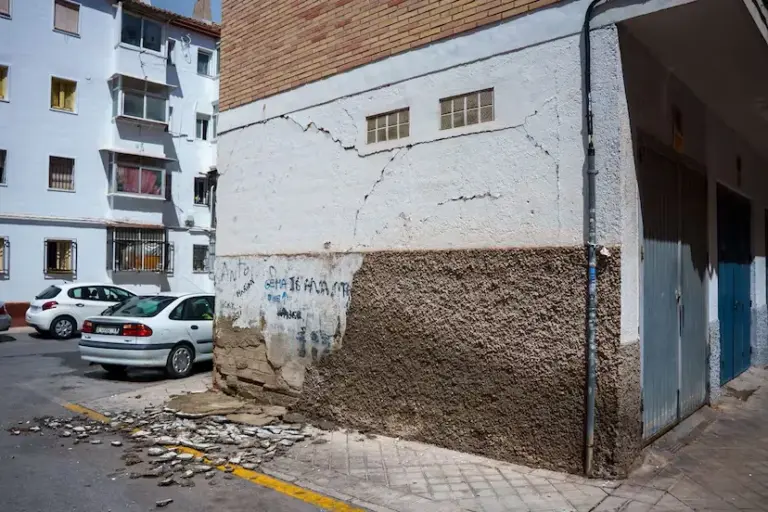
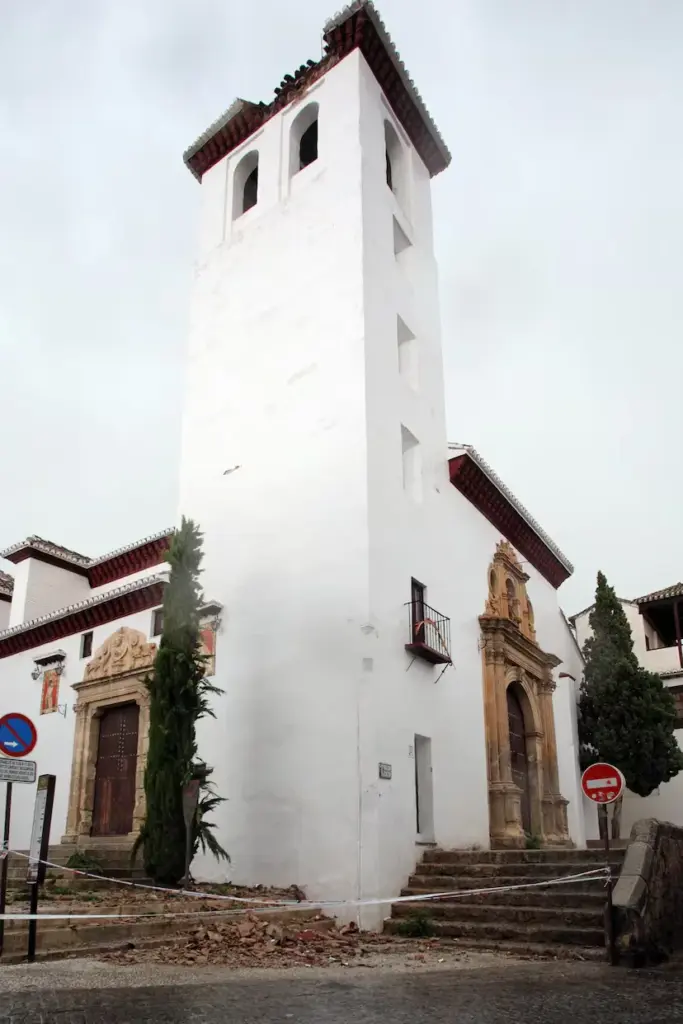
“Light” damage
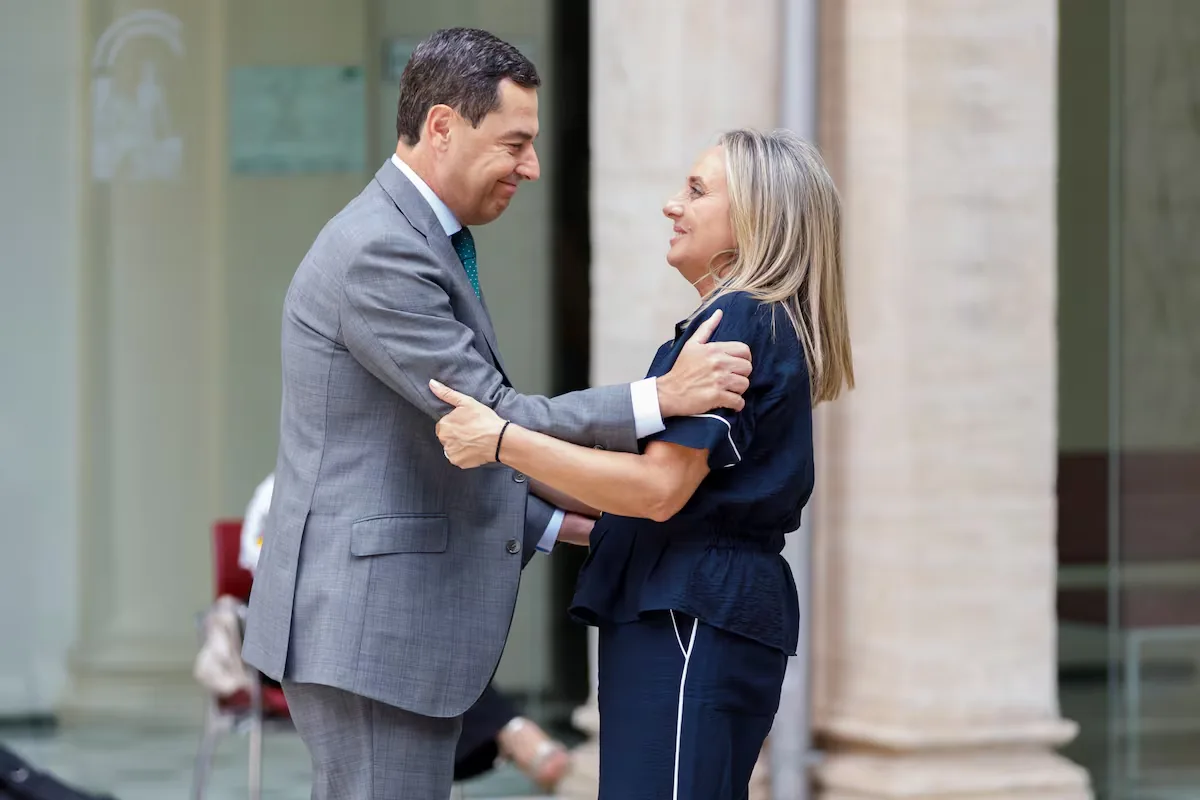
“A night of alarm and unease,” highlighted the president of the Junta de Andalucía, Juan Manuel Moreno Bonilla, on social media. “Calm, be very careful with any damaged cornice or facade that could still fall, and please, let’s all follow the recommendations,” he said after his Minister of the Presidency activated operational situation 1. “The activation allows us to reinforce monitoring of the situation and coordinate possible resources and necessary actions, in coordination with the Provincial Council and the affected municipalities,” said Sanz. “Firefighters and the police are inspecting and marking the points where damage has been recorded to prevent passage nearby and avoid new risks. We ask citizens to respect these signs and not approach the affected areas,” the minister explained early in the morning. “We have no reports of personal injuries,” he emphasized.
A night of alarm and unease in Granada with a magnitude 5 earthquake that caused some material damage and was felt in several provinces.
— Juanma Moreno (@JuanMa_Moreno) August 15, 2026
Calm, be very careful with any damaged cornice or facade that could still fall, and please, let’s all follow…
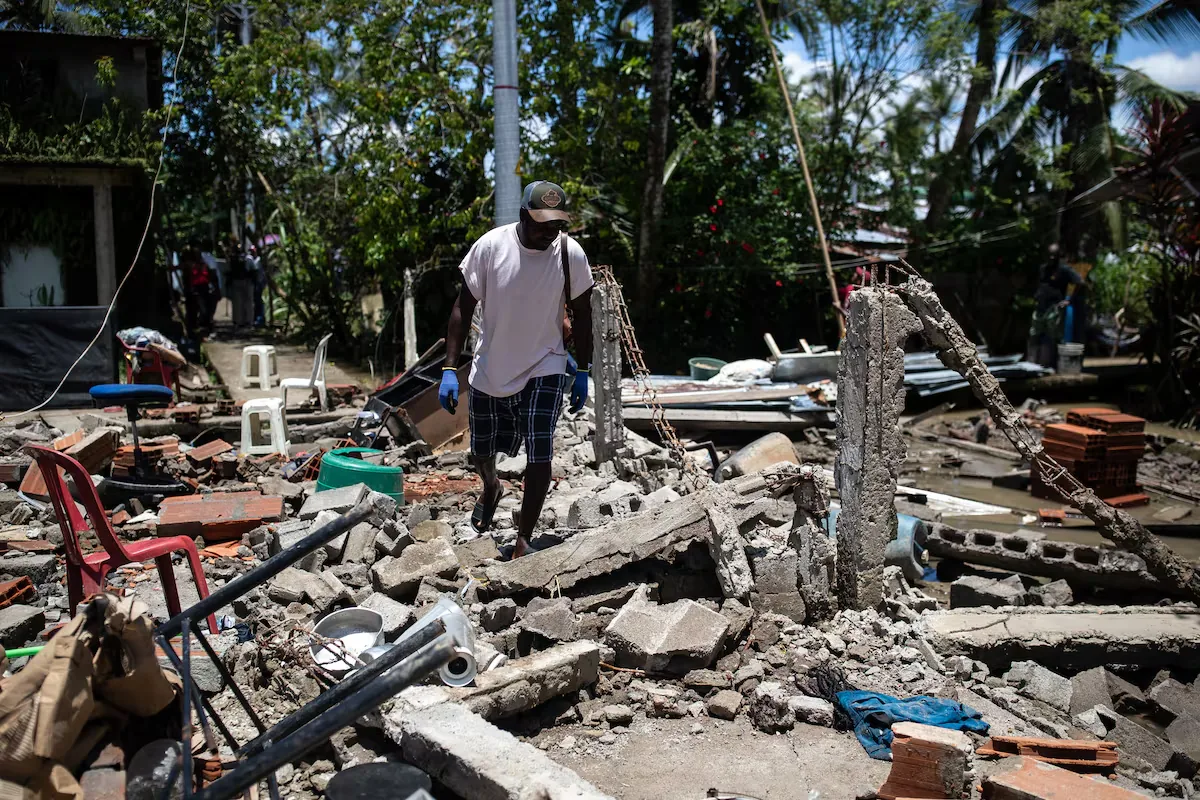
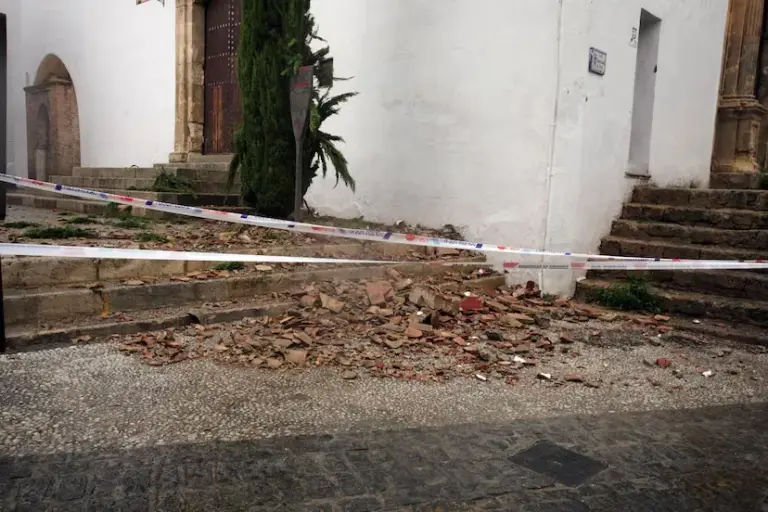
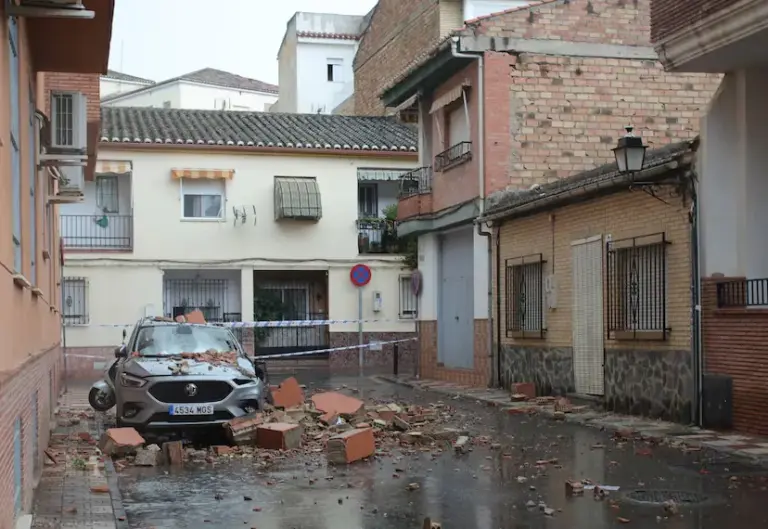
Among the damages caused by the tremor — which occurred exactly five years after another intense one of 4.5 and numerous aftershocks — stand out a car crushed by the fall of a balcony in Alhendín and the damage suffered by the bell tower of the Church of San Miguel, in the Albaicín, whose exterior is cordoned off. In the temple of La Magdalena, already in the historic center, some decorative elements have also fallen. According to the Granada City Council, the incidents reported so far correspond “mainly” to “light” damage to non-structural elements. “In principle, they do not pose a risk to the physical integrity of people,” municipal sources say, pointing out that the main inspection requests have been in the south of the capital and in the municipalities of Ogíjares, La Zubia, and Armilla.
The city council has sent urban planning technicians to carry out a thorough review of some buildings in the Zaidín neighborhood due to the numerous calls received from that area, according to the mayor, María Francisca Carazo, in statements after the emergency management meeting: “We have a specific action in Zaidín where, as a result of yesterday’s calls, we have seen that it may indeed affect the buildings. Since early morning, municipal technicians from the urban planning area have joined to, after the first technical observation by the firefighters, continue examining the condition of the building,” she expressed before asking residents to be cautious about possible falling debris and emphasizing the need to take “self-protection measures” that are being shared by official sources.
After an earthquake, not all cracks mean the same.
— Ayuntamiento de Granada (@aytogr) August 15, 2026
If you detect significant damage, notify @BomberosGranada, @Asvogra, or @E112Andalucia. On the street, stay away from facades: flower pots, cornices, or other elements may fall. pic.twitter.com/cTQAh9RG2c
For an effective inspection of the buildings, the Junta de Andalucía has activated the Group of Volunteer Architects of Andalusia (GAVE), which will allow knowing the condition of the buildings. The Andalusian administration officials also maintain permanent contact with the Andalusian Institute of Geophysics and the Spanish National Research Council to monitor the evolution of seismic activity.
“The inspections carried out by the specialized teams of the monument, together with the fire brigade team, confirm that neither the palaces, walls, and other historical structures nor the garden areas have detected relevant incidents,” reported the Patronato de la Alhambra y Generalife, where they assure that “so far” no relevant incidents related to the recent earthquakes have been identified. At 11:00, it was reopened to the public once total safety for its workers and visitors was established.