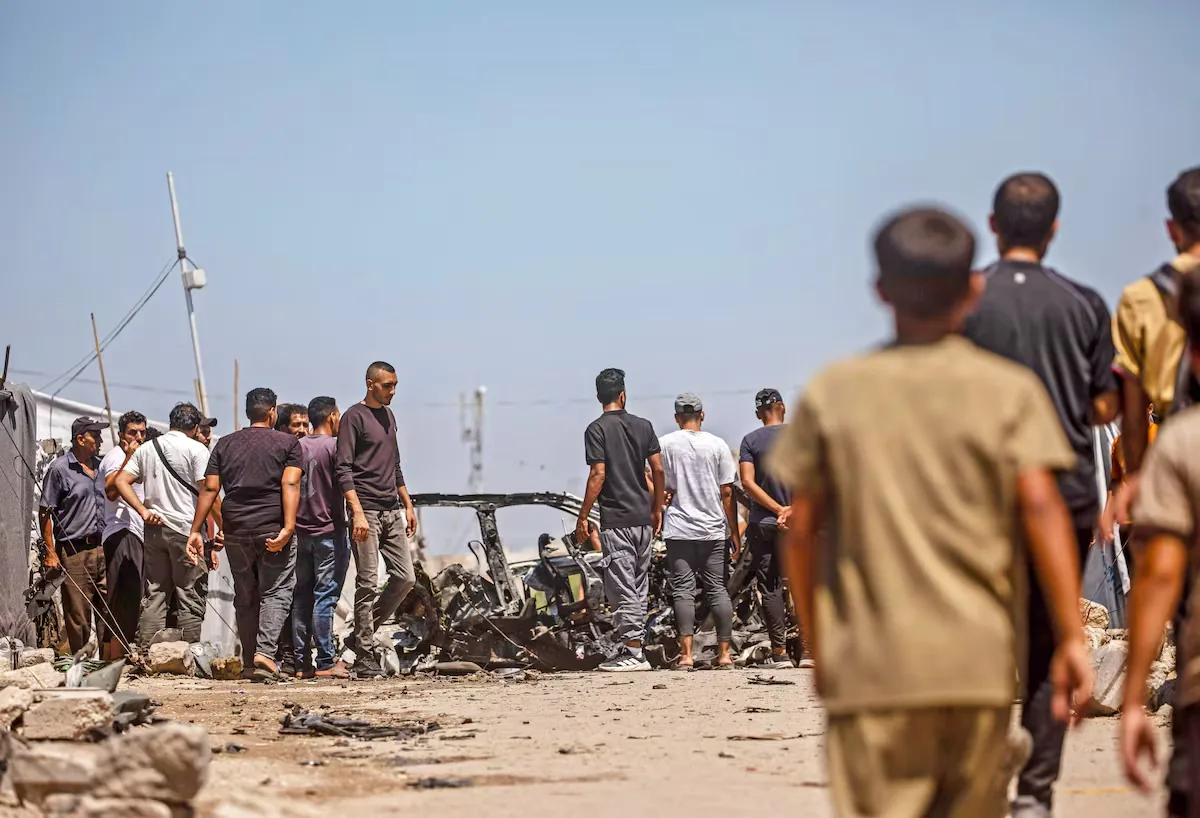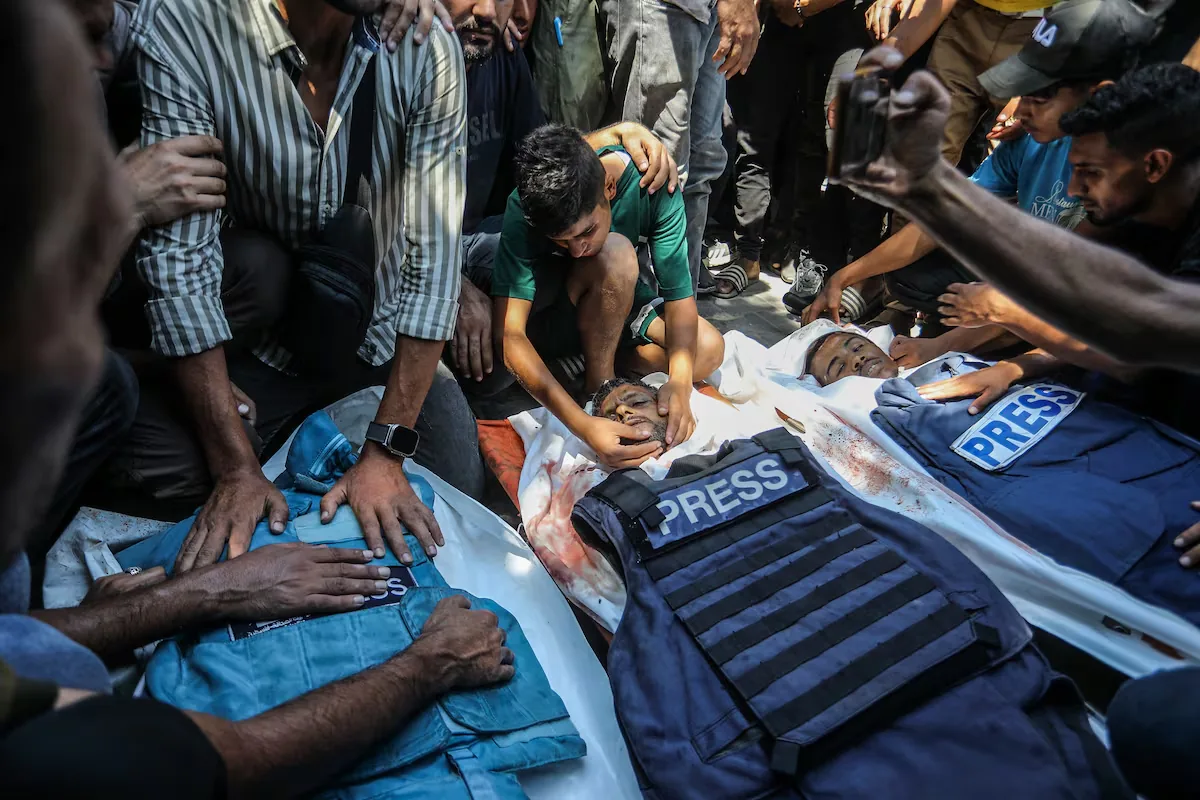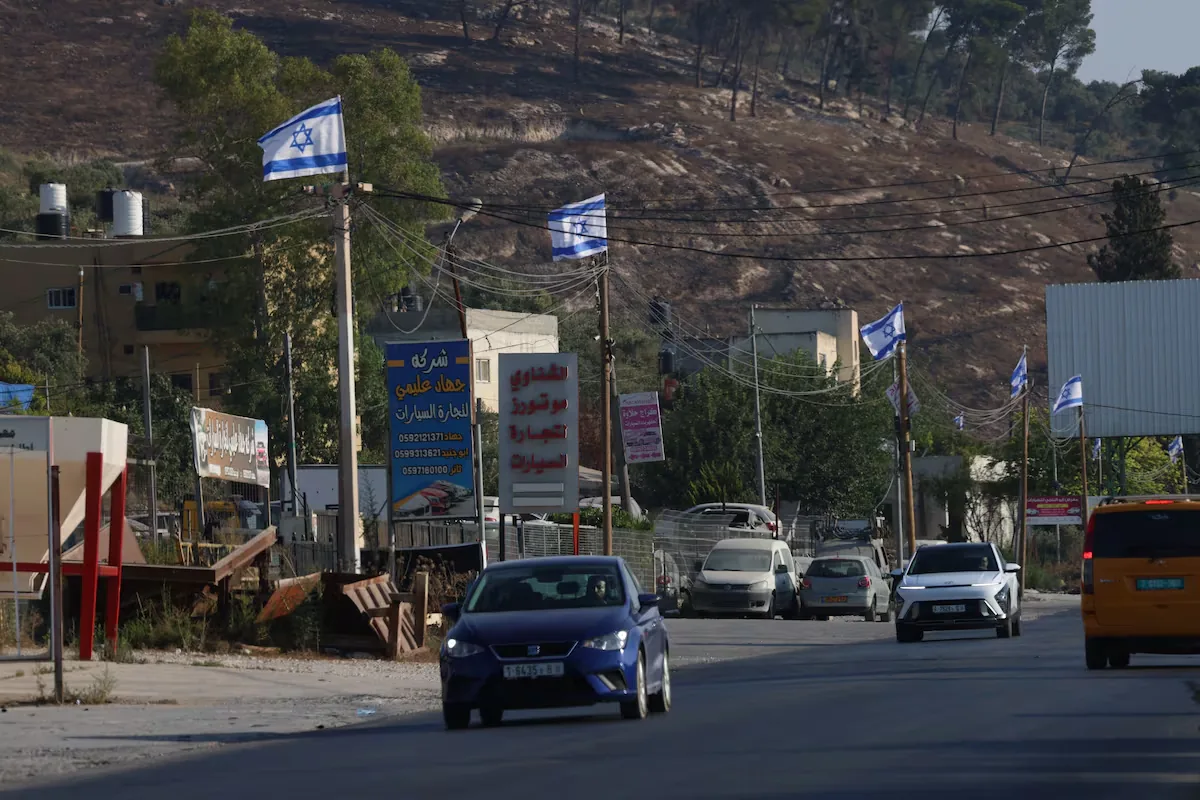








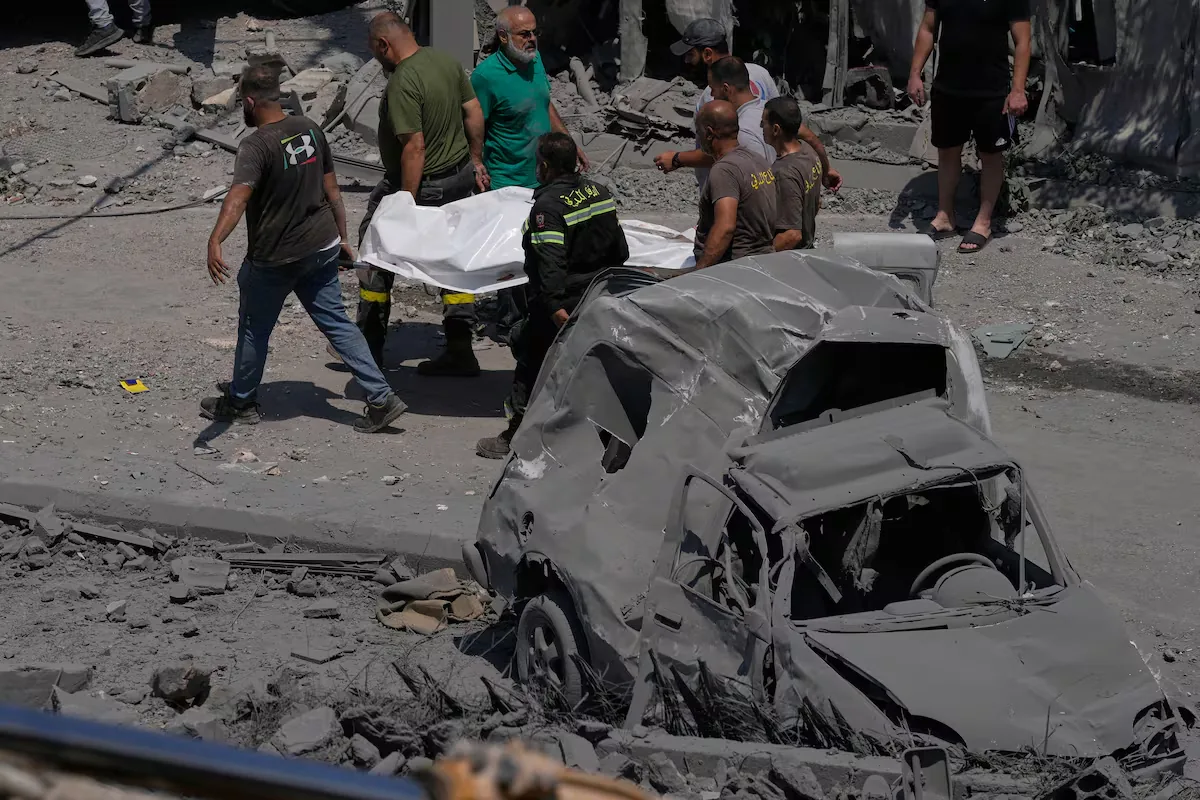
At least 11 people, including three children and two women, have died in the deadliest Israeli attack since the ceasefire in Lebanon. Since it was agreed upon in June, the Armed Forces have not completely stopped the bombings and have been demolishing and burning lands in the south, the predominantly Shia area occupied by the troops. But a spark ignited a bigger fuse this Saturday. Israeli Prime Minister Benjamin Netanyahu unusually denounced (before the army) a Hezbollah attack against his soldiers, which seriously injured three of them. He justified the death of civilians by saying that the troops did not know they were in the target, which he described as a “barracks” of the Lebanese armed group. In a statement, Hezbollah assured that Israel “will get what it deserves.”
Read more Morocco thwarts the attempt of hundreds of sub-Saharan migrants to reach Ceuta
Seven of the victims died when Israeli warplanes attacked a house in the southern village of Ansar, while another four died in an attack on the village of Deir el Zahrani, according to the National News Agency. There are also 19 injured and hundreds displaced for fear of a worsening conflict.
“The martyrs of the Israeli attack on the village of Ansar are not military infrastructure, and the women and children killed are not military targets,” protested Lebanese Prime Minister Nawaf Salam, a supporter of Hezbollah’s disarmament.
The ceasefire agreement, sealed at the initiative of the United States, provides that Israeli troops remain in part of the south until Hezbollah is disarmed and the Lebanese army gradually takes control. In addition, the governments in Jerusalem and Beirut are negotiating directly in parallel (almost for the first time in their history), despite lacking diplomatic relations, and have established a first “pilot zone” that has been handed over to the Lebanese Armed Forces.
Read more The Spanish rhythmic gymnastics team wins a historic world gold 35 years later
Hezbollah rejects direct dialogue with the enemy and calls the ceasefire an “Israeli order written with Israeli ink that the Lebanese authorities have signed,” as its leader, Naim Qassem, called it in a speech this Friday. The talks with Israel “have not produced a single result,” he said.
The Israeli army took a strip of southern Lebanon (where it has been demolishing entire villages) during the last conflict with Hezbollah, after the Lebanese militia joined the Iranian side in the war started in February by the United States and Israel.
On Thursday, Israeli Defense Minister Israel Katz visited the area and stated that the army would not withdraw from there until Hezbollah’s total disarmament, which upset the US, guarantor of the agreement. A State Department source declared that the ceasefire commitments are incompatible with a permanent Israeli military presence.
Read more Assumpta Serna criticizes the dependency aid system: “It is neither humane nor fair”