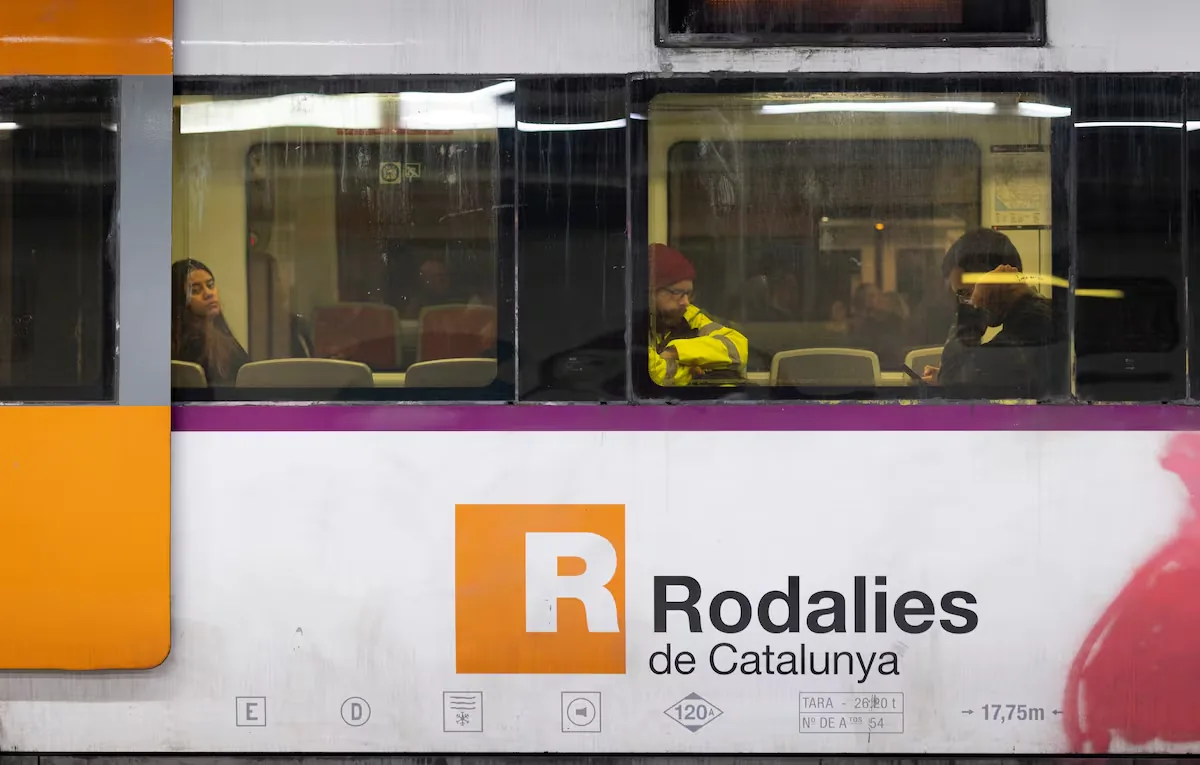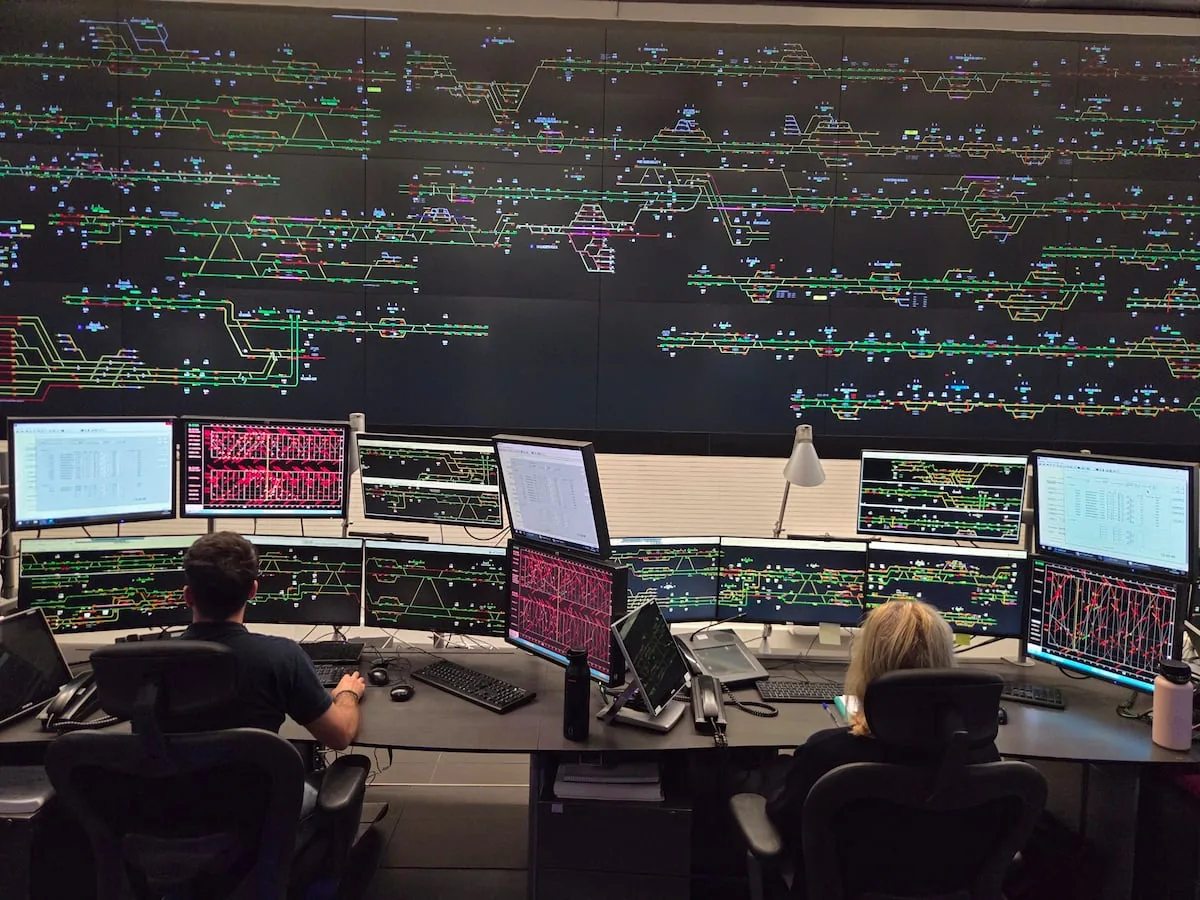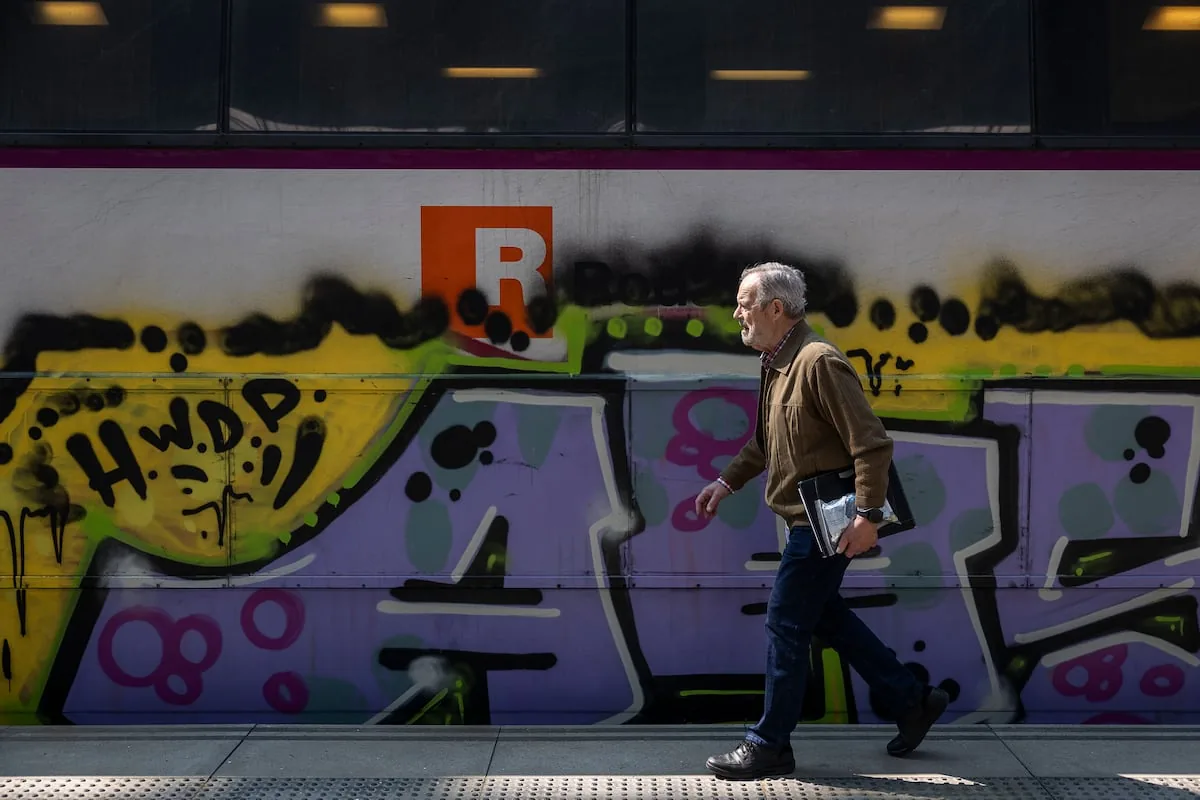




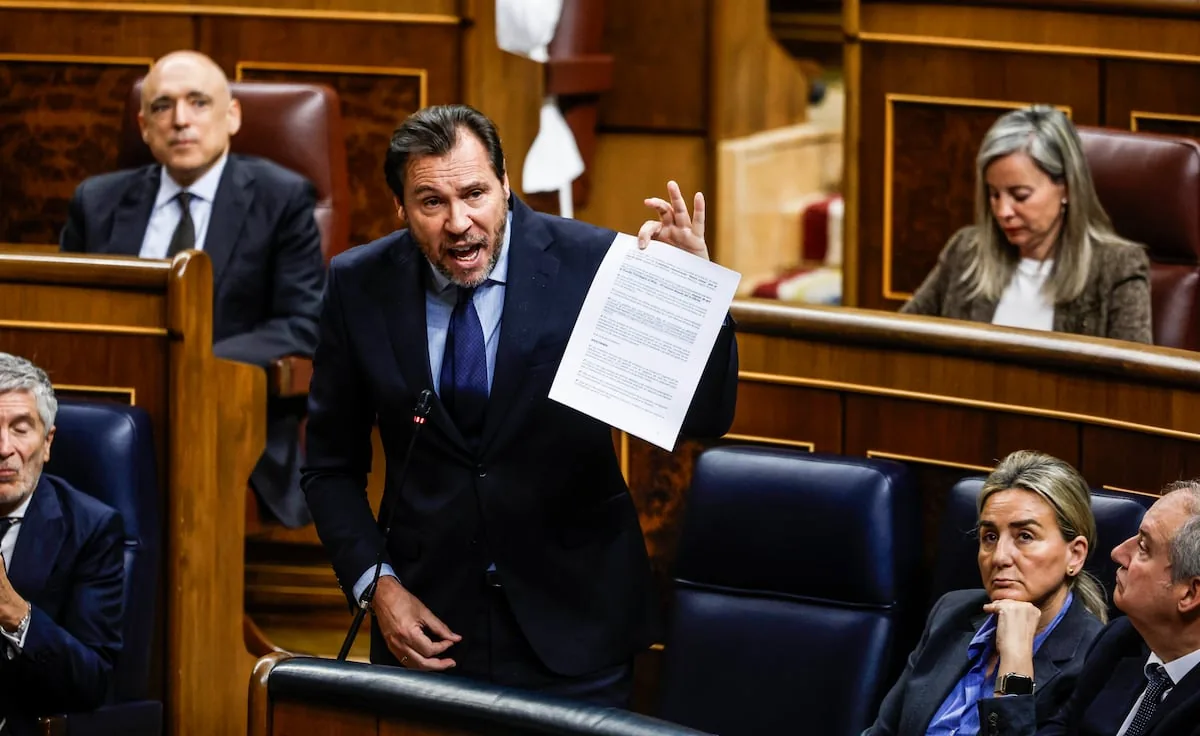
The Minister of Transport and Sustainable Mobility, Óscar Puente, met this Wednesday at the Congress of Deputies in Madrid with several representatives of the train user platforms in Catalonia. The meeting comes three months after the start of the great Catalan railway crisis and 500 kilometers from Barcelona. Puente visited the Catalan capital when the Rodalies Cataluña company was established at the beginning of January and did not return until last week, delegating the management of the crisis to the Secretary of State for Transport and Mobility, José Antonio Santano.
Read more Vice Admiral Farías Laguna sends a letter to Sheinbaum to intervene in his case for fuel theft
The meeting has taken place, according to the Ministry, in a “cordial and constructive” tone and the platforms have provided alternatives and proposals to improve the service.
The member of Promoció Transport Públic, Adrià Ramírez, who attended the meeting, explained to Europa Press that the platforms shared with Puente the “critical situation that Rodalies is experiencing, which has been going on for a long time.” In addition, they have asked the Ministry to approve the 11 studies that are currently “stalled” and have emphasized that the Pla de Rodalies leaves out important actions such as those on single tracks. “We hope this is not a flash in the pan, but a change in the relationships we can have and that it will be a more transparent Ministry,” Ramírez stated.
The Secretary of State for Transport and Sustainable Mobility, José Antonio Santano, who was in charge of managing the crisis in Rodalies at the beginning of the year after the multiple incidents caused by the storms, also attended the meeting.
Currently, the Rodalies network already operates at 95% of the normal capacity it had before those January storms, after the emergency works carried out, and the 5% of services yet to be put into operation correspond to emergency works that are also underway. It is expected that between May and June operations will return to the same conditions as before the storms, although with improved safety and reliability parameters, since interventions have been made on elements that caused problems.