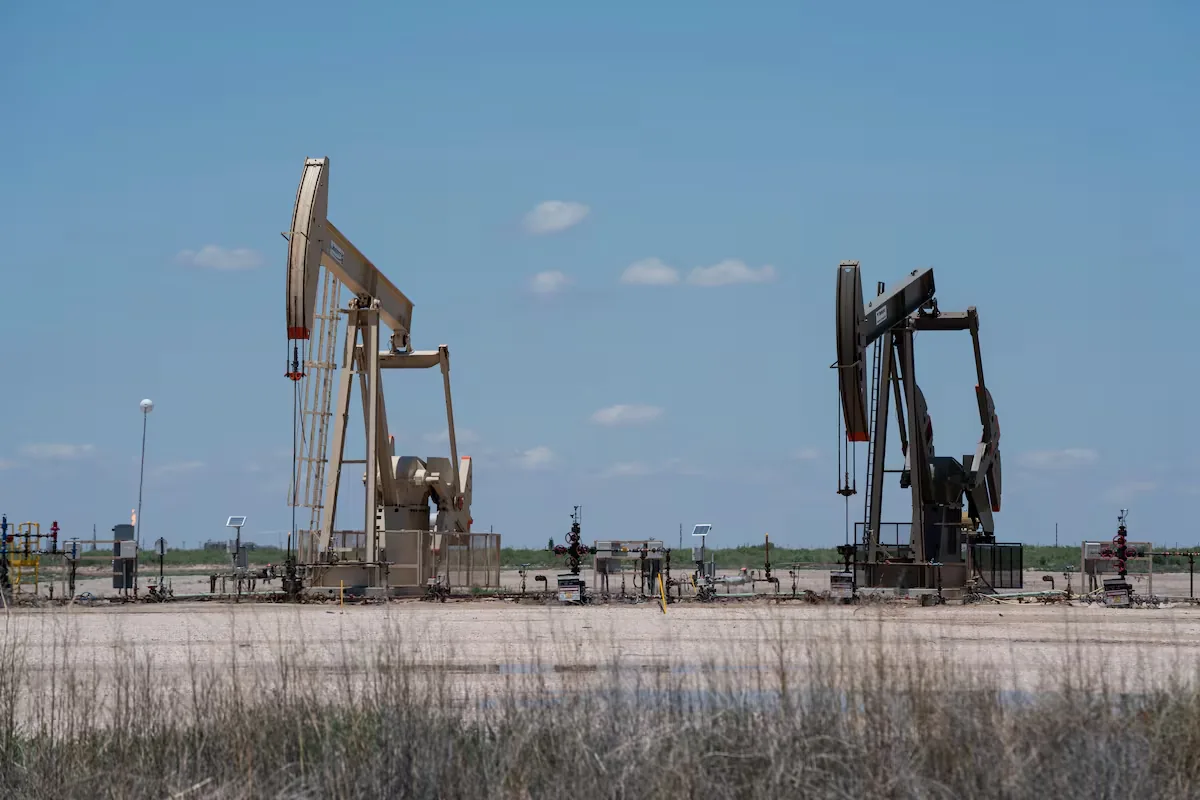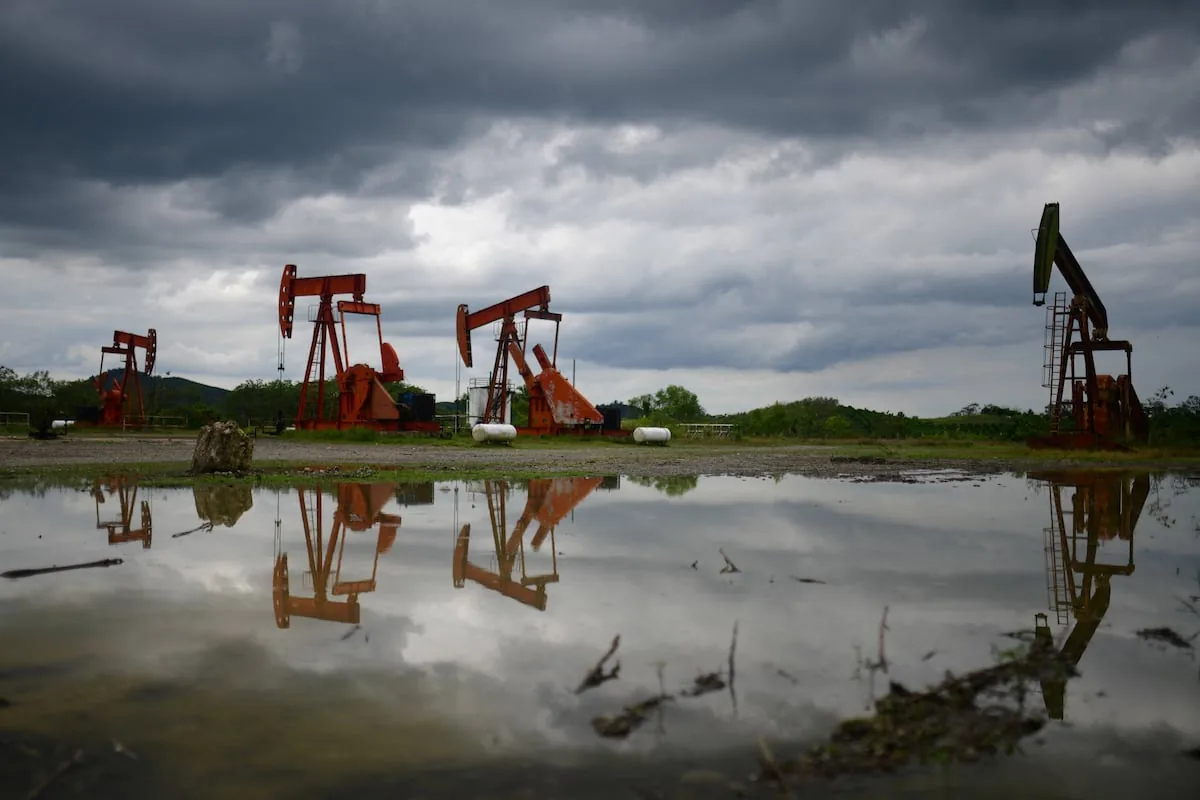

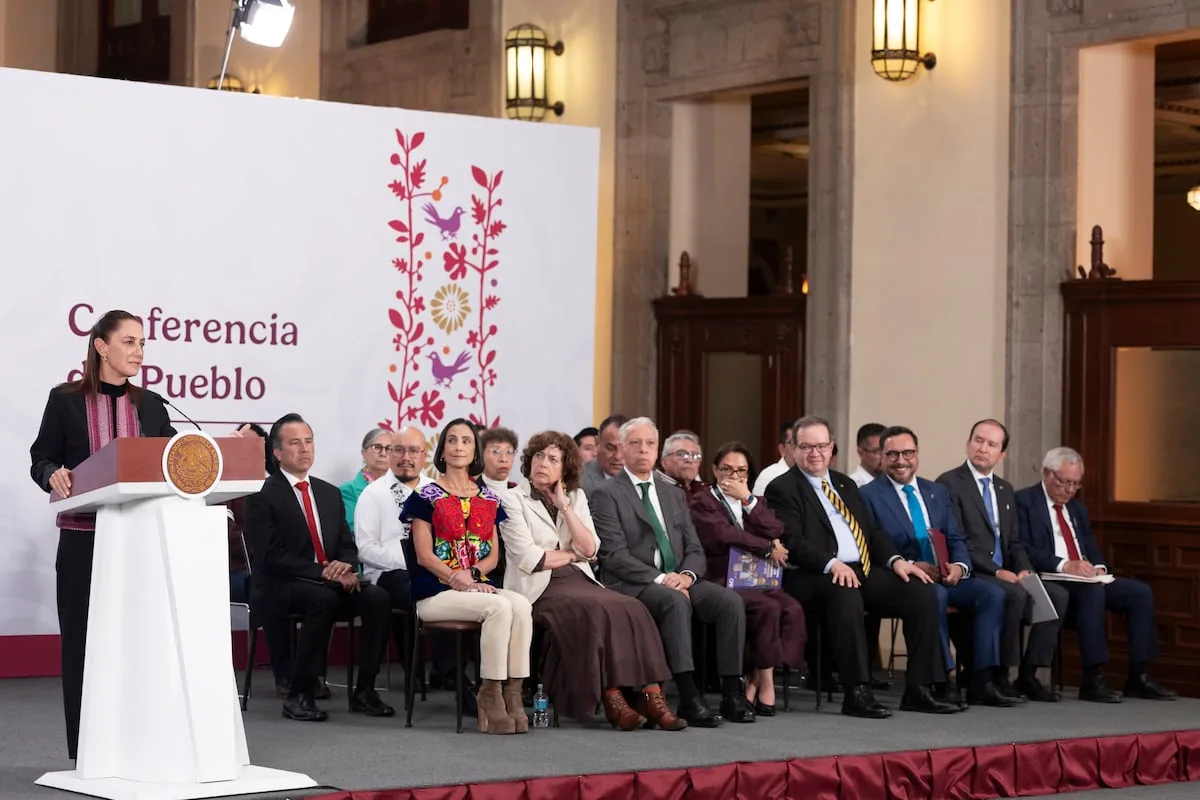
The scene is unprecedented: rectors, scientists, academics, and high-level directors summoned to the National Palace to evaluate the use of fracking in Mexico. President Claudia Sheinbaum has turned to academia to support a controversial decision: that energy shift towards hydraulic fracturing, revealed by EL PAÍS, which breaks with dogmas, electoral promises, and the legacy of Andrés López Obrador. To soften it, she has opted for an old formula of her predecessor, shifting the weight of the decision onto others. “Let the people decide,” said the former president when anticipating rejection of any of his plans. Sheinbaum takes refuge in a similar maneuver, but instead of surveys or popular consultations, she gathered this Wednesday in her morning conference a group with more academic and technical profiles than political ones as a sign that she makes consulted decisions. That presentation, however, has raised as many doubts as the plan itself to resort to fracking in the name of energy sovereignty.
Within academia itself, they have already begun to question the neutrality of the publicly presented committee. They even doubt whether its report will serve to open the debate or will rather be a formality, a kind of face-lift to support a decision already underway.
The technical committee, made up of experts from the National Autonomous University of Mexico (UNAM), the Metropolitan Autonomous University (UAM), the National Polytechnic Institute (IPN), as well as the Mexican Petroleum Institute, will have only two months to issue its position on the viability of fracking in the country. According to presidential sources, critical voices have been excluded at the last moment from the equation. The urgency clashes with the weight of the decision: opening the door to a technique that has been a symbol of environmental devastation and a banner of struggle for the left worldwide.
The composition of the group has faced differing positions. While some academics sympathize with the presence of the rectors of the most important universities in the country, others see it as a sign that it is a simulation exercise in the face of an announced verdict. “I don’t see anyone who has expressed critical views about fracking. We’ll see what they say,” Luca Ferrari, a geologist and researcher at the UNAM Institute of Geosciences, tells this newspaper.
From another front, the presence of the heads of the study centers is perceived as a good message but insufficient. “I think it’s good that the UNAM rector responds to the presidency’s call. I see the formation of a committee as positive, but the opinion of experts is not enough; social sectors must be included,” says Omar Arellano, PhD in Biological Sciences and expert in environmental impact at UNAM. The committee defends its track record. “They speak without basis; the members have a great trajectory not only as teachers or researchers but also in the oil industry. I worked 19 years at the Mexican Petroleum Institute and now collaborate with private companies as an advisor,” says Rosa María Hernández Medel, head of the Petroleum Engineering Department at IPN and a member of the expert group.
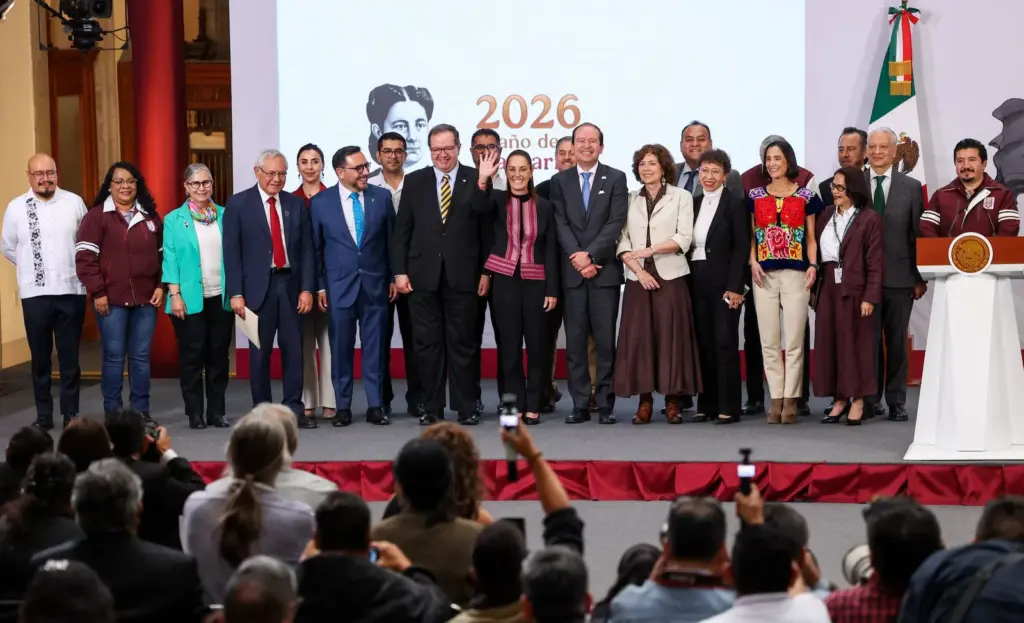
The presentation has been full of symbolism and no detail has been minor. One of them, the presence of the UNAM rector, Leonardo Lomelí, marks what could be a new relationship between the Executive and Mexico’s main university, after the cooling during López Obrador’s term, when the university rector was Enrique Graue. Differences then arose over the controversy of the plagiarism of the undergraduate thesis of Yasmín Esquivel, a Supreme Court minister close to the government. When the scandal broke — which derailed the judge’s aspirations to preside over the Supreme Court — UNAM offered to determine if such plagiarism had occurred during her law studies. The former president understood that university initiative — where he himself graduated — as part of the right-wing’s attacks against his government. That rupture found no remedy during the rest of the term. Another point that is now changing with Sheinbaum at the helm.
Read more Video | Watch the interview with President Lula
The contrasts stand out. During her presidential campaign, Sheinbaum was categorical: fracking had no place in her national project. Her profile as an environmental scientist reinforced that conviction. Today, already in power, the narrative has changed. The president maintains that there are new “less harmful” technologies and that the discussion must be based on scientific evidence.
Some experts have sought to dismantle the presidential rhetoric. “There are no biodegradable biocides, nor green fracking; these are molecules that present lower acute toxicity and there is no evidence of chronic toxicity. These chemical substances might not generate immediate toxicity, but the long-term condition is unknown and biodegradation is not a symbol of non-toxicity,” says Arellano. Within the expert committee itself, they agree that there is no precedent for environmentally friendly hydraulic fracturing: “I totally agree that at the moment there are none [green fracking or biodegradable chemicals]; that is precisely why research exists. In the drilling fluids area, which is my area, we conduct studies to include biodegradable products in drilling fluid formulations,” says Hernández Medel.
The government has chosen to wrap an already made decision in this type of technical language. Academia and a scientific verdict, according to sources close to the presidency, have been the best way to mask the political rupture and the narrative change. “It is not the president’s decision,” Sheinbaum has said. Her statement, rather than clearing doubts, multiplies them. Suspicion already runs through environmental organizations and critical sectors. The perception is that the committee is not the start of the discussion but its endpoint. “They know about water, gas, and oil, but there is no one [on the committee] who is an expert in fracking or its environmental consequences and costs,” says Ferrari. From the presidential expert group, the defense of their independence has emerged. “These are people with a lot of experience who have worked many years in the oil field. We will work with technical rigor,” the IPN academic has promised.
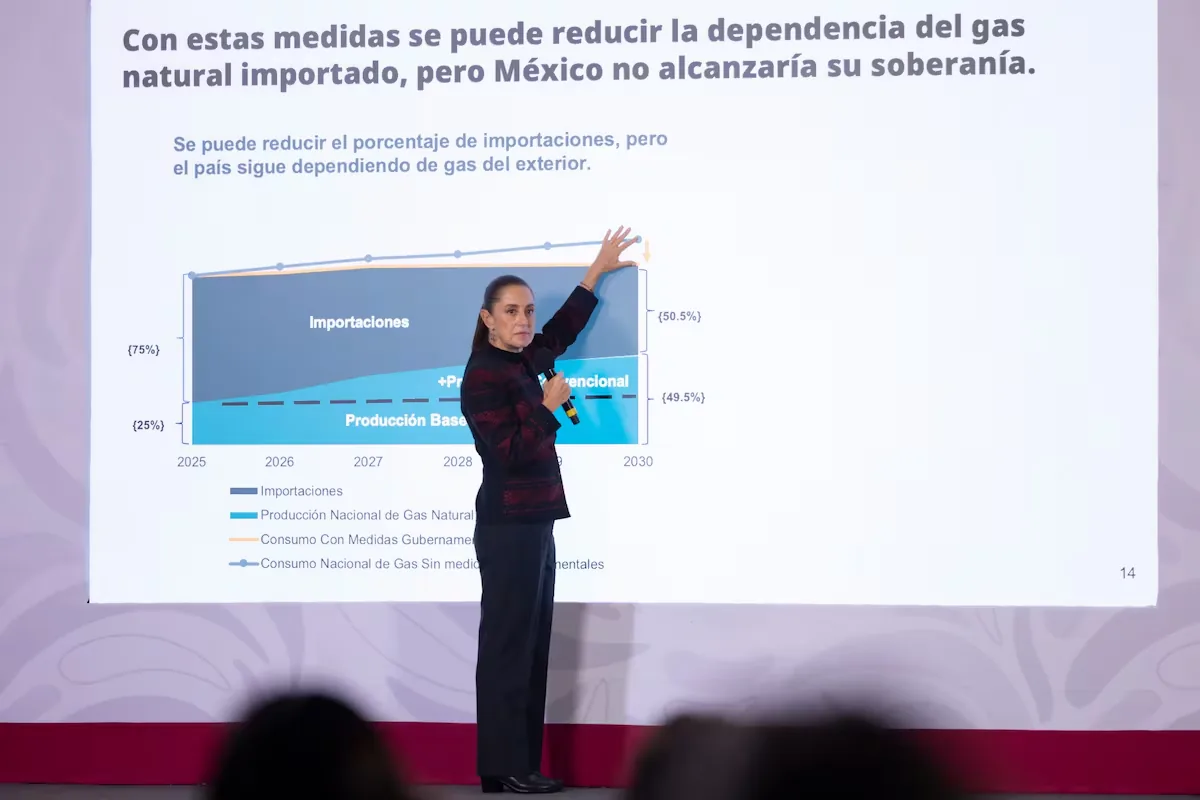
The most critical researchers interpret that, no matter how much they present an expert committee to evaluate the plans, fracking is not seen as a distant possibility but as the central axis already underway of the government’s new energy strategy to reduce dependence on gas imported from the United States, which today covers around 75% of national consumption. Left out are the questions about cost-benefit not being comparable to the environmental and social impact the change of course will have. “There is pressure from the United States to open fracking in Mexico. It has a geopolitical and economic incentive to export less gas to Mexico and export more liquefied gas to Europe and Asia,” says Ferrari. The decrease in gas production in the US and the difference between what Mexico and Europe pay for it put the country at a disadvantage. “In Europe, US liquefied gas sells for $17.15 per million BTU (British Thermal Unit), in Mexico it sells for less than $3,” adds the geologist.
Faced with the proliferation of criticism of various kinds, academia has entered the game as a buffer. As a kind of technical shield against the political cost of the decision. It is not the president who changes position, the official discourse suggests, but scientific evidence that forces reconsideration. Meanwhile, organizations such as the Mexican Alliance Against Fracking and Greenpeace reiterate that there is no “sustainable” fracking and that the risks — water contamination, methane emissions, impact on communities — persist. The expert committee faces a race against time to issue its opinion, as a prior step to completing the shift in energy policy in Mexico. Sheinbaum has chosen to manage the tension on this issue with the language she knows best: that of science. If that path does not manage to silence the noise and criticism of a decision that belongs to the realm of politics, will the president have the last word?